
When people in Los Angeles ask what goes into an attic cleaning quote, they are often surprised to learn how many home-specific details drive the final scope. Two houses on the same street—one a 1930s Spanish with a low-slope tile roof, the other a post-war ranch with ample crawl space—can require very different approaches overhead. While every homeowner understandably wants straightforward expectations, the wisest way to think about attic cleaning is to focus on the conditions that shape the work: access, contamination, size, safety, and the goals you have for your indoor air. By understanding these elements, you will be prepared to evaluate proposals confidently and choose a plan that fits your home and priorities—without fixating on a single number divorced from context. If you are just starting to explore solutions, a helpful first step is to arrange a professional attic cleaning assessment to see exactly what your attic needs.
Los Angeles homes are particular. Marine air tempers mornings on the Westside, Santa Ana winds sweep dust into vents across the Basin, and the Valley bakes in summer heat. These patterns collect in the attic, and the condition you find upstairs reflects years of that weather. A comprehensive quote weighs what must be removed, how crews will protect living areas, and what level of detail is appropriate to meet your goals—fresh air, odor relief, pest abatement, or a cleaner foundation for future insulation upgrades.
Access: The First Gatekeeper
Access sets the pace. A wide, centrally located attic hatch over a hallway makes containment and transport efficient. A tight opening above a closet, or a hatch tucked into a sloped master closet ceiling, slows every step. Older Los Angeles homes sometimes have partial decking or no decking at all, which requires careful movement over joists. If the crew needs to install temporary planks for safe passage, that planning is reflected in the scope. Attics with multiple segments—common in homes with additions—also take extra mapping and time to reach every corner.
Parking access plays an unexpected role in Los Angeles. In neighborhoods with narrow streets or tandem driveways, staging equipment and removing bagged debris can take longer. A good team plans for that, but it is a real factor in how the workday unfolds and how resources are allocated.
Contamination and Cleaning Intensity
Not all debris is created equal. A light layer of construction dust from a past remodel is very different from widespread rodent contamination or fine ash from seasonal fires. The more complex the contamination, the more meticulous the process. HEPA vacuuming, bagging protocols, and targeted sanitizing treatments follow a different rhythm when the goal is to neutralize odor and remove biological material, rather than simply tidying up dust. If droppings and tunneling are localized near eaves, the plan may focus on those zones; if pathways crisscross the attic, expect a deeper reset.
Moisture is another wild card. In coastal microclimates, minor condensation around metal vents during cool mornings can create faint mustiness. In hillside homes, small roof penetrations sometimes allow water to track along rafters. When insulation or wood shows signs of dampness, time is invested to dry, clean, and confirm ventilation works as intended. Thorough solutions account for these complexities.
Square Footage and Layout
More area simply means more to clean, but layout matters as much as size. A sprawling single-story ranch with generous headroom can be more straightforward than a compact two-story with segmented cavities. Knee walls in older bungalows hide tricky pockets. Split-level additions create isolated sections that demand separate setups. During an assessment, the team maps these features and explains how they influence the plan.
Safety and Protection
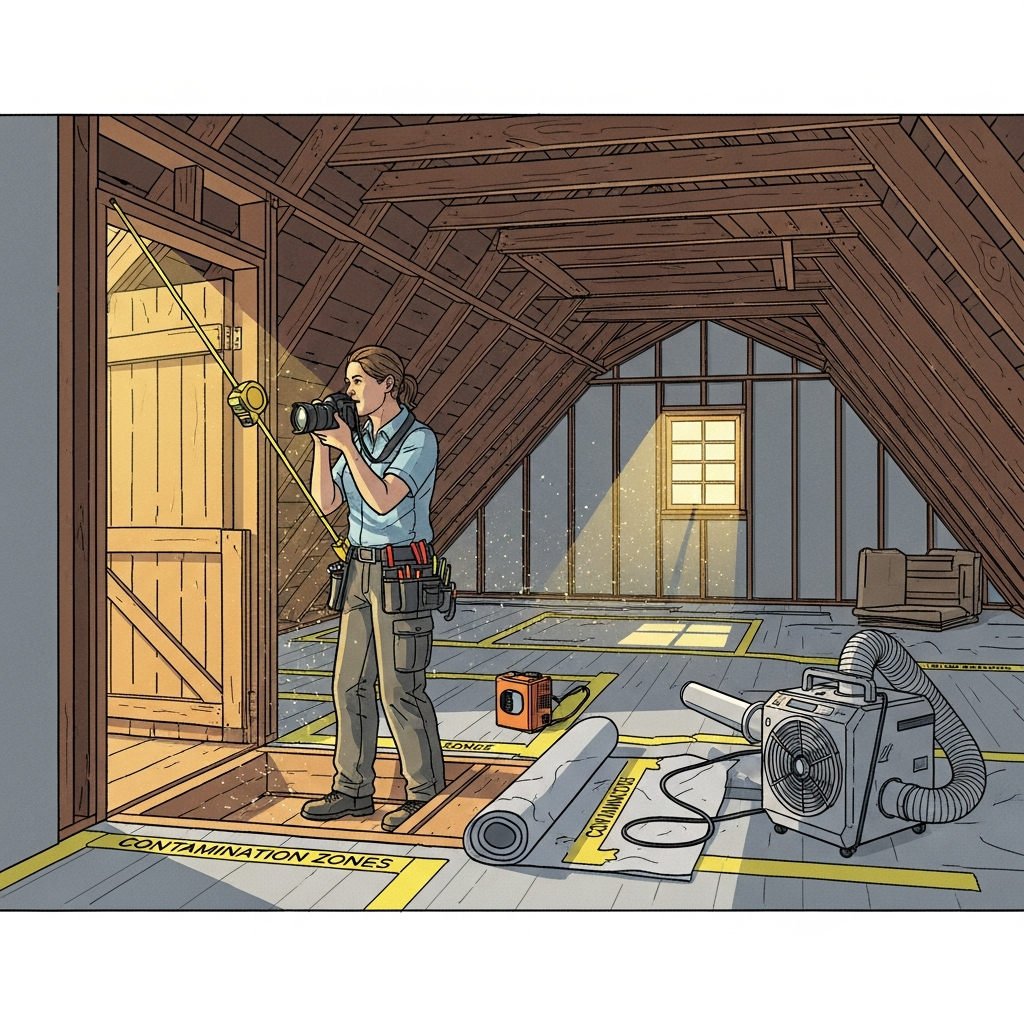
Any reputable proposal describes how your home will be protected. That includes floor coverings in the path to the hatch, sealing the opening, and running negative air machines with HEPA filtration to limit migration of dust. If older wiring or limited decking increases risk, extra measures for safe mobility are built in. These safety and protection steps are not add-ons; they are essential to a professional process that respects your home and health.
Goals: What “Clean” Means to You
Some homeowners want a fresh baseline for air quality and comfort. Others need a targeted response to rodent activity. And many plan to pair cleaning with insulation refresh or air sealing. The more ambitious the objective, the more time goes into detailed vacuuming, brushing, and treatment. The scope is customized to your priorities, and that customization is reflected in the proposal.
Documentation and Communication
Good teams show their work. Before-and-after photos, mid-project updates, and a walk-through at the end demonstrate that the attic has been cleaned thoroughly. Clear documentation takes time to capture and organize, but it gives you confidence that every corner received attention. This transparency is worth weighing when you compare options, as it speaks to accountability and pride in workmanship.
Local Realities That Influence Planning
Los Angeles presents real-world variables every week of the year. Wind events push particulates into vents. Tree canopies drop organic matter into soffits. Renovations on older homes stir up hidden dust. And in neighborhoods with lush landscaping, roof rats find food and shelter year-round. A thoughtful plan considers these realities and sets expectations for what happens after the cleaning—how to keep the attic clean, how to identify potential re-entry points for pests, and whether ventilation improvements would support a lasting result.
What a Thorough Day Looks Like
The day itself typically unfolds in a steady sequence: protect the pathway, set containment, inspect and photograph, remove soiled materials, HEPA vacuum the structure, treat targeted areas for odor neutralization when needed, and tidy the space for a clean finish. Crews coordinate bagging and removal to avoid tracking, and they keep you informed as milestones are reached. When the team departs, the home should look as untouched as it did at arrival—except for the attic, which will look and feel markedly better.
Reading Proposals with Confidence
When you review proposals, look for clarity. The best ones explain the condition of your attic in plain language, outline what will be done step by step, and specify how your home will be protected. If photos are included, study them to understand why certain steps are recommended. If something is unclear, ask. A provider that communicates well before starting is more likely to communicate well throughout the job.
Timing and Pace in a Busy City
Scheduling in Los Angeles can be its own puzzle. Good teams balance urgent needs—like addressing odors or rodent signs—with the logistics of equipment, crews, and traffic. Same day or next day responses are often available, especially after seasonal wind events, and a straightforward attic can be assessed and cleaned promptly. When a project is more complex, it may be phased, but the goal is always to deliver real relief as quickly as practical without compromising thoroughness.
Your Role in a Smooth Project
As a homeowner, you can help the day go smoothly by clearing the area beneath the attic hatch, securing pets, and pointing out any rooms where you notice odors or drafts. If parking is tight, reserving a spot near the entry shortens the path for debris removal. These small steps speed the team’s work and help ensure the day stays focused on your attic rather than on logistics.
Frequently Asked Questions
What determines the scope of an attic cleaning project?
Access, contamination type, square footage, safety considerations, and your end goals all shape the plan. The combination of these factors guides how much time and detail are required for a thorough result.
How long does a typical cleaning take?
Many Los Angeles attics can be serviced in a single day, though complex layouts or widespread contamination can extend the timeline. The priority is a clean, careful process.
Do I need to be home during the work?
It is not required, but many homeowners prefer to be available for mid-day updates and a final walk-through. A good team accommodates either approach.
Will cleaning address persistent odors?
Yes, when odors are tied to soiled materials or rodent activity, thorough removal, HEPA vacuuming, and targeted treatments are very effective. The focus is on source removal for neutral indoor air.
Can cleaning be paired with insulation improvements?
Absolutely. In fact, cleaning first provides a clean foundation for any insulation upgrades, helping them perform better over time.
How do I compare different providers?
Look for clear communication, detailed steps, home protection measures, and documentation. Proposals that explain the why behind each recommendation are easier to trust.
Ready for a Cleaner Attic and Clearer Air
If you would like a calm, well-planned day that ends with a noticeably fresher home, start by booking a professional assessment. You will receive a clear picture of what is happening overhead and a tailored plan to reset your space. When you are ready, schedule comprehensive attic cleaning so your Los Angeles home can breathe easier and your decision-making becomes simpler.