
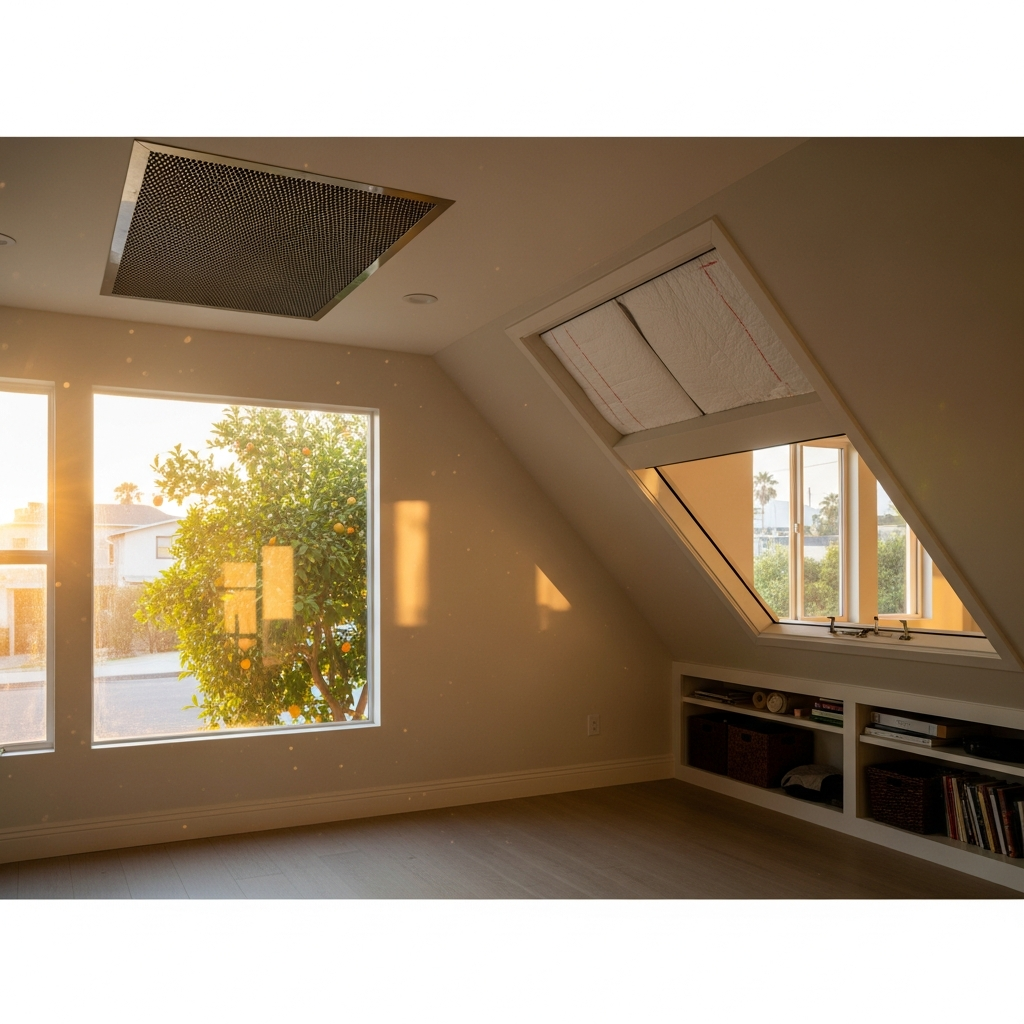
Step outside on a warm evening in Los Angeles and you can hear the soft hum of traffic, the rush of a coastal breeze, and, if you listen closely near an ivy-covered fence or a fruiting citrus tree, the quick patter of tiny feet. Living here means sharing space with wildlife, and while that’s part of the city’s character—from hillside canyons to palm-lined streets—rodents finding their way into attics and crawl spaces is one part of urban living we can do without. As a local who has spent years walking job sites from the Valley to the South Bay, I can tell you that preventing entry is not only possible—it’s one of the smartest home decisions you can make. Early in any conversation about home health, comfort, and longevity, I point neighbors to rodent proofing as a foundation for the kinds of benefits that ripple through your daily life.
Rodent proofing in Los Angeles is about far more than stopping the occasional squeak in the walls. It’s about creating a healthier indoor environment, protecting the investment you’ve made in your house, and preserving the character of your home—whether you live in a 1920s Craftsman in Highland Park, a mid-century in Sherman Oaks, a postwar bungalow near Culver City, or a contemporary build on the Westside. The city’s Mediterranean climate, with warm dry summers and mild wet winters, creates an ideal year-round backdrop for rodents to breed and explore. That means even a small gap at the roofline, a torn attic vent screen, or a chewed garage weatherstrip can serve as a revolving door. The benefits of sealing those entry points are immediate and long-lasting.
Healthier indoor air and fewer allergens
One of the least appreciated benefits of a well-sealed home is improved indoor air quality. Rodents don’t just make noise; they leave behind droppings, urine, and nesting materials that can turn dusty insulation into a reservoir of allergens. In Los Angeles, where many of us keep windows open much of the year, contaminants can circulate freely unless they are removed and the source is eliminated. Once you’ve addressed the intrusion, the home simply smells better and feels cleaner. Families often report that allergy symptoms ease, that the mysterious “old house” odor fades, and that they can finally store seasonal items in the attic without worrying about contamination. These aren’t abstract advantages; they’re felt every morning when you step into a calmer, fresher home.
Protecting your insulation and energy efficiency
Energy efficiency may not be the first thing you think of when considering rodent proofing, but in Los Angeles it belongs at the center of the conversation. Our attics, crawl spaces, and wall cavities are critical parts of the building envelope, and when insulation is compressed, contaminated, or tunneled through by rodents, its performance falls sharply. You might notice rooms that run hot in summer, cold on rare chilly nights, or an air conditioner that never seems to cycle off during a heatwave. Sealing entry points prevents that ongoing damage and protects upgrades you may have made, from fresh attic insulation to new ducts. Over time, the result is a home that maintains temperature more evenly and responds better to your thermostat, which translates into a quieter, more comfortable daily routine.
Noise reduction and better sleep
There’s a particular kind of stress that comes from hearing skittering above the ceiling in the middle of the night. It’s more than a nuisance; it breaks up your sleep and puts you on edge in your own space. Effective exclusion has a calming effect on a household. Families share how, after sealing eaves, ridge vents, and pipe penetrations, the nights become still again. In a city that can be noisy enough outside, this return to quiet is a real gift. The benefit is as emotional as it is practical: you regain the subtle sense that your home is fully yours.
Preserving rooflines, wiring, and finishes
Rodents are consummate gnawers. Left unchecked, they can chew on wiring jackets, nibble at flexible ducts, and burrow through acoustic insulation around recessed lights. In the coastal neighborhoods where marine layer moisture can linger and in the canyons where vegetation hugs the eaves, small breaches accelerate quickly. The benefits of rodent proofing here are simple: you protect sensitive systems before they need repair. Even small actions—like reinforcing gable vents with galvanized mesh, securing gaps around conduits, and replacing deteriorated screens—pay off by preventing damage to things you can’t easily see but rely on every day. Electricians and HVAC pros will tell you: a clean, sealed attic is a happier, safer mechanical space.
Comfort and peace of mind across LA’s microclimates
Los Angeles is really a patchwork of microclimates. In Woodland Hills, summer heat lingers late; in Venice, salt air and fog roll in; in Pasadena, dry fall winds can press into attic vents. These variations influence how rodents move and where they seek shelter. A benefit of professional-grade exclusion is that it’s tailored to your home’s microclimate and building style. On the Westside, that might mean paying special attention to corrosion-resistant materials; in the hills above Glendale, where steep slopes lead to elevated decks and complex rooflines, it could mean a focus on soffits and difficult-to-reach eave returns. The upshot is a home that feels custom-fit to its environment, and a homeowner who sleeps better because the plan accounts for local conditions.
Cleaner storage and fewer surprises
Attics in LA tend to become catchalls—holiday bins, old files, baby gear passed down to cousins, studio gear, the surfboard you intend to wax again. When rodents visit, they turn that storage into a puzzle of what’s safe to keep and what needs to be thrown away. Rodent proofing restores predictability. It’s striking how quickly a sealed attic settles into a tidy rhythm: bins stay clean, insulation remains undisturbed, and the occasional creak is just the house breathing, not a visitor setting up a nest near the chimney chase. That calm saves you time and hassle every season.
Food safety and kitchen serenity
Few places feel more personal than the kitchen, and in LA’s open-plan homes, the kitchen often flows into family rooms and dining spaces. Rodent proofing benefits your kitchen in straightforward ways. With pantry gaps and wall penetrations sealed, droppings on shelves become a thing of the past, and you don’t have to store everything in plastic tubs out of fear. That change ripples through how you cook and entertain. Suddenly, weekend brunch or a late-night taco spread after a Dodger game is just fun again, with no second thought about what might be hiding behind the toe-kick under the sink.
Reducing odors and improving daily comfort
Strange odors can sour your relationship with a home. In older LA houses—especially those with crawl spaces that open to garden beds—rodent activity can produce musty or ammonia-like smells that seem to come and go. Proper exclusion, followed by a thorough cleanup, stops the source so you can stop chasing candles and sprays. The benefit is literal breathing room. When you walk in after a long day, the air feels neutral and light, not heavy with the memory of last season’s nest tucked behind a flue.
Safeguarding families with kids and pets
Across Los Angeles, kids tumble in and out of back doors, and dogs patrol yards with heroic enthusiasm. Rodent proofing benefits the whole household by minimizing exposure to droppings and parasites and by limiting the curiosity factor for pets. It also reduces the chance of nighttime critter encounters that can stress sensitive pets or wake up the entire house with a flurry of barking. Parents often mention the relief of knowing their toddler won’t stumble upon contaminated storage in the garage or an attic access panel with telltale dust.
Enhancing curb appeal and neighbor harmony
Another overlooked benefit: the exterior improvements that come with exclusion often boost curb appeal. Tidy, reinforced vents, neatly sealed utility penetrations, and attic exhausts re-screened with durable materials make the home look cared for. On some blocks, one homeowner’s efforts can even inspire a wave of upgrades. Rodents are opportunists, and when several nearby houses button things up, everyone benefits. In neighborhoods with mature fruit trees or shared fences, that collective effort is powerful.
Resilience during seasonal shifts
Every Angeleno knows the rhythm: late summer heat, the first hint of rain, the occasional Santa Ana wind event that whips through eaves. Rodent activity ramps up with those shifts. Exclusion raises your home’s resilience by preempting those seasonal surges. Think of it like weatherproofing for wildlife behavior: by sealing gaps before the rains, reinforcing roofline transitions before the winds, and maintaining attic hygiene year-round, you guide the seasons instead of reacting to them. Midway through any comprehensive home health plan, I always remind clients how much steadier life feels when you’ve taken control of the envelope. If you’re looking to start with one action that pays dividends, exploring professional rodent proofing in Los Angeles is a strong, proven step.
Respecting architecture while improving performance
Los Angeles is a museum of residential styles: Spanish Revival with deep eaves and mission tile, Streamline Moderne with clean lines, classic ranch homes with generous gables. Sensitive rodent proofing respects those details. The benefit is twofold: you keep the home’s personality intact while bringing it up to a higher performance standard. On historic homes, this might mean custom-painted vent covers and discreet mesh behind decorative grilles. On contemporary builds, it might mean a nearly invisible line of sealant at a parapet cap or carefully cut flashing at a roof-to-wall joint. The work is precise and tailored, which is why the results are satisfying to homeowners who love their architecture.
Confidence during remodels and ADU conversions
Remodels and ADUs are part of LA’s housing DNA. Whether you’re converting a garage in Mar Vista or opening a kitchen in Silver Lake, there’s always a moment when walls and ceilings are open and you discover evidence of past visitors. Building rodent proofing into renovation plans creates long-term benefits by baking exclusion into the framing stage. Once your finishes are on, the hidden layers are as important as the tile and paint you can see. That intentional approach makes the finished space feel complete from day one.
Lower maintenance, fewer surprises, and a calmer routine
Once a home is sealed and cleaned, everything downstream gets easier. Seasonal maintenance becomes a predictable checklist rather than a scramble. You can plan attic checks with the same cadence as gutter cleaning or HVAC filter changes and find very little to do. There’s a subtle dignity in that stability—your home becomes a supportive backdrop to life instead of a source of worry. For busy Angelenos juggling commutes, school schedules, and weekend trips to the beach or mountains, that steadiness is priceless.
Choosing materials that stand up to LA conditions
The materials used in exclusion matter. In coastal zones, stainless or galvanized components fend off corrosion. Under hot valley summers, UV-stable sealants and rodent-resistant screens keep their shape. The benefit to you is longevity; quality materials mean fewer callbacks and a system that works through many seasonal cycles. In a city where sun, wind, and occasional downpours take turns testing our homes, thoughtful material selection is a quiet but powerful advantage.
Peace of mind when you travel
Los Angeles is a launching pad—to Big Bear for snow, to the desert for a long weekend, or across the world from LAX. When you travel, a sealed home offers peace of mind. You’re less likely to return to surprises, and neighbors checking in will have little to report beyond the mail they brought inside. This intangible benefit matters more than many expect. A home that looks after itself gives you permission to fully enjoy time away.
What success feels like in a sealed home
I’ve had homeowners call weeks after a project just to say how different the house feels. The silence at night, the lack of mystery odors, the way the HVAC cycles less dramatically—all small shifts that add up to a big change. The benefits of rodent proofing become part of daily life to the point where you almost forget about them, which is the ultimate compliment. A good system fades into the background and lets you get on with living.
FAQ
How long do rodent proofing results typically last in Los Angeles homes?
When done thoughtfully with durable materials, results can last for many years. The key is periodic inspection, especially after major wind events or rain, to confirm that screens, sealants, and flashing remain intact. In most LA neighborhoods, light seasonal checks are all you need to preserve the benefits.
Will exclusion change the look of my house?
Properly executed work blends in. Reinforced vent covers can be painted to match, and mesh can sit behind existing grilles. On historic homes, custom solutions maintain character while closing gaps. Most homeowners tell me friends can’t spot the changes unless they know exactly where to look.
Do I need to replace attic insulation after an infestation?
It depends on the level of contamination. Light surface activity may be addressed with targeted removal and sanitation, but widespread tunneling and soiled batts often warrant full replacement. The benefit of starting fresh is that you restore both cleanliness and thermal performance at once.
Is rodent proofing safe for pets and kids?
Yes, exclusion focuses on physical barriers and construction details rather than relying on baits. That approach is family-friendly, especially when paired with careful cleanup and sanitation. Your home becomes safer precisely because you remove attractants and pathways.
Can landscaping affect rodent activity?
Absolutely. Dense ivy, fruiting trees, and overhanging branches provide highways to rooflines. Trimming and thoughtful plant selection complement exclusion work and help preserve the benefits long term. Exterior hygiene and interior sealing go hand in hand in LA’s climate.
How often should I schedule inspections?
After initial sealing and cleanup, a quick check each season is a strong habit. Look at vent screens, door sweeps, and roof-to-wall joints, and listen for changes. Most well-sealed homes remain quiet and clean with only occasional touch-ups.
If you’re ready to experience a home that smells fresher, feels quieter, and protects the systems you depend on, now is the moment to act. Start by walking the perimeter, peeking into the attic, and noting what you see and hear. Then, bring in a team that knows our city’s microclimates and building styles. For guidance tailored to Los Angeles neighborhoods—and to connect with pros who live and work here every day—reach out and explore professional rodent proofing so your home can support the life you love in this city we all share.