
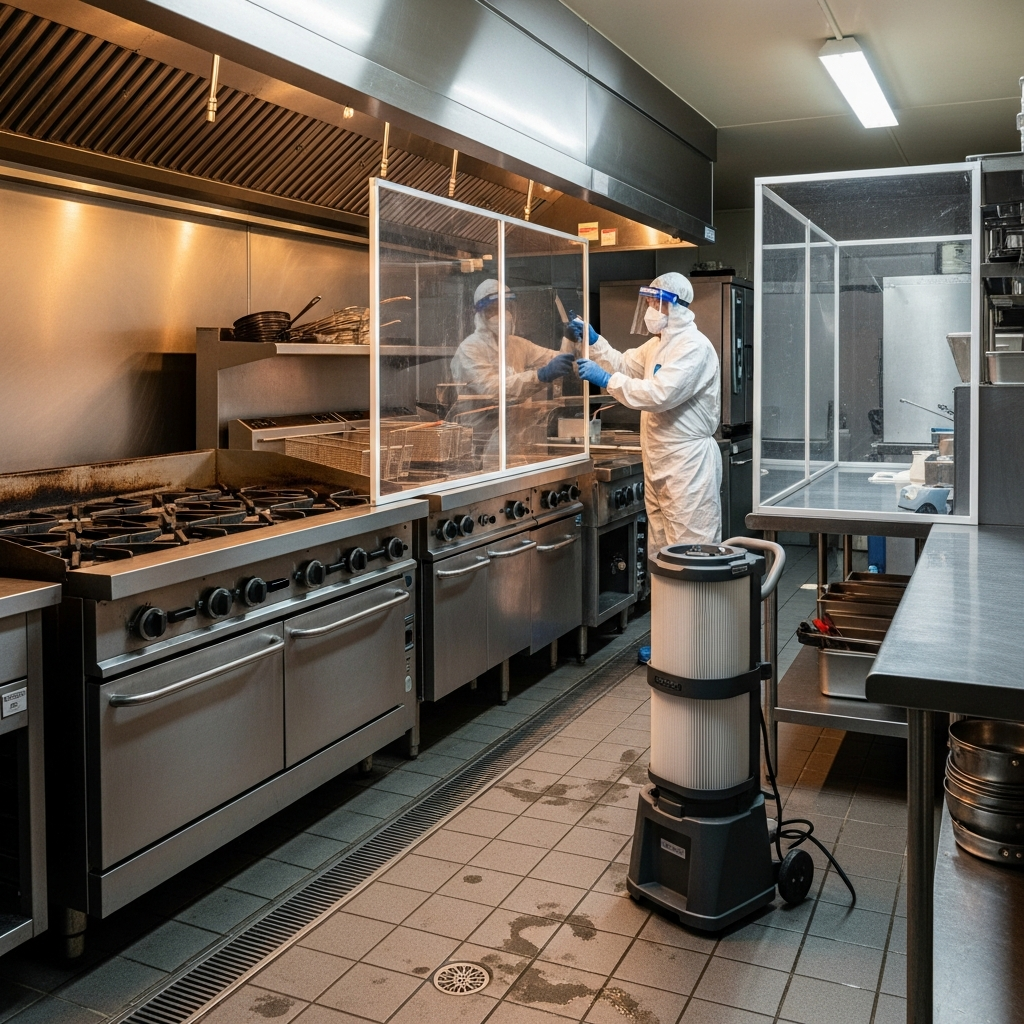
In Los Angeles, commercial properties—from boutique restaurants in Silver Lake to logistics warehouses near the port—require a rigorous approach to rodent sanitation. The challenge isn’t just eliminating a population; it’s restoring an environment that meets health expectations, supports operations, and stands up to the city’s fast pace and varied microclimates. With inspectors, tenants, and customers all paying attention, the quality and sequence of sanitation work can distinguish a thriving facility from one constantly firefighting issues.
Commercial Pressures in an LA Context
Los Angeles combines high foot traffic, dense food ecosystems, and older infrastructure. Alley bins behind restaurants, shared dock spaces, and aging utility penetrations in older buildings create perfect conditions for rodents to travel and nest. Seasonal patterns matter, too. Summer heat drives rodents to cool basements and shaded voids; winter rains nudge them inside. Understanding these dynamics allows facility managers to prioritize sanitation that aligns with operations schedules, deliveries, and tenant use patterns.
Commercial sites also present unique airflow and waste-handling challenges. From make-up air systems in kitchens to the high volume of cardboard in retail backrooms, sanitation plans must be tailored not just to the building, but to how the building works during peak hours.
The Professional Sequence
Effective commercial sanitation follows a disciplined order: assess, contain, remove, disinfect, deodorize, exclude, restore, and verify. Skipping steps leads to recurring odors, tenant complaints, and re-infestation. In practice, that means staging work to avoid service disruptions, coordinating with security for after-hours access, and communicating milestones so stakeholders know when areas will be sealed or reopened.
Containment is especially important. HEPA air scrubbers, poly barriers, and negative air zones protect adjacent spaces from dust and odors. Waste is bagged and transferred along planned routes to avoid contaminating loading docks or customer paths. This choreography is the difference between a quiet, effective project and a disruptive one.
Attuned to Facility Types
Restaurants and food processing sites require intense focus on floor-wall junctions, equipment legs, drains, and under-equipment voids. Retail and office buildings need attention at delivery bays, trash compactor areas, and ceiling plenum spaces where cabling creates rodent highways. Warehouses present challenges at dock doors, pallet storage zones, and racking that can hide nesting materials. Healthcare and hospitality properties add expectations around quiet work, infection control, and immediate odor relief.
Each facility type comes with different schedules and sensitivities. A successful provider respects these realities and sequences sanitation to minimize downtime while achieving verifiable results.
Disinfection and Deodorization at Scale
In commercial settings, disinfectants must be chosen and applied to balance efficacy with material compatibility and worker safety. Crews track dwell times and ventilation cycles in logs, ensuring that each zone reaches target conditions before moving on. Deodorization follows removal and disinfection, targeting urine residues along travel routes like baseplates, drop-ceiling tracks, and utility corridors. Air handling units are a special focus; if plenums or returns are contaminated, odors can cycle endlessly through the building.
Ventilation strategies adapt to building systems. Temporary negative air, enhanced exhaust, or staged fresh-air flushes may be used to clear spaces quickly and keep operations moving. The aim is clean spaces that not only meet standards but also feel fresh to staff and customers.
Exclusion and Structural Resilience
Sanitation success depends on exclusion that respects the building’s wear-and-tear. Commercial doors with damaged sweeps, dock leveler gaps, and penetrations behind equipment can unravel the cleanest job if left open. Pros install chew-resistant materials, seal transitions between building additions, and reinforce vulnerable zones like trash compactor chutes and mechanical rooms. In older LA buildings, sealing often uncovers forgotten pathways that get addressed alongside the main work.
Outside, habits matter. Coordinating trash schedules, lid discipline, and cardboard breakdown policies keeps exterior pressure low. Landscaping around foundations, grade-level utility chases, and alley access points all receive attention so sanitation indoors isn’t constantly challenged by conditions outside.
Documentation and Verification
Commercial stakeholders expect transparency. A well-run project produces photo logs, zone maps, chemical use records, and clearance notes before restoration proceeds. This documentation proves that the rodent sanitation services were performed to a professional standard and gives future teams a roadmap for maintenance.
Verification can include odor checks, particle counts during demolition, and follow-up inspections after a week of normal operations. If issues reappear, logs make it easy to pinpoint causes and correct them quickly.
Restoring Clean Operations
Once spaces are verified, restoration closes the loop—reinstalling ceiling tiles, reinsulating mechanical rooms, and returning equipment to service. It’s an opportunity to add small improvements such as sealed conduits, better door sweeps, or splash zones around drains that eliminate standing moisture. These finishing touches stabilize cleanliness and prevent a slide back into reactive mode.
Staff training is part of restoration. Custodial teams learn how to maintain sanitized areas, what early-warning signs look like, and which work practices undermine sanitation, like storing cardboard directly on floors or propping service doors open.
LA-Smart Scheduling
Commercial calendars can be brutal. Experienced providers coordinate work during lulls—between meal services, on inventory days, or overnight—so tenants and customers feel minimal impact. Weather matters, too. Coastal fog and inland heat affect drying times and ventilation strategies. An LA-smart schedule respects both building systems and the city’s rhythms.
FAQs
How quickly can a commercial facility be sanitized after an infestation?
With proper planning, assessment can start immediately and initial removal and disinfection can begin within days. The exact timeline depends on access, operations schedules, and the extent of contamination.
Do we need to shut down operations during sanitation?
Not necessarily. Many projects proceed in phases or during off-hours with containment protecting adjacent areas. Coordination with management is key to balance speed and discretion.
What documentation should we expect?
Look for inspection notes, photo logs, material safety data, chemical use records, and a map of treated zones. This package supports internal audits and helps with future maintenance planning.
Will odors persist after commercial sanitation?
When removal, disinfection, and deodorization are completed with adequate dwell and ventilation times, odors should resolve. If smells linger, the team will revisit hidden voids or HVAC pathways to locate missed sources.
How do we prevent re-entry in high-traffic areas?
Reinforce door sweeps, seal dock leveler gaps, and maintain strict waste-handling routines. Staff training to keep doors closed and manage cardboard and food waste is essential in busy facilities.
Are there LA-specific considerations we should plan for?
Yes. Microclimates, older building stock, and alley-based waste systems shape both risks and solutions. Work with a provider who knows the city’s building quirks and can time sanitation around local weather and operations.
Keep your facility clean, compliant, and welcoming
If your property needs a rapid, decisive response that minimizes disruption and delivers verifiable results, partner with a local team that understands commercial operations across LA. We plan around your schedule, document every step, and combine exclusion with restoration for durable outcomes. Contact us to coordinate trusted rodent sanitation that aligns with your facility’s goals.