
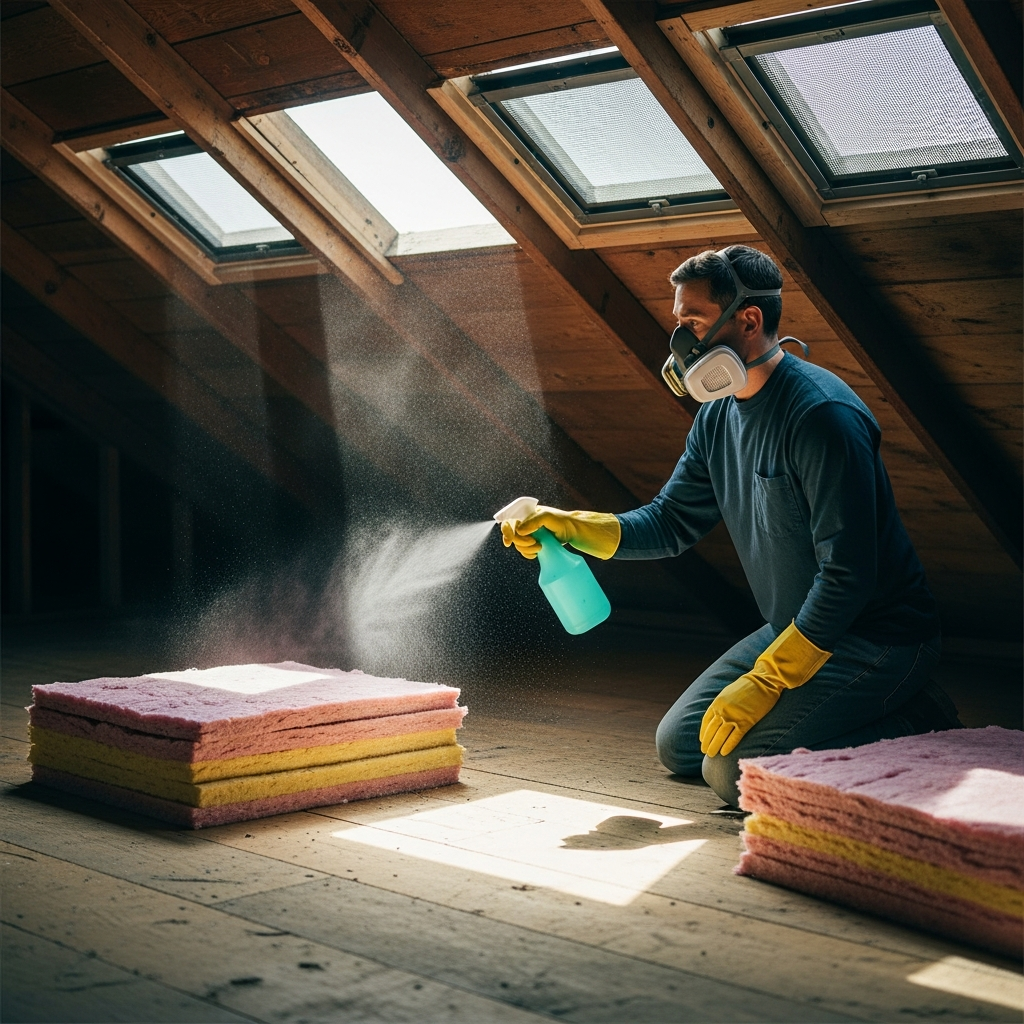
In Los Angeles, where older bungalows meet new infill housing and backyard fruit trees set a seasonal table, effective rodent sanitation is the difference between a quick fix and a durable solution. Cleanup isn’t only about removing what you can see; it’s about breaking the cycle of scent cues, allergens, and access that keeps drawing rodents back. Having worked in attics overlooking the Hollywood Hills and crawl spaces near the coast, I’ve distilled a set of guidelines that respect how LA homes actually function—how air moves, how materials age, and how neighborhoods share habits and alleys.
Guideline 1: Verify the Problem Is Truly Resolved
Before deep cleaning, confirm there’s no ongoing activity. In Los Angeles, activity can spike after winter rains or during summer heat waves. Use monitoring stations or a brief professional check to ensure you’re not cleaning under active conditions. If traps or monitoring baits still show interest, wait and reassess. Sanitation is most effective when it follows successful control and exclusion.
Keep a simple log of where you see droppings or hear movement. In kitchens, note under-sink cabinets and behind the range. In garages, watch baseplates and stored cardboard. In attics, check around can lights and utility penetrations. This map becomes your cleaning blueprint.
Guideline 2: Protect Yourself and Control Dust
Rodent debris isn’t like ordinary dust. Use gloves, a properly rated respirator, and eyewear. Lightly mist surfaces before removal, and rely on HEPA filtration rather than sweeping. In crawl spaces, pace yourself—Valley heat or midday sun can make conditions tough. Methodical work reduces airborne particulates and keeps indoor air stable while you clean.
Bag waste at the source, double-bag heavier materials, and avoid leaving debris in open bins or shared alleys overnight. The faster you move waste from the home to disposal, the lower the risk of recontamination.
Guideline 3: Remove the Source First
Start with nests and the heaviest soil. In attics, that often means isolating and removing sections of contaminated insulation. In wall cavities opened for repairs, vacuum and treat before closing. Behind appliances—especially the refrigerator and range—expect to find droppings and oily rub marks. Removing these hotspots cuts odor at the root and prepares surfaces for effective disinfection.
Don’t forget HVAC spaces and returns. If attic air communicates with living areas through leaky can lights or unsealed chases, contaminants can circulate long after you’ve cleaned visible surfaces. Address these exchanges to achieve a real reset.
Guideline 4: Disinfect With Dwell Time and Purpose
Apply disinfectant to travel routes—joists, sill plates, baseboards, and around penetrations. Allow the product the time it needs to work. Wipe or vacuum again only after dwell time is met. Follow with targeted deodorization that binds urine and oil residues. In our coastal neighborhoods, time this work to drier parts of the day; inland, mornings often offer the best balance of temperature and humidity.
Ventilation is part of disinfection. A well-timed cross-breeze helps carry away volatile odors and speeds drying without trapping moisture in wood or drywall.
Guideline 5: Exclude Before You Rebuild
Never reinstall insulation or close voids until you’ve sealed entry points. In LA homes, common gaps appear at stucco-to-fascia transitions, garage door sweeps, weep holes, and foundation penetrations for gas or water lines. Use chew-resistant materials like metal flashing and hardware cloth. Foam can be a helpful sealant but should be paired with a physical barrier because rodents can chew through foam alone.
This sequence—remove, disinfect, deodorize, exclude, then restore—turns a one-time cleanup into long-term sanitation.
Guideline 6: Restore With Airflow in Mind
When you reinsulate, choose materials that perform in your microclimate. Coastal homes benefit from products that manage humidity, while hotter inland zones demand higher R-values to ease attic temperature swings. Restore ventilation pathways—clear soffits, screened gables, and balanced exhaust—to keep attics and crawl spaces less appealing to rodents seeking still, warm air.
Document your work. Photos of sealed penetrations and notes about products and dwell times make maintenance simpler and help any future professional quickly understand what’s been done.
Guideline 7: Adjust Habits Indoors and Out
Post-cleanup routines sustain your results. Rinse recyclables, close bin lids, and store pet food in sealed containers. Harvest or remove dropped fruit, trim foliage away from foundations, and avoid stacking cardboard in garages. In dense neighborhoods with shared alleys, coordinate with neighbors so sanitation isn’t undone by a single overflowing bin. These habits reduce the outdoor pressure that otherwise pushes rodents back inside.
Guideline 8: Time Your Work to LA’s Weather
Choose drier days for crawl space work, mornings for inland attics, and afternoons after marine layer burn-off near the coast. Weather-sensitive scheduling helps disinfectants achieve full dwell and promotes complete drying, which in turn makes odor control more effective.
When to Call Professionals
DIY can be effective for small, contained problems, but professional help is wise when you see widespread droppings, strong odors, contaminated insulation, or access issues. Crews with HEPA vacuums, containment systems, and experience in Los Angeles homes can move quickly without spreading contaminants. They also integrate exclusion and restoration so you aren’t left with a clean space that’s still vulnerable.
The Middle Phase Matters
There’s a moment between debris removal and restoration where results are set in stone—or lost. Verify that disinfectants have dried, odors have been neutralized, and penetrations are sealed. This is also the right time to decide on insulation type and plan for any upgrades like sealing can lights or adding attic hatch gaskets. If you want your rodent sanitation services to hold up through the next season, don’t rush this checkpoint.
Neighborhood Nuances Across LA
Every part of Los Angeles adds a twist. In coastal zones, salt air and humidity can complicate drying. In canyon neighborhoods, overhanging branches and decks create aerial pathways to rooflines. In dense urban streets, alley bins and shared dumpsters are constant attractants. Tailoring your sanitation plan to these realities—rather than following a generic checklist—makes your work more efficient and enduring.
FAQs
How do I know if I need full attic remediation?
If droppings and urine staining extend beyond a small area, if odors persist after surface cleaning, or if attic air communicates with living spaces through vents or light fixtures, full remediation often makes sense. Targeted removal can work for truly localized issues.
What’s the safest way to clean small areas myself?
Wear gloves and a respirator, mist lightly to control dust, and use HEPA-filtered vacuums. Bag waste at the source and wash up immediately. If you encounter nests or heavy contamination, pause and consider professional help.
Will deodorization alone stop rodents from coming back?
No. Deodorization removes scent cues but doesn’t block entry. Pair it with exclusion and habit changes to achieve lasting results.
Can I clean during rainy spells?
You can, but allow extra drying time and increase ventilation. In damp coastal neighborhoods, aim for windows of lower humidity. Timing matters as much as the cleaning itself.
How often should I reinspect after cleanup?
Monthly quick checks for the first quarter after cleanup are smart—peek under sinks, behind appliances, and in access hatches. If all stays quiet, move to seasonal inspections aligned with LA’s weather shifts.
Do attic fans or whole-house fans affect sanitation?
They can. If fans or leaky fixtures exchange air between attics and living spaces, sanitation must be thorough or odors and particulates may persist. Sealing and proper insulation help maintain a clean separation.
Let’s put your guidelines into action
If you’re ready to move from theory to a clean, healthy home, we can help you plan and execute a step-by-step approach that fits your neighborhood and house style. From verification and debris removal to deodorization, exclusion, and restoration, our team brings local insight to every decision. Reach out today to schedule a visit and secure reliable rodent sanitation for your Los Angeles property.