
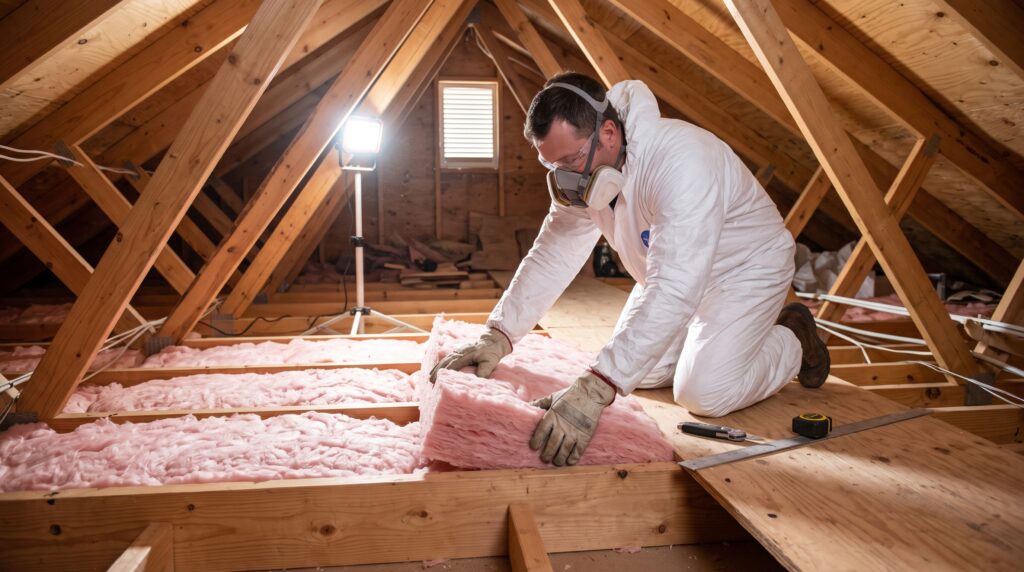
A comfortable home starts with proper insulation. When indoor air escapes through walls, ceilings, or attics, maintaining a consistent temperature becomes more difficult. Professional Insulation Installation helps regulate indoor temperatures, reduce unwanted heat transfer, and create a more comfortable living environment throughout the year. With the right materials and expert installation, homeowners can improve energy efficiency while protecting their property’s long-term performance.
Poor insulation often causes rooms to feel too hot during summer and uncomfortably cold during cooler months. These temperature fluctuations can force heating and cooling systems to work harder than necessary. Proper insulation addresses these problems by creating a more effective thermal barrier that limits heat movement between indoor and outdoor spaces.
How Insulation Installation Improves Indoor Comfort
Effective insulation helps maintain stable indoor temperatures by slowing heat transfer through the building envelope. During hot weather, quality insulation reduces the amount of outdoor heat entering your home. During cooler conditions, it helps retain indoor warmth and minimizes temperature fluctuations.
Professional Insulation Installation begins with evaluating the areas that need coverage, including attics, walls, ceilings, and other spaces where heat can escape or enter. Selecting suitable insulation materials and installing them correctly helps eliminate gaps that compromise thermal performance.
Air sealing also plays an important role. Small openings around pipes, wiring, and structural joints can allow conditioned air to escape. Addressing these gaps alongside insulation improves temperature consistency and helps create a more comfortable environment for everyone inside.
Energy Efficiency and Long-Term Insulation Performance
A well-insulated home can reduce the workload on heating and cooling equipment. When indoor temperatures remain more stable, HVAC systems may cycle less frequently, supporting energy efficiency and consistent comfort. Actual savings depend on the home’s existing insulation, climate, ventilation, and equipment performance.
Proper installation also helps protect the building from moisture-related problems. Professionals must consider local conditions and install appropriate vapor control and ventilation measures where needed. These details help prevent condensation and preserve the performance of surrounding building materials.
Regular inspections can identify damaged insulation, uncovered areas, or signs of moisture intrusion before they affect performance. Investing in professional Insulation Installation provides a practical way to improve indoor comfort and support the long-term efficiency of your property.
Frequently Asked Questions
How does insulation keep a home comfortable year-round?
Insulation slows heat transfer, helping keep indoor spaces cooler in hot weather and warmer during cooler conditions.
Which areas of a home need insulation?
Attics, exterior walls, ceilings, and other parts of the building envelope may benefit from insulation, depending on the home’s construction and existing coverage.
Can insulation help reduce energy consumption?
Yes. Effective insulation can reduce heating and cooling demand by helping maintain more consistent indoor temperatures.
How do I know if my home needs new insulation?
Uneven room temperatures, persistent drafts, high energy use, and visible insulation damage may indicate that an inspection is worthwhile.
Improve your home’s comfort with insulation designed around your property’s needs. Professional Insulation Installation helps maintain stable indoor temperatures, supports energy efficiency, and creates a more comfortable space for your family throughout the year. Contact an experienced insulation professional to evaluate your home and determine the right solution.