
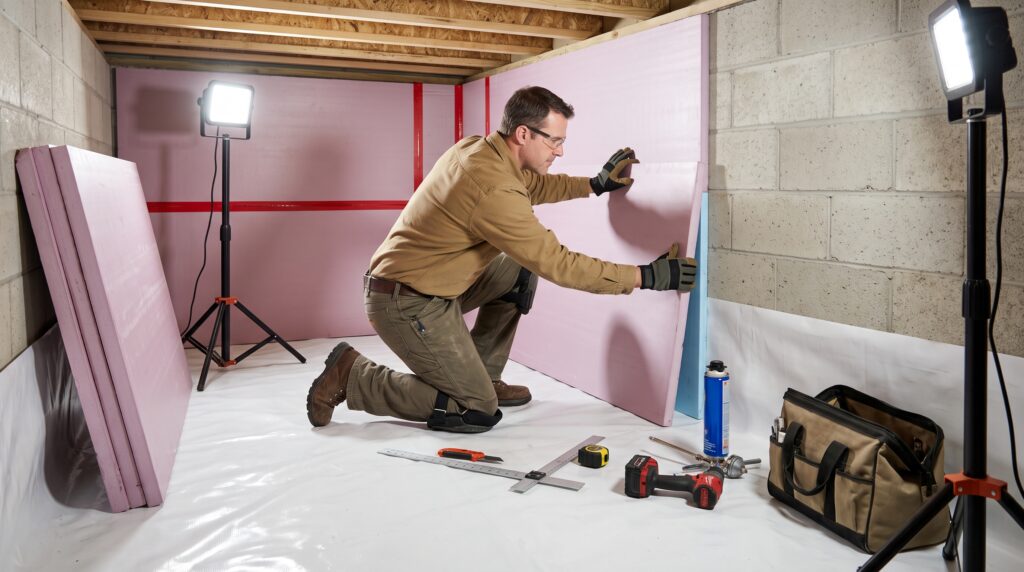
A comfortable home starts with consistent indoor temperatures and protection from unwanted drafts. When warm air escapes during cooler weather or outside air enters through gaps in walls, ceilings, and other areas, your heating system must work harder to maintain a pleasant environment. Professional Insulation Installation helps reduce heat transfer, improve indoor comfort, and create a more energy-efficient living space throughout the year.
Even well-maintained homes can develop insulation problems over time. Settling materials, uncovered gaps, and poorly insulated areas can allow conditioned air to escape. Identifying these issues and choosing the right insulation solution can make a noticeable difference in how your home feels every day.
How Insulation Helps Prevent Heat Loss
Heat naturally moves from warmer areas toward cooler ones. During cold weather, indoor heat can escape through the attic, exterior walls, floors, and other parts of the building envelope. Without adequate insulation, your home may lose warmth quickly, leaving some rooms uncomfortable despite running the heating system.
Quality insulation slows this process by creating a barrier that reduces heat transfer. Different materials offer different performance characteristics, so the best option depends on your home’s structure, climate, and existing insulation. Fiberglass, cellulose, and spray foam are common choices, each with specific installation requirements and benefits.
Professional Insulation Installation also focuses on coverage. Insulation must fit the intended space correctly, without significant gaps or compressed areas that reduce its effectiveness. A careful installation helps maintain more consistent temperatures and supports better overall home performance.
Reducing Drafts and Improving Indoor Comfort
Drafts often occur when outside air enters through openings around windows, doors, attic access points, plumbing penetrations, or electrical fixtures. Although insulation can help limit heat loss, it does not automatically seal every air leak. For the best results, insulation improvements should be paired with appropriate air sealing wherever needed.
If certain rooms feel colder than others, your home may have uneven insulation coverage or air leakage. Cold floors, chilly exterior walls, and noticeable temperature changes near ceilings can also indicate areas that deserve attention. An inspection can help identify the source of the problem rather than relying on guesswork.
A properly planned Insulation Installation project considers both thermal resistance and airflow. Addressing these factors together helps reduce uncomfortable drafts, supports more stable indoor temperatures, and allows heating and cooling equipment to operate more efficiently.
Why Professional Installation Matters
Installing insulation involves more than placing material inside a wall or attic. Contractors must consider ventilation, moisture control, existing building materials, and the recommended insulation level for each area. Incorrect installation can leave thermal gaps or contribute to moisture-related problems, especially when air leaks and ventilation issues remain unresolved.
A professional assessment helps determine whether existing insulation needs replacement, additional coverage, or targeted repairs. It can also identify areas where air sealing may provide important benefits. Choosing suitable materials and installing them according to the home’s requirements helps support long-term performance.
Frequently Asked Questions
Can insulation prevent cold drafts completely?
Insulation can reduce heat loss and improve comfort, but it may not eliminate drafts caused by air leaks. Sealing gaps around openings and building penetrations is often necessary for the best results.
Where does a home usually lose the most heat?
Attics and roofs are common sources of heat loss, particularly when insulation is insufficient. Exterior walls, floors, windows, and doors can also contribute depending on the home’s design and condition.
How do I know if my home needs new insulation?
Uneven room temperatures, persistent drafts, cold surfaces, and heating or cooling systems that run frequently may indicate insulation or air leakage issues. An inspection can help identify the underlying cause.
Can insulation help during warm weather too?
Yes. Insulation slows unwanted heat from entering the home during hot weather, helping indoor spaces remain more comfortable and reducing the demand on air conditioning.
Improve your home’s comfort by addressing heat loss and unwanted drafts before they become ongoing frustrations. A professional assessment can help identify weak spots and determine the right solution for your property. Invest in reliable Insulation Installation to create a more comfortable indoor environment and support better energy efficiency throughout the year.