
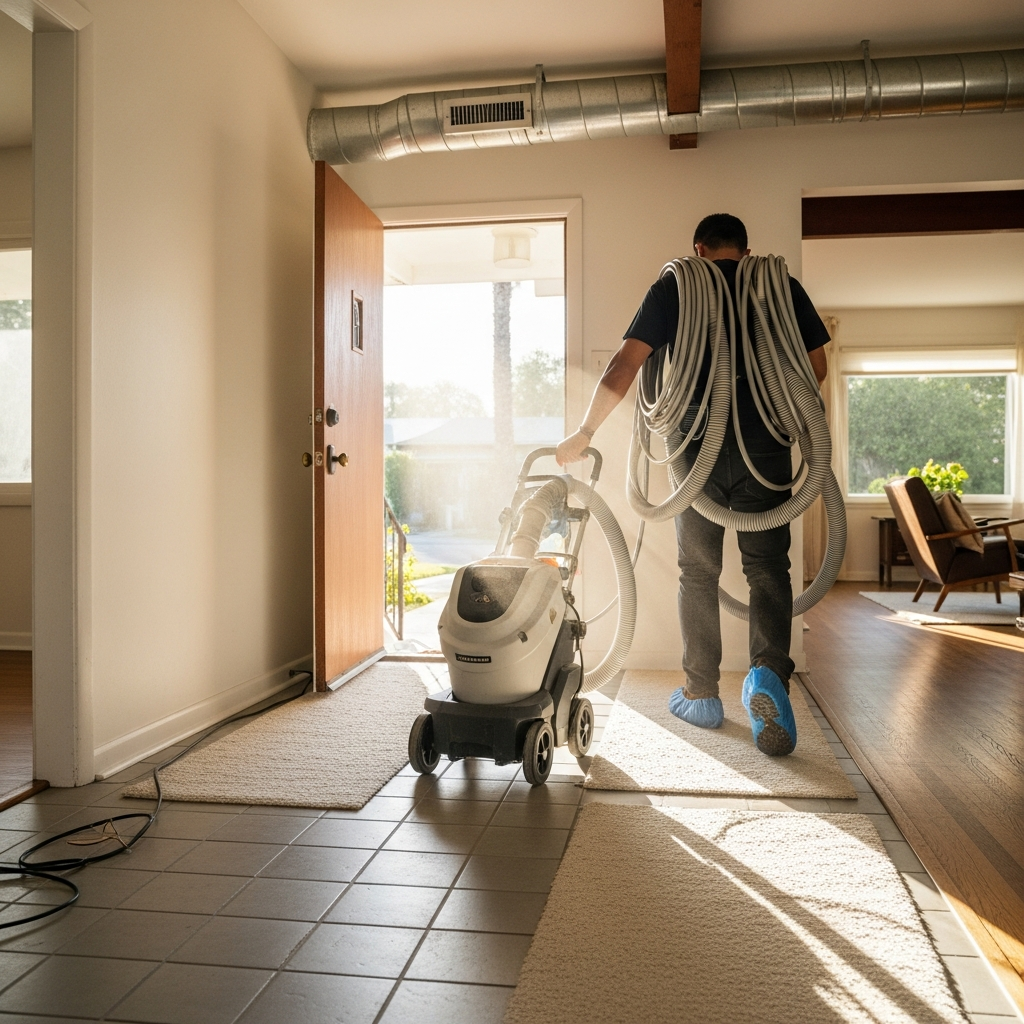
When you search for air duct cleaning services “near me” in Los Angeles, you’re really looking for a team that understands the city’s rhythms as well as your home’s. Proximity matters in a town where a five-mile drive can take fifteen minutes on a good day or nearly an hour at the wrong time. But closeness alone isn’t enough; the right provider brings neighborhood savvy, careful planning, and craftsmanship that respects both your space and your schedule. From compact bungalows near Culver City to airy lofts downtown and multistory homes tucked into Laurel Canyon, the diversity of L.A. homes demands a thoughtful approach. As a local, I’ve watched how the best crews adapt their day to the location, the layout, and your lifestyle so you end up with a home that breathes easier without the appointment taking over your week. It starts with clarity about what a proper air duct cleaning involves and why your neighborhood context plays such a big role.
Why “near me” matters in Los Angeles
Every Angeleno learns this quickly: the clock follows traffic patterns as much as the hour hand. A company truly near you doesn’t just share your ZIP code; it understands which streets clog by 8 a.m., where parking tightens after school drop-offs, and how long it takes to move equipment safely from a truck to your front door. That awareness adds up to calmer arrivals, smoother setups, and more of the appointment focused on what you hired the team to do—attentive cleaning that follows the entire path your air travels.
Neighborhood familiarity also brings an instinct for access challenges. A Venice walk street calls for discreet equipment staging and extra care moving hoses through a side gate. A Mount Washington hillside home might demand secure ladder placement and steady footing as crews navigate steps. Downtown lofts are straightforward in some ways—elevators, loading docks, exposed ducts—but often require impeccable finishing because everything is on display. When a provider has worked these pockets for years, they arrive already thinking three steps ahead.
Homes across L.A. and what they need
Los Angeles housing stock reads like a design history tour. Craftsman homes in the central neighborhoods, Spanish revivals from the 1920s and ’30s, postwar ranches in the Valley, sleek mid-century builds from Pasadena to the Palisades, and new infill on tucked-away lots all exist within a few freeway exits. Each style hides its own ductwork story. Classic builds may have retrofitted systems with tight chases and layered materials. Modern designs might feature longer runs tucked above high ceilings or split systems that serve different wings of the home. The more your provider understands these patterns, the better they can translate an initial walkthrough into a precise plan for agitation, capture, and verification.
It’s not only the architecture. Lifestyle shapes the work, too. Pets add dander and hair to the mix. Home cooking, especially in open plans, spreads a subtle film that eventually finds returns. Renovations—frequent in this town—leave dust that threads itself into elbows and transitions even with diligent containment. And the city’s air itself plays a part: coastal salt, canyon dust, urban particulates, and the occasional wildfire smoke event each leave their signatures. A nearby team sees these patterns, anticipates them, and comes equipped to address them end to end.
What a thorough visit looks like
The day should begin with a careful walkthrough. A lead tech confirms vent counts, notes the return size and location, and checks access to the air handler. Floors and furnishings along travel paths are protected. Registers are removed gently and labeled for a tidy return. Negative-air equipment is staged to maintain suction throughout the system, and agitation begins in logical sections, pushing debris in the right direction toward capture. A second tech may monitor the machine while another works vents, ensuring a steady rhythm that prioritizes effectiveness and containment.
Documentation is part of the service. Photos of representative sections—trunk lines, elbows, the cabinet interior—teach you about your home’s airflow path and provide confidence in the outcome. Good crews narrate as they go, pointing out what they’re seeing and how they’re addressing it. They’ll also share small improvements you can make, from filter choices that match your lifestyle to routines that keep dust in check between services.
Scheduling with neighborhood rhythms in mind
One advantage of working with a team truly near you is scheduling that respects local flow. If your street stacks with parked cars after 5 p.m., they’ll aim for a morning arrival. If school traffic clogs the block between eight and nine, they’ll plan accordingly. They may even propose a split schedule for larger homes—mornings on back-to-back days—to avoid disrupting your work-from-home routine. These small adjustments translate to a calmer experience for you and better focus for the crew.
Preparation on your side is usually minimal. Clearing access to the air handler closet and moving smaller items away from vents helps, but providers bring coverings and find pathways that work with your furniture rather than against it. If you have a favorite rug by a register or artwork above a return, point it out. The best techs appreciate those details and take them as cues to move even more carefully.
How a local lens improves results
Los Angeles has microclimates within microclimates, and a local lens helps technicians read your home quickly. Close to the beach? Expect a fine layer that accumulates in returns during evening breezes. In the Valley? Systems that run more often through summer months tend to collect more material in elbows and trunk lines. In canyons or foothills? Dust finds its way inside during windy days and after yard work. Each of these realities shapes how agitation and capture should be planned and how much attention the return and cabinet interior deserve.
A team grounded in local realities will also anticipate the aftermath of specific events. After a particularly smoky week, they’ll check for ultra-fine particulates and adjust filtration recommendations. Following a remodel, they’ll be extra vigilant around areas where drywall dust tends to settle. And if you’ve just welcomed a new pet, they’ll keep an eye out for the early traces of fur and dander that accumulate around returns.
Comfort and cleanliness you can feel
When the work is complete, the difference is often most noticeable in the days that follow. Rooms hold a fresher, quieter feel. Dust doesn’t return to shelves quite as quickly. Sensitive family members may find breathing easier, especially overnight. These are the practical wins that remind you why you looked for a nearby provider in the first place: not just to save drive time, but to bring consistent care to the place where you spend most of your life.
Just as important is confidence in the path forward. With photos in hand and a clear understanding of what was addressed, you can pair the refresh with small routines—filter changes on a schedule that fits your home, window strategies during high-pollen days, and housekeeping rhythms that build on the reset. A professional air duct cleaning is a strong start; consistent habits keep the benefits flowing.
How to evaluate nearby options
When reviewing companies, look for signals of respect and readiness. Do they ask about pets, allergies, and recent home projects? Do they explain how they’ll protect your floors and furnishings? Are they specific about addressing the return and the cabinet interior as well as supply runs? Do they provide representative photos of the work they’ve done in similar homes? These are the signs of a neighborly professional—near you not just in distance but in mindset.
It’s also wise to consider communication style. Providers who are truly rooted in the community tend to be direct and clear. They set realistic arrival windows, keep you updated if traffic shifts timing, and offer options when access is tricky. That steady, local presence pays off on service day, especially in tight parking scenarios or multi-unit buildings with loading rules.
FAQ: Nearby air duct cleaning in Los Angeles
How far in advance should I book? In Los Angeles, demand ebbs and flows with the seasons and local events. Booking a week or two ahead is common, but nearby teams often make thoughtful adjustments to fit your schedule sooner when possible.
Do I need to be home the whole time? It helps to be there for the initial walkthrough and the final review. Many homeowners step out during the middle, returning to see photos and ask questions before wrap-up.
Will my pets be okay during the visit? Let the team know in advance. Technicians can plan door access and work zones to keep pets comfortable and safe, and they’ll alert you before opening any gates.
Can nearby providers handle multi-zone systems? Yes. Trusted local teams regularly work with homes that have multiple returns or separate systems for different floors or wings. They’ll explain how they’ll isolate zones during cleaning to maintain effective capture.
Is there anything I should move before arrival? Clearing small items from around vents and ensuring access to the air handler closet is helpful. Crews bring coverings and will help navigate furniture respectfully.
How will I know the job was done well? Expect representative before-and-after photos, a walkthrough of what was addressed, and a cleaner, calmer feel in your living spaces in the days that follow.
Ready for a nearby team that treats your home with care?
If you want a service experience shaped by neighborhood knowledge, clear communication, and meticulous workmanship, choose a provider that pairs proximity with pride. Schedule a professional air duct cleaning and enjoy the everyday comfort of a home that breathes easier—delivered by a crew that knows how Los Angeles really works.