
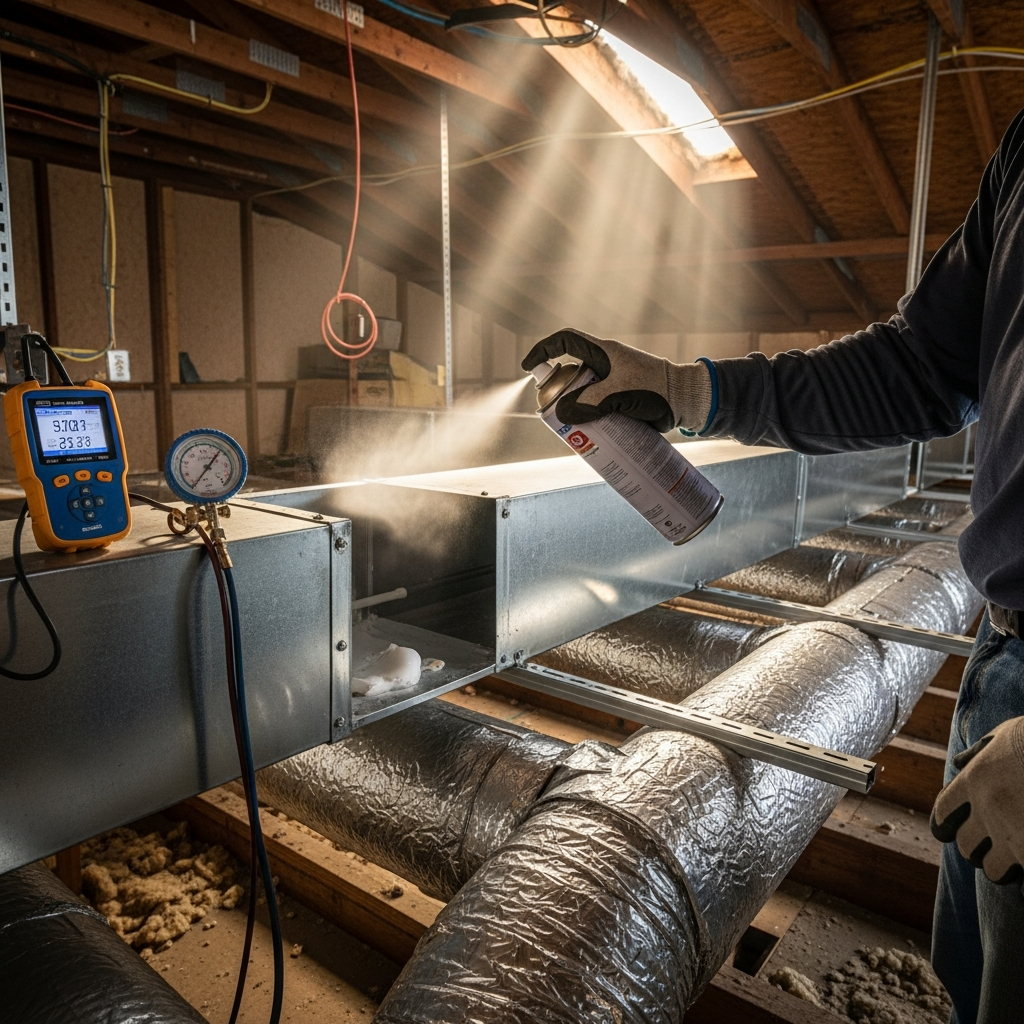
Stop Energy Waste at the Source with Targeted Duct Leak Repair
In Los Angeles, we ask a lot from our heating and cooling systems. Hot afternoons in the Valley, cool evening breezes near the coast, and the long shoulder seasons in between keep equipment running across much of the year. If your home never quite feels even, if one room stubbornly stays warm while another runs cool, or if dust seems to gather no matter how often you clean, there’s a good chance your ducts are quietly working against you. Air escaping through gaps, loose connections, and tired sealants forces the system to run longer, while the return side can pull in unconditioned air from attics or crawlspaces. A focused repair plan that zeroes in on leaks can change that story quickly. If you’re exploring options, begin with a conversation about air duct repair to understand how a targeted approach restores comfort and curbs waste.
Think of duct leaks as slow drips in a plumbing system. Each gap may seem small, but together they add up to a steady loss that you feel as uneven temperatures and hear as equipment that runs longer than it should. In a hot attic, a small tear at a supply can leak a surprising amount of conditioned air. A loose takeoff can whistle and shake, wearing itself looser with each cycle. On the return side, even a modest opening at a chase can draw dusty, warm air into the system, clogging filters faster and reducing indoor air quality.
Finding Leaks with Precision
Effective repair starts with knowing where to work. A seasoned technician uses eyes and instruments together. Visual clues—darkened insulation near a joint, dust streaks at seams, or a boot that has slipped away from the ceiling—point to problems. Measurements confirm them. Static pressure at the equipment reveals whether the system is straining. Temperature readings at supplies and returns show whether air is being delivered as intended. In some cases, a duct leakage test quantifies how much air is escaping and whether losses are clustered or spread across the network.
Los Angeles homes present a mix of challenges and opportunities. Attics may be shallow in older bungalows or spacious in newer builds. Crawlspaces can be snug and winding. Hillside homes sometimes run ducts through framed chases that demand careful access planning. Local teams understand these realities and stage the workday to match, starting early to beat attic heat and protecting finishes at every access point.
Sealing Methods That Endure
Good repair work is equal parts material and method. For accessible joints and seams, high-quality mastics applied over clean surfaces create a flexible, long-lived barrier. UL-181 listed tapes can reinforce certain transitions when used correctly, but they are not a shortcut; without proper prep and mechanical fastening, they will fail in our climate. Screws at metal-to-metal joints and robust supports that distribute weight prevent movement that would otherwise reopen gaps over time.
Flexible ducts deserve special attention. They can deliver excellent performance when supported at the right intervals and routed with gentle curves. However, tight bends, crushed sections, or runs that are stretched taut can strangle airflow. Correcting supports, easing bends, and replacing damaged sections restore the flow the equipment was designed to deliver. In crawlspaces, raising ducts off the ground and protecting jackets from abrasion pays dividends in both efficiency and durability.
Why Return Leaks Matter So Much
Homeowners often focus on supply leaks because they feel the draft or see the gap. Yet return leaks are frequently the bigger culprit in comfort and energy waste. When the return side is open to an attic or crawlspace, the system draws in unconditioned, often dusty air. That air must be cooled or heated, filter life shortens, and indoor air quality suffers. Sealing return pathways—around grilles, at plenums, and along any chases—shuts down this hidden source of waste and helps keep the air you breathe cleaner.
In neighborhoods affected by seasonal smoke or heavy dust, the value of a tight return multiplies. By limiting the intrusion of particulates, your system remains cleaner and your living spaces feel fresher. It’s a quiet improvement you notice in how the house smells on hot afternoons and how it feels first thing in the morning.
Performance You Can Feel Day to Day
The payoff from leak repair shows up in daily life. Rooms stabilize, with fewer swings between hot and cool. The equipment cycles more naturally rather than grinding away to maintain a setpoint. Airflow quiets as whistling seams are sealed and vibrating joints are secured. And because air is moving where it should, not where it shouldn’t, the system operates with less waste. Over time, that means less wear on components and a home that feels more composed through heat waves and chilly nights alike.
In the middle of a project plan, it’s helpful to prioritize changes that give the most noticeable improvement first. Technicians who specialize in Los Angeles air duct repair understand that most homeowners want immediate, tangible gains. They will often tackle glaring return leaks and major supply separations early, then fine-tune supports and minor seams for completeness.
Coordination with Other Home Improvements
Duct leak repair pairs naturally with other upgrades. If you are planning to improve attic insulation, sealing ducts beforehand prevents new insulation from covering problems, and ensures the full benefit once the blanket is in place. If you are replacing equipment, verifying duct integrity protects that investment and lets the new system perform as designed. Even simple habits like regular filter changes and keeping supply registers clear support the gains from sealing.
Sequencing matters. A thoughtful contractor will help you plan the order of work so that one improvement doesn’t undo another. The result is a coordinated path where each step builds on the last, making the home feel better faster and keeping it that way.
Safety, Access, and Clean Work
Working in attics and crawlspaces demands care. Responsible crews lay down protective coverings, isolate work areas, and keep tools organized so the job is tidy and safe. They also respect your schedule, coordinating short equipment shutdowns around meals and key parts of the day. Good communication means you know what’s happening next and why, and you can plan your routine without surprises.
Documentation matters, too. Before-and-after photos of key repairs, notes on materials, and a brief summary of airflow or pressure changes give you confidence that the improvements are real and durable. If a section replacement or reroute is part of the plan, a simple diagram helps future technicians understand what was done.
Frequently Asked Questions
How do I know where my ducts are leaking? Technicians combine visual clues with measurements. Dust streaks at seams, temperature differences, and pressure readings guide the search. In some cases, a dedicated test quantifies overall leakage to help prioritize repairs.
Will repairs make a difference in just one room? Yes, targeted fixes—such as correcting a crushed run or sealing a leaky boot—can dramatically improve a problem room. Often, a few strategic changes bring the whole home into better balance.
Do I need to clean ducts after sealing? Not always. If leaks allowed dust to infiltrate, a cleaning may be recommended after repairs. Your technician will advise based on what they observe during the assessment.
How long does leak repair take? Many homes see major improvements in a day. Larger houses or those with complex access may take longer. Planning, safety, and verification are built into the schedule so the result is both effective and tidy.
Will my system be quieter? Sealing whistling seams, securing loose joints, and improving supports often reduce noise. Many homeowners report a calmer, more consistent sound after repairs.
Take Back Your Comfort and Cut Waste
If you’re ready to stop energy slipping away through hidden gaps and to feel steady comfort in every room, now is the moment to act. Begin with a clear assessment, choose a plan that targets the biggest leaks first, and expect verification that the work delivered what was promised. When you want the job done with care and local know-how, schedule a visit with specialists in professional air duct repair and enjoy a home that finally performs the way it should.