
When the dust settles after an air duct replacement, the temptation is to exhale and forget about the network above the ceiling. In many ways, that is the right instinct: a well-installed duct system is meant to disappear into the background of daily life. But in Los Angeles, where attics swing from cool mornings to triple-digit afternoons and wildfire smoke can creep in with a week’s notice, a little maintenance awareness protects your investment and keeps comfort steady. The good news is that maintenance is more about smart habits than constant tinkering. With a few seasonal checks and thoughtful routines, homeowners can preserve the gains delivered by their air duct replacement and keep the system performing at its quiet, reliable best.
Think of the duct network as a set of highways and side streets designed to carry air without traffic jams or detours. Maintenance is the city planning that keeps those roads clear and the intersections smooth. It is less about sending a crew into the attic every month and more about keeping returns open, filters fresh, and eyes open for small signs that, left unattended, can become issues. In a city of microclimates and architecture as varied as our restaurant scene, maintenance that respects context will always beat one-size-fits-all advice.
Start with the return: breathing easily saves everything downstream
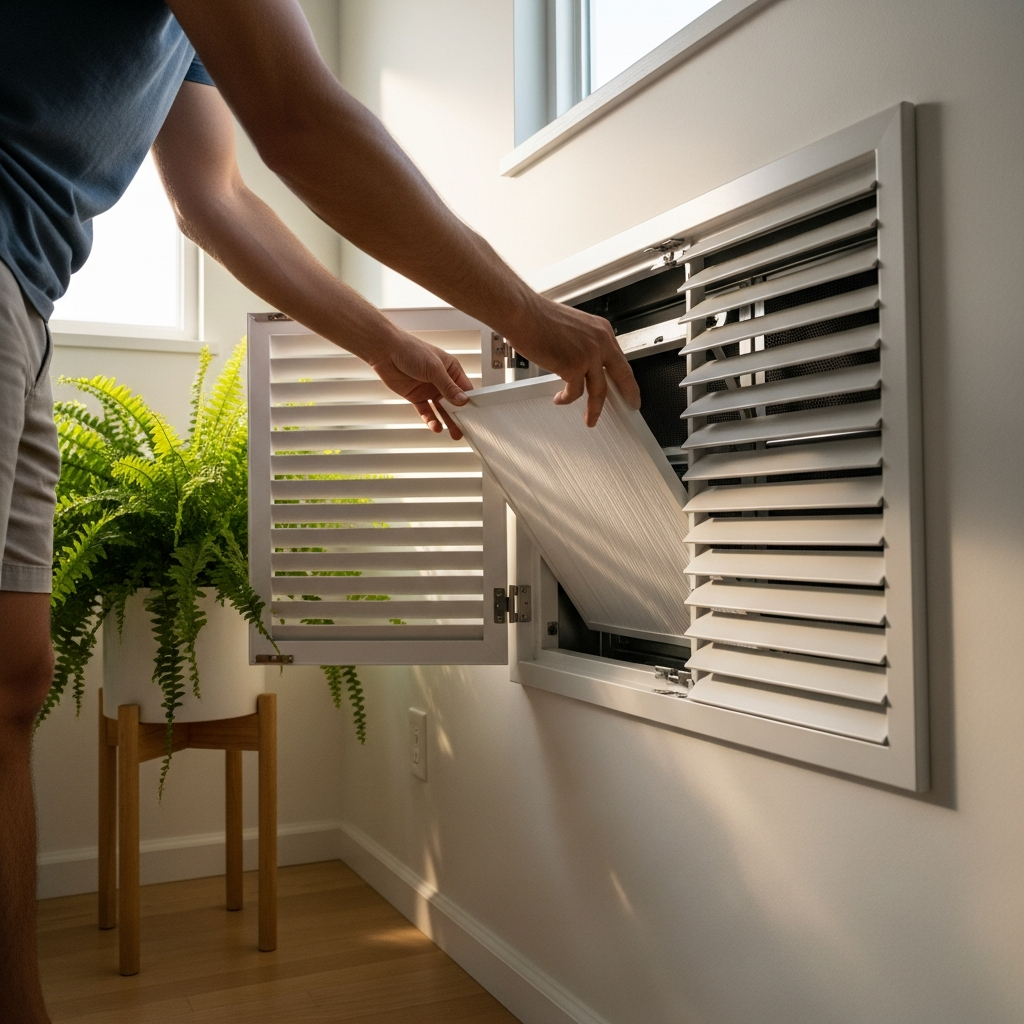
If there is a single maintenance habit that pays back every day, it is caring for the return path. Keep return grilles unobstructed, vacuum dust from the grille face, and monitor filter loading. When returns can pull air with minimal resistance, the blower operates in its comfort zone, noise stays low, and supply branches receive steady pressure. That steadiness is what protects all the care that went into routing and sealing your new ducts.
Location matters. If your return is in a hallway that collects pet hair or near a busy family room, you may find that the filter needs attention more often during certain seasons. Do not be surprised if periods of wildfire smoke accelerate loading as well. The priority is to make filter changes easy so that the habit sticks. If access is awkward, consider having the grille repositioned or upgraded to an easier-to-service design during other home projects.
Seasonal checks that take minutes, not hours
Twice a year, when we pivot from cool mornings to warm afternoons and again when evenings turn crisp, take a few minutes to walk the registers and returns. Listen for new noises, feel for steady airflow, and note any unusual drafts. Peek at accessible attic areas if you are comfortable doing so—look for dislodged supports, compressed sections, or any sign of disturbance from other trades. These small observations create an early-warning system that prevents minor issues from stealing comfort over time.
In older neighborhoods where service work has layered utilities in the attic, it is smart to let anyone doing electrical or roofing tasks know about the duct layout. A quick conversation prevents accidental compression or disconnection and saves the headache of chasing down sudden performance changes later.
Protecting ducts from Los Angeles realities
Our region dishes out a specific set of stresses. Inland, attic heat accelerates aging of materials and puts a premium on intact insulation. Along the coast, morning moisture and salt in the air can encourage corrosion on metal fittings and registers. In foothill neighborhoods, wildlife pressures are higher. Maintenance in Los Angeles means glancing at these factors through a local lens. Verify that insulation jackets remain intact and continuous, that metal connections show no signs of moisture staining, and that attic access points close tightly to deter pests.
Rodent exclusion deserves special mention. Even the best-sealed ducts can be compromised if animals gain access to the attic. Keep vegetation trimmed away from rooflines, seal gaps at eaves, and store attic items in closed containers. If you see gnaw marks or droppings, act quickly with a qualified exclusion plan. Protecting the space around ducts is, in practice, protecting the ducts themselves.
Filter strategy for smoke days and pollen surges
Los Angeles homeowners have become adept at toggling filtration strategies. During smoke events or high pollen counts, using a higher-MERV filter can make indoor air feel dramatically better. The key is to match filtration to airflow. Because your replacement likely included right-sized returns, your system can tolerate denser filters more gracefully. Still, it is wise to check runtime sounds and room balance after a swap. If a filter introduces noticeable noise or reduces comfort, step back to a slightly less restrictive option and change it more often during the risky period.
Make filter changes a visible ritual. Store spares where you see them, set reminders that align with your routines, and date the filter frame when you install it. These tiny habits beat complex schedules because they fit the way families actually live.
Balancing dampers and gentle seasonal tuning
Many replacement projects include balancing dampers on key branches to help fine-tune delivery. As seasons shift, a small nudge can maintain evenness across rooms without touching the thermostat. The trick is restraint. Move dampers in small increments, take notes, and live with the change for a day before adjusting again. You are playing in a narrow band to avoid swinging comfort too far one way or the other.
If a room persistently falls behind, consider the context before blaming the ducts. Solar gain through west-facing glass can overwhelm a well-designed branch on August afternoons. Shade, window treatments, or minor behavioral shifts like pre-cooling the space before the hottest hours can complement the duct system and preserve overall balance.
Keeping registers clean and intentional
Registers gather dust, particularly in homes with pets or open windows through spring. A gentle cleaning keeps air entering rooms without unnecessary turbulence. While you are at each register, check for furniture or drapery that might redirect flow in odd ways. Small repositioning often solves localized drafts or hot spots without any mechanical change. In nurseries or home offices, a simple deflection adjustment at the grille can soften airflow while keeping the room aligned with the rest of the zone.
Pay attention to rooms that double as home gyms or hobby spaces, where hours and activities differ from typical use. The way those spaces breathe may call for a slightly different register setting than the rest of the house. The goal is harmony, not identical feel everywhere.
Attic housekeeping multiplies duct longevity
Clean, accessible attics invite good outcomes. Clear paths keep supports secure, make visual checks easy, and discourage pests. If you use the attic for storage, corral boxes away from runs and supports. Avoid placing items where they could slump against flexible duct over time. If other trades need access—roofers, electricians, insulation installers—walk the space with them and point out the critical lines. Most damage is accidental and easily avoided with a few words early on.
Ventilation matters as well. Attics that breathe reduce moisture accumulation near metal parts and keep temperatures a notch lower in summer. While ventilation is a broader roofing topic, its benefits for ducts are tangible: materials age slower and insulation performs closer to its rated value.
What about duct cleaning after replacement?
Duct cleaning is sometimes marketed as a regular necessity, but in a properly sealed, well-filtered system, frequent cleaning should not be required. Focus first on filtration, return integrity, and keeping construction dust out of the system when you do other projects. If a specific event introduces debris—say, a drywall repair near a return—then a targeted cleaning may make sense. Routine maintenance means keeping the path clean by design, not by repeated scrubbing.
When cleaning is discussed, ask whether the proposed methods respect the materials used in your ducts and registers. Aggressive techniques can damage liners or seals. The best maintenance remains preventive: stop dust at the filter, keep the network airtight, and protect it from disturbances.
Monitoring performance lightly but effectively
You do not need a dashboard full of gauges to keep tabs on your system. Pay attention to sound, balance, and runtime patterns. If start-up noise creeps up, or a room begins to lag consistently, those are signals worth investigating. A quick check of the filter, returns, and visible sections in the attic may reveal the cause. When in doubt, a professional static pressure reading provides clarity without guesswork and keeps small drifts from becoming chronic issues.
Smart thermostats can help by showing simple runtime trends. Look for changes relative to similar weather days. A slow increase in runtime with no obvious explanation can hint at a filter that is past its prime or a branch that has been compressed by unrelated attic work.
Protecting comfort during heat waves and smoky weeks
Los Angeles summers can string together heat wave after heat wave. Before the hottest stretch, pre-cool the home slightly, draw shades over sun-exposed glass, and verify that returns are clear and filters fresh. During smoke events, keep windows closed, rely on mechanical filtration, and avoid activities that add particulates indoors. Ducts that are tight and balanced make these strategies more effective because every minute of runtime produces cleaner, more predictable results.
If an unusual week arrives—say, a power outage followed by a hot day—give the system a gentle return to service. Once power is stable, check for any alerts, listen on start-up, and confirm normal airflow at a few registers. Systems prefer gradual transitions back to routine rather than sudden, extended demands after downtime.
When to call for help
Maintenance is not about becoming your own technician. It is about knowing when a small sign warrants a professional eye. Call in help if you notice persistent noise at the return, visible damage to insulation jackets, sudden changes in room balance, or unexplained dust at supply edges. Early visits solve easy problems and keep your comfortable status quo intact.
It is also wise to schedule a light checkup after any major home project that sent people or materials through the attic. A quick walkthrough ensures that supports are still intact, no branches were nudged out of alignment, and the return path remains airtight.
A home that keeps its promise
The best compliment to a duct replacement is forgetting it exists. Maintenance habits are the behind-the-scenes effort that makes that possible. With care for returns and filters, seasonal observations, and a bit of attic housekeeping, you preserve the quiet, even comfort that led you to replace ducts in the first place. You also protect your HVAC equipment from strain, allowing it to operate gently within its design range.
Los Angeles will keep throwing weather curveballs—dry winds, hazy days, cool mornings that give way to baking afternoons. Your job is not to chase every variation, but to set up a system that takes them in stride. A little attention, applied in the right places, does exactly that.
Frequently Asked Questions
How often should I change my filter after a duct replacement?
Change intervals depend on your home’s activity, pets, and outdoor air quality. Use the first few months to learn your pattern, then set reminders that reflect real loading. During smoke or high-pollen periods, expect to change filters more frequently.
Do I need routine duct cleaning?
In a tight, well-filtered system, routine cleaning is seldom needed. Focus on keeping returns airtight and filters fresh. Reserve cleaning for exceptional events that introduce debris into the network.
What signs suggest something has shifted in the attic?
New noises, sudden room imbalances, visible compression on flexible duct, or gaps in insulation jackets suggest a support has moved or a branch was disturbed. A quick inspection or a professional check can restore order before comfort suffers.
Will higher-MERV filters strain my system?
If your replacement included right-sized returns, your system can handle denser filters more gracefully. Still, monitor sound and comfort after a change. If airflow seems restricted, step to a slightly lower MERV and replace it more often during challenging weeks.
How can I keep pests away from new ducts?
Seal attic entry points, keep vegetation trimmed, and store items in sealed containers. If you notice activity, act quickly with exclusion measures. Protecting the attic envelope is the most effective duct protection.
If you want your home to stay quiet, clean, and evenly comfortable long after the installers have packed up, a small set of habits will carry you there. When you are ready to fine-tune the plan for your particular house and microclimate, reach out to schedule your air duct replacement follow-up and keep Los Angeles living as effortless as it ought to be.