
After new ducts go in, the way a Los Angeles home feels can change almost overnight. Rooms start to agree with the thermostat, the hiss of airflow softens, and morning light reveals fewer floating dust particles. But like any improvement, the benefits of duct replacement last longest when you care for them with a few steady habits tailored to our climate and construction styles. Whether your home sits under a low-slope roof in the Valley or catches ocean breezes in the South Bay, thoughtful maintenance protects the investment you made in air duct replacement and keeps your HVAC performing like a quiet partner rather than a noisy roommate.
Maintenance does not have to be complicated, and it should never feel like a second job. What matters most is paying attention to the signs your home offers and creating simple routines that become second nature. Over time, these small actions add up to consistent comfort, cleaner air, and equipment that runs as intended, season after season.
Start with the return: the system’s heartbeat
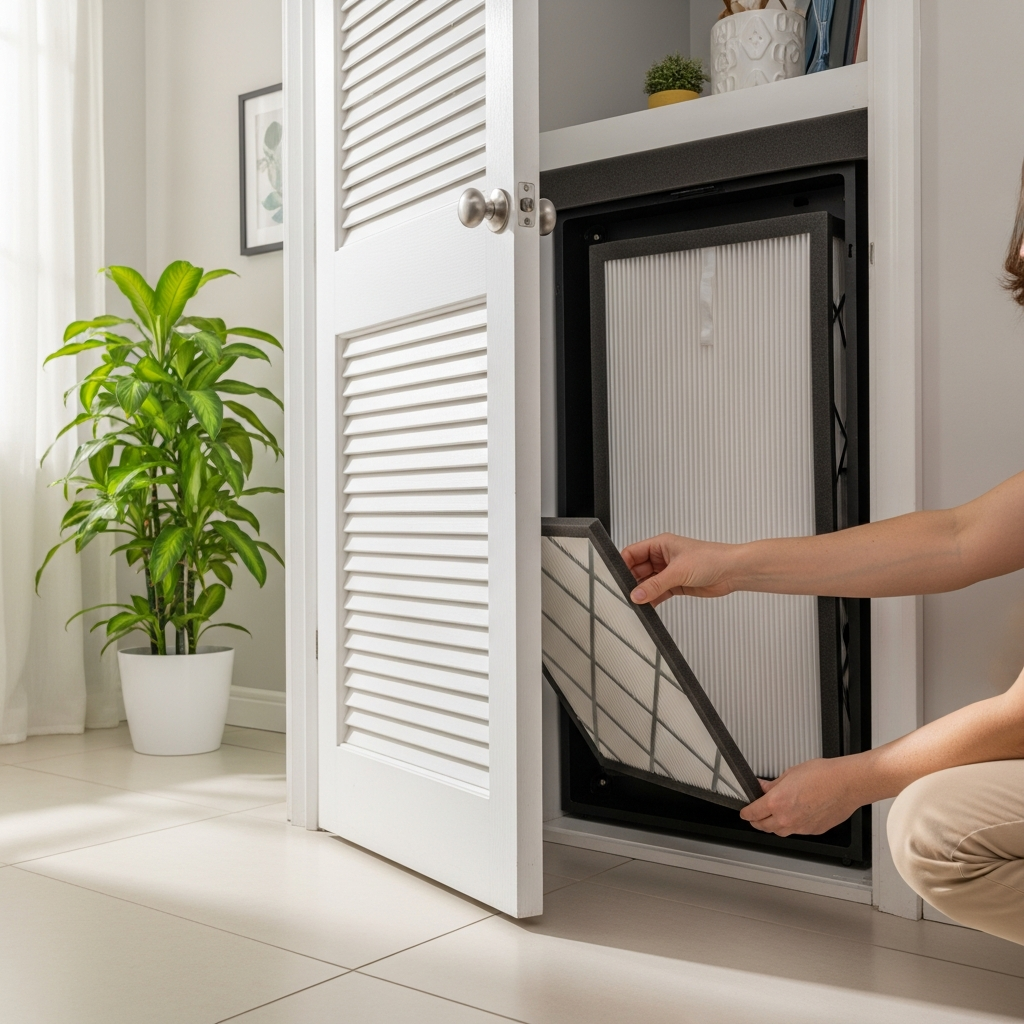
The return path is where your system catches its breath. After duct replacement, your return may have been resized or relocated with a proper filter cabinet. Keep that area clear and easy to access. A blocked return, even by a decorative bench or a basket of shoes, starves airflow and forces the system to work harder. You will hear the difference as the return grows noisy or as doors in nearby rooms start to close themselves from pressure imbalances. Clearing the area and confirming a snug filter fit keeps the rhythm steady.
Filter changes set the tempo. In Los Angeles, where Santa Ana winds can deliver a weekend’s worth of dust in a single afternoon, it is wise to check filters more often during windy stretches or wildfire season. Set a reminder on your phone for a quick visual check, and do not be surprised if new ducts keep filters cleaner for longer—that is the sign of sealed connections doing their job. Replace on the cadence your installer recommends, and make it a habit linked to another routine, like testing smoke alarms or paying quarterly bills.
Pay attention to airflow and sound
New ducts create a new soundscape. In the first weeks, learn that quieter baseline and use it as your reference. If a grille begins to whistle or a return develops a hum months later, treat it as an early nudge to investigate. Sometimes the fix is as simple as a register that shifted or a piece of furniture that now blocks a return. Other times, it signals a damper that needs a small tweak. Listening is not just about noise, though. Feel for consistent airflow at different times of day, especially in rooms that used to misbehave. If the pattern changes suddenly, call for a checkup before a small issue grows.
One of the quieter maintenance wins is keeping supply registers clean. Dust at the grille face can seed streaks on nearby walls if left to build. A gentle wipe during regular cleaning prevents that film from forming and helps you spot any unusual dust rings that might indicate a loose connection behind the grille.
Mind the attic and crawlspace environments
Los Angeles attics can feel like a kiln by mid-afternoon, and crawlspaces shift from dry to damp after our rare winter rains. The ducts themselves may be sealed and insulated, but the spaces around them influence performance. After replacement, check that attic insulation remains evenly distributed, especially if other trades have been up there for electrical or roofing work. Trampled insulation or displaced batts create hot and cold patches that undo some of your ducts’ good work.
In crawlspaces, look for signs of moisture or pests. New ducts are less inviting when sealed and supported, but the surrounding environment still matters. Vapor barriers and good drainage reduce humidity that can introduce odors or encourage mold on nearby framing. If you notice a musty scent when the system starts, a quick crawlspace inspection for standing water or fallen insulation is a smart first step.
Seasonal strategies for our microclimates
Because Los Angeles is really a collection of climates, maintenance has a seasonal flavor. Late summer into fall brings the Santa Anas; this is when you might upgrade filters temporarily if your system supports it and when checking door and window seals pays off to keep unfiltered air at bay. Winter’s cool mornings and warm afternoons favor gentle thermostat schedules that leverage your new ducts’ even delivery—shallow setbacks often feel better than dramatic swings.
Spring is the best time for a professional tune-up that includes a quick look at ducts. Access points added during replacement allow technicians to verify that supports are holding, that seals remain tight, and that no trades have damaged runs while working nearby. Catching a small tape lift or a sagging section early prevents needless noise and keeps airflow charts looking like they did on day one.
Protecting against dust and smoke
Wildfire smoke is a reality during some seasons. Sealed ducts already help by limiting infiltration from attics and crawlspaces, but you can amplify those gains with good habits. Close windows and doors when outdoor air turns smoky, set your system to circulate air through the filter more often, and consider using the fan-only setting periodically to scrub indoor air. If your installer provided guidance on higher-efficiency filters the system can handle without strain, keep a spare on hand for these events. After smoky days pass, return to your standard filter to maintain normal airflow and system balance.
Dust management pairs well with floor care. Shoes bring in particles that later become the fine film your return captures. A “shoes-off near entries” habit and occasional doormat cleanings may sound unrelated to duct maintenance, but they lower the burden on your filters and keep ducts cleaner longer.
Keeping registers and dampers in harmony
During replacement, your installer likely balanced dampers to share airflow among rooms. Over time, small shifts in furniture, room use, or even the way doors tend to be left open can merit tiny adjustments. If a room begins to feel out of sync, check that its register is fully open and that nothing blocks the flow. If your system includes accessible balancing dampers, a qualified technician can make measured tweaks to bring spaces back into agreement. The goal is not to chase perfection daily, but to protect the overall harmony your new ducts created.
If you have a multi-story home, pay attention to stairwells and landings, which often serve as the first indicator of balance drift. Because warm air rises, upstairs spaces tell you when airflow allocation needs a check. Gentle adjustments prevent you from leaning on the thermostat to resolve what is really a distribution detail.
Looking after the return filter cabinet
Filter cabinets deserve a spotlight. Their foam gaskets and latches keep bypass air from sneaking around the filter. A quick visual check when you change filters confirms that gaskets are intact and doors close square. If you ever notice dust lines inside the cabinet that mirror the door’s outline, that is a hint air is slipping by. Addressing it early maintains the filtration gains you expected after replacement.
Keep the area around the return clear of aerosols during cleaning days. Sprays used nearby can add scents or particles to the air the system immediately recirculates. Using milder products and allowing time for ventilation keeps indoor air calmer and less reactive.
Coexisting with other home projects
Your ducts share space with electrical, plumbing, and sometimes low-voltage cables. When other projects bring trades into the attic or crawlspace, a quick pre-job walkthrough helps. Point out new duct runs and supports, and ask crews to route around them. Most are happy to, and the reminder prevents accidental compressions or dislodged insulation. After work wraps, a brief look to confirm that nothing shifted keeps surprises at bay.
Roof work, in particular, can stir up attics. Debris falls, and workers may step on areas near ducts as they move. A five-minute post-roofing inspection to brush away debris and confirm supports are intact is a small task with outsized benefits for airflow and cleanliness.
What to expect years later
Well-installed ducts age gracefully. You will likely find that maintenance becomes mostly about observing and confirming the calm baseline you learned in the first year. Seasonal filter routines, quick sound checks, and occasional professional tune-ups form the backbone. If a room’s character changes—perhaps a nursery becomes a home office with different heat loads from equipment—plan a small balancing revisit rather than living with discomfort. The system was designed to be adjusted within reason, and small changes keep it aligned with your life.
Frequently asked questions
How often should I change filters after replacement? Start with the schedule your installer recommends, often every one to three months depending on filter type and household activity. During Santa Ana winds or wildfire events, check more frequently. New, sealed ducts may keep filters cleaner longer, but staying consistent preserves airflow and air quality.
Do new ducts still need cleaning? Sealed ducts accumulate far less dust than older, leaky systems. With regular filter changes and a clean return cabinet, many homeowners go years without needing cleaning. Focus on inspections during HVAC tune-ups to catch any unusual buildup early.
What should I listen for that signals a problem? New ducts create a stable, quiet backdrop. A sudden whistle at a grille, a return that hums after being silent, or airflow that changes character in a familiar room are early flags. Sometimes the solution is simple—move a rug or open a register fully. If the change persists, call for a checkup.
Can I adjust registers myself? You can make small, thoughtful adjustments to room registers to fine-tune comfort, especially after a change in room use. Avoid closing too many registers, which can raise static pressure and create noise. If in doubt, have a technician verify the overall balance.
How do I protect ducts during other home projects? Communication is your best tool. Let contractors know where new ducts run and ask them to keep pathways clear. After their work, take a quick look in the attic or crawlspace to confirm supports, insulation, and connections remain undisturbed.
Will wildfire smoke overwhelm my system? Your ducts are not air cleaners by themselves, but sealed pathways and the right filters form a strong defense. During smoky days, keep the home closed, run the fan to circulate air through the filter, and swap in a higher-efficiency filter if recommended for your equipment. When conditions improve, return to your standard filter to maintain airflow.
What if a room drifts out of balance over time? Homes evolve. If you notice a consistent pattern—like an upstairs bedroom warming more than it used to—start with open registers and cleared returns. IfNeeded, schedule a balancing visit to make small damper adjustments that suit the way you use the space now.
How can I keep the attic from undoing my efforts? Maintain even insulation coverage, confirm ventilation is functioning, and keep storage away from ducts so nothing compresses them. A quick seasonal peek after roof or electrical work preserves the tidy, supported routing your installer created.
Take the next step toward lasting comfort
You chose new ducts to enjoy quieter, cleaner, more even comfort, and with a few easy habits, that is exactly what you will keep. If you would like a professional set of eyes on your system or want to plan seasonal checkups tailored to your neighborhood’s microclimate, reach out to a trusted local team. When you are ready to explore resources or schedule a visit, start with reputable guidance on air duct replacement and keep your home running the way it was meant to—calm, balanced, and pleasantly predictable.