
Walk any block in Los Angeles and you will see a time capsule of design eras: 1930s Spanish, midcentury ranch, sleek infill townhomes, and hillside moderns perched above the street. Beneath those architectural differences lies a shared truth: ductwork is doing the heavy lifting to make these diverse spaces livable from June’s first heat wave to December’s cool nights. Over the last few years, the conversation around ducts has shifted from a narrow focus on “getting air from A to B” to a holistic view of health, quiet, and efficiency. That shift shows up in the most interesting trend of all: homeowners are making smarter, future-ready choices when they plan air duct replacement, and the results are visible in how LA homes feel and function day to day.
These trends are not passing fads. They are rooted in lessons from our microclimates, wildfire seasons, rising interest in electrification, and a collective desire for homes that work with us, not against us. From leak-tight installations to filtration strategies that respect our air quality realities, the best projects look beyond the mechanics and toward the lived experience: a calmer bedroom on summer nights, a living room that does not echo with register hiss, and an office that stays steady during back-to-back calls.
Tighter ducts and measurable performance
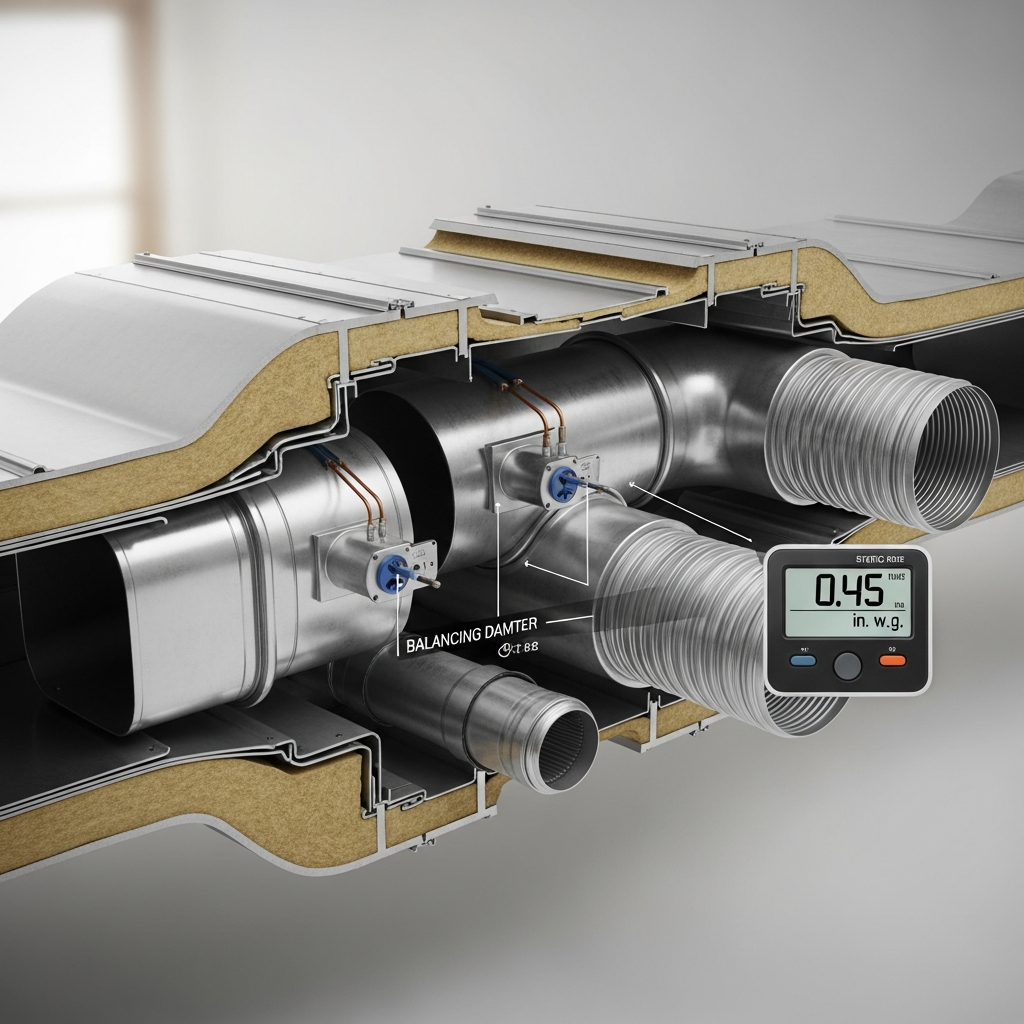
Los Angeles has long battled energy waste in attics that turn into ovens by midafternoon. One trend gaining momentum is an insistence on measurable tightness, not just “good enough” sealing. Homeowners and contractors alike are leaning into verification—leakage testing and static pressure readings—to prove performance. The reasoning is simple: when ducts do not leak, the system delivers air to rooms instead of the attic, the blower operates where it was designed to, and filters do their jobs without bypass.
This movement has refined the craft of installation. Mastic is the star again, but so are the little disciplines that make mastic matter: mechanical fastening, proper collars, and supports that keep flexible runs round and uncompressed. In practice, that means fewer callbacks, a quieter sound profile at start-up, and temperature readings that make you trust the thermostat again.
Higher R-values and smarter routing in hot attics
As summers trend warmer inland, insulation around supply runs has taken on new weight. You can feel the difference when higher R-value jackets keep air close to its target temperature from the unit to the far register. Combined with routing that avoids compression and sharp bends, this upgrade pays off in midafternoon when you would otherwise expect the system to struggle. The trend here is not extravagant materials; it is thoughtful selection and careful workmanship that respect the physics of air moving through a hot space.
Smarter routing also responds to the reality of tight truss layouts in many LA attics. Using shorter, straighter sections where possible—often with rigid fittings near the plenum—and gentle arcs on longer branches maintains velocity without the hiss that signals excessive pressure. The result is a register sound you barely notice, even in quiet rooms.
Return air upgrades as standard practice
Another clear trend is treating return air as a first-class citizen. For decades, many homes limped along with a single undersized return. The movement now is toward right-sized, sometimes multiple, returns that let the blower breathe. Why? Because a generous, well-sealed return supports filtration, reduces noise, and helps every branch benefit from stable pressure. Whether you live in a condo with a tight mechanical closet or a ranch with access to add another return, the goal is the same: let air come home easily so the system can exhale gently into the rooms that need it.
When returns are upgraded during replacement, homeowners quickly notice that doors stop moving when the fan starts, and hallways lose that strange whoosh that used to announce every cycle. That small psychological shift—from bracing for the fan to forgetting it exists—captures the promise of this trend.
Filtration and IAQ readiness for wildfire season
Los Angeles has learned to pivot quickly during smoke days. Windows close, portable purifiers appear, and filters take center stage. Duct replacement projects increasingly plan for higher-MERV filtration by protecting airflow with adequately sized returns and smooth supply routes. Positioning the system to maintain target airflow with a denser filter makes a profound difference when outdoor air quality dips. Homeowners also ask more about sealing supply and return connections to keep attic particulates out of the living stream.
Another related thread is return grille placement and access. Easy-to-reach filter locations encourage timely swaps, and quiet grilles lower the mental barrier to using the system during poor outdoor air days. The trend is to build IAQ support into the bones of the duct network so that on smoky afternoons your home already has a plan.
Zoning-ready layouts and future-proofing for heat pumps
Electrification has entered the mainstream in Los Angeles, and with it a wave of heat pump installations. Duct replacements increasingly prepare homes for zoning and variable-speed equipment, even if those upgrades are scheduled for the future. Dedicated returns for separate floors, strategic branch placement, and dampers that are accessible for control upgrades all lay groundwork. The benefit today is better balance; the benefit tomorrow is an easier path to multi-zone comfort without tearing up ceilings.
Variable-speed systems thrive when ducts keep static pressure within a friendly range. Designing replacement layouts with that in mind enables quieter, longer, more efficient runs that people describe as invisible comfort. It is the antithesis of the old on/off roar, and it starts with the hidden geometry of your ductwork.
Attention to registers and the art of air throw
Registers are no longer an afterthought selected at the last minute. The trend is to treat them as precision tools. Choosing models that throw air across glass or into the center of large rooms prevents stratification and drafts. Paired with properly sized boots, these registers allow lower velocities to do the same job, which lowers noise. This attention delights homeowners who remember a time when the living room vent sounded like a small jet. Now, you simply feel the room settle into comfort.
Aesthetics matter, too. In older homes, low-profile grilles and careful placement respect original design while upgrading performance. In new construction, sleek registers align with modern lines. The key is that performance and appearance are considered together rather than traded off at the last minute.
Data-driven commissioning as a homeowner expectation
Perhaps the most welcome trend is cultural: people expect numbers. They want to see static pressure before and after, leakage percentages, and temperature splits at key registers. This expectation nudges projects toward excellence, because what gets measured gets improved. The commissioning conversation turns a once-invisible system into something you can evaluate with confidence. You are not just told it is better; you can see why.
The impact of this shift extends beyond the first week. When you know your system is operating in its designed range, you are more likely to maintain it with intention—changing filters on schedule, keeping returns clear, and paying attention to small anomalies before they become issues.
Neighborhood-specific solutions
Los Angeles is too large and varied for one-size-fits-all advice. In the Valley, short, smooth runs with generous insulation are the star of the show; they blunt the worst of attic heat and let equipment breathe. In coastal neighborhoods, robust sealing and corrosion-aware fittings keep the damp at bay. In hillside homes with split-level layouts, zoning-ready returns and branch strategies adapt to the way heat pools and drops through the day. Replacement trends reflect this diversity not by creating fads but by following a common principle: design to the lived pattern of the house and the microclimate that shapes it.
Even within a single block, sun exposure and wind patterns can steer decisions. A home whose main glass faces west will appreciate register throw that washes those panes on late afternoons. A shaded lot near tall trees may call for slightly different branch balance during winter mornings. Good projects embrace this nuance.
What homeowners report after trend-led replacements
Feedback arrives in grounded stories rather than numbers. Someone in Mar Vista mentions the baby finally napping through the fan cycle. A family in Sherman Oaks celebrates that the converted garage office no longer lags by four degrees. A couple in Highland Park stops running a bedroom space heater on winter mornings because the supply finally reaches that corner of the house with intention. These stories are the heartbeat of the trend: air moved thoughtfully feels like a better life at home.
In many of these homes, the most striking change is the absence of irritations that once felt normal. Dust that gathered at vent edges vanishes. The hallway return no longer steals conversation with a roar. The thermostat graph, if you track it, looks smoother and less jagged. There is a sense that the house is cooperating instead of competing with itself.
Planning a replacement that fits your future
Trends are useful only when they serve your goals. A good plan begins with a conversation about how you use the space now and how you hope to use it later. If a heat pump is in your future, design with static pressure in mind today. If a child’s room is always the hot spot, route and size with that reality rather than forcing compromises. If wildfire smoke has changed your relationship with open windows, make filtration and return sizing central rather than optional. In short, bend trends to your life, not the other way around.
In the middle of planning, test assumptions with numbers and mock-ups. Measure noise, check airflow, and imagine furniture placement relative to registers. That level of intention costs very little compared to the life of the system, and it pays back daily in comfort you can trust. When you are ready to translate these ideas into a plan for your home, a conversation about professional air duct replacement will help filter the noise and focus on the upgrades that matter most.
Frequently Asked Questions
Are flexible ducts out of style in Los Angeles?
No. Flexible ducts remain essential in many attics due to structural constraints. The trend is not to abandon them but to install them correctly—gentle bends, proper supports, and airtight connections—so they perform reliably and quietly.
Do higher R-value jackets make a noticeable difference?
Yes, especially in hot Valley attics. Keeping supply air close to target temperature across a long run reduces run time, stabilizes room temperatures, and helps equipment avoid stress during peak heat.
Is zoning worth planning for during replacement?
Often, yes. Even if zoning controls are added later, designing branch runs and returns with future zones in mind can improve balance today and simplify upgrades tomorrow, particularly in multi-story homes.
What role do registers play in modern replacements?
Registers determine how air enters the room. Selecting the right model and pairing it with a correctly sized boot ensures air throws where it is needed, minimizing drafts and noise while promoting even temperatures.
How can I be sure the new ducts are actually tight?
Ask for leakage testing and pressure readings before and after the work. Commissioning data verifies that air is staying in the network and that the blower is operating within a healthy range for quiet, efficient performance.
Los Angeles homes are ready for the next chapter of comfort—quieter, cleaner, and more resilient in the face of heat waves and smoky days. If you want your rooms to feel balanced and your system to hum without drama, now is a smart time to bring these trends home. Start the conversation and schedule your air duct replacement so you can feel the difference every time you open the front door.