
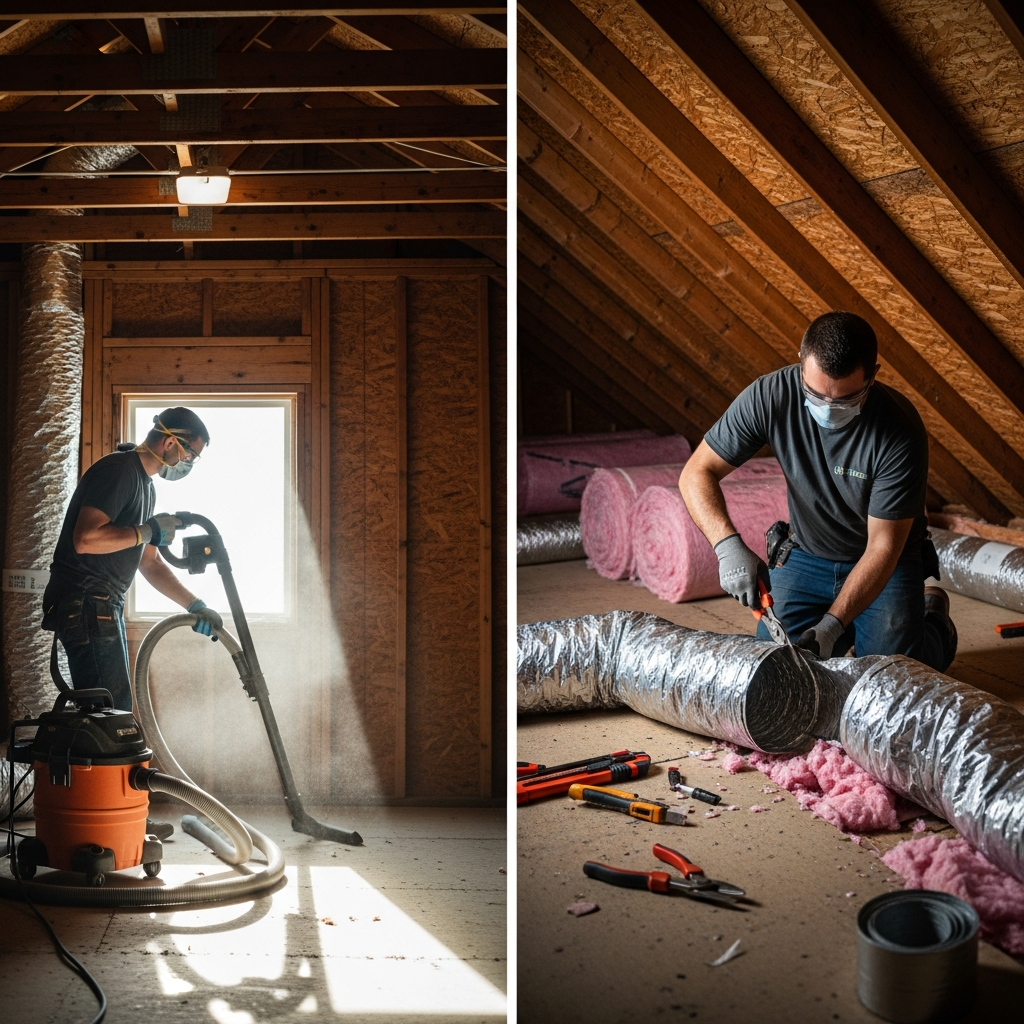
Air Duct Replacement vs. Cleaning: Making the Right Call in Los Angeles
When your home feels dusty, rooms swing between hot and cold, or allergies seem worse than they should be, it is natural to wonder whether a thorough duct cleaning will fix the problem—or whether replacement is the wiser move. In Los Angeles, where homes range from 1920s bungalows to new hillside builds and the climate throws us heat waves, coastal humidity, and wildfire smoke, the line between cleaning and replacement can be nuanced. As someone who has inspected countless attics and crawlspaces across the city, I weigh not just what is visible but how the duct system breathes. Before you decide, consider how your home’s age, layout, and daily usage intersect with code expectations and today’s comfort standards. If you want an informed starting point, speak with a local expert about air duct replacement to understand how design and sealing shape day-to-day comfort—not just cleanliness.
Ducts are arteries for your home’s climate. Cleaning focuses on removing accumulated dust and debris; replacement addresses the pathways themselves: sizing, sealing, insulation, and routing. In some homes, cleaning offers a refreshing reset. In others, the ducts are simply the wrong size or in the wrong places, and no vacuum can solve whistling returns, crushed runs, or pervasive leakage into hot attics.
When Cleaning Makes Sense
Cleaning can be effective when duct materials are fundamentally intact and layouts are reasonable. If you have recently completed a renovation and dust made its way into the system, a professional cleaning after replacing filters and sealing obvious gaps can restore freshness. If a previous owner neglected filter changes and there is visible buildup near registers, cleaning may reduce particulates and odors.
Cleaning is also appropriate as part of a maintenance routine when the system has been evaluated for leakage and return sizing. Think of it like detailing a car that already runs well; it preserves comfort rather than creating it from scratch.
When Replacement Is the Better Choice
Replacement becomes compelling when duct issues are structural or systemic. If you consistently experience rooms that will not meet the set temperature, or hear returns whistling no matter how often filters are changed, the underlying design may be undersized or poorly routed. Crushed flexible ducts, delaminated duct board, or runs with sharp bends that choke airflow are all signs the network needs redesign, not just cleaning.
Homes with persistent odors from attics or crawlspaces, evidence of rodents, or leakage so severe that conditioned air never makes it to living spaces benefit more from a new, sealed system. This is especially true in wildfire season, when smoke infiltration through gaps and unsealed boots becomes obvious. A redesigned network with proper returns and sealing can transform indoor air quality and comfort in a way cleaning cannot.
Comfort, Noise, and Air Quality
Comfort is not just a number on the thermostat. It is the steady, quiet delivery of air to each room. Undersized or poorly placed returns make systems noisy and inefficient. Cleaning may remove dust, but it does not change how air moves. Replacement allows the system to be resized, elbows and wyes to be selected for smoother flow, and supports to be installed at proper intervals so ducts do not kink or sag.
Air quality is equally important in Los Angeles. New ducts sealed at seams and boots reduce infiltration of attic and crawlspace air. Combined with appropriate filtration, replacement reduces particulates and odors, especially during pollen bursts and wildfire events. If allergies or respiratory sensitivities are part of your family’s life, the difference is often immediate and welcome.
Evaluating Your System: What Pros Look For
A thorough evaluation goes beyond peeking at a few registers. A professional will inspect runs in the attic or crawlspace, look for crushed or kinked sections, evaluate the condition of duct board or flexible duct liners, and test or estimate leakage. They will consider static pressure targets relative to your equipment and identify whether returns are appropriately sized and placed.
They will also ask how you use each room. A home office that needs quiet, a nursery with a strict sleep schedule, or a workout room with high airflow needs all shape design. Cleaning cannot fix a system that does not accommodate these realities; replacement can.
Partial vs. Full Replacement
Not every home needs a full overhaul. If trunks are sound and correctly sized, targeted branch replacements and a right-sized return can deliver meaningful improvements. If the network is fundamentally compromised—widespread leakage, severe undersizing, or routing that fights the structure—a full redesign is the straightforward path to lasting comfort.
In practice, many Los Angeles homes fall somewhere in between. A careful plan preserves what works and replaces what does not, balancing performance gains with disruption and timeline.
Permits, Codes, and Inspections in Los Angeles
California’s energy code and Los Angeles building practices place real emphasis on duct performance. Depending on scope, permits and inspections may be required. Inspectors look for proper sealing, insulation, and support spacing, and they may review documentation of leakage testing. Trusted local teams plan for these steps from the outset, which keeps schedules predictable and results verifiable.
Compliance and craftsmanship go hand in hand. The same steps that satisfy inspectors—tight seams, no compression under insulation, secure hangers—are the ones that make a system quiet, efficient, and durable.
The Role of Filtration and Ventilation
Cleaning targets what is already inside the ducts. Replacement sets the stage for better filtration that captures particulates before they recirculate. When paired with appropriate filtration media and well-sealed returns, a new network becomes a healthier backbone for your home. Ventilation strategies, like ensuring the system does not create negative pressure that draws in unconditioned air, also benefit from correct return sizing and sealing—improvements that come with replacement, not cleaning.
During wildfire season, this difference becomes especially clear. Homes with sealed ducts and balanced returns keep smoky air at bay more effectively, improving comfort and health.
Noise Discipline and Daily Life
Whistling at returns, rumble in trunk lines, and hiss at registers are all signs of airflow fighting restrictions. Cleaning may quiet sounds temporarily if debris is the cause, but lasting quiet comes from better design. Right-sized returns, smoother fittings, and proper support spacing are the levers that calm a system. Replacement gives you access to those levers.
For families working or studying from home, the improvement matters. Calls become clearer without background noise, and bedrooms remain peaceful even when equipment cycles on.
What a Clear Proposal Should Explain
A proposal that helps you choose between cleaning and replacement should depict existing conditions with photos, describe where leakage or sizing issues are occurring, and outline the benefits of each path. If cleaning is adequate, the plan should state how results will be verified and what maintenance will sustain them. If replacement is recommended, it should explain routing changes, return sizing, materials, sealing methods, and how the finished system will be tested and balanced.
Transparency builds confidence. When you understand how each step changes comfort, noise, and air quality, the decision feels straightforward rather than risky.
Managing Logistics in a Big City
Los Angeles logistics are real: narrow streets, parking restrictions, and shared entries in multifamily settings. Reputable teams are candid about these realities and plan staging, protection, and daily cleanup accordingly. They coordinate inspection windows and communicate how rooms will be accessed and when temporary temperature changes might occur.
These details are the difference between disruption and a smooth project. They reflect a company’s respect for your time and space, whether they are performing a focused cleaning or a full duct replacement.
How Long Will It Take?
Cleaning is often completed in a single visit, depending on system size and complexity. Replacement typically spans a few working days, with time allocated for removal, installation, testing, and balancing. That said, schedules vary with access conditions, scope, and inspection timing. Clear timelines at the outset keep expectations realistic and reduce stress.
With skilled planning, crews can minimize the hours when airflow is offline, especially important during warm afternoons or when young children and pets are at home.
Protecting Your Home During the Work
Professional crews protect floors and furnishings, contain dust where practical, and clean up at day’s end. During replacement, pathways are planned so new ducts enter and old ducts exit without damaging finishes. Registers and boots are sealed carefully to prevent debris from entering the living space during removal.
These are not just niceties; they are signs of a team that views your home holistically and values long-term satisfaction over speed.
FAQ
How do I decide between duct cleaning and replacement?
Base the decision on system condition and performance. If ducts are intact, properly sized, and only dusty, cleaning can refresh. If you have chronic comfort issues, whistling returns, crushed runs, or significant leakage, replacement addresses root causes.
Will cleaning fix my hot and cold rooms?
Usually not. Hot and cold spots are typically design or routing issues. Cleaning removes debris but does not change sizing or airflow paths. Replacement allows a redesign to correct imbalances.
Is duct replacement disruptive?
It is a larger project than cleaning, but well-managed crews protect your home, coordinate room access, and maintain clear daily communication. Most single-family homes are completed within a few working days.
Can I do a partial replacement?
Yes. If trunks are sound and in the right location, replacing problem branches and right-sizing returns can deliver strong improvements with less disruption.
Will new ducts improve indoor air quality?
Yes. Properly sealed and insulated ducts reduce infiltration from attics and crawlspaces. When paired with appropriate filtration, they reduce dust and help protect against smoke and pollen.
Do permits apply to duct work in Los Angeles?
Permits are often required for replacement, especially when layout changes. Trusted local teams handle LADBS coordination and prepare documentation for inspection.
How often should ducts be cleaned if I do not replace them?
Frequency depends on usage, filtration quality, and household sensitivities. Many homes benefit from periodic cleaning after renovations or when filter changes have been missed, but the priority should always be sealing and return sizing to prevent debris buildup.
Will new ducts make my system quieter?
Typically, yes. Right-sized returns, smooth fittings, and secure supports reduce turbulence and vibration, lowering background noise throughout the home.
If you are ready to move from guesswork to clarity and create a calmer, cleaner, more comfortable home, let’s talk. We will assess your current system honestly, explain whether cleaning or redesign serves you best, and schedule your air duct replacement when it is the right answer for lasting comfort and healthier air.