
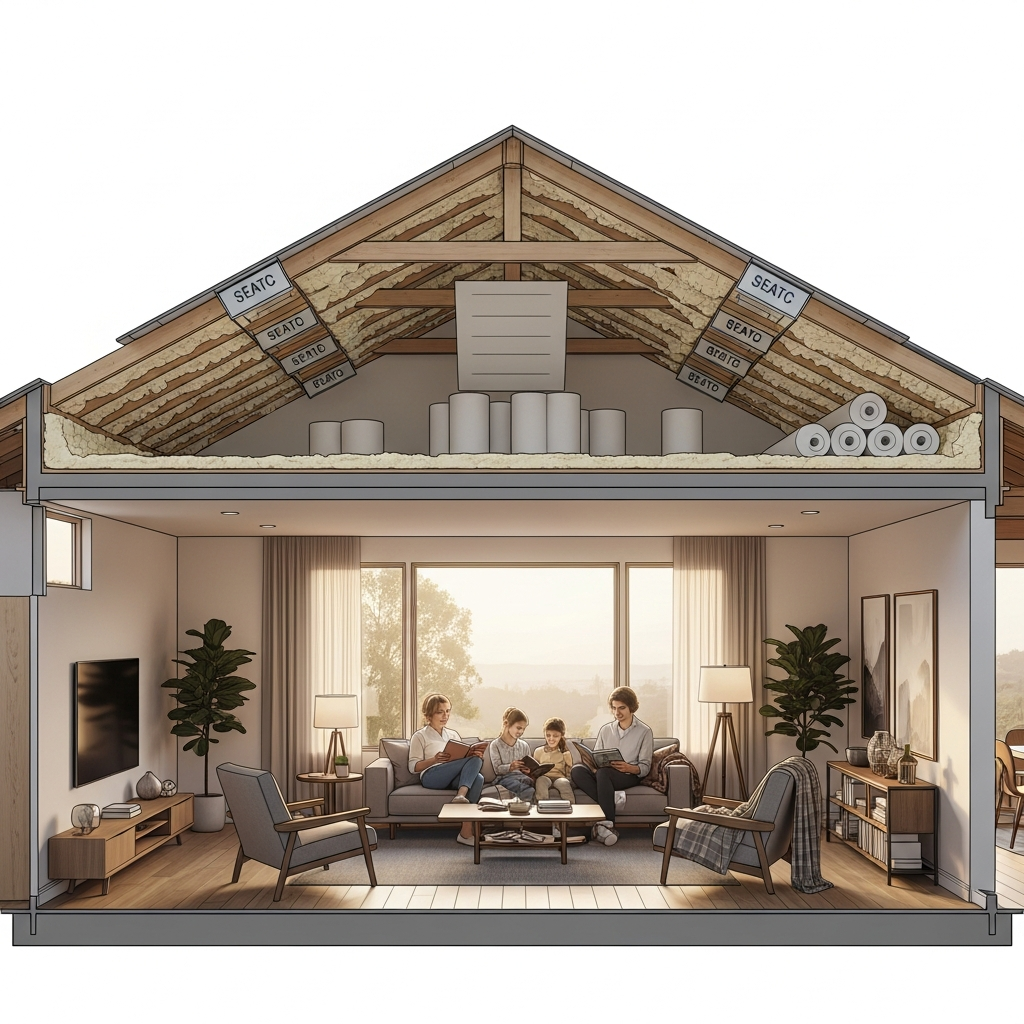
If you own a home in Los Angeles, California, odds are you’ve thought about comfort on 100-degree days, cool evenings by the coast, and the occasional winter chill that sneaks in after a storm. What ties all of those moments together is how your home holds temperature, and the quiet star of that story is your attic. Properly planned and installed attic insulation creates a stable indoor environment that feels calm and consistent even as our microclimates swing from beach breeze to Valley blaze. As a local who has spent countless hours in L.A. attics—from Craftsman bungalows near Pasadena to mid-century ranch homes in the Valley—I can tell you the benefits are broader and more immediate than most people expect.
Los Angeles is famous for sunshine, but the lived experience is a patchwork of conditions. Marine layer mornings cool the Westside, the San Fernando and San Gabriel Valleys simmer in the afternoon, and hillside neighborhoods ride temperature gradients that shift by the hour. In homes that lack adequate insulation, this variety shows up as hot second floors, ACs that never quite catch up, or that chilly draft that seems to come from nowhere in January. When the attic is addressed thoughtfully, the entire house settles into a steadier, more comfortable rhythm, and your HVAC finally gets a chance to perform the way it was designed.
Why Our Climate Makes the Attic So Important
Our roofs soak up sun for most of the year. Without a protective thermal layer between the roof deck and your living spaces, that heat radiates downward all afternoon and lingers well into the evening. In an L.A. summer, the underside of a roof can reach temperatures you’d expect from a pizza oven. Insulation acts as a buffer, slowing heat flow so rooms stay cooler longer, reducing the impulse to crank the thermostat, and giving your AC a manageable workload during evening peak hours.
In winter, especially after Pacific storms sweep through, nighttime temperatures can dip enough to make a poorly insulated home feel downright drafty. Attic insulation slows that outward movement of heat, meaning your home retains warmth instead of bleeding it through the ceiling. Even in a relatively mild climate, that retention translates into steadier indoor comfort and less cycling for your heating system.
The Everyday Comfort You Can Feel
Comfort is not just a number on a thermostat—it’s how evenly that number is felt throughout your home. Insulation helps erase those frustrating hot-and-cold pockets, especially in rooms under the roofline like upstairs bedrooms, lofts, and finished attics. Homeowners frequently report that the first night after an upgrade feels different: the bedroom doesn’t spike at bedtime, the hallway isn’t a wind tunnel, and the family room under a cathedral ceiling finally feels livable at 4 p.m. on a summer day. That steady comfort becomes the new normal, and you start to forget what it felt like to chase temperatures from room to room.
With a well-insulated attic, you also reduce radiant heat coming off the ceiling surfaces themselves. That’s why the air can be 74 but still feel “hot” under a bare drywall lid on a sunny afternoon. By cutting radiant transfer, insulation makes those surfaces feel neutral to your skin, which registers comfort as much through surface temperatures as through air temperature.
Lower Energy Use and a Kinder Load on the Grid
Every kilowatt-hour your home doesn’t need is a small favor to the power grid, especially during L.A.’s late-day summer peak. Attic insulation reduces the frequency and length of AC cycles, which lowers energy consumption and helps smooth out your home’s demand curve right when the grid is most strained. In practice, many homeowners notice that the AC turns on later in the day and shuts off sooner at night, with fewer panicked rushes to drop the setpoint after dinner.
Because insulation reduces the temperature swings your system has to correct, it supports smarter thermostat strategies too. You can set a reasonable temperature and let the building envelope do more of the work. Over time, this consistent operation tends to reflect in household energy use, and the difference is even more dramatic in homes that pair insulation with air sealing and balanced attic ventilation.
Extending the Life of HVAC and Building Materials
HVAC equipment doesn’t like drama. Constant short cycling, extreme supply temperatures, and relentless run times shorten component life. Insulation creates calmer conditions, keeping return air temps steadier and lessening the burden on compressors, heat pumps, and air handlers. In the same way, building materials inside your home—paint, caulk joints, wood trim—benefit from fewer extreme thermal swings. Ceilings are less likely to crack near seams, and recessed lighting trim rings don’t sweat in the summer.
Attic structures benefit as well. By preventing large temperature differentials that can lead to condensation in odd corners, insulation works with ventilation to help rafters, sheathing, and fasteners avoid cycles of moisture that cause rust or mold. On coastal days when the marine layer pushes inland, that balance matters more than people realize.
Quieter Rooms, Cleaner Air
While not a substitute for dedicated acoustic treatments, insulation adds density and softness to the building envelope that can noticeably reduce outside noise. Overflight paths, busy boulevards, even the classic L.A. leaf blower brigade all become a little more distant. In tightly sealed, poorly insulated homes, the HVAC system can stir up dust and outdoor particulates that filter in through attic gaps. Combining proper insulation with air sealing cuts those pathways, which means less dust settling on your furniture and fewer allergens drifting down from the roofline.
People often notice the quality-of-life extras first—waking up rested because the bedroom stayed quiet and comfortable, or enjoying a living room conversation without the distraction of distant traffic. These are real, daily benefits that contribute to the feeling that your home is working with you instead of against you.
Moisture Management in a Mediterranean Climate
Los Angeles doesn’t have East Coast humidity, but we do have dew points that rise on marine-influenced days and overnight cool-downs that encourage condensation on the wrong surfaces if the attic isn’t balanced. Insulation slows heat flow, and when combined with the right attic ventilation, it helps keep surface temperatures where they should be to avoid condensation. After winter rainstorms, that balance keeps your attic from feeling clammy and prevents that faint musty odor some homeowners notice when moisture lingers around roof penetrations.
In older homes, especially those with complex rooflines and charming dormers, targeted air sealing around chases, can lights, and attic hatches pairs beautifully with new insulation. Together they reduce stack effect (the upward movement of warm indoor air that escapes through the attic), which in turn reduces drafts at ground level that you might have blamed on your windows. It’s all connected.
Boosting Home Value and Day-to-Day Livability
Comfort, durability, and sensible operation are features that buyers feel the second they walk into a home. If you’ve ever toured a house on a summer afternoon and thought, “This place feels great,” you’ve experienced the subtle selling power of a well-insulated envelope. Appraisals may not break out insulation line by line, but inspection reports and energy disclosures often highlight attic conditions, and savvy buyers in Los Angeles ask about them. A calm, even indoor climate telegraphs that the home has been cared for and is less likely to throw costly surprises.
Beyond the resale conversation, there’s the daily value to your household. You use the whole home, not just the few rooms that stay comfortable. Kids reclaim upstairs bedrooms, home offices remain productive after lunch, and you’re less tempted to flee to the backyard as the sun sets because the interior has become its own oasis.
Choosing Materials and R-Values That Make Sense Here
In Los Angeles, the right solution depends on your roof configuration, attic accessibility, existing materials, and whether the attic is vented or conditioned. Many homes benefit from a combination approach: air sealing first, then blown-in cellulose or fiberglass to achieve target R-values, and sometimes a radiant barrier in high-solar-gain areas under the roof deck. For vaulted ceilings or finished attics with limited cavities, dense-pack solutions or foam board strategies may be appropriate. The goal is to match materials to the building’s behavior, not to force a one-size-fits-all prescription.
It’s also crucial to think about the attic as part of a system. Ductwork running through a broiling attic punishes efficiency; adding insulation around ducts and ensuring they’re sealed pays off immediately. So does addressing can lights, bath fan penetrations, and the attic hatch, which is often the biggest single hole in the thermal boundary. Mid-project is the ideal moment to sanity-check each of these details because the benefits compound. This is also a good time to revisit your understanding of attic insulation as a set-and-forget upgrade; in reality, it’s a carefully tuned layer that works in concert with ventilation and air sealing to produce lasting comfort.
Common Misconceptions We Hear All the Time
One popular myth is that insulation is only for cold climates. In our region, the dominant energy load in many homes is cooling, and insulation’s ability to resist heat flow is arguably more valuable on a scorching August afternoon than it is on a mild January morning. Another misconception is that insulation will make a home “stuffy.” What people perceive as stuffiness is usually the result of trapped humidity or inadequate fresh air delivery, not insulation itself. With proper ventilation strategies—bath fans that actually exhaust to the exterior, balanced attic airflow, and an HVAC system that meets current standards—your home will feel fresher, not tighter.
We also encounter the assumption that an attic “looks full,” so it must be fine. Depth can be deceiving. Insulation levels vary wildly from house to house, and gaps or wind-washed corners can undermine performance even when the average depth looks good. That’s why pros take time to assess coverage at eaves, around baffles, along top plates, and near mechanicals. What matters is uniform, continuous coverage at the right density, not a few fluffy high spots.
What a Thoughtful Upgrade Looks Like
A good project starts with inspection and measurement: checking existing depths, identifying gaps, mapping air leaks, and evaluating ventilation. From there, the plan should sequence work to avoid re-do’s. Air sealing typically comes first—treating chases, sealing around electrical boxes, and weatherstripping the attic hatch. Then old or displaced insulation can be supplemented or, in special cases, safely removed and replaced. Finally, new insulation is installed to the target level with attention to even coverage and clear baffles to preserve airflow at the eaves. The result is an attic that behaves predictably in every season.
Homeowners often remark that the house becomes quieter immediately and that the next hot spell feels different—less oppressive, as though the afternoon sun has somehow softened. That’s the cumulative effect of slower heat flow, reduced radiant load, and calmer HVAC operation. Over weeks and months, you’ll notice schedules change: laundry can happen midday without turning the home into a sauna, and bedtime isn’t a negotiation with upstairs temperatures.
Coordination With Other Home Improvements
If you’re contemplating solar, roofing, or ductwork improvements, it makes sense to think about insulation at the same time. New roofing is a rare opportunity to consider radiant barriers or above-deck insulation on certain assemblies. Duct replacements are the perfect moment to relocate lines out of the hottest parts of the attic or at least give them better jackets and sealing. Even a lighting retrofit—swapping old recessed cans for IC-rated, airtight fixtures—can help your new insulation perform its best by reducing pathways for air leakage.
For homeowners updating windows or adding shading devices, remember that the roofline is still your biggest solar collector. Improvements at the attic level amplify the benefits of better glazing and exterior shading, so you enjoy a more holistic upgrade to the home’s comfort profile.
Living With a Better-Performing Home
The most satisfying part of an attic insulation upgrade is how ordinary life improves. Summer dinners feel pleasant without a roaring AC, kids fall asleep more easily upstairs, and that home office tucked under the gable becomes usable at all hours. You’ll notice less dust after windy days and fewer mysterious drafts by the baseboards on cool mornings. And perhaps most importantly, your HVAC system will run like it finally has a partner in the building shell, not an adversary.
In neighborhoods across Los Angeles, from Highland Park to Culver City to Woodland Hills, the homes that feel great year-round share one trait: their attics are doing their job. Insulation is the invisible ally that makes that happen, supporting comfort, reducing energy use, and protecting the materials and equipment that protect you.
Frequently Asked Questions
What R-value should Los Angeles attics aim for? The ideal level depends on your attic design and existing conditions, but most L.A. homes benefit from reaching modern recommended ranges for our climate zone, which emphasize reducing summer heat gain while preserving winter comfort. The best approach is to evaluate what you have, identify gaps, and add enough evenly distributed insulation to create a continuous thermal layer. Pairing this with targeted air sealing at top plates, chases, and fixtures ensures the R-value you pay for actually performs in the real world.
Will insulation make my home too tight or affect indoor air quality?
Insulation itself doesn’t reduce fresh air; uncontrolled leaks do not equal healthy ventilation. By sealing the big gaps and creating a predictable thermal barrier, you allow your home’s ventilation strategies—bath fans, kitchen hood, and any mechanical fresh air systems—to work as intended. Most homeowners experience cleaner indoor air because dust and outdoor particulates are less able to drift in from the attic through gaps in the ceiling.
Do I need to replace existing insulation, or can I top it up?
If your current insulation is clean, dry, and evenly distributed, topping it up is often effective. If it’s been compromised by pests, moisture, or past renovations that created bare spots, sections may need to be removed or re-leveled before adding new material. A quick attic assessment can determine the smartest path so you don’t bury problems that will undermine performance later.
Is a radiant barrier worth it in Los Angeles?
In high-solar-gain attics—dark roofs, minimal shading, and large south- or west-facing planes—a radiant barrier under the roof deck can reduce attic air temperatures, which helps your insulation and ducts operate under less stress. It’s not a substitute for proper insulation, but when paired with adequate R-value and ventilation, it can shave additional heat load during peak sun hours.
What about ventilation—do I need more vents if I add insulation?
Insulation and ventilation serve different roles but complement each other. When you increase insulation, make sure soffit vents remain clear with proper baffles and that your attic has balanced intake and exhaust. The goal is consistent airflow that carries away moisture and excess heat without bypassing the insulation layer.
How soon will I feel a difference?
Most homeowners notice a change the first hot afternoon after installation. Bedrooms under the roofline stay calmer, and the AC doesn’t have to work as hard after sunset. Over time, these small daily improvements add up to a home that simply feels easier to live in across seasons.
Is this a good upgrade for older Los Angeles homes?
Absolutely. Many charming older homes were built with little or no attic insulation and have developed air leaks over time. A careful combination of air sealing, top-up insulation, and attention to details like the attic hatch can transform comfort while preserving the character that makes your home special.
Ready to Make Your Home More Comfortable?
If you’ve been putting up with a too-hot upstairs, a living room that won’t cool off until midnight, or winter mornings that feel colder than the thermostat suggests, your attic may be asking for attention. A well-planned upgrade targets the parts of the envelope you can’t see but feel every day.
Talk with a local team that knows how Los Angeles homes behave across neighborhoods and seasons, and ask for a plan that treats your attic as a system—air sealing, even coverage, and balanced ventilation. When those pieces click, the transformation is immediate and lasting.
If you’re ready to take the next step and experience a steadier, quieter, more comfortable home, start with your attic. Learn how modern attic insulation can change the way your Los Angeles home feels in every season, from the first quiet morning after installation to the hottest week of summer.