Your attic works harder than any other room in your house, and you probably never go up there. On a Los Angeles summer afternoon it bakes. On a damp Malibu winter night it leaks warmth. Attic insulation in Los Angeles homes is the quiet layer that decides how much of that reaches your living space. This guide covers materials, real energy factors, and how a good upgrade actually gets done.
Why attic insulation in Los Angeles matters more than the mild weather suggests
Here’s the unexpected part. Southern California’s reputation for gentle weather leads plenty of homeowners to assume insulation barely matters here. It matters a lot.
Heat gain is the real enemy
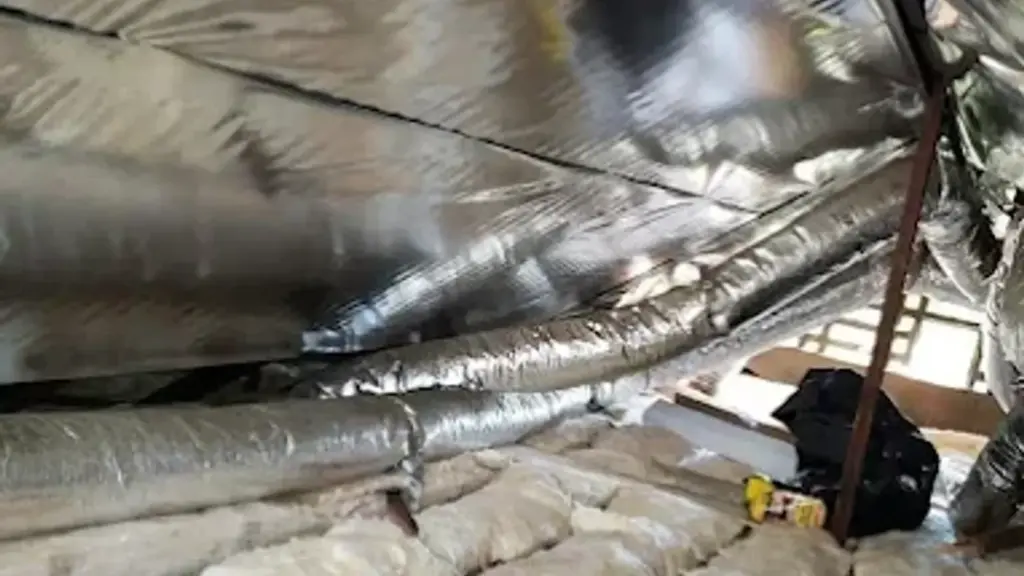
In most of Los Angeles County, the bigger load is cooling, not heating. Sun hits the roof, the roof deck heats the attic, and the attic radiates heat down through the ceiling. Thin or compressed insulation lets that heat pour into bedrooms and living rooms, so the air conditioner runs longer. Ducts that run through a hot attic make it worse, because cooled air warms up before it ever reaches a vent.
Coastal and inland homes behave differently
A house a few blocks from the beach in Malibu deals with marine layer, salt air, and moisture. A home in the San Fernando Valley sees far hotter summer days and cooler nights. California splits the region into different building climate zones for exactly this reason. The same attic depth can feel very different depending on where the house sits, so a one-size answer rarely fits.
Winter still counts
Late fall and winter bring cold, rainy nights along the coast and in the canyons. Warm air rises and escapes through an under-insulated ceiling. If certain rooms feel chilly no matter how high you set the thermostat, the attic is a likely suspect. Mild winters are still winters.
The short version on materials
Three materials cover the vast majority of attic projects we see. Each has a place. None is right for every house.
Blown-in fiberglass and cellulose
Loose-fill insulation is blown in with a machine and settles into an even blanket across the attic floor. It fills gaps around joists, wiring, and odd framing far better than rolled product. Fiberglass loose-fill resists moisture and doesn’t feed mold or pests. Cellulose is made largely from recycled paper treated with fire retardant, and it packs densely, which helps slow air movement. Both work well for topping up or replacing old insulation in open attics.
Fiberglass batts
Batts are the pink or yellow rolls most people picture. They’re a solid choice where joist spacing is regular and the attic is easy to move around in. The catch is installation quality. Batts that are compressed, cut short, or left with gaps lose a meaningful share of their performance. Careful fitting is everything.
Spray foam
Spray foam expands to seal cracks as it insulates, so it doubles as an air barrier. It’s often used on the underside of the roof deck to create a conditioned attic, or to seal specific trouble areas. It requires specialized equipment and trained installers. It also changes how the attic handles moisture and ventilation, so it should be part of a planned approach rather than a quick add-on.
How the common options compare
The table below compares the materials discussed above on the factors homeowners ask us about most.
| Material | How it’s installed | Best fit | Main strength | Main watch-out |
|---|---|---|---|---|
| Blown-in fiberglass | Machine-blown loose fill | Open attics, top-ups, irregular framing | Even coverage, resists moisture | Needs proper depth to reach target R-value |
| Blown-in cellulose | Machine-blown loose fill | Open attics, retrofits over existing material | Dense, helps reduce air movement | Must stay dry; can settle over time |
| Fiberglass batts | Hand-fitted rolls or pieces | Regular joist spacing, accessible attics | Simple, clean installation | Gaps and compression reduce performance |
| Spray foam | Sprayed liquid that expands | Roof deck, air sealing, complex areas | Insulates and air-seals at once | Requires planning for moisture and ventilation |
What R-value actually means
R-value measures resistance to heat flow. Higher numbers resist more. For loose-fill, R-value depends on depth, so a contractor should measure and confirm the finished height across the whole attic. Many California attics are brought into roughly the R-30 to R-38 range during upgrades, but the right target depends on your climate zone and current building standards. Requirements vary by area, so check with your local building department or a licensed pro before settling on a number.
Material matters less than installation
A premium product installed badly underperforms a basic product installed well. Gaps around can lights, exposed top plates, and uncovered attic hatches all leak heat. We spend as much attention on coverage and sealing as on the material itself.
What really drives energy savings
People often ask how much they’ll save. The honest answer depends on your house. We won’t put a number on it without seeing your attic, because too many variables shift the result.
Starting condition
A home with a few inches of old, matted insulation gains far more from an upgrade than one that already has decent coverage. Older homes across Los Angeles, especially ones built before modern energy standards, often have thin or settled insulation. Rodent damage can also crush and contaminate what’s there, which cuts its effectiveness sharply.
Air leaks and ductwork
Insulation slows heat moving through materials. It does little against air pouring through gaps. Sealing penetrations around plumbing stacks, wiring, and light fixtures before insulating helps the new layer do its job. Leaky ducts in the attic matter too. If conditioned air escapes into the attic, a thicker blanket of insulation won’t recover that loss. That’s why we often look at ductwork during an inspection and recommend duct repair or replacement when joints are disconnected or crushed.
How you use your home
Thermostat habits, how many rooms you cool, and how much sun your roof catches all play a part. A west-facing roof in a hot inland neighborhood gains more heat than a shaded coastal one. Homeowners often notice comfort changes first: rooms that stay closer to the thermostat setting and fewer hot or cold spots. Lower utility bills tend to follow, though the size of the change varies.
Old insulation doesn’t always stay
Many people assume new insulation simply goes on top of the old. Sometimes that’s fine. Often it isn’t.
See also: insulation installation.
When removal makes sense
We recommend removing old insulation when it’s contaminated by rodent droppings or urine, water-damaged, moldy, or heavily compressed. Laying fresh material over a contaminated layer traps the problem and can carry odors into the home. Removal also gives us a clear look at the attic floor so we can seal leaks properly.
Cleaning and sanitation before the new layer
Once the old insulation is out, the attic often needs cleaning and sanitizing. Debris, nesting material, and droppings get removed, and the space is treated before anything new goes in. Starting from a clean attic helps the new insulation perform as it should.
Closing the door on rodents
Canyon and hillside homes around Malibu are no strangers to roof rats and other pests. If rodents got in once, they can get in again. Sealing entry points through rodent proofing before reinsulating helps protect the new material. It’s a step worth taking when we find signs of activity.
What actually happens on install day
A clear process removes a lot of the anxiety. Here’s how a typical attic project runs with LA Attic Pro.
Inspection and plan
- Attic inspection. We check current insulation type, depth, and condition, plus signs of pests, moisture, and duct problems.
- Recommendation. You get a plain-language explanation of what we found, which material fits, and whether removal or cleaning should come first.
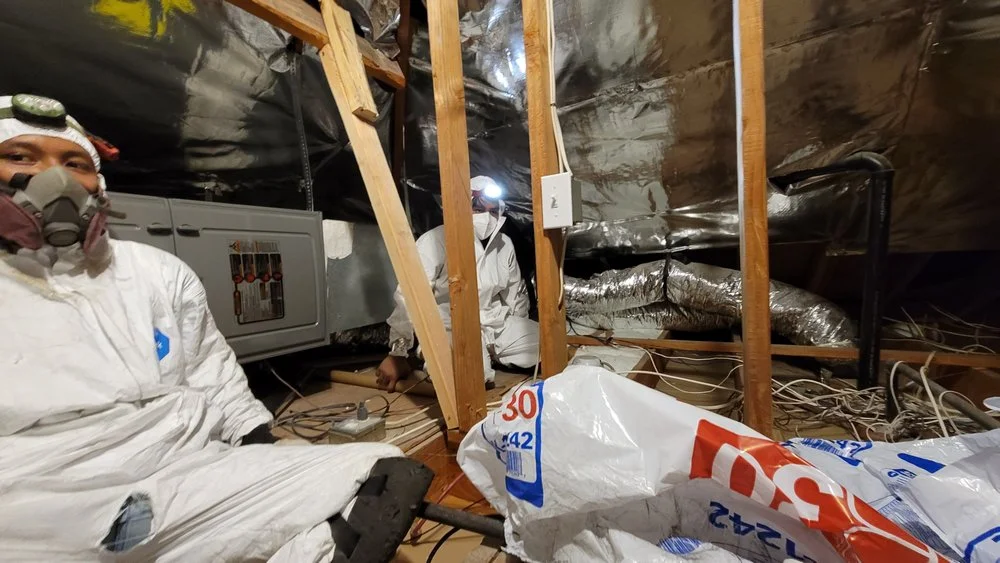
- Preparation. We protect walkways and living areas, then set up equipment so dust stays where it belongs.
- Removal and cleaning, if needed. Old or contaminated insulation comes out and the attic is cleaned.
- Air sealing. Gaps and penetrations get sealed before new insulation goes in.
- Installation. We install the chosen material to the target depth, keeping clearance around required areas and baffles at the eaves to protect ventilation.
- Final walkthrough. We confirm coverage and show you the finished work.
How long it takes
A straightforward top-up in an accessible attic is often finished within a day. Projects that include full removal, sanitation, and rodent work usually take longer. Attic size, access, and the amount of cleanup all shift the timeline. We’ll give you a realistic window after the inspection.
Safety and ventilation
Attics hold wiring, recessed lights, and sometimes gas appliance venting. Insulation has to keep proper clearances from heat sources, and eave vents need to stay open for airflow. This isn’t a space for guesswork. Any electrical or gas concerns found during a project should be handled by a licensed professional in that trade.
Choosing an attic insulation contractor in Los Angeles
Price isn’t the only thing worth comparing. The quotes that look similar on paper can describe very different jobs.
What affects the cost of your project
Several factors shape what an upgrade involves:
- Square footage of the attic floor
- Material type and the depth needed to reach the target R-value
- Whether old insulation must be removed and hauled away
- Cleaning, sanitation, or rodent proofing needs
- Attic access, height, and how easy the space is to move through
- Air sealing and any duct repairs
How to compare quotes
Ask each contractor to name the material, the target R-value, and the finished depth. Ask whether air sealing is included. Ask what happens to the existing insulation. A clear written scope makes quotes comparable. Vague line items make them hard to judge.
Why local experience helps
LA Attic Pro has worked on attics since 1995, and our team is based in Malibu. We see coastal moisture, canyon wildlife, and inland heat across Los Angeles County regularly. That familiarity shapes our recommendations. It’s the kind of knowledge you only build by climbing into a lot of attics.
Frequently asked questions
Can new insulation go over my old insulation?
Sometimes. If the existing layer is dry, clean, and free of pest contamination, topping up often works. Damaged or contaminated insulation should come out first.
Is fall or winter a good time for an attic upgrade?
Yes. Cooler months make attic work more comfortable and get your home ready before the next summer heat. Insulation helps in both seasons.
Do I need a permit for attic insulation?
It depends on the scope and your city. Requirements vary across Los Angeles County, so check local codes or ask us to talk through what applies to your project.
Will better insulation fix hot upstairs rooms?
It often helps a lot. Hot rooms can also come from leaky ducts or poor airflow, so we check those during the inspection.
How do I know if rodents have damaged my insulation?
Look for droppings, tunnels, flattened areas, or musty odors. Scratching sounds at night are another sign. An inspection confirms the extent.
Do you work outside Malibu?
Yes. LA Attic Pro serves homes throughout Los Angeles County, from coastal neighborhoods to the valleys.
Ready to see what’s in your attic?
A comfortable house starts with knowing what’s overhead. Thin, settled, or contaminated insulation is common in Los Angeles and Malibu homes, and an inspection shows exactly where yours stands. Let LA Attic Pro take a look and give you a clear plan. Schedule your attic insulation inspection today and find out what your attic needs.