
Attic insulation is not a set-it-and-forget-it upgrade, especially in a city as dynamic as Los Angeles. Our summers stretch long, our shoulder seasons bring fog and dew to some neighborhoods and hot, dry winds to others, and many homes have attics that double as passageways for ducts, wiring, and the occasional storage bin. Keeping that space in top shape pays off every single day you ask your home to stay cool. With a little attention and a clear plan, you can make sure your attic insulation continues to deliver steady, quiet comfort year after year.
Maintenance begins with awareness. The attic is out of sight, but it is the front line against Los Angeles heat. A quick seasonal check prevents small issues from becoming stubborn problems. After a stretch of triple-digit days in the Valley or a week of dry Santa Ana winds, a peek into the attic can reveal settling, displaced material near the access hatch, or signs that airflow at the eaves could be better. These are small course corrections that keep your home performing like the day the insulation was installed.
Make seasonal check-ins part of your routine
Think of your attic the way you think of your yard before the first hot spell. A spring check sets you up for summer. Look for even coverage, open ventilation paths at soffits, and a sealed, insulated hatch. If you notice exposed joists or shallow spots near the perimeter, note them for a touch-up. After major heat events or windy periods, another look can catch areas where foot traffic or vibration shifted material. A little attention in these moments prevents small gaps from becoming heat highways that warm rooms by late afternoon.
After any significant rain—yes, Los Angeles gets those bursts—scan for signs of moisture. Staining near roof penetrations, a musty smell, or damp insulation indicate a leak or condensation issue that deserves prompt attention. Insulation that has been wet loses effectiveness and should be replaced after the source is resolved. Keeping the attic dry is as important as keeping it insulated, and the two goals support each other.
Protect airflow while maximizing coverage
Good insulation work coexists with healthy attic ventilation. Baffles at the eaves maintain a channel for outdoor air while allowing full-depth coverage right to the edge. Over time, material can slide or be pushed into those cavities, especially near narrow rafter bays. Part of maintenance is confirming that those pathways remain open. If you store items along the perimeter or trades have worked in the attic, make sure nothing blocks the intake vents. A ventilated attic runs cooler, which helps your insulation, your ducts, and your roof all at once.
At the same time, prioritize continuity. The goal is a thermal blanket that is even and unbroken. Avoid compressing the material with storage or walking paths. If you need regular access, consider designated walkboards that bridge joists and keep weight off the insulation. The payoff shows up on the hottest afternoons when your ceiling stays a comfortable, consistent temperature instead of radiating heat into living spaces.
Mind the hatch and the small openings
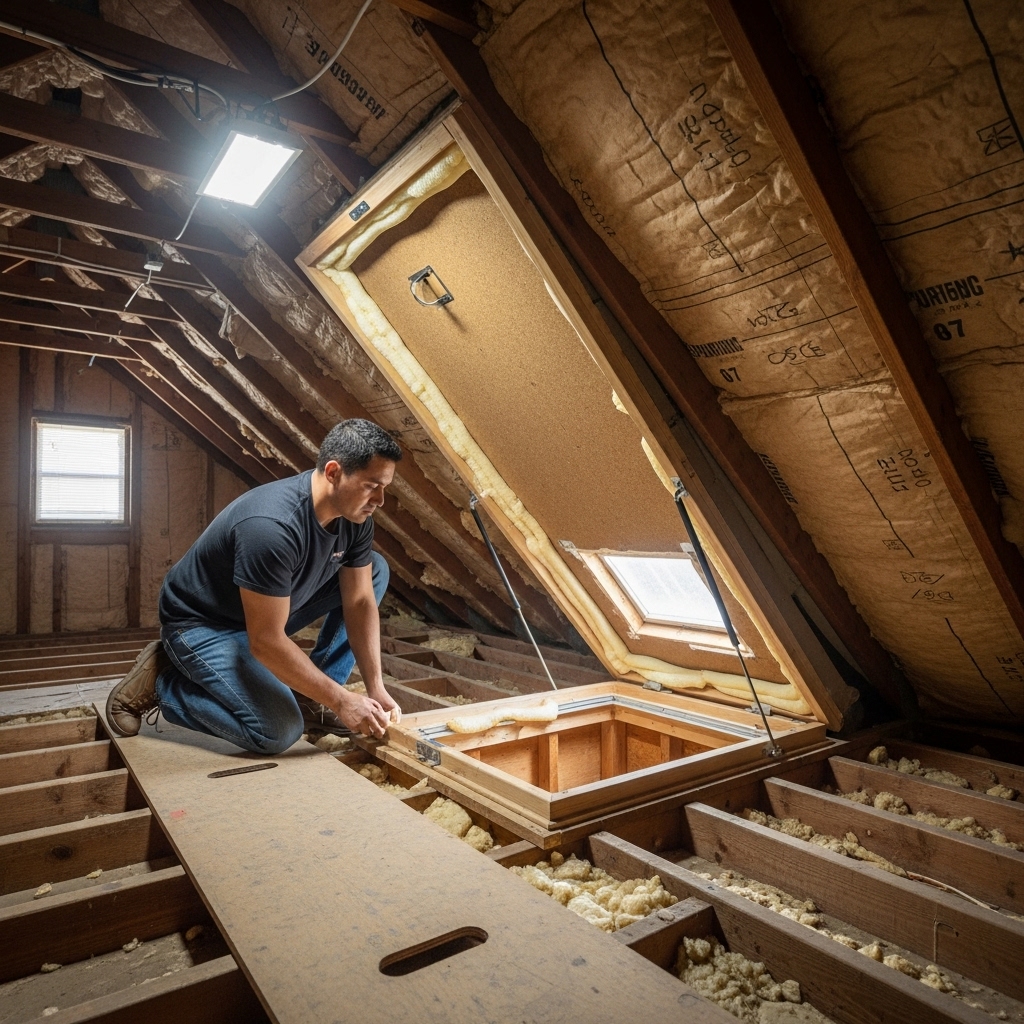
The attic access is a critical and frequently overlooked component. Weatherstripping can age, and insulated covers can shift or degrade. Make a point of checking the fit and seal every season. A quick refresh—pressing the seal back into place, replacing worn foam, or reattaching a cover—pays back with better performance nearby, especially in hallways and bedrooms located under the access opening. Think of the hatch as part of the ceiling, not an exception to the rules that govern the rest of the attic.
Small penetrations also deserve attention. Cable runs, bath fan housings, and plumbing vents are all opportunities for air to move where it should not. If you notice new holes or disturbed sealant after other work, schedule a quick reseal. These are simple tasks that maintain the integrity of the boundary between the attic and living spaces, and they ensure your insulation does not get bypassed by hot air on windy afternoons.
Watch for signs of pests and address them early
Los Angeles attics sometimes attract unwelcome visitors. The signs are subtle at first: a faint odor, disturbed insulation, or small dark pellets along a joist. Early action makes all the difference. Sealing entry points, cleaning affected areas, and replacing compromised insulation returns the space to a healthy baseline. The same steps that improve energy performance—tightening penetrations and screening vents—also make the attic less inviting for rodents. Your nose, a flashlight, and a few minutes of attention a couple of times a year are often enough to catch issues while they are still minor.
Remember that contamination is not just a cleanliness issue; it is a performance issue. Soiled or compacted insulation does not provide its rated resistance to heat flow, and odor can migrate into living spaces. A clean, even attic layer is foundational to comfort, and keeping it that way is a form of home health maintenance in a city where we depend on our homes to buffer extreme conditions.
Coordinate attic care with other projects
Roofing, electrical work, and HVAC service often pass through the attic. Coordination prevents damage and preserves the investment you have made. If a re-roof is on the calendar, plan for a post-project check to make sure ventilation remains clear and insulation has not been displaced. When electricians add circuits or low-voltage lines, confirm they reseal the penetrations they create. HVAC techs servicing air handlers or ducts should protect nearby insulation and reset any moved pieces before leaving. A friendly reminder and a quick follow-up glance keep everything in alignment.
If you are considering future upgrades—like a new heat pump or filtration improvements—think of the attic first. A stable thermal boundary makes every system that interacts with the attic more effective. Maintenance is not just about keeping what you have; it is about preparing the house for whatever comes next so new investments deliver their full value the day they are installed.
Know when topping up makes sense
Even well-installed insulation can settle slightly over many years, and houses change as additions are added or equipment is replaced. If your seasonal checks reveal consistent areas that are shallow, or if comfort has slipped in rooms that used to feel excellent, a top-up may be in order. The process is straightforward when the existing material is clean and evenly distributed. New material is added to restore uniform depth, baffles are verified, and the hatch is tuned. The difference can be immediate, especially during the first hot week that puts the house to the test.
Where contamination is present or the existing material is a patchwork of types and ages, a reset—removal and a fresh start—is often the better route. It restores a clean baseline and allows the installer to seal the ceiling plane thoroughly before rebuilding the thermal layer. Either path aims at the same outcome: a consistent, continuous blanket that keeps heat at bay and makes rooms feel predictably comfortable through Los Angeles summers.
Listen to your home’s daily rhythms
Maintenance is easier when you know what normal feels like. Pay attention to how your home behaves on a standard hot day. Do bedrooms warm rapidly by midafternoon, or do they hold their cool? Does the hallway under the attic hatch feel drafty or warm? Does the air conditioner cycle frequently without achieving a steady state? Subtle changes in these patterns are early indicators that the attic could use attention. Trust your senses; they often notice comfort shifts before any instrument does.
Think seasonally, too. After a week of marine layer mornings, look for signs of condensation in the attic or musty odors that suggest moisture is present. After a dry wind event, check for displaced material or dust accumulation around eaves. The attic’s conditions are dynamic, and responding to them with small adjustments keeps the home on an even keel.
Safety and access best practices
When you or a professional enters the attic, a few habits keep the space performing well. Walk on joists or designated walkboards, not on the insulation itself. Avoid storing heavy items that compress the thermal layer, and keep clear areas around mechanical equipment to prevent accidental disturbances. Replace the hatch cover carefully and check its seal each time. These simple practices preserve the continuity that makes insulation effective.
If the attic includes older recessed lights or wiring, let an electrician address any questions before you consider changes. Safety and performance go hand in hand. An attic that is tidy, well-lit, and thoughtfully arranged invites careful work from any trade, which reduces the likelihood of inadvertent damage to the insulation you rely on during the hottest months.
Long-term benefits of consistent care
A maintained attic pays off quietly in daily life. Your AC runs more steadily, rooms feel even from morning to night, and dust seems to settle more slowly on surfaces. Roof assemblies experience less thermal stress, and ducts live in a gentler environment. Over years, these effects accumulate into fewer surprises and a home that simply feels well kept. When a heatwave rolls through, you notice the difference most—your home does not panic. It remains composed and livable, the way you intended when the insulation was first installed.
There is also a resilience factor. A house that controls heat gain well handles power interruptions and setpoint adjustments more gracefully. The thermal mass of your interiors, paired with a strong attic boundary, stretches comfort through the hottest hours with less assistance from mechanical systems. In a city where grid stress can spike on hot afternoons, that steadiness is a comfort on its own.
FAQ
Q: How often should I check my attic insulation? A: Aim for a quick look in spring before the first heat wave and again after major weather events—big winds, unusual rain, or protracted heat. These check-ins catch small issues early and keep performance consistent.
Q: What are the most common maintenance issues? A: Displaced material near the hatch, blocked eave ventilation, minor settling in high-traffic areas, and small air leaks from recent trades work. Each is simple to correct when discovered early.
Q: Can I add insulation myself if I see shallow spots? A: Minor top-ups are possible for some homeowners, but continuity and air sealing are critical. If you are unsure about ventilation baffles, electrical clearances, or material compatibility, a professional assessment is the safer path.
Q: How do I know if moisture is a problem? A: Look for staining, musty odors, or insulation that feels damp. Confirm that bath fans and other vents terminate outdoors. Address the source first, then replace affected insulation to restore performance.
Q: Will walking in the attic damage my insulation? A: It can. Use joists or walkboards, avoid compressing the material, and reset anything disturbed before you leave. Treat the attic blanket like a crucial component, because it is.
Keep your attic—and your comfort—on track
A small rhythm of care keeps your home cool, clean, and quiet through the longest Los Angeles summers. A few seasonal minutes protect the investment you have made and help every other system in the house do its job with less effort. If you suspect your attic needs attention, or if you are ready to restore top performance with a thoughtful tune-up, begin with a focused look at attic insulation. The result is a home that meets heat with ease and gives you back evenings and weekends that feel exactly the way you want them to feel.