
How Camarillo’s Summer Heat Exposes Weak Attic Insulation (And What to Do About It)
Camarillo sits in a climate that fools a lot of homeowners. The coastal breezes feel mild, so it’s easy to assume your attic is doing fine. Then July arrives, afternoon temperatures push into the 90s, and suddenly your upstairs rooms feel like a slow oven. If your air conditioner runs constantly and your energy bills climb every summer, your attic insulation is the first place to look. This guide explains exactly what’s happening up there and how to fix it.
Why Camarillo’s Climate Is Harder on Attics Than It Looks
The Coastal Heat Trap
Camarillo’s position in the Conejo Valley creates a specific thermal pattern that surprises many residents. Marine air keeps mornings cool, but afternoon sun heats rooftops aggressively because the same marine layer that moderates temperatures also traps radiant heat close to the ground. A dark composition shingle roof can reach surface temperatures well above 150°F on a clear summer afternoon, even when the air temperature reads only 88°F. That heat conducts straight into your attic space.
Attic air temperatures routinely exceed outdoor air temperatures by 30 to 50 degrees on peak summer days. Without adequate insulation depth and proper ventilation working together, that superheated air pushes through your ceiling and into your living space. Your HVAC system then has to fight against a heat source it was never designed to handle alone.
The Marine Moisture Factor
What makes Camarillo’s situation more nuanced than a purely hot, dry climate is the moisture that rolls in from the Pacific. Overnight and early-morning humidity can be significant, especially from late spring through early fall. When that moisture enters an attic with poor ventilation, it can condense on cooler surfaces like roof sheathing and rafter undersides. Over time, this cycling between dry afternoon heat and damp overnight air degrades insulation materials faster than either condition would alone.
Fiberglass batts that absorb moisture lose a measurable portion of their thermal resistance. Blown-in cellulose can compact and settle when it repeatedly gets damp. Neither problem is visible from your living room, which is why periodic attic evaluations matter more in coastal Ventura County than in purely arid inland areas.
What the R-Value Numbers Actually Mean for Your Home
R-value measures thermal resistance. The higher the number, the better the material resists heat flow. California’s Title 24 energy code sets minimum R-value requirements for attic insulation, and those requirements differ depending on your climate zone. Camarillo falls in a zone that calls for meaningful insulation depth, yet many homes built before the early 2000s were insulated to standards that are now considered insufficient.
A practical way to check: go into your attic and look at your floor joists. If you can see the tops of the joists clearly, your insulation depth is almost certainly below current recommendations. Joists should be buried, or at minimum flush with the insulation surface, for a well-insulated attic floor. If you see bare wood, you’re losing conditioned air through your ceiling every single day.
The Ventilation Side of the Equation (Most Homeowners Miss This)
Insulation Without Ventilation Is Only Half the Solution
Here’s a counterintuitive point: adding more insulation to a poorly ventilated attic can actually make some problems worse. Insulation slows heat transfer, but it doesn’t remove heat. Ventilation removes heat. The two systems are designed to work together, and neglecting either one leaves performance on the table.
A properly ventilated attic uses a combination of intake vents (typically at the soffits) and exhaust vents (at the ridge or upper roof) to create a continuous airflow channel. Cool air enters at the low point, picks up heat as it rises, and exits at the top. This passive system can keep attic temperatures much closer to outdoor air temperature, which dramatically reduces the load on your insulation and your HVAC system.
Common Ventilation Problems in Camarillo Homes
Several ventilation failures show up repeatedly in Ventura County attics:
- Blocked soffit vents: Blown-in insulation that has drifted toward the eaves can cover soffit vent openings entirely. Baffles (also called rafter vents or vent chutes) are supposed to keep this channel clear, but they’re often missing in older installations or get dislodged over time.
- Inadequate exhaust: Some homes have only gable-end vents with no ridge vent, which limits the chimney effect that drives passive airflow. Others have ridge vents that were installed but never properly connected to the intake system.
- Disconnected bath or kitchen exhaust fans: Fans that vent directly into the attic rather than through the roof dump warm, moist air into the space. This is a building code violation in most jurisdictions, but it’s still common in older homes. Requirements vary by area, so consult a licensed contractor to confirm what applies to your home.
- Air sealing gaps around can lights and penetrations: Gaps around recessed lighting, plumbing stacks, and HVAC boots allow conditioned air to escape into the attic and hot attic air to infiltrate your living space. These bypasses are often more significant than the insulation R-value itself.
How to Do a Basic Visual Check Before Calling a Contractor
You don’t need special equipment for a preliminary assessment. On a hot afternoon, open your attic hatch briefly and feel the air. It should be hot, but if it feels like a blast furnace, your ventilation is likely insufficient. Look for daylight at the soffits (a good sign) and check that your ridge vent, if you have one, isn’t painted over or clogged with debris. Note any dark staining on roof sheathing, which can indicate past or ongoing moisture issues. Bring a flashlight and check insulation depth at several points across the floor, not just near the hatch where installers sometimes pile extra material.
This quick walk-through gives you useful information to share with an attic insulation contractor in Camarillo when you schedule a professional evaluation.
Signs Your Current Insulation Is Underperforming
Inside the Home
Your living space tells the story before you ever look in the attic. Watch for these patterns:
- Rooms on the top floor are consistently warmer than rooms on lower floors, even with the HVAC running.
- Your air conditioner cycles on almost immediately after shutting off during afternoon hours.
- Energy bills spike sharply in June through September relative to spring and fall months.
- You notice drafts near ceiling light fixtures or ceiling fans, which can indicate air movement through insulation gaps.
- The ceiling feels noticeably warm to the touch on hot days.
Inside the Attic
Once you’re up there with a flashlight, look for:
- Insulation that has compressed, matted, or settled significantly. Blown-in insulation that started at R-38 depth can settle to R-30 or less over years.
- Wet or discolored patches, which suggest moisture infiltration.
- Evidence of rodent activity. Rodents nest in insulation and can degrade large sections. If you see droppings or nesting material, the insulation in those areas has likely lost much of its thermal value.
- Visible gaps around any penetrations through the ceiling plane.
- Old vermiculite or other materials that may predate modern insulation standards.
Your Energy Bills Over Time
Pull your utility bills for the past two or three summers and compare them to your square footage and the number of occupants. If your cooling costs have been rising steadily without a corresponding increase in occupancy or appliance use, degrading insulation is a likely contributor. A qualified attic insulation contractor can help you interpret those numbers in the context of what they find during an inspection.
Insulation Material Options: A Practical Comparison
Not all insulation materials perform the same way in Camarillo’s specific climate conditions. Here’s a straightforward comparison of the most common options for attic applications:
| Material | R-Value per Inch | Moisture Resistance | Best Application | Notes for Coastal Climates |
|---|---|---|---|---|
| Blown-in Fiberglass | Approx. 2.2, 2.7 | Good (does not absorb water) | Attic floor, new installs and top-ups | Maintains R-value better than cellulose when moisture cycles occur |
| Blown-in Cellulose | Approx. 3.2, 3.8 | Moderate (can absorb moisture) | Dense-pack walls, attic floors | Higher R-value per inch, but requires good ventilation to avoid moisture retention |
| Fiberglass Batts | Approx. 3.1, 3.7 | Good when dry | Rafter bays, retrofit over existing | Easy to install but gaps around batts reduce real-world performance significantly |
| Spray Foam (open-cell) | Approx. 3.7 | Moderate | Air sealing around penetrations | Excellent for sealing bypasses before adding bulk insulation |
| Spray Foam (closed-cell) | Approx. 6.0, 7.0 | Excellent | Roof deck (unvented attic assemblies) | Higher cost but creates a conditioned attic space; good for homes with HVAC in attic |
The right choice depends on your existing conditions, your HVAC configuration, and your budget. LA Attic Pro can walk you through the options during an on-site evaluation and recommend what makes sense for your specific home in Camarillo.
The Professional Evaluation Process: What to Expect
What a Thorough Inspection Covers
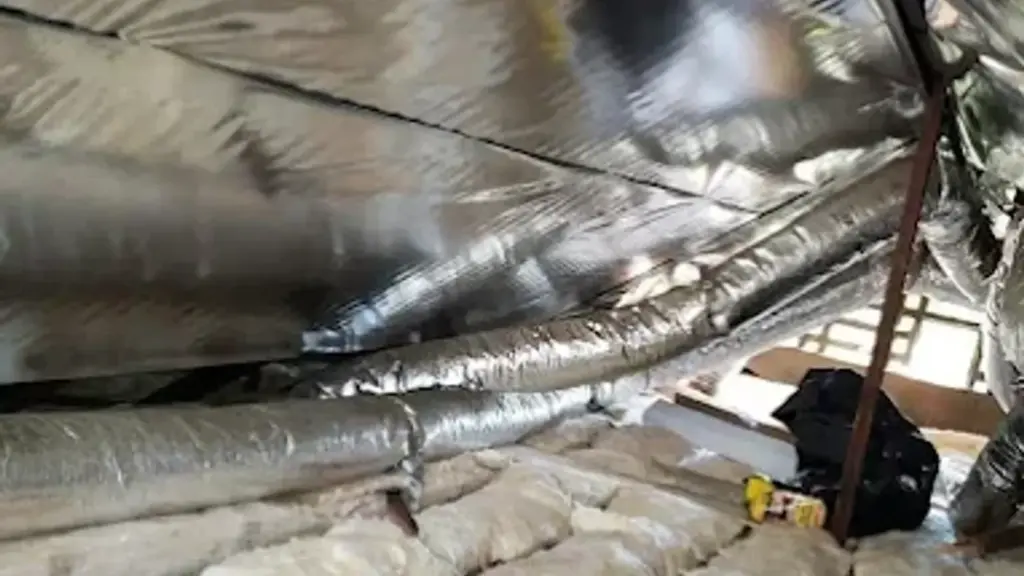
A professional attic evaluation goes well beyond poking a ruler into the insulation. A qualified attic insulation contractor will assess current insulation depth and condition at multiple points, check for air bypasses around all ceiling penetrations, inspect ventilation intake and exhaust pathways, look for signs of moisture damage or rodent activity, and evaluate the condition of any HVAC ductwork running through the attic space. Duct leakage in an unconditioned attic is one of the most significant and overlooked energy losses in California homes.
The inspection should also include a conversation about your comfort complaints and energy bill patterns. That context helps a contractor prioritize the work that will have the most impact for your specific situation.
What Comes After the Assessment
A good contractor presents findings clearly and explains the recommended sequence of work. In most cases, air sealing comes before adding insulation depth, because sealing bypasses first makes the insulation you add far more effective. If there’s rodent damage or moisture-compromised material, removal and sanitation precede new installation. If ventilation is inadequate, that gets addressed as part of the scope.
LA Attic Pro handles the full sequence, from insulation removal of degraded material through air sealing, ventilation correction, and new installation. Having one team manage the complete scope avoids the coordination gaps that happen when multiple contractors hand off work to each other.
Timeline and Disruption
Most residential attic insulation projects in Camarillo complete within one to two days, depending on scope. Removal of old material takes longer than installation of new material, so projects that include a full tear-out run toward the longer end. The work happens entirely in the attic, so your living space stays functional throughout. You’ll want to keep the attic hatch area clear and expect some dust management around that access point.
Maintaining Performance After Installation
Simple Annual Checks
New insulation doesn’t require much ongoing maintenance, but a quick annual check protects your investment. Once a year, ideally in late spring before summer heat arrives, take a brief look in the attic. Confirm that insulation hasn’t shifted away from the eave areas, check that soffit vents are clear, and look for any signs of new moisture staining or pest activity. Catching a small problem early is always easier than addressing a large one later.
Filter and HVAC Coordination
Your attic insulation works as part of a larger building envelope system. Keeping your HVAC system properly maintained, changing air filters on schedule, and ensuring supply and return vents in your living space are unobstructed all contribute to how efficiently your insulated attic performs. If you have ductwork running through the attic, periodic duct inspection is worth adding to your maintenance routine, since duct leaks can undermine even excellent insulation.
When to Schedule a Re-Evaluation
Plan for a professional re-evaluation if you notice renewed comfort complaints after a few years, if you’ve had a rodent intrusion, if you’ve done significant remodeling that involved opening ceiling cavities, or if you’re preparing to sell the home and want to document insulation condition for buyers. In Camarillo’s active real estate market, documented attic condition and recent insulation work can be a meaningful selling point.
Frequently Asked Questions
How do I know if my attic insulation meets current California standards?
The quickest check is measuring insulation depth and comparing it to the R-value requirement for your Title 24 climate zone. A licensed contractor can do this during an inspection and tell you specifically how your current installation compares to current code minimums. Requirements have changed over the years, so homes built more than 15 to 20 years ago often fall short by today’s standards.
Can I just add insulation on top of what’s already there?
Sometimes, yes. If existing insulation is dry, undamaged, and free of pest contamination, adding new material on top is a cost-effective way to increase R-value. If the existing material is compressed, wet, or contaminated, removal first produces better long-term results. A professional evaluation determines which approach is appropriate for your specific attic.
Does attic insulation affect my air conditioning system’s lifespan?
It can. When an attic is poorly insulated, the HVAC system runs longer cycles to compensate for heat gain through the ceiling. Extended run times accumulate wear on compressors, fans, and other components. Improving attic insulation reduces that load, which can extend equipment service life and reduce the frequency of maintenance issues.
How does Camarillo’s climate compare to other parts of Ventura County for insulation needs?
Camarillo’s coastal influence makes it somewhat cooler than inland Ventura County areas like Fillmore or Santa Paula, but it still experiences significant summer heat events, particularly when offshore flow conditions push temperatures well above average. The marine moisture factor also creates specific considerations around ventilation and material selection that differ from purely inland or desert climates.
Is attic insulation work disruptive to daily life?
Minimally. The work happens in the attic space, not in your living areas. You’ll want the area around the attic access hatch clear, and there may be some noise during removal if that’s part of the scope. Most homeowners find they can work from home or go about their normal routine during the project without significant disruption.
What’s the difference between an attic insulation service and a full attic cleaning?
An attic insulation service focuses on evaluating, removing, and replacing thermal insulation materials. A full attic cleaning typically includes removal of debris, pest waste, and contaminated material, along with sanitization of the space before new insulation goes in. When pest activity has occurred, the cleaning and sanitation step is an important prerequisite to any new insulation installation.
Conclusion
Camarillo’s climate asks more of your attic than most homeowners realize. The combination of summer radiant heat, marine moisture cycling, and aging insulation materials creates a performance gap that shows up in your comfort and your energy bills, often for years before anyone looks up at the ceiling and asks why. Getting a professional evaluation is the first step toward understanding exactly what’s happening in your attic and what it would take to fix it. Ready to find out where your home stands? Schedule your attic insulation evaluation with LA Attic Pro and get a clear picture of what’s costing you comfort this summer.