
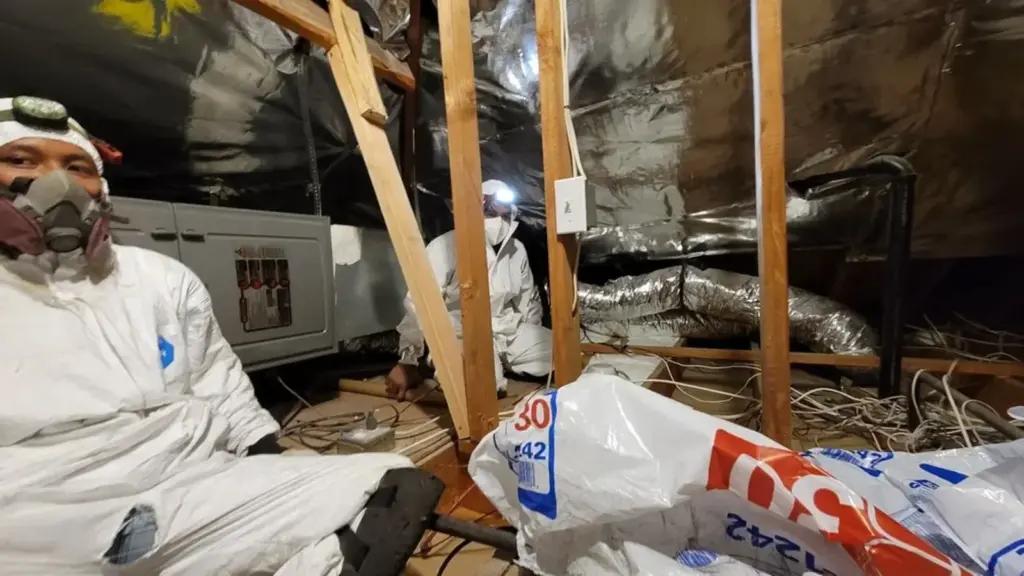
How to Choose the Right Attic Insulation Contractor in Camarillo, CA
Picking the wrong contractor for your attic insulation project costs more than money. A poorly installed job can leave cold spots, trap moisture, and force your HVAC system to work harder for years. Camarillo homeowners face a specific set of conditions, from marine layer humidity to warm inland summers, that make proper insulation installation more nuanced than a simple DIY weekend project. This guide gives you a practical framework for evaluating every contractor you talk to.
Why Camarillo’s Climate Makes Contractor Selection Matter More
The Marine Layer Effect on Attic Spaces
Camarillo sits in a corridor where cool, moist Pacific air regularly pushes inland overnight. That moisture doesn’t just make mornings comfortable; it also works its way into attic spaces through gaps in the building envelope. A contractor who understands this dynamic will assess your attic’s ventilation balance and vapor management before recommending any material. One who doesn’t may install a beautiful layer of insulation directly over a moisture problem, trapping it inside.
Thermal Demands Specific to Ventura County
While Camarillo avoids the extreme heat of the San Fernando Valley, summer afternoons can still push attic temperatures well above 130 degrees Fahrenheit. That thermal load radiates directly into your living space if the attic floor isn’t adequately insulated. The right contractor will size the R-value to California’s Title 24 energy code requirements for Climate Zone 6, which covers most of Camarillo. Requirements vary, so confirming compliance with a licensed professional is always the right call rather than relying on a general rule of thumb.
How Local Building Codes Shape the Project
Ventura County and the City of Camarillo follow California’s energy efficiency standards, and any permitted work must meet those benchmarks. Not every insulation job requires a permit, but upgrades that are part of a larger renovation often do. A knowledgeable contractor will tell you upfront what documentation is needed and pull the appropriate permits rather than leaving that responsibility vague. If a contractor brushes off the permit question, that is worth noting.
Credentials and Licensing: The Non-Negotiables
California Contractor’s License Requirements
In California, insulation contractors typically operate under a C-2 (Insulation and Acoustical) license issued by the Contractors State License Board (CSLB). You can verify any license number directly on the CSLB website in about two minutes. Check that the license is current, that the bond is active, and that there are no formal complaints or disciplinary actions on record. This is not a bureaucratic formality; it is your primary protection if something goes wrong.
Insurance Coverage You Should Confirm
Ask for a certificate of insurance before any work begins. You want to see general liability coverage and workers’ compensation. General liability protects your property if the crew damages something. Workers’ comp protects you from liability if a worker is injured on your property. If a contractor carries neither, any incident during the job could become your financial problem. Reputable contractors provide these documents without hesitation.
Manufacturer Certifications and Training
Beyond the state license, look for contractors whose installers have completed manufacturer training programs for the specific materials they use, whether that is blown-in fiberglass, cellulose, or spray foam. These programs cover proper equipment calibration, density requirements, and installation depth verification. A certified installer knows the difference between a product that performs as rated and one that was rushed into place at the wrong density.
The Right Questions to Ask Before You Sign Anything
Questions About the Assessment Process
A thorough attic insulation contractor in Camarillo should want to inspect your attic before quoting. Ask how they assess existing insulation levels, air sealing needs, and ventilation. A contractor who quotes over the phone based on square footage alone is skipping the steps that determine whether the finished job will actually perform. The inspection should include checking for existing moisture damage, identifying bypasses around recessed lights and plumbing penetrations, and measuring current R-value.
Questions About Materials and Methods
Ask which insulation materials they recommend for your specific attic configuration and why. Common options for Camarillo attics include blown-in fiberglass, blown-in cellulose, and fiberglass batts, each with different performance characteristics. A good contractor explains the trade-offs rather than defaulting to whatever they have on the truck. Also ask whether air sealing is part of the scope. Adding insulation over unsealed bypasses is one of the most common reasons insulation upgrades underdeliver on energy savings.
Questions About Cleanup and Post-Installation Verification
Find out how the crew manages debris and whether they verify installed depth after the job. Blown-in insulation is typically confirmed with depth rulers placed throughout the attic before the crew leaves. Ask who does the final walkthrough and what documentation you receive. A written record of the installed R-value and material used is useful for permit close-out, future real estate transactions, and any warranty claims.
Red Flags That Should Make You Pause
Pressure to Decide Immediately
A legitimate contractor gives you time to review a written proposal and compare it against other quotes. High-pressure tactics, such as a price that expires by end of day or a claim that crews are only available this week, are sales techniques, not signs of quality work. Take the time you need.
Unusually Vague Proposals
Your written proposal should specify the material type, the manufacturer, the installed R-value, the square footage covered, and what happens to any existing insulation (removal, encapsulation, or addition on top). A proposal that says only “attic insulation” with a single line item tells you very little about what you are actually getting. Vague scopes make disputes nearly impossible to resolve.
No Mention of Air Sealing
Air sealing and insulation work together. Skipping air sealing, particularly around top plates, recessed lighting, attic hatches, and duct penetrations, leaves significant performance on the table. If a contractor never brings it up, ask directly. Their answer will tell you a lot about how thoroughly they approach the work.
Comparing Multiple Quotes: What to Actually Look At
Getting multiple quotes is smart, but comparing them only on final price misses the point. Use the table below to evaluate quotes on the factors that actually determine the quality of the finished job.
| Evaluation Factor | What to Look For | Red Flag |
|---|---|---|
| License Verification | Active CSLB C-2 license, no complaints | Cannot provide license number |
| Insurance | General liability + workers’ comp certificate | Verbal assurance only, no certificate |
| Attic Assessment | In-person inspection before quoting | Phone quote based on square footage only |
| Scope Specificity | Material, R-value, sq. footage, air sealing noted | Single line item with no material details |
| Air Sealing Included | Bypasses sealed before insulation is added | Not mentioned or dismissed as unnecessary |
| Depth Verification | Depth rulers installed, documented at completion | No post-install verification process |
| Permit Handling | Contractor advises on permit requirements | Avoids the permit question entirely |
| Cleanup | Debris removal included, attic access left clean | Cleanup described as an add-on cost |
What a Quality Attic Insulation Installation Actually Looks Like
The Pre-Installation Walkthrough
Before any material goes in, a quality crew does a pre-installation walkthrough that covers attic ventilation, existing insulation depth and condition, moisture indicators, and the location of every air bypass. This step takes time. If a crew arrives and immediately starts unloading equipment without any assessment conversation, that is worth questioning.
Air Sealing First, Then Insulation
Proper sequencing matters. Air sealing with foam or caulk happens before blown-in material is installed, because once the attic floor is covered, those bypasses are buried and inaccessible. Gaps around top plates, recessed can lights, attic hatches, and where plumbing or wiring penetrates the ceiling all need attention. This step is invisible in the finished product, which is exactly why some crews skip it.
Material Installation and Final Verification
Blown-in insulation is installed to a target depth that corresponds to the specified R-value for the material being used. Depth rulers placed across the attic floor let the crew and the homeowner confirm coverage before the job is signed off. You should receive documentation showing the installed R-value, the square footage covered, and the material used. That paperwork has real value beyond the day of installation.
LA Attic Pro’s Approach to Insulation in Camarillo
Serving the Camarillo Area with a Full Scope of Attic Services
LA Attic Pro serves Camarillo and the broader Ventura County area, handling everything from attic insulation installation to insulation removal, attic cleaning, rodent proofing, and air duct services. That full-service scope matters because attic problems rarely arrive in isolation. A home that needs new insulation often also has air duct issues or evidence of pest activity that should be addressed in the same project rather than discovered later.
What Sets a Thorough Service Apart
The difference between a satisfactory installation and one that actually delivers on energy efficiency comes down to the details covered above: a real assessment before quoting, air sealing as part of the scope, proper material installation, and documented verification at the end. When you schedule an attic insulation assessment with a contractor who follows this process, you have a clear record of what was done and a realistic expectation of results.
Reviews and Local Track Record
With a 5-star rating across 34 Google reviews, LA Attic Pro has built a track record in the Camarillo and Ventura County market. When evaluating any contractor, reading reviews with an eye toward specifics, such as whether reviewers mention the crew’s thoroughness, communication, and cleanup, gives you a more useful signal than star count alone.
Frequently Asked Questions
How long does a typical attic insulation job take in Camarillo?
Most residential attic insulation installations in Camarillo are completed in a single day. Larger homes, attics requiring significant air sealing work, or projects that include insulation removal first may take longer. Your contractor should give you a realistic timeline before work begins.
Should old insulation be removed before adding new material?
Not always. If existing insulation is dry, undamaged, and free of pest contamination, blown-in material can often be added on top to bring the total R-value up to current standards. If there is moisture damage, rodent activity, or the material has degraded, removal first is the right call. A proper inspection determines which situation applies to your attic.
What R-value does an attic in Camarillo need?
California’s Title 24 energy code specifies R-value requirements by climate zone, and Camarillo falls within a zone that typically calls for R-38 or higher in attic applications, though the exact requirement can vary based on the scope of work and permit type. Confirm the applicable requirement with your contractor and the local building department rather than relying on a general figure.
Is attic insulation installation messy? What does cleanup look like?
Blown-in insulation generates dust and loose material during installation. A professional crew protects the attic access area, uses containment where needed, and removes debris before leaving. Ask your contractor to describe their cleanup process specifically, and confirm it is included in the project scope rather than treated as an optional add-on.
Can I stay home during the installation?
Yes. Most attic insulation installations are non-invasive to the living space. The crew works through the attic access hatch, and the main disruption is noise from blowing equipment. You do not need to vacate the property, though some homeowners prefer to be out during the noisier portions of the work.
What should I do if I suspect rodent activity in my attic before scheduling insulation?
Tell the contractor before the assessment visit. Rodent activity, including droppings, nesting material, or chewed insulation, needs to be addressed through proper sanitation and rodent proofing before new insulation goes in. Installing over contaminated material is not a solution and can create ongoing issues. A contractor who offers both rodent sanitation and insulation services can handle the full scope in a coordinated way.
Making Your Decision with Confidence
Choosing the right attic insulation service in Camarillo comes down to a handful of concrete steps: verify the license, confirm insurance, insist on an in-person assessment, and read the proposal carefully before signing. The contractors who do this work well are not hard to identify because they explain their process clearly, put the scope in writing, and welcome your questions. The ones who don’t are usually identifiable just as quickly.
When you are ready to move forward, book your attic insulation assessment with LA Attic Pro and get a thorough, written evaluation of your Camarillo home’s attic from a team that knows the local conditions and does the job right the first time.