
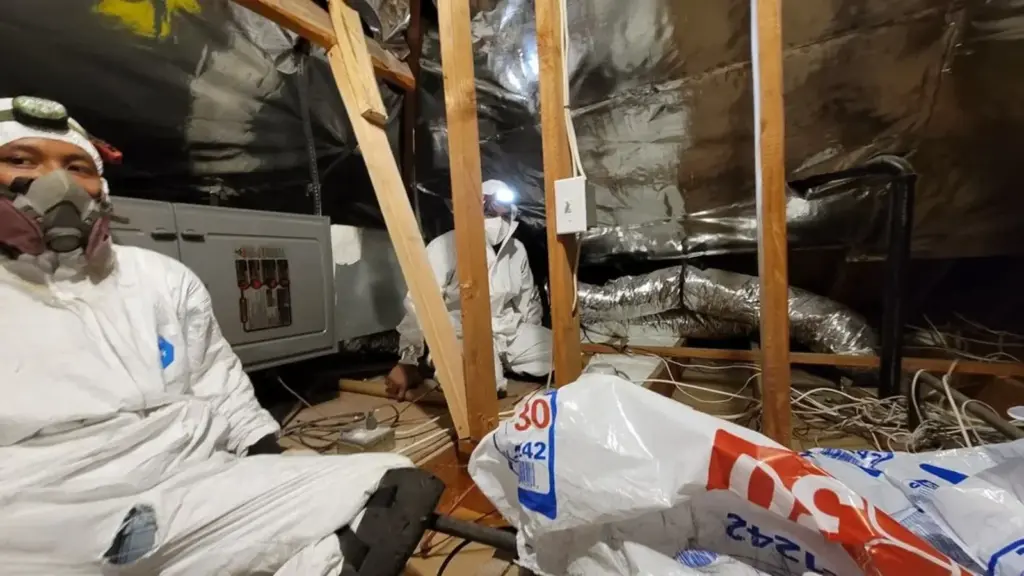
Insulation Removal in Los Angeles: A Homeowner’s Complete Guide to Safe Attic Cleanout
Most Los Angeles homeowners think about adding insulation, not removing it. But old, damaged, or contaminated attic insulation can quietly undermine your home’s energy efficiency, air quality, and structural integrity. Knowing when removal is necessary, what the process actually involves, and how to evaluate a qualified contractor can save you from costly mistakes and health risks down the road.
Why Los Angeles Attics Present Unique Insulation Challenges
Climate Conditions That Degrade Insulation Faster
Southern California’s climate is mild, but attics tell a different story. During summer, attic temperatures in the Los Angeles area can climb well above 140°F on hot inland days. That repeated thermal cycling, combined with low humidity, causes blown-in cellulose and fiberglass batts to compact and settle over time. Settled insulation loses R-value, meaning your HVAC system works harder to compensate.
Coastal marine layer moisture adds another variable. Attics near the coast can experience condensation cycles that would surprise homeowners used to thinking of LA as purely dry. Moisture intrusion is one of the fastest ways to render existing attic insulation ineffective and create conditions where mold can develop.
Older Housing Stock and Legacy Materials
A significant portion of Los Angeles homes were built between the 1940s and 1980s. Homes from that era often contain insulation materials that are no longer considered safe or effective by current standards. Vermiculite insulation, for example, was widely used through the late 1970s and is now known to sometimes contain asbestos. Certain older blown-in materials may also contain fibers or chemical treatments no longer permitted.
If your home was built before 1980 and the attic insulation has never been replaced, a professional assessment before any removal work is essential. Disturbing these materials without proper containment and protective equipment creates serious exposure risks.
Rodent Activity and Contamination
Rats and mice are a persistent reality in the greater Los Angeles area, from the San Fernando Valley to the South Bay. Once rodents establish a nesting site in an attic, they leave behind urine, feces, and nesting debris throughout the insulation. This contamination cannot be remediated by simply adding fresh material on top. The existing insulation must come out entirely, the attic surfaces must be sanitized, and rodent entry points must be sealed before new insulation goes in. This full-sequence approach is what distinguishes a genuine attic cleanout from a surface-level patch job.
Signs Your Attic Insulation Needs to Come Out
Visible Damage and Contamination Indicators
You do not need to be a contractor to spot several warning signs during a basic attic inspection. Look for insulation that appears matted, wet, or discolored. Dark staining can indicate moisture intrusion or mold growth. Visible rodent droppings, shredded nesting material, or a persistent musty odor are clear signals that the material is contaminated beyond simple cleaning.
Insulation that has been disturbed, compressed by foot traffic, or pushed aside around HVAC equipment is also a concern. Once the material loses its loft, it loses its thermal resistance. Replacing it is more cost-effective than trying to restore it.
Energy Bills That Keep Climbing
Degraded attic insulation is one of the most common reasons Los Angeles homeowners see their cooling costs rise year over year without an obvious explanation. If your energy bills have increased noticeably and your HVAC system has been serviced recently, the attic is a logical next place to investigate. An insulation professional can measure the current R-value of your existing material and compare it against what your home’s construction requires.
After a Pest or Water Event
Any confirmed rodent infestation or roof leak that allowed water into the attic space is a strong indicator that the existing insulation needs to be fully removed and replaced. Partial removal and spot-treatment rarely addresses the full extent of contamination. A thorough attic cleanout gives you a clean baseline and the opportunity to inspect the decking, rafters, and any ductwork that runs through the space.
Professional Insulation Removal Methods: What Actually Happens
Vacuum Extraction for Blown-In Materials
The most common type of attic insulation in Los Angeles homes is blown-in cellulose or fiberglass. Removing it requires commercial-grade vacuum equipment, not shop vacs or manual scooping. A professional crew connects a large-diameter hose to a high-powered vacuum unit, typically stationed outside the home or in a truck-mounted system. The technician works methodically across the attic floor, vacuuming the loose material into collection bags or a containment unit.
This process is faster and far more thorough than manual removal, and it significantly reduces the amount of particulate matter released into the living space below. Properly sealed access hatches and temporary negative pressure barriers help contain dust during the job.
Batt and Roll Removal
Fiberglass batt insulation, common in older homes where it was installed between joists, requires manual removal. Technicians in full protective gear, including respirators rated for fine particulate and disposable coveralls, pull the batts out by hand and bag them for disposal. This is more labor-intensive than vacuum extraction and takes longer per square foot, which factors into how attic insulation service providers structure their pricing.
One important detail: fiberglass batts that have been in place for decades often contain accumulated dust, insect debris, and in contaminated attics, rodent material. Bagging and sealing this material properly before it leaves the attic is not optional, it is a basic safety requirement.
Hazardous Material Protocols
When a pre-removal assessment identifies potentially hazardous materials, such as vermiculite or any product suspected of containing asbestos, the removal process changes significantly. Certified abatement procedures apply, including air monitoring, specialized containment, and disposal through licensed hazardous waste channels. Requirements vary by jurisdiction, so a contractor working in Los Angeles County should be familiar with both state and local regulations governing this work. Always ask a contractor whether they conducted a hazardous material assessment before they began quoting a job.
Safety Standards Every Contractor Should Meet
Personal Protective Equipment and Containment
A crew arriving without proper respiratory protection, eye protection, and disposable coveralls is a red flag. Attic environments contain concentrated particulate matter under normal conditions. In a contaminated attic, the exposure risks are meaningfully higher. Minimum acceptable PPE for insulation removal includes N95 or better respirators, safety goggles, and full-body disposable suits. Many professional crews use half-face or full-face respirators with P100 filters for rodent-contaminated spaces.
Containment matters too. The attic access point should be sealed or protected to prevent debris from falling into living areas during removal. Finished floors and furniture near the access hatch should be covered before work begins.
Proper Waste Disposal
Contaminated insulation is not standard construction debris. Material removed from a rodent-infested attic must be double-bagged and sealed before transport. Depending on the nature of the contamination, disposal requirements may be more stringent. A reputable contractor will be transparent about how removed material is disposed of and can confirm that disposal meets applicable regulations.
Post-Removal Attic Sanitization
Removing the insulation is only part of a complete attic cleanout. Once the material is out, the attic deck, joists, and any surfaces that showed contamination should be treated with an appropriate antimicrobial or enzyme-based sanitizing agent. This step neutralizes residual biological material and odors, creating a clean surface for new insulation installation. Skipping sanitization and simply installing new insulation over a contaminated deck is a shortcut that tends to resurface as a problem within a few years.
LA Attic Pro includes attic sanitization as part of a comprehensive cleanout process, ensuring that the space is genuinely prepared for whatever comes next, whether that is new blown-in insulation, rodent proofing, or duct inspection.
What a Full Attic Cleanout Covers (and What It Does Not)
The Scope of a Complete Service
A thorough attic cleanout typically includes: full removal of existing insulation material, vacuuming or sweeping of residual debris from the attic floor, sanitization of contaminated surfaces, a visual inspection of the decking and rafters for moisture damage or pest entry points, and documentation of the attic’s condition before and after the work. Some providers also include an assessment of existing ductwork and ventilation as part of the inspection phase.
Here is a quick comparison of what a basic removal service covers versus a full cleanout:
| Service Component | Basic Removal | Full Attic Cleanout |
|---|---|---|
| Insulation extraction | Yes | Yes |
| Debris vacuuming | Partial | Complete |
| Surface sanitization | No | Yes |
| Pest entry point inspection | No | Yes |
| Condition documentation | Rarely | Yes |
| Ductwork visual check | No | Often included |
What Comes After Removal
Insulation removal is rarely the end point. Most homeowners who go through a cleanout are preparing the attic for new insulation installation, rodent proofing, or both. If rodents were the reason for removal, sealing entry points before new insulation goes in is not optional. Rats can compress and burrow through blown-in material quickly if the gaps that let them in are still open.
If you are considering attic insulation installation after your cleanout, the empty attic also gives you a chance to evaluate your duct system. Ducts that run through the attic are exposed to extreme heat during summer, and aging duct connections or tears in the duct liner reduce HVAC efficiency significantly. Addressing duct issues while the attic is clear is far more practical than doing it after new insulation is in place.
Permits and Code Considerations
In most cases, insulation removal itself does not require a permit in Los Angeles. However, the work that follows, particularly new insulation installation, may be subject to Title 24 energy code requirements in California. Requirements vary depending on the scope of work and the age of the home. A licensed contractor familiar with Los Angeles County and Ventura County jurisdictions can advise you on whether a permit is needed for your specific project. Never rely on a contractor’s verbal assurance alone; ask them to confirm in writing what permits, if any, apply to your job.
How to Evaluate an Insulation Removal Contractor in Los Angeles
Licensing, Insurance, and Credentials
California requires contractors performing insulation work to hold a valid C-2 (Insulation and Acoustical) license or a General Building (B) license. Before signing any contract, verify the contractor’s license number through the California Contractors State License Board (CSLB) website. Confirm they carry general liability insurance and workers’ compensation coverage. A contractor working in your attic without workers’ comp creates potential liability for you as the homeowner if a worker is injured on your property.
If there is any possibility of hazardous materials, ask whether the contractor holds or subcontracts to a licensed asbestos abatement firm. This is not a credential to assume; ask directly and request documentation.
Questions to Ask Before You Book
A few specific questions will quickly separate thorough contractors from those cutting corners:
- Will you perform a pre-removal assessment for hazardous materials?
- What PPE will your crew wear during the job?
- How do you contain debris at the attic access point?
- Does your scope include sanitization, or is that a separate line item?
- How is contaminated insulation disposed of?
- Will you provide before-and-after photos of the attic?
- Are you licensed with the CSLB, and can I verify your license number?
A contractor who answers these questions clearly and without hesitation is demonstrating the kind of transparency that makes the job go smoothly.
Understanding What Drives the Cost
Insulation removal cost varies based on several factors: the square footage of the attic, the type and depth of existing material, the degree of contamination, accessibility (low-pitch roofs and cramped attic spaces take longer), and whether sanitization and disposal are included. Quotes that seem unusually low often exclude sanitization, use inadequate disposal methods, or skip the pre-removal hazardous material assessment. Compare quotes on scope, not just the bottom line. A slightly higher quote that includes full sanitization and proper documentation is usually the better value.
LA Attic Pro serves homeowners across Los Angeles and Ventura County, and our team can walk you through exactly what your specific attic will require before any work begins. Transparency about scope is the foundation of a job done right.
Insulation Removal Paired with Rodent Proofing: Why the Order Matters
Removing Contaminated Material First
Some homeowners ask whether rodent proofing can happen before insulation removal to avoid further contamination. The logic is understandable, but the sequence matters. Sealing entry points while contaminated insulation is still in place traps the biological material inside and makes sanitization harder. The correct order is: remove contaminated insulation, sanitize all surfaces, seal rodent entry points, then install fresh insulation. This sequence ensures each step can be completed thoroughly.
Combining Services for Efficiency
Scheduling insulation removal, attic sanitation, rodent proofing, and new insulation installation as a coordinated project rather than separate service calls reduces total disruption to your household and often makes the overall project more efficient. When one crew handles the full sequence, there is no gap between sanitization and sealing during which rodents could re-enter, and the new insulation goes in over a surface that has been properly prepared.
If your attic also has aging or damaged ductwork, combining a duct inspection or air duct replacement with your attic cleanout is worth considering. Ducts hidden under old insulation often show wear that goes unnoticed until a cleanout reveals it.
Frequently Asked Questions About Insulation Removal in Los Angeles
How long does attic insulation removal typically take?
For an average-sized Los Angeles home with a standard attic (roughly 1,000 to 1,500 square feet of floor space), vacuum extraction of blown-in insulation usually takes a full day. Heavily contaminated attics or those with difficult access may take longer. Your contractor should give you a realistic time estimate after an in-person assessment.
Is old insulation always dangerous to remove?
Not always, but it requires evaluation. Fiberglass and cellulose from the 1980s onward are generally not hazardous in the same way as vermiculite or asbestos-containing materials, though they still require proper PPE during removal. Homes built before 1980 warrant a hazardous material assessment before any work begins.
Can I stay in my home during the removal?
In most cases, yes. Professional crews use containment measures at the attic access point to prevent dust from entering the living space. However, if the attic is heavily contaminated or if hazardous materials are involved, your contractor may recommend temporary relocation for the duration of the work. Ask about this specifically when you book.
How soon can new insulation be installed after removal?
If the attic surfaces are dry and sanitization is complete, new insulation can typically be installed the same day or the following day. If moisture damage to decking or rafters is discovered during the cleanout, those repairs need to be addressed before new insulation goes in.
Does removing old insulation improve energy efficiency on its own?
Removal alone does not improve efficiency; it prepares the space for proper insulation installation. The efficiency gain comes from replacing degraded, settled, or contaminated material with fresh insulation installed to the correct R-value for your climate zone. California’s Title 24 standards specify minimum R-values for attic insulation in the Los Angeles area.
What happens to the removed insulation?
Standard insulation material is typically transported in sealed bags to a licensed waste disposal facility. Contaminated material from rodent-infested attics may be subject to additional handling requirements. Hazardous materials like asbestos-containing products require disposal through licensed hazardous waste channels. Ask your contractor to confirm their disposal process before work begins.
Conclusion
Attic insulation removal is not a simple cleanup job. When done correctly, it is a methodical process that protects your home, your family, and the crew doing the work. From pre-removal hazardous material assessments to proper containment, sanitization, and disposal, every step has a purpose. Los Angeles homeowners who take the time to understand what a professional service should include are far better positioned to choose the right contractor and get lasting results.
If your attic is overdue for an evaluation, reach out to LA Attic Pro and schedule your insulation removal assessment today. Our team serves homeowners across Los Angeles and Ventura County and will give you a clear, honest picture of what your attic needs before any work begins.