
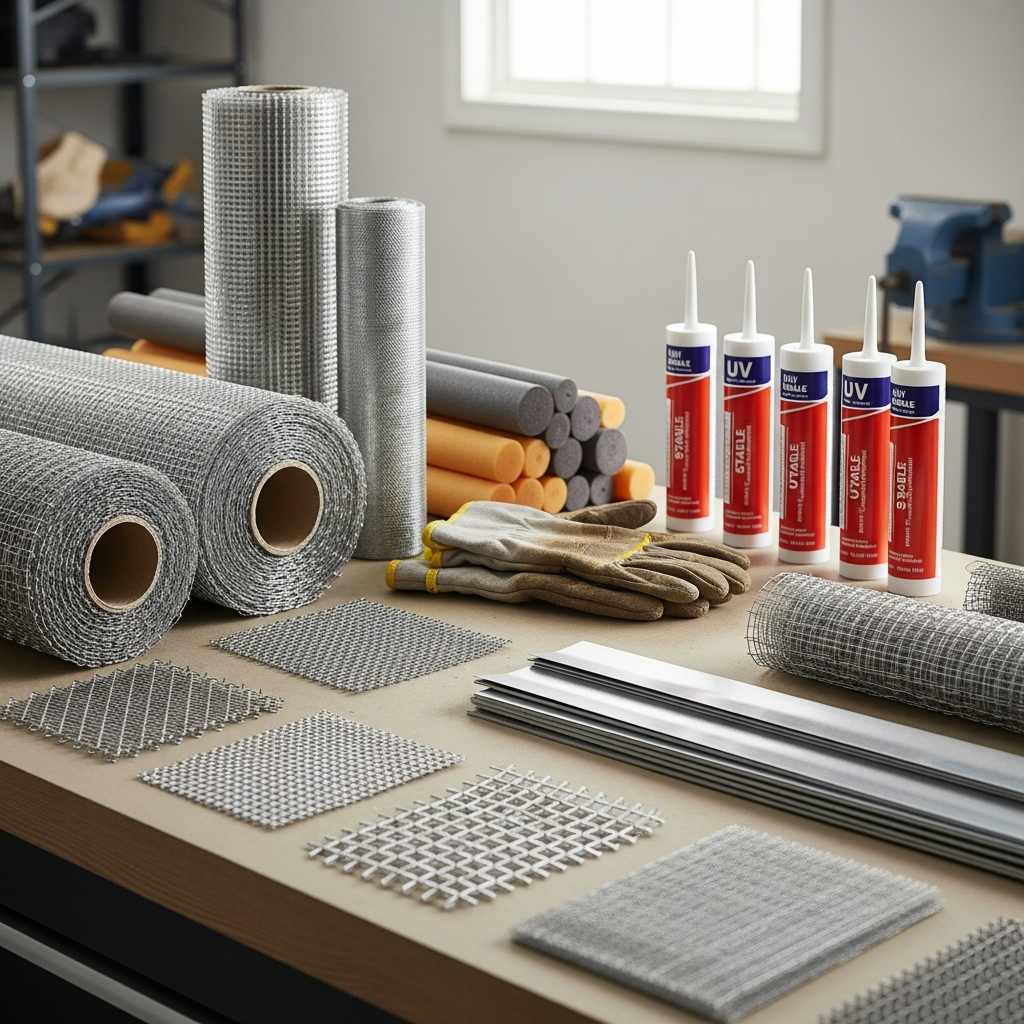
Choosing materials for rodent proofing in Los Angeles is as much about climate and building science as it is about strength. Our city stretches from salt-air coastlines to sunbaked valleys and cool canyon microclimates, and homes span from early-century bungalows to modern infill construction. The wrong material—too thin, too brittle, or not suited for UV and moisture—can fail long before you expect, reopening entry points you thought you had solved. Selecting components that fit both the location and the task is the difference between a patch that buys a few quiet nights and a system that keeps your home calm season after season. If you are comparing options, it helps to review how professionals combine metals, screens, sealants, and finishes in effective rodent proofing materials so you can make confident, durable choices.
Material selection begins with understanding pressure zones. Some areas, like roof-wall intersections and gable vents, receive constant testing from rodents and weather. Others, such as a single pipe penetration tucked under an eave, see intermittent pressure. Matching material strength to expected pressure is a foundational principle. Overbuild in high-pressure areas and choose compatible, serviceable products in zones where aesthetics and maintenance access also matter. This approach produces results that last and look good while respecting the building’s need to breathe and shed moisture.
Metals: Mesh, Flashing, and Fasteners
For exclusion, metal is your anchor. Hardware mesh—stainless or galvanized—creates a chew-resistant barrier at vents and penetrations. The gauge must be stout enough to resist deformation when pressed by hand, and the mesh size should be tight enough to exclude the smallest expected intruder. In coastal neighborhoods where salt air accelerates corrosion, stainless options for both mesh and fasteners are often the smarter investment. Inland, high-quality galvanized products paired with UV-stable sealants perform well, especially where budget and aesthetics require a painted finish.
Flashing does more than guard against water; it also strengthens chew-prone edges. Hemmed sheet-metal flashing with smooth, folded edges resists prying and is kinder to adjacent materials. At step flashing along walls, adding discreet reinforcement pieces where rodents habitually test corners prevents recurring gaps. Fasteners should match the corrosion resistance of the mesh or flashing. Mixing metals can lead to galvanic reactions, especially in moist environments, so keeping materials compatible matters for longevity.
For vents, rigid covers backed by metal mesh provide two layers of defense without sacrificing airflow. Thin plastic louvers warp and crack in our sun, inviting trouble. Metal covers, properly framed and anchored into structural backing, do not rattle and are far less likely to shift during windstorms. The finish coat—paint or factory coating—should be UV stable and, when near the coast, chosen for salt resistance.
Sealants and Backing Materials
Sealants tie the system together. Exterior-grade, UV-stable sealants bond dissimilar materials—mesh to stucco, flashing to siding, pipe to wall—without becoming brittle in the heat. For larger joints, a proper backing material helps control sealant depth and shape, allowing the joint to flex with seasonal movement. The color can be matched to the wall or trim for a discreet finish that future trades respect rather than disturb.
Expanding foam is often misunderstood. It is an air-sealing product, not a rodent barrier. Used incorrectly as an exposed plug, it becomes a chew target and fails under sunlight. Used correctly, foam can fill a deep void behind metal and sealant so that the visible, chew-resistant surface is something rodents cannot easily penetrate. In short, foam belongs behind the armor, not as the armor.
Doors, Thresholds, and Garage Seals
Materials at ground-level openings have to balance durability with daily wear. Door sweeps with robust brush or reinforced rubber inserts hold up to foot traffic while closing the consistent sliver of space small rodents favor. Garage door bottom seals should be thick enough to maintain contact along slightly uneven slabs, and side and top trims may benefit from metal reinforcement where gaps recur. Anchoring these components to solid backing, not just decorative trim, prevents flex that creates new gaps over time.
The transitions around sliding doors and older wood thresholds deserve attention. Where wood meets concrete or tile, a slim metal flashing edge combined with sealant protects a vulnerable, chewable corner. The goal is a continuous barrier that feels natural underfoot and looks like part of the original design.
Stucco, Siding, and Weep Paths
Walls move with temperature and humidity. Materials must accommodate that movement without cracking or opening chewable edges. Sealants with good elasticity are your ally at trim joints, window perimeters, and siding laps. At the base of stucco walls, the weep screed is sacred for drainage and cannot be blocked. Instead, custom-formed screens that maintain an open path for water while excluding pests preserve the wall’s health. For siding, fine mesh backed by trim or flashing at the bottom course protects the gap while allowing the wall to dry.
In areas subject to driving rain, an added drip edge on flashing keeps water off sealant beads, extending their life. Painted finishes should be compatible with the sealant and metal coatings to avoid peeling or premature aging.
Attic and Crawlspace Interfaces
Inside the envelope, materials must coexist with insulation, HVAC components, and plumbing. Stainless or galvanized mesh secured to framing around vents and chase openings works well, and any sealant used should remain flexible in cooler attic temperatures. In crawlspaces, where humidity can rise seasonally, corrosion resistance is again important. Screws backed with fender washers spread loads on mesh for a snug, long-lasting fit.
When restoration accompanies proofing—such as replacing disturbed insulation—choose products that complement the exclusion system. Insulation should not block vents and should be installed after sealing is complete to avoid hiding new work that deserves a quick post-installation check.
Aesthetics and Longevity
Good materials make good neighbors. Screens cut square, fasteners aligned, and sealant joints tooled cleanly signal that someone cared about both function and appearance. This matters because neat, intentional installs are less likely to be disturbed by other professionals later. Whenever possible, paint metals to match surrounding surfaces after installation and curing. A discreet appearance helps the system age gracefully and preserves your home’s curb appeal.
Longevity also comes from compatibility. Avoid pairing stainless with plain steel fasteners or vice versa. Use primers and paints specified for metal surfaces when top-coating mesh or flashing. Documenting the exact products used allows consistent maintenance down the line and helps future technicians refresh the work correctly.
Local Conditions and Material Choices
On the coast, stainless shines for mesh, fasteners, and vent covers. In the basin and valleys, high-quality galvanized metals paired with UV-stable sealants typically perform admirably. Canyon homes face debris-laden winds that test covers and mesh; robust framing and secure anchoring are crucial. Historic homes often benefit from custom metalwork shaped to blend with original details, preserving aesthetics while hardening vulnerable edges.
Midway through selecting materials, it is useful to compare your shortlist to field-tested guidance on professional rodent proofing. Doing so helps you confirm that each component meets the pressure, climate, and aesthetic needs of its specific location on the house.
FAQ: Materials for Rodent Proofing in Los Angeles
What mesh should I choose for vents?
Pick a corrosion-resistant mesh—stainless near the coast, quality galvanized inland—with an opening size small enough to exclude the smallest expected intruder. It should be framed securely to prevent buckling and anchored into solid backing.
Is expanding foam ever appropriate?
Yes, as a concealed backing material only. Foam complements metal barriers and sealant but should not be the exposed layer. Sunlight and chewing quickly degrade exposed foam.
Which sealant works best outdoors?
Use exterior-grade, UV-stable sealants compatible with both the wall surface and any metal components. Flexibility is important so joints can move without cracking. Color matching helps the work blend in.
How do I protect weep screeds while excluding pests?
Install custom-formed screens that maintain drainage paths while blocking rodent-sized openings. Never fill or block weep channels; they are essential for wall health.
What about garage doors and thresholds?
Choose robust door sweeps and bottom seals designed for heavy use. Reinforce persistent gaps with discreet metal flashing and ensure components are anchored into solid backing, not just decorative trim.
Do I need different materials for coastal versus inland homes?
Often, yes. Coastal zones benefit from stainless components to combat salt corrosion, while inland areas can rely on galvanized metals paired with UV-stable sealants. Matching materials to microclimate extends service life.
If you are ready to build a quiet, resilient barrier using components that respect Los Angeles architecture and climate, partner with a local team that specifies durable metals, smart sealants, and clean finishes. For a clear plan and meticulous installation that blends strength with subtlety, connect with specialists in Los Angeles rodent proofing and enjoy the steady calm of a well-protected home.