
Commercial spaces in Los Angeles shoulder unique pressures. Restaurants draw steady foot traffic and food deliveries, warehouses host constant freight movement, and retail properties live behind inviting glass while sharing alleys and loading docks with neighboring businesses. In this environment, rodents don’t care about tenant boundaries or brand identities—they care about shelter, food, and repeatable routes. Effective commercial rodent proofing builds a resilient envelope around these realities while keeping operations smooth. The most reliable strategies begin with exclusion and are tuned to the building’s function, schedule, and regulatory obligations. When local managers ask where to start, I point them to practical, audit-ready rodent proofing that respects both the front-of-house experience and the behind-the-scenes logistics.
Los Angeles’s commercial districts are a patchwork of eras and uses. You might find a 1930s brick storefront next to a newer infill building, both backed by a shared alley with dumpsters and utility chases. This proximity creates joint pressure. A well-sealed business lowers risk for the whole block, and weak links can invite persistent challenges for everyone. That’s why commercial exclusion projects consider not only a tenant’s space but also the property line transitions and shared infrastructure that knit operations together. When landlords, tenants, and service teams collaborate, results hold through busy seasons and the changing demands of the city.
Assessment: Mapping the Building and Its Operation
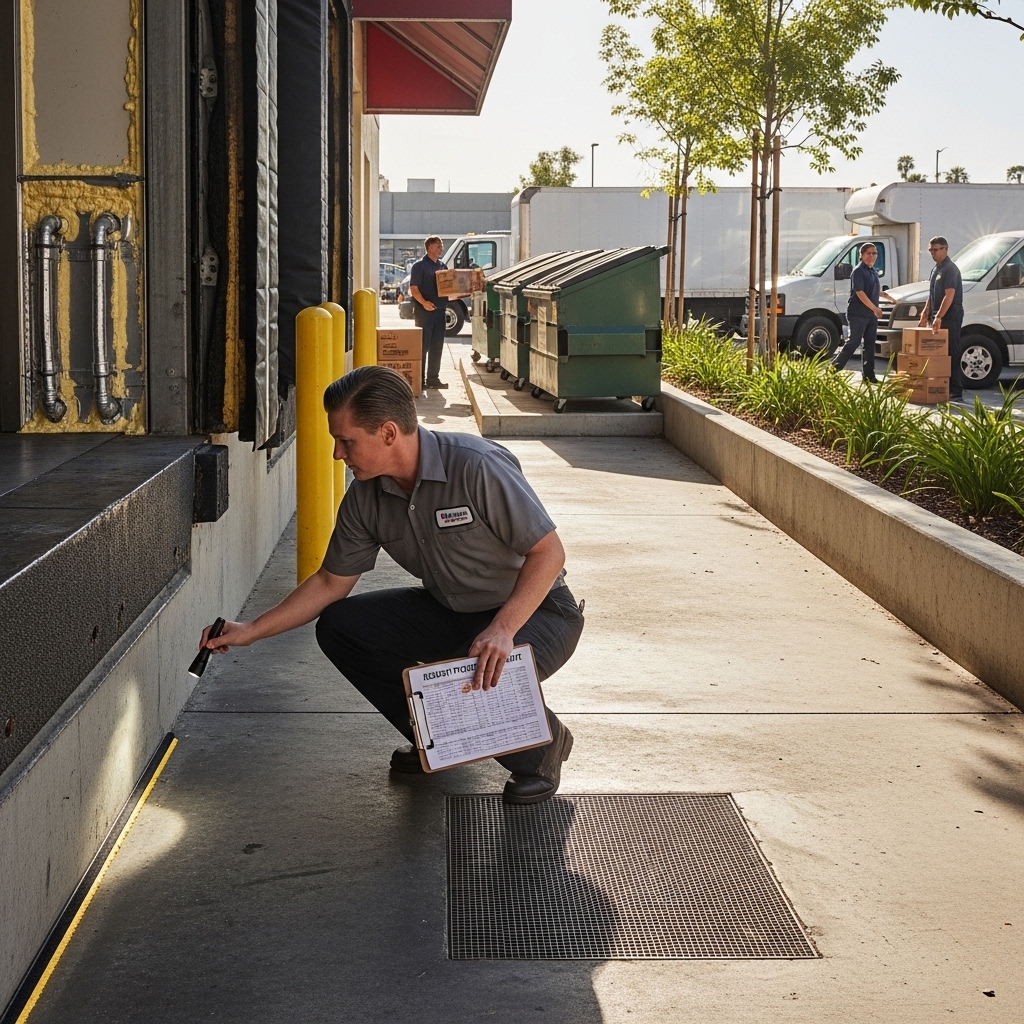
The first step is a thorough inspection that maps structure and workflow. Dock doors, roll-up doors, floor drains, and the seams around refrigeration lines receive close attention. In restaurants, we look at door sweeps, mop sink areas, and the gaps behind equipment runs. In retail, the focus often includes stockroom thresholds, back-of-house corridors, and rooftop HVAC penetrations. Warehouses invite a detailed look at pallet storage patterns, racking bases, and conveyor interfaces. The aim is to understand how goods, people, and services move—because rodents mirror those pathways whenever they can.
Documentation becomes the project’s backbone. Photographs, annotated floor maps, and a prioritized work plan set expectations for what will be sealed first and how follow-up will confirm success. This clarity is also invaluable during audits or inspections. With a clear record, managers can show the logic of the program, the sequence of repairs, and the metrics used to verify that results are holding over time.
Exclusion: Building a Durable Envelope
Commercial doors are heavy lifters. Dock doors need tight bottom seals and side guides that meet the floor without daylight. Thresholds must sit flush, and sweep materials should tolerate heavy use and frequent cleaning. Smaller access doors—employee entries, stockroom doors—get the same attention with robust weatherstripping and properly aligned strikes. On rooftops, penetrations for refrigeration and HVAC lines are sealed with corrosion-resistant fillers and flexible sealants, then shielded where necessary with flashing or guards that protect the seal from UV and vibration.
Vents and louvers on commercial buildings often present larger openings than their residential counterparts. Purpose-built screens and guards prevent entry while maintaining airflow required for equipment and building health. In food service environments, everything chosen must stand up to routine sanitation: high-temperature washes, degreasers, and frequent wipe-downs. Materials that look solid on day one but fail under cleaning protocols are not acceptable; the envelope has to be both strong and cleanable.
Interior Strategy: Trapping and Monitoring After Sealing
After the shell is sealed, interior devices are placed to verify that activity declines and ultimately ceases. In commercial settings, monitoring is designed to be both effective and discreet. Enclosed traps and non-toxic indicators sit along likely travel routes—under shelving, near equipment legs, along baseboards behind displays—so staff can work without interruption and customers remain unaware. Consistent service intervals, documented in a log, create a rhythm of verification that regulators and auditors appreciate.
Because operations continue during proofing, communication is constant. Service windows align with low-traffic periods, and technicians coordinate with managers so that devices never interfere with safety or workflow. The program adapts as floor plans change with seasons or promotions. The goal is simple: a quiet interior that stays free of signs, from droppings to packaging damage, even as the business hums at full speed.
Sanitation and Exterior Controls
Exterior conditions amplify or reduce pressure. Dumpsters with ill-fitting lids, compactors placed flush against walls, and dense landscaping along foundations provide perfect cover for rodents. A commercial proofing plan includes practical shifts: maintaining space between waste equipment and walls for inspection and cleaning, trimming vegetation to improve visibility, and ensuring water does not pool near building edges. In restaurants, grease management—both indoors and out—matters enormously. Clean, closed containers and regular pad maintenance prevent the kind of scent signature that attracts nightly visitors.
Alley culture is a reality in Los Angeles. Coordinating with neighboring businesses and property managers can turn a problem alley into a controlled environment. Shared expectations about trash schedules, lid discipline, and quick response to spilled materials lower the constant pressure that tests the building envelope. Service teams often facilitate these conversations, offering site-specific pointers that match the alley’s layout and the block’s patterns.
Compliance and Documentation
Commercial proofing succeeds when it aligns with health, safety, and building rules. For food service, that means setting a program that auditors can follow: inspection notes, images of sealed points, device maps, and service logs. For warehouses and retail, safety considerations around dock doors and egress paths are incorporated so that no barrier obstructs required clearances. Documentation helps show that each step served multiple goals: pest exclusion, hygiene, and operational continuity.
When inspectors visit, a well-documented program shifts the conversation from “What went wrong?” to “Show me how you maintain control.” That posture not only satisfies requirements but also gives managers a clear narrative to share with staff, making training more effective and adoption more consistent across shifts.
Industry-Specific Nuances
Restaurants prioritize door seals, floor drain protection, and the joinery behind cook lines, where utilities converge. Warehouses focus on dock seals, pallet flow, and perimeter transitions where interior walls meet exterior shell. Retail spaces pay attention to stockroom thresholds, dressing room perimeters, and rooftop penetrations that can be overlooked. Each sector has familiar blind spots, and local experience helps anticipate them. By addressing these nuances early, the program prevents recurring frustrations and reduces the need for reactive service calls.
Mixed-use buildings, common in Los Angeles, add another layer: residential units above or behind commercial spaces. Here, the envelope must protect both worlds, with special care taken to coordinate access and communication among managers, tenants, and service teams. When everyone understands where sealing occurred and how to preserve it during routine maintenance, results persist across uses and seasons.
Training and Culture
People make or break the program. Simple habits—closing doors promptly, inspecting incoming pallets, and keeping break areas tidy—support the sealed envelope. Short, practical trainings demonstrate why a gap matters, how to spot rub marks along baseboards, and what to do when a device captures activity. When staff understand the why behind each step, they notice issues early and become partners in the solution rather than passive observers.
Leadership sets the tone. When managers back the program with consistent messaging and swift responses, the building’s culture shifts. Over time, rodent proofing becomes part of daily quality, alongside cleanliness and safety. That cultural alignment is the invisible material that holds everything together, making the physical barriers even more effective.
Measuring Success
Success shows up as silence: no signs inside, decreasing hits on monitoring devices, and clean perimeters that remain calm even during peak operations. Logs document these trends, turning anecdotes into data. When changes occur—new tenants next door, an equipment upgrade, a shift in delivery patterns—the program adjusts, and those adjustments are recorded. This loop of action and documentation keeps the plan resilient and audit-ready.
Midway through many commercial projects, teams ask which upgrades yield the biggest gains. The answer is usually door systems: tight dock seals and well-aligned personnel doors instantly cut off major entry points. Close behind are rooftop penetrations, which, once sealed cleanly, halt a steady source of hidden intrusion. With those secured, interior monitoring tapers off, and the space returns to predictable, quiet operations supported by a light maintenance rhythm.
FAQ
Q: Can proofing be done without interrupting business? A: Yes. Work is scheduled around operations, with technicians focusing on low-traffic windows and coordinating with managers. The goal is a seamless program that protects the property while staff and customers carry on as usual.
Q: Are poisons part of the strategy? A: No, not for proofing. The focus is on structural exclusion and targeted trapping after sealing. This approach is predictable, safer for staff and customers, and easier to document and audit.
Q: How often are follow-ups needed? A: Regular service intervals are set based on activity and risk. Early on, visits may be more frequent to verify results; once trends are stable, the schedule eases into a maintenance rhythm that keeps the envelope strong.
Q: What about multi-tenant properties? A: Coordination is key. Shared walls, roofs, and alleys are addressed in a joint plan so no single weak point undermines the broader effort. Property managers often facilitate this coordination to good effect.
Q: Which areas are commonly missed? A: Rooftop penetrations, floor drains, and misaligned dock doors are repeat offenders. A thorough inspection that includes roof access and utility chases prevents these from becoming recurring issues.
Q: How do we demonstrate control to inspectors? A: Maintain a clear record: inspection notes, photos, device maps, and service logs. This documentation shows the logic of the program, the sequence of improvements, and the metrics used to confirm results.
If your Los Angeles operation is ready for a calmer, cleaner, audit-friendly environment, partner with a team that balances craftsmanship with documentation and communication. Begin with professional rodent proofing and give your commercial space the resilient envelope it needs to thrive every day.