
Why Older LA Homes Need Special Attention
Los Angeles is a living museum of residential architecture. Craftsman bungalows tuck into leafy streets in South Pasadena and Highland Park, Spanish Revival cottages glow under clay tile in Mid City and Jefferson Park, and mid-century ranches stretch low and open through the Valley. These homes have character, but they also have quirks—construction details from their eras that create perfect pathways for rodents. When we talk about rodent proofing older LA homes, we are really talking about understanding those quirks and closing them with care so the fix respects the architecture while protecting your health and comfort.
Age itself is not the culprit; movement is. Lumber dries and shrinks, stucco hairlines open under sun and wind, door thresholds settle slightly out of square, and old vents corrode. Each tiny change is an invitation for mice and rats that only need the smallest of openings. The goal is to read the home’s story—the way materials have aged, the places utilities were added—and deploy the right closures in the right places so the envelope becomes boring to a curious roof rat on its nightly patrol.
Classic Craftsman Challenges: Crawlspaces and Balloon Framing
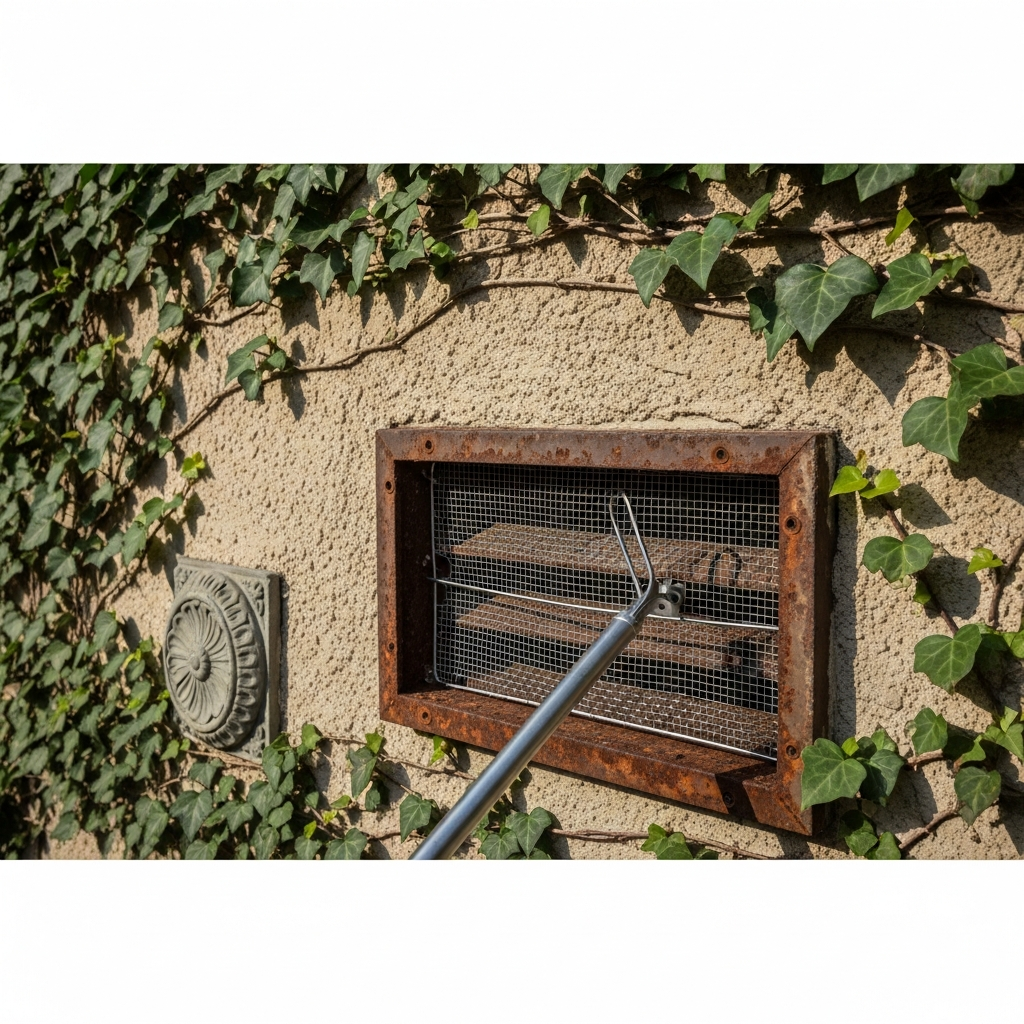
Craftsman-era homes often sit on raised foundations with crawlspaces ventilated by decorative grilles or simple perforated metal. Over decades, those screens loosen or rust, and soil against the stem wall can create uneven contact that leaves wedges big enough for a mouse. Balloon framing, common in older structures, also creates vertical chases from the crawlspace up through interior walls to the attic. If rodents get in below, they can scale the house invisibly and appear as scratching in a bedroom wall the same evening.
Proofing starts with solid, rodent-grade hardware cloth behind vent openings, fastened with corrosion-resistant screws that will not back out when the wind flexes the facade. Crawlspace access doors, often just a wooden panel in an exterior wall, need tight frames and latches that close flush. Inside, top-plate penetrations in the attic should be sealed where plumbing and wiring pass, preventing travel between cavities. These measures do not alter the look of the home; they simply restore the barriers it had on day one—only stronger.
Spanish Revival and Stucco Mysteries
Spanish Revival homes are LA icons, but their charm can hide vulnerabilities. Curved clay tiles create lift points where animals can pry with little effort, especially at eave edges and around chimneys. Stucco weep screeds and service penetrations can crack or chip, leaving gaps concealed by shadows. Over time, a makeshift patch with foam or caulk hardens and separates from the stucco, opening a neat entry just big enough for a rat’s determined push.
On these homes, subtlety is everything. Under-tile screening must be secure yet invisible from the curb. Metal-backed sealants around gas lines and hose bibs provide a chew-resistant barrier that expands and contracts with temperature without tearing loose. Gable vents deserve rodent-grade mesh placed behind the decorative grill so the facade’s look remains unchanged. When done well, neighbors never notice the work—except that your home stops making noise at night.
Mid-Century Ranch Realities: Long Rooflines and Utility Runs
Mid-century ranches stretch horizontally, which means plenty of roof-to-wall transitions and long soffits—prime areas for small failures to multiply. These homes were often retrofitted with modern HVAC, water heaters, and sprinkler controls, each adding penetrations that need robust closures. Garage-to-house transitions can develop uneven gaps where slab meets door, and laundry room vents sometimes lose their bird or rodent screens after years of use.
Here, attention to detail wins. Every utility pass-through should be sealed with materials that resist chewing, and escutcheons should be secure and tight to the wall. Door sweeps must match the slab, closing without daylight; the triangular gaps at the jamb and slab intersection are classic entry points. Roofline vents need upgraded mesh that laughs off the probing of a roof rat’s incisors. Systematic work along a ranch home’s long lines not only quiets rodents, it reduces random air leakage and improves comfort inside.
Chimneys, Attic Hatches, and Forgotten Gaps
Older homes frequently harbor small, overlooked openings. Chimney flashing can lift or separate where stucco meets brick, and attic hatches may lack gaskets or sit slightly proud after a coat of paint, allowing odor and dust to drift down. In closets, a small gap where a conduit meets plaster can go unnoticed for years, even as it serves as a nightly highway.
Thorough proofing means seeking out these quiet offenders. Around chimneys, custom flashing and mesh close the gap while staying invisible from the street. Attic hatches get weatherstripping that seats the door tightly, keeping attic air—and any potential contaminants—out of living spaces. Inside closets and cabinets, escutcheons and sealant tidy the penetrations and remove the hidden routes that rodents prefer.
Hillside Homes and Stilted Decks
Los Angeles is full of hillside properties where stilted decks and open understructures add drama—and complexity. Beam pockets, soffit corners, and utility chases around posts are classic pry points. Settling and seismic retrofits may open hairline seams that seem too small to matter until the quiet turns to scratching.
Closing these elements takes both access and finesse. Technicians may belly-crawl under decks, tucking mesh into shadow lines and reinforcing corners that catch wind. Where utilities snake around posts, carefully fit plates and sealants ensure flex without creating chewable edges. The payoff is big: hillside homes often go from active to silent with a few dozen precise closures in these hidden, elevated spaces.
When Renovations Create New Openings
Older homes rarely reach the present day without a remodel or two. Kitchen expansions, bath upgrades, and new minisplit systems create penetrations that were not part of the original design. If those openings were sealed with foam alone or a thin bead of caulk, time and sun can create gaps that invite rodents right back in. I see it often: beautiful tile and paint inside, with a thumb-sized opening around a lineset outside that undoes the whole effort.
The fix is straightforward and durable: metal-backed sealants, tight escutcheons, and mesh where vents breathe. A good proofing visit includes a sweep of all newer utilities and a plan to bring them up to the same standard as the home’s other closures. This is where exclusion feels most like craftsmanship—the visible work is simple, but the details make it last.
Attic Conditions: Insulation, Odors, and Airflow
Attics in older homes tell stories. You can often read decades of life in the layers of insulation and the footprints of old electrical work. If rodents have been active, you may see matted batts, tunnels in blown-in insulation, and stained decking at the edges. These conditions are not just unsightly; they affect the way your home holds temperature and the way it smells on warm days when attic air presses down.
A proper plan sequences the work: close the exterior, resolve interior activity, then clean and sanitize before restoring insulation. Skipping steps invites do-overs. Once contamination is removed and odors are neutralized, new insulation restores R-value and comfort, and the attic becomes an asset again rather than a source of worry. In Los Angeles’s bright climate, this upgrade pays you back every time the AC kicks on.
Garage and Outbuilding Vulnerabilities
Detached garages and older outbuildings—think studios or workshops—often sit slightly out of level and collect small gaps under doors. Many have vents or louvers that were never screened against rodents. Because garages act as storage and sometimes as informal pantries for pet food or bulk goods, a breach here quickly becomes a household problem.
Sealing garages is high-impact work. A new, well-fitted door sweep, side seals, and upgraded vent screens dramatically reduce incursions. Escutcheons around water heaters and laundry hookups finish the job. When a garage becomes a dead end for a scouting rat, the main house enjoys the benefit.
Landscaping: Beauty and Bridges
Older neighborhoods in LA have gorgeous, mature landscaping—and plenty of natural ladders. Ivy and creeping fig grip stucco and provide cover. Fruit trees drop treats along side yards and alleys. Fences and wires align to create easy routes to eaves. The aim is not to strip away charm but to interrupt pathways. Trimming branches a few feet from the roofline, lifting vines off vents and soffits, and keeping the ground clear of fallen fruit are simple, sustainable steps that make professional closures even more effective.
For palm-lined streets, pay attention to fronds that arch toward second-story windows and eaves. Roof rats love the shelter a dense crown provides and use it as a launch point. A strategic trim often changes the nightly flow around a home, steering scouts away from your roofline to search somewhere less defended.
Working with the Home’s Aesthetics
Owners of older homes care deeply about how any work looks. The good news is that modern proofing hardware can vanish into the design. Galvanized mesh tucks behind louvered vents where it cannot be seen. Color-matched sealants and escutcheons make utility closures look original. Custom metal flashing mimics existing profiles so it reads as part of the roof rather than an add-on. A craftsmanlike approach preserves value while solving the problem, which is the sweet spot for any historic or character-rich property.
Documentation helps too. Before-and-after photos tell the story of what changed without marring the facade, and they provide a record for future contractors so new work does not accidentally undo a precise closure. In neighborhoods where pride of place runs high, that transparency reassures owners and neighbors alike.
Timing and Seasonal Strategy
Rodent pressure shifts with LA’s subtle seasons. After the first sustained rain, animals seek dry attic spaces, and during summer heat, irrigated landscaping becomes an attractor that concentrates activity. Planning proofing work just before these periods—late summer into early fall, and again before winter rains—keeps you a step ahead. A quick recheck after Santa Ana winds is also wise; those gusts reveal weak spots by lifting loose screens or nudging fascia.
For older homes that have been quiet, a light seasonal check maintains confidence. Look for daylight under side doors, a frayed garage sweep, or vine growth shading a vent. Small, regular adjustments support the long-term integrity of detailed closure work.
Frequently Asked Questions
Q: Will rodent proofing alter the historic look of my home?
A: Quality work protects the architecture. Mesh sits behind vents, sealants are color-matched, and flashing is shaped to match existing lines. The goal is to be invisible from the street while delivering strong, durable closures.
Q: Do I need to replace attic insulation after activity?
A: Only if contamination is significant. A thorough assessment will document conditions and recommend targeted cleanup or full replacement as needed. Sanitation comes first, then restoration, so results last.
Q: Are poisons necessary for older homes with chronic issues?
A: In most cases, no. Exclusion-first, supported by targeted trapping and sanitation, resolves the source of the problem without risking pets or local wildlife. This approach aligns with California’s emphasis on responsible, humane practices.
Q: How long does the work take?
A: Many homes can be sealed in a day, with follow-ups to confirm silence and finish sanitation if required. Complex roofs, large crawlspaces, or extensive utility retrofits may take longer, but the sequence—seal, resolve, clean—remains the same.
Q: What maintenance keeps older homes quiet?
A: Trim branches away from the roofline, keep door sweeps snug, and glance at vents after wind. When you add or move utilities, make sure new penetrations are sealed with rodent-grade materials and tight escutcheons.
Q: Can proofing help with insects and other wildlife?
A: Yes. The same envelope improvements that stop rodents also reduce entry opportunities for insects and urban wildlife, making interiors calmer overall.
Restore Quiet Without Losing Character
If you love your home’s history but not the scratching overhead, you do not have to choose between character and comfort. A careful, craftsmanlike approach closes gaps, cleans and restores attics, and respects the lines that make your house special. Start with a detailed inspection and a plan that addresses architecture-specific vulnerabilities, and expect photo-verified results. The surest path back to peaceful nights is expert rodent proofing tailored to older Los Angeles homes.