
The New Reality for LA Rentals
Los Angeles rentals are changing fast. From courtyard apartments in Koreatown to hillside duplexes in Silver Lake and compact ADUs behind bungalows in the Valley, property owners and managers are facing sharper expectations around health, habitability, and sustainability. In this environment, rodent proofing has moved from a reactive chore to a proactive standard. Tenants expect quiet ceilings and clean storage spaces. Owners want predictable maintenance, fewer emergency calls, and strategies that respect LA’s architecture and ecology. The result is a set of trends reshaping how landlords and managers protect buildings and keep people comfortable.
What makes Los Angeles unique is the way old and new construction sit side by side. A 1920s Spanish Revival with clay tile eaves can share a lot line with a 2018 small-lot home featuring modern vents and open soffits. Each era brings different vulnerabilities. In rentals, where turnover is higher and housekeeping habits vary, that mix intensifies pressures. The smartest operators are looking beyond quick interior trapping toward strategies that harden the exterior first, document conditions, and create clear, shared expectations with residents.
From “Call When You Hear Something” to Scheduled Prevention
The old model for many rentals was simple: wait for a complaint, set traps, check occasionally, and move on. That reactive approach is fading because it creates churn—staff time, repeated vendor visits, and frustrated tenants. The trend now is scheduled prevention: an annual or semiannual exterior inspection of vents, door sweeps, utility penetrations, and roofline transitions. This shift reduces emergencies and empowers managers to plan work during low-occupancy windows or between turnovers, minimizing disruption.
Preventive visits also produce better documentation. Managers receive photo logs of gaps found and closures completed, which builds a maintenance record useful for internal tracking and, if needed, for resolving disputes. That paper trail supports continuity when staffing changes and helps regional managers understand where properties stand without walking every site personally.
Exclusion-First Policies and Clear Resident Communication
Another trend reshaping the rental scene is policy. Many management companies now adopt formal exclusion-first policies that prioritize sealing and sanitation over baits. Residents receive welcome packets that outline basic cooperation steps: keep food sealed, report gaps around doors or under sinks, and alert staff if they notice unusual sounds after windstorms. This clarity reduces misunderstandings and signals that management is serious about long-term solutions, not band-aids.
Communication extends to service notices. When technicians are on site, tenants appreciate knowing what is happening: which vents are being upgraded, where door sweeps will be installed, how long a technician will be working near a garage or balcony. Clear, courteous notices help renters feel respected, which translates to smoother access and, ultimately, faster, more thorough service.
Hardware That Disappears Into the Architecture
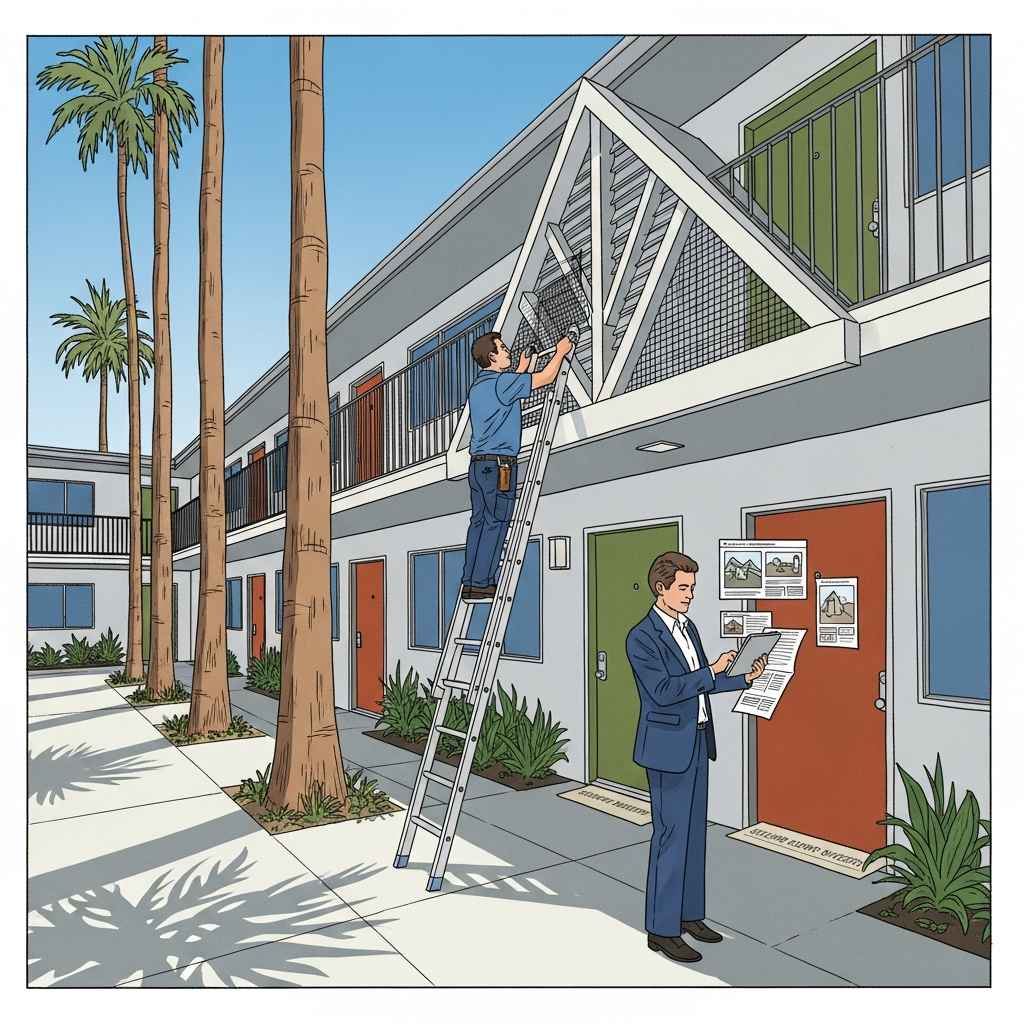
Landlords and boards increasingly prefer hardware choices that look like they belong. Rodent-grade mesh backed with pan-head screws behind gable and soffit vents, custom escutcheons around linesets, and low-profile door sweeps preserve curb appeal in courtyard buildings and fourplexes where aesthetics matter. The trend is toward durable, unobtrusive materials that blend into stucco or siding, for a result that does not read as an afterthought. Good choices today mean fewer replacements next season, even after Santa Ana winds test every fastener and seam.
Rooflines remain a particular focus. On Spanish tile, technicians are training more attention on the points where tiles meet fascia, ensuring that screening is both hidden and secure. On flat-roof walkups common in Mid City and Westlake, parapet scuppers and roof-to-wall transitions get upgraded to prevent pry points. The investment here pays back in fewer penetrations and less tenant stress about nighttime noise overhead.
Integrated Pest Management and Regulatory Alignment
Los Angeles’s rental market increasingly operates under the lens of Integrated Pest Management (IPM), which emphasizes non-chemical control, sanitation, and structural exclusion before considering baits or pesticides. This approach aligns with California’s evolving restrictions on certain rodenticides and with the city’s broader sustainability goals. For property teams, IPM means coordinated action: grounds crew keep alleys clear of fallen fruit and debris, maintenance staff verify that every new utility penetration is sealed with rodent-grade materials, and vendors provide service reports that specify exactly where and how closures were performed.
Adopting IPM also reshapes budgeting. Instead of unpredictable emergency spends, managers allocate funds for planned inspections and capital-quality upgrades—mesh, flashing, escutcheons, and sweeps—that hold up multiple seasons. This budget clarity is a quiet win for owners, who gain fewer spikes and steadier operating lines across the year.
Data-Driven Monitoring for Multi-Unit Buildings
Larger properties are embracing simple data tools to track activity. While not every building needs networked sensors, many managers now log service calls, trap counts during resolution phases, and follow-up findings in a shared dashboard. Patterns emerge: a particular corner stack near a refuse area might drive most issues, or a consistent utility path at the back of a carport signals a chronic vulnerability. With that knowledge, managers target reinforcements where they matter most rather than blanketing a whole complex with generic fixes.
This light-touch data approach pairs well with regular site walks. The superintendent or resident manager develops an eye for telltale signs—rub marks on a garage wall where a conduit meets stucco, a lift in a vent screen after a windy week, or new branch growth touching a roof. Quick intervention becomes routine, not reactive.
Special Attention to ADUs and Small Footprints
Accessory Dwelling Units, now common across LA neighborhoods, bring unique pressures. Because ADUs are compact, a single breach affects the entire unit quickly. Property owners are learning to schedule a proofing check just before final inspections or tenant move-ins, and again at six months to catch any settling or utility adjustments that open gaps. The related trend is resident education tailored to small spaces: sealed containers for pantry staples, vigilance about pet food, and prompt reporting if a faint scuffle is heard at night.
In small-lot communities, where homes sit tight to one another, cooperation among neighbors or an HOA is critical. Shared fences and aligned rooflines create easy runways for roof rats. A coordinated trimming of overhanging branches and synchronized upgrades to vent screens can quiet a whole row of homes. When one property is open, pressure rises for everyone; when all are tight, pressure falls across the block.
Vendor Partnerships and Photo-Verified Work
Managers tell me they value vendors who act like partners. That means documented inspections, photo-verified closures, and clear recommendations for follow-up. A technician who takes time to explain why a gap exists—and how a specific closure prevents it from reopening—builds trust with both manager and tenant. In a market where turnover can be brisk, that trust preserves continuity even when onsite staff changes.
The best partnerships standardize materials and methods across a portfolio. The same gauge mesh, the same screws, the same door-sweep models—this makes replacements straightforward and quality consistent. For scattered-site portfolios common in LA, from the Westside to the Eastside, standardization keeps outcomes predictable and costs steadier season to season.
Sanitation that Respects Tenants
Another notable trend is how sanitation is approached in occupied spaces. Crews now emphasize dust control, HEPA filtration during attic cleanups, and discrete staging so hallways and courtyards stay tidy. In-unit work is communicated clearly, with expected durations and quiet hours respected. After the job, technicians review photos of cleaned or replaced insulation and the sealed points that made the difference. Tenants feel included and informed, which reduces friction and fosters goodwill.
On older properties with crawlspaces, sanitation includes removing contaminated vapor barriers or debris and ensuring access doors close tight after service. Managers also schedule a check of shared laundry rooms and trash enclosures—areas that can undo hard work elsewhere if left open or cluttered.
Mid-Lease Resilience and Disaster Readiness
Los Angeles renters and owners alike have learned to think about resilience. Wind events rattle vents, heat waves test materials, and rains can push animals to find the driest space fast. A trend among experienced managers is adding a quick, targeted inspection after notable weather: a look at ridge vents, scuppers, and garage seals. This simple practice catches the tiny changes that become big complaints if ignored. It is the rental equivalent of a wellness check—lightweight, quick, effective.
Resilience also includes documentation that can be handed to a new manager or owner. When properties change hands, having a clear record of closures and follow-up results keeps standards from slipping during the transition. That continuity saves time, preserves tenant satisfaction, and protects the building’s reputation in a competitive market.
Looking Ahead: The Future of Proofing in LA Rentals
Expect more coordination, more prevention, and smarter hardware. As material science improves, we will see even lower-profile vent screens, weather-resistant sealants that hold color, and fasteners that laugh off salt air near the coast. Data will stay light and practical, designed to guide where to act next, not to drown staff in graphs. Most of all, renters will feel the difference: steadier comfort, fewer surprises, and the confidence that their home—whether a studio above a garage or a unit in a classic courtyard building—has been cared for with attention to detail.
For owners and managers, that future looks calmer. Fewer after-hours calls, more planned visits, better sleep for everyone on the property team. The measure of success is simple: quiet nights, clean attics, and residents who renew because life in the unit just works.
Frequently Asked Questions
Q: How do I set expectations with tenants about rodent proofing?
A: Provide a brief welcome sheet that explains your exclusion-first policy, lists simple cooperation steps (sealed food, quick reporting, access for service), and outlines how you will communicate before and after visits. Clear expectations reduce misunderstandings.
Q: Are baits still used in rental properties?
A: Increasingly, managers rely on exclusion, sanitation, and targeted trapping, reserving baits for specific, controlled scenarios where risks are minimized and regulations permit. The goal is to protect people, pets, and local wildlife while solving the problem at its source.
Q: What are the most common entry points in multi-unit buildings?
A: Gable and soffit vents with light-duty screens, gaps around utility penetrations, misaligned garage or alley doors, and roof-to-wall transitions. Parapet scuppers on flat roofs are frequent trouble spots too. Addressing these areas proactively prevents many complaints.
Q: How often should rentals be inspected?
A: Many portfolios schedule exterior checks once or twice a year, with quick post-storm spot checks. Properties with lush landscaping or heavy nearby food sources may benefit from more frequent glances at rooflines and vents.
Q: Will proofing disrupt residents?
A: Most exterior work is brief and minimally disruptive. Interior work is scheduled with notice, and technicians use dust control and HEPA filtration for attic or crawlspace sanitation. Clear timelines keep tenants comfortable and informed.
Q: Does proofing help reduce other pests?
A: Yes. Sealing building envelopes cuts down on entry points for insects and urban wildlife, creating a calmer indoor environment overall.
Move Your Rental Portfolio Forward
If you manage rentals in LA, now is the time to formalize prevention, standardize materials, and choose partners who document and deliver. Your residents will feel the difference, and your team will, too. Start with a portfolio-wide look at vents, door sweeps, and utility penetrations, then build a routine that keeps closures tight. The path to quieter units and steadier operations begins with professional, portfolio-ready rodent proofing and a commitment to doing it right the first time.