
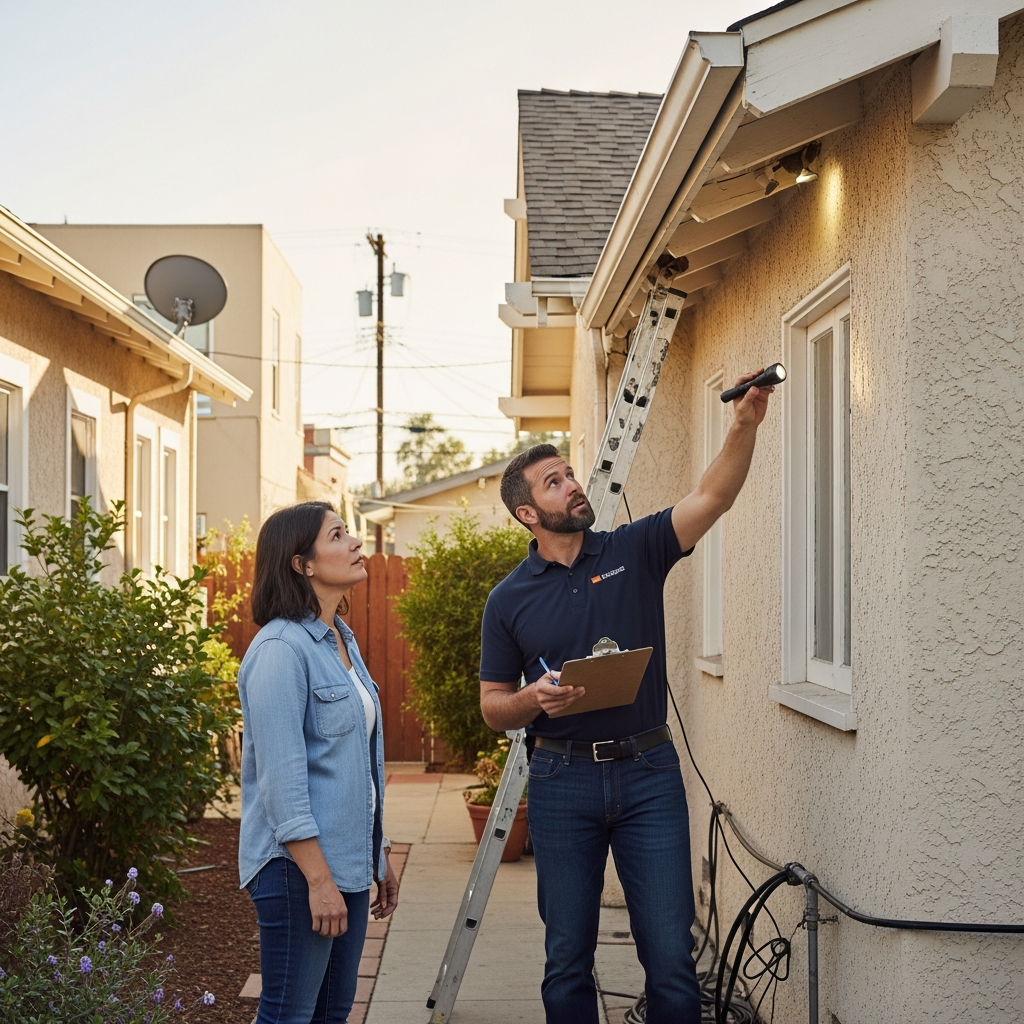
If you have lived in Los Angeles long enough, you know that our mild winters, dense neighborhoods, and older housing stock make rodent activity a year-round concern. Choosing the right rodent proofing services is not just a matter of convenience; it is about safeguarding your home’s structure, your family’s health, and your peace of mind. From hillside homes in Silver Lake to craftsman bungalows in Pasadena and stucco ranch houses in the Valley, each property has its own character and vulnerabilities. The decision you make today will echo in how your home performs through seasonal Santa Ana winds, early spring blooms that attract new nesting behavior, and the occasional heavy rain that drives rodents to higher, drier ground. Early in this process, it helps to ground yourself with a local perspective and to learn what separates a quick patch job from a comprehensive solution. If you are just starting your search, consider reading up on modern approaches to rodent proofing services so you know what to expect when professionals arrive for an inspection.
What sets Los Angeles apart is both its variety of architecture and the way homes were built across different eras. A 1920s Spanish-style home may have charming arches and attic voids that communicate freely from the eaves to the interior chase walls. A mid-century ranch might have wide gable vents and open ridge pathways. Contemporary infill construction can be airtight at the front but leaky around utility penetrations at the sides and back. Understanding how each of these design details affects rodent movement is the hallmark of a seasoned local provider. When you choose a company that works across the county—coastal, basin, foothills, and valleys—you gain the benefit of pattern recognition, and that saves time and reduces the chance of repeat intrusions.
Start With Inspection Philosophy, Not Sales Tactics
The best way to select a service is to pay attention to how the provider approaches the initial inspection. Are they listening to where you have heard noises, or are they rushing to a one-size-fits-all recommendation? A thoughtful inspector will ask about the timeline of activity, the hours you typically hear scurrying, and whether you have noticed droppings, rub marks, or gnawing. They will tour the exterior perimeter slowly, looking up and down, spotting broken weep screeds on stucco, gaps around garage door seals, and utility line penetrations behind the condenser. In attics and crawlspaces, they will follow dust patterns, airflow pathways, and insulation displacement to map active travel routes. This investigative mindset matters because it leads to a tailored sealing plan rather than a generic application of materials in random areas.
Transparency during this step is an excellent signal. A provider who photographs each finding and narrates what you are seeing demonstrates accountability. They should connect each opening to a plausible pathway and explain how rodents exploit it. When you see the pattern, you also see the logic behind every recommended seal. This level of clarity is what separates superficial work from durable results.
Look For Building Science Awareness
Los Angeles homes experience big swings in temperature and humidity from the coast to the far inland valleys. Vents exist for a reason, and blocking them incorrectly can trap moisture in attics or crawlspaces. A competent rodent proofing company understands airflow, condensation risks, and the purpose of each vent. They will use screened covers that maintain ventilation while excluding pests, and they will choose metals and sealants suitable for UV exposure and salt air if you live near the beach. When interviewing companies, ask how their chosen materials behave in heat, sun, and moisture. Their answer should be specific, not generic, and should reflect real field experience with local conditions.
Another building science clue is how a company treats foam. Expanding foam has its place for air sealing but is not a standalone rodent barrier. Rodents can chew through foam quickly, leaving you with false confidence. The right approach pairs durable metals—such as hardware cloth or flashing—with appropriate sealants so that any foam that is used becomes part of a system rather than a brittle plug.
Evaluate Materials and Craftsmanship
When you ask about materials, listen for gauge numbers, mesh sizes, and fastener types. Hardware cloth is not a cloth at all but a metal mesh, and the wrong gauge can crumple or leave openings too large for smaller rodents. Stainless or galvanized options resist corrosion, and properly sized fasteners ensure the mesh stays put during Santa Ana gusts. At rooflines, sheet-metal flashing should be cut to shape and anchored thoughtfully. Around pipes, a combination of metal mesh packing and an exterior-grade sealant stands up better than foam alone. Attention to detail is everything: square cuts fit poorly on round pipes, and ragged edges invite future gaps.
Ask how the company addresses weep holes in brick or stucco weep screeds. These features manage moisture and cannot simply be filled. The right solution preserves drainage while excluding pests. Similar nuance applies to gable, dormer, and soffit vents: screens must be tight, free of buckling, and framed with a stable perimeter so future thermal expansion does not open gaps.
Humane, Health-Focused, and Preventive
Your choice should reflect both ethics and health priorities. Humane practices prioritize exclusion over trapping wherever possible, and sanitation focuses on safely removing contaminated insulation or droppings with appropriate containment. In LA, where many families have pets and small children, minimizing the use of rodenticides at the property is often wise, especially when exclusion is executed thoroughly. A provider committed to integrated pest management will show you how landscape adjustments, secure storage, and trash management reduce attractants long after the technicians leave.
The conversation should address allergen control as well. Rodent dander and droppings can aggravate respiratory issues, and any cleanup should use methods that avoid stirring particulates into living spaces. Sealing work should be sequenced with cleanup to avoid recontamination paths.
Communication and Documentation
A strong Los Angeles provider will deliver a clear written plan with photographs and precise descriptions of each area to be sealed. The plan should explain access methods, such as whether a team must crawl behind a knee wall, remove a vent hood, or temporarily lift a roof tile. Good documentation helps you understand the scope and makes it easier to compare multiple companies on more than just promises. While reading proposals, look for specificity around locations, materials, and sequence of work instead of vague statements. This level of clarity will help you make a confident selection.
In the middle of your evaluation, it can be helpful to refresh your understanding of modern exclusion methods and what durable outcomes look like. Keep a note of best practices and compare them directly to any proposal that lands in your inbox. Reference resources that explain comprehensive rodent proofing strategies so you can validate each step the provider recommends against real field standards.
Local Knowledge and Case Examples
Experience with specific Los Angeles neighborhoods matters because rodent pressure and building style vary by area. In older hillside communities, rodents often travel along retaining walls and access roofs from terraced landscaping. In beach-adjacent neighborhoods, salt air can accelerate corrosion, demanding different materials. In the Valley, summer heat can warp cheap plastics, opening new gaps. Ask providers for anonymized examples that mirror your home’s style and microclimate. When a company describes a project on a near-identical stucco bungalow with open eaves and similar utility layouts, you learn more about how they will approach your property than any generic brochure could convey.
Local knowledge also includes city and utility coordination. Sometimes, sealing work benefits from cooperation with electricians, HVAC technicians, or plumbers, especially where penetrations are oversized or deteriorated. A company with strong trade relationships can anticipate these interactions and plan them smoothly, preventing delays and ensuring neat finishes.
Sequencing, Scheduling, and Aftercare
The most effective projects follow a thoughtful sequence: inspection, mapping, exterior sealing, interior sealing, sanitation, and final verification. Sequencing can change based on your home’s layout or the time of year. For instance, if seasonal rains are forecast and you have obvious exterior gaps, a team might prioritize weather-exposed areas first to interrupt rodent ingress immediately. Aftercare should include guidance on monitoring, such as where to listen after dusk, how to check freshly sealed points for tampering, and what early warning signs deserve a quick call. Good providers treat the work as a partnership and are proactive in follow-up communication.
Scheduling sensibilities matter in a city like ours. Parking restrictions, narrow driveways, and multi-family access rules can complicate arrivals and staging. A professional team will coordinate with you to minimize disruption, protect landscaping, and maintain cleanliness while moving through attics, crawlspaces, and living areas.
Red Flags to Avoid
Be wary of any company that focuses solely on trapping without a comprehensive sealing plan. Traps alone can reduce activity briefly but will not prevent new intruders from finding the same openings. Another red flag is overreliance on foam, especially in sun-exposed areas or where chewable edges are accessible. Avoid providers who refuse to show photos or who can’t describe their materials in practical detail. Lastly, be cautious with proposals that promise a perfect seal without acknowledging the need for periodic maintenance; your home moves and breathes over time, and even excellent work benefits from occasional checkups.
What a Great Customer Experience Feels Like
From the first call to the final walkthrough, you should feel heard, informed, and empowered. Technicians who arrive on time, protect floors and furnishings, and explain what they are doing inspire confidence. When they invite you to see a sealed vent or a newly flashed corner and explain how that specific junction was vulnerable, you leave with new knowledge about your home. That is the hallmark of a service that values education as much as execution.
FAQ: Choosing Rodent Proofing Services in Los Angeles
How do I know whether I need rodent proofing or just trapping?
Trapping addresses the immediate presence of rodents, but without sealing the pathways they use to enter and travel through the structure, new animals will replace the ones removed. Proofing is the long-term solution that prevents future intrusions by eliminating access points and hardening the building envelope. If you have recurring issues or hear activity in predictable patterns, comprehensive proofing is the better choice.
What materials should a professional use on a stucco home?
For stucco, galvanized or stainless hardware mesh paired with high-quality exterior sealant is typical, and careful attention to stucco weep screeds ensures drainage is preserved. Vents receive rigid, corrosion-resistant screens, and utility penetrations are packed with metal mesh before sealing. The exact combination depends on exposure to sun and moisture.
Will sealing reduce ventilation in my attic or crawlspace?
It should not. Proper proofing preserves designed ventilation while excluding pests. Technicians install screened covers or replace damaged vents with pest-resistant models that maintain airflow. Blocking ventilation outright can create moisture and temperature problems, so reputable providers avoid that mistake.
How long does a typical project take?
Duration varies by home size, complexity, and accessibility. A compact bungalow with a few well-defined entry points may require less time than a sprawling multi-level property with complex rooflines and many utility penetrations. What matters most is that the team works methodically and verifies each closure rather than rushing.
Can I do some of the work myself?
Homeowners can often handle simple tasks such as trimming vegetation away from the house or securing trash lids, but the most effective sealing work requires specialized materials, ladders or roof access, and a careful evaluation of building ventilation. Many DIY attempts rely too heavily on foam or caulk, which rodents can chew. A professional’s trained eye and experience with local construction styles make a meaningful difference.
What if I live in a historic home?
Historic homes demand sensitivity to original materials and details. Professionals familiar with older framing methods, open eaves, and decorative vents can install discreet barriers that protect the building without altering its character. The plan should be respectful, reversible where appropriate, and compliant with local guidelines.
Do I need to leave the home during the work?
Most proofing can be done while you are at home. Teams take care to contain dust and protect interior surfaces. If sanitation or insulation replacement is part of the plan, they may suggest scheduling to minimize disruption, but full relocation is rarely necessary.
When you are ready to protect your home with a team that understands our city’s architecture, microclimates, and building science, reach out for an expert assessment and a thoughtful plan that puts prevention first. If you want a dependable starting point and a crew dedicated to thorough, ethical exclusion, contact a local specialist in Los Angeles rodent proofing today and reclaim the comfort and calm of a rodent-free home.