
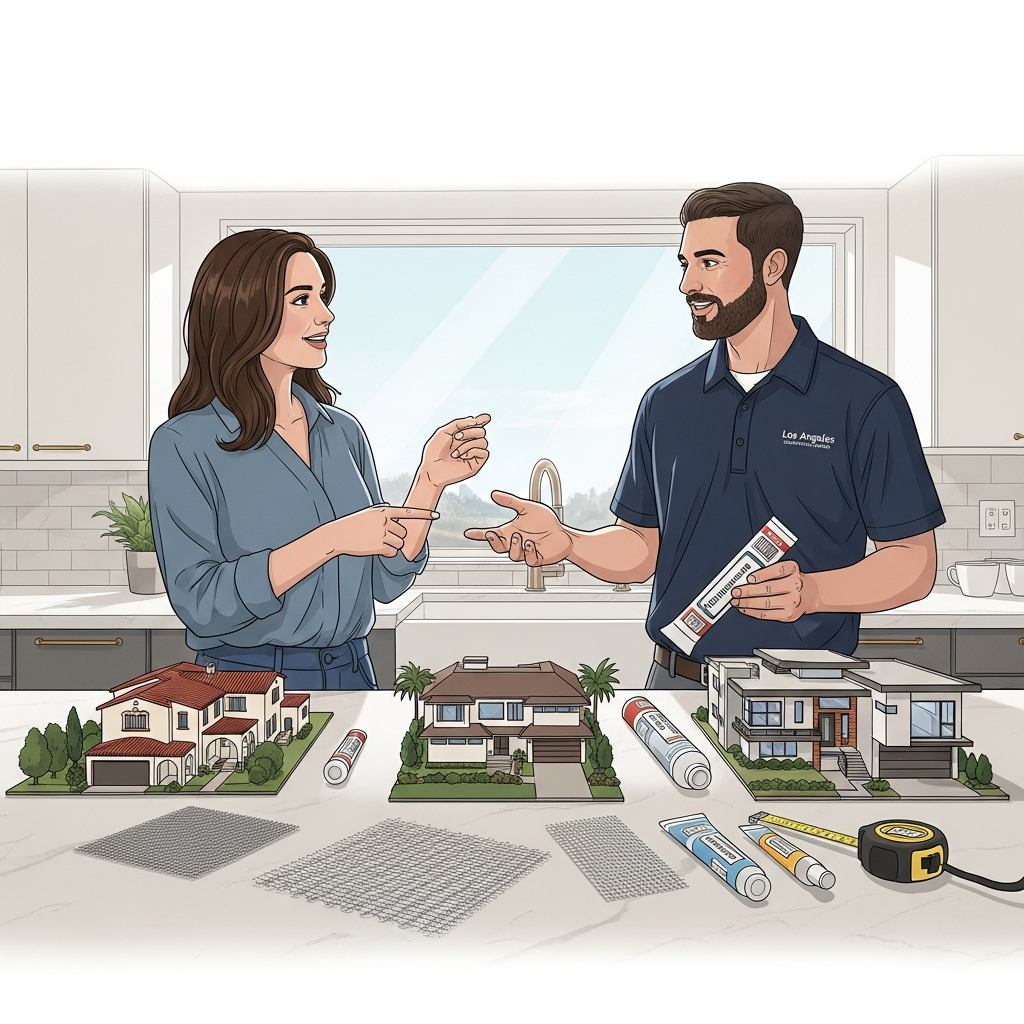
Talking about the financial side of rodent proofing in Los Angeles can feel confusing at first. Homes here differ dramatically in age and layout, from early-century bungalows with open eaves to modern construction with complex rooflines and multiple additions. Neighborhood density, proximity to greenbelts, and even how your block handles trash collection influence how much work a thorough exclusion plan requires. Rather than focusing on numbers, it is more helpful to understand the drivers that shape the overall investment and the value you receive for it. The more clearly you see what contributes to the scope, the better prepared you will be to make sound decisions for your home. To ground your expectations, take a moment to review the fundamentals of comprehensive rodent proofing so you can match service proposals to real-world best practices.
Los Angeles is unique in that many houses were built during periods when energy codes and pest exclusion standards were different from today’s norms. As a result, your home might have generous attic voids, unsealed chase walls, oversized utility penetrations, and decorative vents with wide openings. While these architectural features contribute to a home’s charm and airflow, they also create convenient pathways for rodents. The scope of proofing grows or shrinks based on how many such pathways exist, whether they are accessible, and how safely they can be sealed without compromising ventilation or drainage.
Home Size, Layout, and Accessibility
A compact single-story house with a straightforward roof may require fewer sealing steps than a multi-level property with several roof transitions, dormers, and hard-to-reach corners. Similarly, a home on a narrow lot with adjacent tall vegetation or fences can provide more aerial highways for rodents, often leading to extra attention at rooflines and eaves. Accessibility also plays a major role. Crawlspaces with limited clearance, attics with dense ductwork, or steep roofs can increase the time and care required to perform durable work. These realities are part of the planning and influence the level of effort needed to complete a comprehensive seal.
Interior layout matters as well. Homes that have had multiple remodels often contain partition walls with concealed connections to attics or crawlspaces. A seasoned technician maps these pathways during inspection to ensure the plan addresses connections you can’t see from the living space. The more connected voids there are, the more steps are needed to stop movement, and that shapes the scope of the project.
Condition of Existing Building Components
Time and weather affect every building. In LA, sun exposure and Santa Ana winds can warp plastics and dry out sealants. At the coast, salt air accelerates corrosion. Where vents are already damaged or flashing is loose, proofing must include repairs or replacements to achieve a stable barrier. This is not just about closing holes; it is about ensuring the surrounding surfaces are strong enough to hold new screens or metal patches securely. In older homes, patching deteriorated stucco or shoring up a rotted fascia may be part of creating a long-lasting exclusion system.
Landscape and site conditions also matter. Properties with terraced slopes, retaining walls, or dense plantings may funnel rodents toward certain entry points. Addressing these patterns may involve more attention to foundation lines, utility chases, and transitions where hardscape meets the structure. Each of these site-specific details shapes the overall scope of work.
Severity and Pattern of Activity
Not all rodent activity is equal. Signs limited to occasional attic scratching imply a different situation than heavy traffic in multiple areas. Inspectors read droppings, rub marks, nesting material, and insulation disturbance to infer traffic volume and routes. Where activity is widespread, an effective plan must interrupt movement at multiple layers: exterior envelope, attic, crawlspace, and utility penetrations. More layers typically require more steps, which influences the project size and planning horizon.
Another dimension is the rodent species you are dealing with. Smaller mice can pass through surprisingly small gaps, while larger rats may need more robust reinforcement at structural transitions. Understanding which species is present helps tailor mesh sizes, flashing choices, and inspection priorities, and these choices affect the materials and labor used.
Material Quality and Fit-for-Climate Choices
Durable exclusion relies on corrosion-resistant metals and weather-appropriate sealants. Stainless or galvanized hardware mesh, rigid vent covers, and sheet-metal flashing stand up better to our climate than thin, generic products. The fit and fastening method matter as much as the materials themselves. A properly cut and hemmed metal edge or a mesh wrapped and anchored behind trim resists prying and chewing better than a quick surface screw. This kind of craftsmanship takes time and skill, and it produces longer-lasting outcomes that reduce future disruptions.
There is also the question of ventilation and drainage. In a dry climate punctuated by short bursts of rain, vents and weep paths are essential. Quality proofing preserves airflow and moisture management while excluding pests. Using screens that maintain free area and installing them without deforming the openings reflects an understanding of building science and supports the home’s long-term health.
Sanitation and Restoration Considerations
Sanitation and restoration often accompany exclusion. If rodent activity disturbed insulation, contaminated surfaces, or left odors in enclosed spaces, thoughtful cleanup helps reset the environment so new intrusions are easier to detect. This can involve safe removal of affected materials, targeted cleaning, odor control, and sometimes insulation replacement. Performing these steps after sealing prevents recontamination and allows you to start fresh with a quiet, clean attic or crawlspace. The breadth of restoration aligns with how long the activity persisted and how widely it spread through the structure.
In multi-family or tightly spaced neighborhoods, coordination and containment become more important. Technicians may need to stage equipment carefully, protect shared walkways, and work within limited access windows. Good planning in these environments adds predictability and keeps projects on track.
Why Local Expertise Matters
Los Angeles neighborhoods each present different challenges. In hillside areas, gravity and terraced landscaping change movement patterns. Near the coast, materials and fasteners must resist corrosion. In the Valley, intense summer heat demands UV-stable products. Providers who work across these contexts recognize common weak points by sight and design sealing plans that respect local construction styles and weather patterns. This situational fluency translates into a more accurate assessment of what your home needs and a final result that holds up through changing seasons.
If you are comparing multiple proposals and find it hard to judge which one reflects best practices, it helps to revisit foundational resources about effective rodent proofing in Los Angeles. Use that knowledge to evaluate whether each recommendation preserves ventilation, employs resilient materials, and accounts for how rodents actually navigate homes like yours.
Value Beyond the Initial Project
It is easy to frame rodent proofing as a one-time task, but the real value lies in prevention and the quiet confidence that comes from a well-sealed home. When travel routes are closed and attractants are reduced, you spend less time reacting to noises, odors, and late-night worries. A thorough plan eliminates access points and often improves general weather resistance at vulnerable transitions. Over time, this can mean fewer surprises during storms, less debris entering attic spaces, and a structure that simply feels tighter and calmer.
Another dimension of value is health. Reducing exposure to droppings, dander, and nesting materials supports a cleaner living environment. That benefit can be especially meaningful for households with sensitive occupants. Choosing a team that sequences sanitation intelligently with sealing ensures you get the full advantage of the work.
Planning Your Project With Confidence
When you begin the process, expect a detailed inspection followed by a plan that maps findings to targeted actions. Clear photos and descriptions should explain what will be sealed, how, and in what order. Your questions should be welcomed, and the team should explain how they will protect ventilation and maintain drainage where needed. Look for professionalism in scheduling, site protection, and communication habits—these soft skills often correlate with technical excellence.
Finally, remember that proofing is a partnership. Your participation—securing pet food, managing trash, trimming back dense vegetation—supports the technical work and helps ensure the quiet your home deserves. A provider who educates you on these steps extends the value of the project long after the last screen is installed.
FAQ: Understanding Financial Drivers Without Focusing on Numbers
What are the main factors that shape the overall investment?
Home size and complexity, accessibility of key areas, condition of vents and flashing, the extent of rodent activity, and the quality of materials used are central drivers. Each factor influences how many steps are required to create a durable, humane exclusion system.
Can comprehensive proofing be done without affecting ventilation?
Yes. Responsible providers use vent covers and screening methods that maintain airflow while excluding pests. They understand the role of each vent and avoid blocking moisture pathways.
How does the species involved influence the plan?
Different rodents exploit different gaps. Smaller mice require tighter mesh and more meticulous sealing at fine openings, while larger rats demand robust reinforcement at structural transitions and rooflines. Knowing the species allows targeted, efficient planning.
Do landscape features around my house matter?
Absolutely. Dense shrubs, trellises, fences, and retaining walls can serve as bridges to rooflines and eaves. Addressing these features reduces pressure on the building envelope and supports long-term success.
Why do restoration steps often accompany exclusion?
Cleaning, odor control, and insulation replacement where needed help reset the space so you can more easily detect any future activity. It also improves indoor air quality and removes residues that might attract new intruders.
Is there a best time of year to schedule?
Proofing is effective year-round in Los Angeles. Seasonal conditions may influence sequencing, such as addressing exterior vulnerabilities before winter rains or prioritizing attic work during cooler periods, but there is no bad season for starting prevention.
If you are ready to plan a thorough, climate-smart approach that prioritizes long-term results and a calm, quiet home, reach out to a trusted local team for guidance. For a dependable starting point with professionals who focus on resilient materials and careful building science, connect with specialists in expert rodent proofing and reclaim peace of mind.