
Ask any local who has climbed a ladder in Los Angeles to trace a mysterious scratch in the ceiling: rodent proofing succeeds or fails on the smallest details. Our city’s homes—from Spanish Revival beauties with curved tiles to mid-century gems with long, low rooflines—offer rodents an array of architectural opportunities. The good news is that each of these opportunities can be neutralized with the right materials and techniques. To understand how, it helps to walk through the most common issues we encounter. Along the way, keep in mind what truly comprehensive rodent proofing is designed to accomplish: stop entry, remove attractants, and restore the calm you expect from your home.
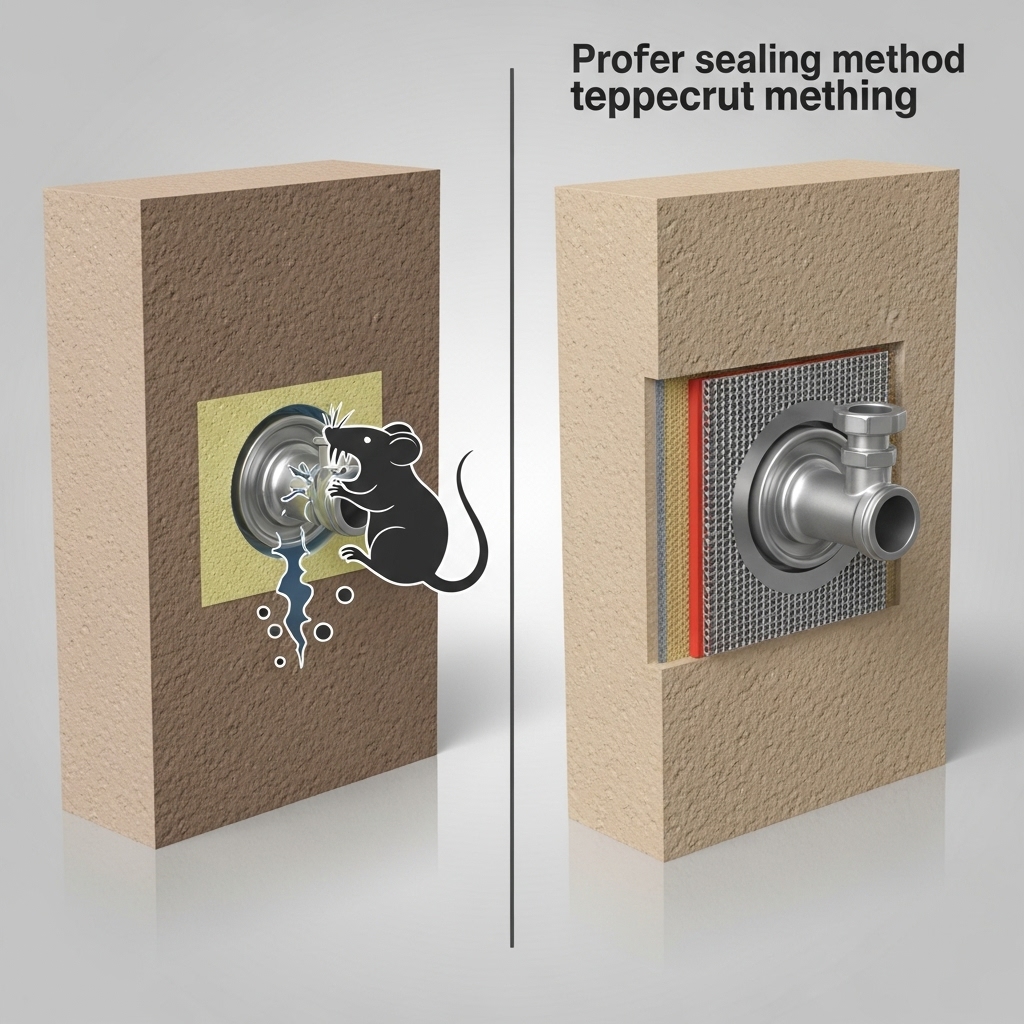
Let’s begin at the foundation. In stucco homes, the weep screed—the horizontal gap at the base where moisture can escape—must be screened properly. Many older homes have brittle or missing screening that looks intact from a distance but has just enough give for a determined mouse. Around hose bibs and irrigation lines, we often find rough holes sealed with foam alone. Foam can be a useful filler, but it cannot be the only barrier where chewing pressure exists. A combination of backer and metal mesh, finished neatly with sealant, is a small upgrade that prevents a recurring headache.
Garage Door Gaps and Side Doors
Garage doors are dynamic systems. Bottom seals wear and lift, especially in the corners where concrete isn’t perfectly level. The smallest triangular gap can be enough. Side doors, which see frequent use for laundry or backyard access, often have thresholds worn thin or sweeps that are more decorative than functional. These openings can be hard to notice in bright daylight; a dusk inspection will reveal where light leaks underneath. Replacing a sweep with a metal-core version and adding a threshold plate where needed are durable fixes that align with how Angelenos actually use these doors—daily, in all seasons.
Inside garages, clutter is the enemy of early detection. Cardboard on the floor becomes nesting material, and stacked boxes make rub marks and droppings easy to miss. Elevating storage with sturdy bins and maintaining a clear perimeter communicates something important to would-be intruders: there’s nowhere to hide here. When we combine organization with reliable seals, garages shift from staging grounds to simple pass-throughs.
Rooflines, Vents, and the Art of Discretion
Roof rat is not an accidental name. Elevated routes are their specialty, and LA’s rooflines offer plenty of intrigue. Spanish tile creates rhythmic gaps along the eaves, while flat roofs can have dozens of penetrations for HVAC, solar, and plumbing. Gable and dormer vents are crucial for ventilation, yet original screens are often too light. The fix is not to block airflow; it is to upgrade the barrier. Stainless steel mesh behind the vent preserves function and denies entry, and it does so without changing the look of the home. When applied with clean lines and color-matched fasteners, these upgrades disappear visually while they perform tirelessly.
Another issue is the temptation to rely on foam or thin plastic caps where metal and mesh are required. In the short term, these materials feel tidy and fast. In the long term, they are chewable obstacles. The right material choices—galvanized or stainless mesh, proper flashing, and quality sealants—transform a patch into a permanent solution. And permanence matters here because LA’s weather swings test every seam and edge, from Valley heat to coastal salt air.
Unsealed Utility Penetrations
Telecom upgrades, cable runs, EV charger installs, and new mini-split lines are part of modern LA living. Unfortunately, they’re also a leading cause of new rodent access points. It’s common to find neat, circular penetrations that were never backfilled with mesh behind the caulk. Over time, caulk alone can shrink or crack, especially where sunlight and heat bear down. The repair is simple but specific: reinforce with mesh, then apply a flexible, durable sealant to finish. Done right, the result is practically invisible and functionally robust.
Inside the home, kitchen and laundry penetrations demand attention. The hole behind a refrigerator water line or under a sink where the drain passes through a cabinet can be much larger than the pipe itself. Mice exploit these gaps. Using fitted escutcheons, plates, or tight patches around these penetrations cuts off indoor highways that might otherwise connect walls, pantry areas, and utility rooms.
Attic Contamination and Insulation Damage
Even after sealing, the attic tells the story of previous activity. Compressed insulation reduces energy efficiency and creates channels that attract future exploration. Droppings and urine can leave odors that seep downward through can light housings and air returns, especially on warm days. The fix involves more than scattering a deodorizer. Proper cleanup uses HEPA filtration where needed, removes contaminated insulation, sanitizes surfaces, and replaces materials to restore the thermal boundary. This is a health decision as much as a comfort decision, because air quality improves dramatically when the attic is cleaned and insulated correctly.
Ductwork deserves the same respect. Rodents can gnaw flexible ducts, creating small leaks that add up to big comfort losses. Sealing the envelope without addressing damaged ducts is like fixing the hull of a boat while ignoring a tear in the sail—you will still feel the inefficiency every day. A good inspection notes duct condition so the proofing plan can restore comfort fully.
Misidentification: When Noise Isn’t What You Think
Not every bump in the night is a rodent. Birds can nest in eaves, and tree squirrels sometimes access attics by jumping from nearby branches. Differentiating sounds and signs prevents the wrong fix. Rodent runways leave specific trails in insulation, and droppings tell a clear story. When in doubt, a professional assessment saves time and avoids measures that don’t address the real issue. In LA’s varied urban habitat, accuracy is half the battle.
Another misconception is that a tidy kitchen guarantees immunity. While cleanliness helps, rodent interest often begins outside, not in your pantry. A fallen orange, a dripping hose bib, or a cozy gap above the garage creates the initial draw. Proofing is about controlling the structure first, then maintaining the habits that make your home less inviting as months and seasons change.
Setbacks After Renovations
Construction is a top trigger for new openings. After a roof replacement or the addition of solar, we often find temporary seals left in place that fail a few weeks later. Fresh paint and new fixtures can hide vulnerable edges that only reveal themselves after a season of heat and wind. The fix is straightforward: build a post-project inspection into your timeline, even if the work was done perfectly. It is an insurance policy against small surprises becoming big headaches.
ADUs, garage conversions, and additions create transitions where materials and old-to-new assemblies meet. If these seams are not proofed with the same rigor as the main structure, they become the weak link. A comprehensive plan treats the property as a single system, bringing every structure up to the same standard so pressure doesn’t shift from one building to another.
Habits That Undermine Good Work
Even the best sealing can be undercut by simple routines. Leaving pet food outside overnight, propping a side door on a warm evening, or letting vines reach the eave creates repeated opportunities. The fix is gentle: develop a few new habits. Close lids securely, store bags in bins, harvest fruit steadily, and keep branches trimmed back from the roofline. These are easy wins that reinforce the structural work and reduce testing behavior from curious rodents.
Community coordination amplifies results. If your block shares an alley, chat with neighbors about bin storage and pickup routines. A consistent approach means fewer hotspots and fewer reinforcements needed over time. What you do for your home helps theirs, and vice versa; in a city as interconnected as ours, collaboration is part of the solution.
When to Bring in the Pros
Climbing ladders to inspect rooflines or crawling under a home is not for everyone. Professionals bring the right materials, protective gear, and the practiced eye that catches patterns quickly. They also understand which issues matter most in which order. For example, sealing a garage without addressing a roofline gap can leave you wondering why activity continues. Sequencing is everything, and experience gets the sequence right the first time.
If you’re evaluating options, ask to see examples of vent upgrades, tile-edge solutions, and penetration seals. Quality work blends into the architecture while raising the home’s defenses dramatically. Before you decide, take a moment to explore what comprehensive rodent proofing includes—materials, techniques, and a plan for follow-up. Knowing what “good” looks like guides smart choices and saves you time.
FAQ: Common Rodent Proofing Issues in LA
Q: Why do problems return after a quick fix?
A: Quick fixes often rely on foam or thin plastic that rodents can chew. Durable solutions use metal mesh, proper flashing, and quality sealants, installed with an eye for how LA weather stresses materials over time.
Q: What makes rooflines so vulnerable?
A: Elevated routes suit roof rats, and many roof systems include necessary gaps for ventilation. Without upgraded screens and fitted guards, those gaps become access points. The solution preserves airflow while denying entry.
Q: Are baits or poisons necessary?
A: Exclusion and sanitation are the foundation. Targeted trapping can be used temporarily and safely, but long-term reliance on poisons introduces risks and doesn’t fix the actual openings rodents use.
Q: How do I know if the attic needs cleaning?
A: Look for flattened insulation, droppings, and odors, especially on warm afternoons. A professional inspection can confirm the extent and recommend a cleanup and restoration plan that protects air quality.
Q: What about ADUs and additions?
A: Treat them as part of a single system. Seals and screens must be consistent across structures. Transitions are high-risk zones that need the same materials and care as the main house.
Q: What can I do today to help?
A: Secure lids on bins, store food in containers, pick up fallen fruit, and trim branches off the roof. Then schedule a quick review of vents, doors, and penetrations to confirm those everyday habits are supported by solid barriers.
When you’re ready to turn common vulnerabilities into non-issues, bring in a team that treats your home with precision and respect. Start by learning how professional rodent proofing can make your Los Angeles home quieter, cleaner, and reliably protected through every season.