
Los Angeles homes breathe with the seasons: a warm Santa Ana wind rattles the eaves in fall, the first winter rain perfumes the yard, and summer heat shimmers across the Valley. Through every shift, your home’s defenses against rodents need gentle, steady attention. The good news is that maintenance doesn’t have to be complicated. With the right rhythm and a few local insights, you can keep your spaces quiet, clean, and comfortable year-round. When friends ask where to start, I always suggest a look at rodent proofing basics adapted to LA’s neighborhoods and microclimates, then building a simple habit around them.
Maintenance in our city is about understanding patterns. Rodent pressure rises after winds that scatter debris into vents, after the first rain pushes animals to higher, drier ground, and during heat waves when attics feel temperate compared to sun-drenched yards. If you align your checks with those moments, you’ll prevent small gaps from turning into entry points. You’ll also protect the investments many LA homeowners have made in insulation, ductwork, and updated electrical—systems that rely on clean, sealed cavities to perform.
Seasonal rhythms to adopt
Start with three anchors on your calendar. Before fall winds, give attention to gable and soffit vents, roof-to-wall transitions, and any trees that might be brushing the roof. After the first significant winter rain, look for swelling or movement at eaves and check that crawl space vents haven’t accumulated debris. Ahead of summer heat, confirm that attic access is snug, that recessed light trims are tight, and that any prior repairs have held through spring’s expansion and contraction. These touchpoints take minutes, not hours, and they create a loop of awareness that keeps your home steady.
Garage and side-yard gateways
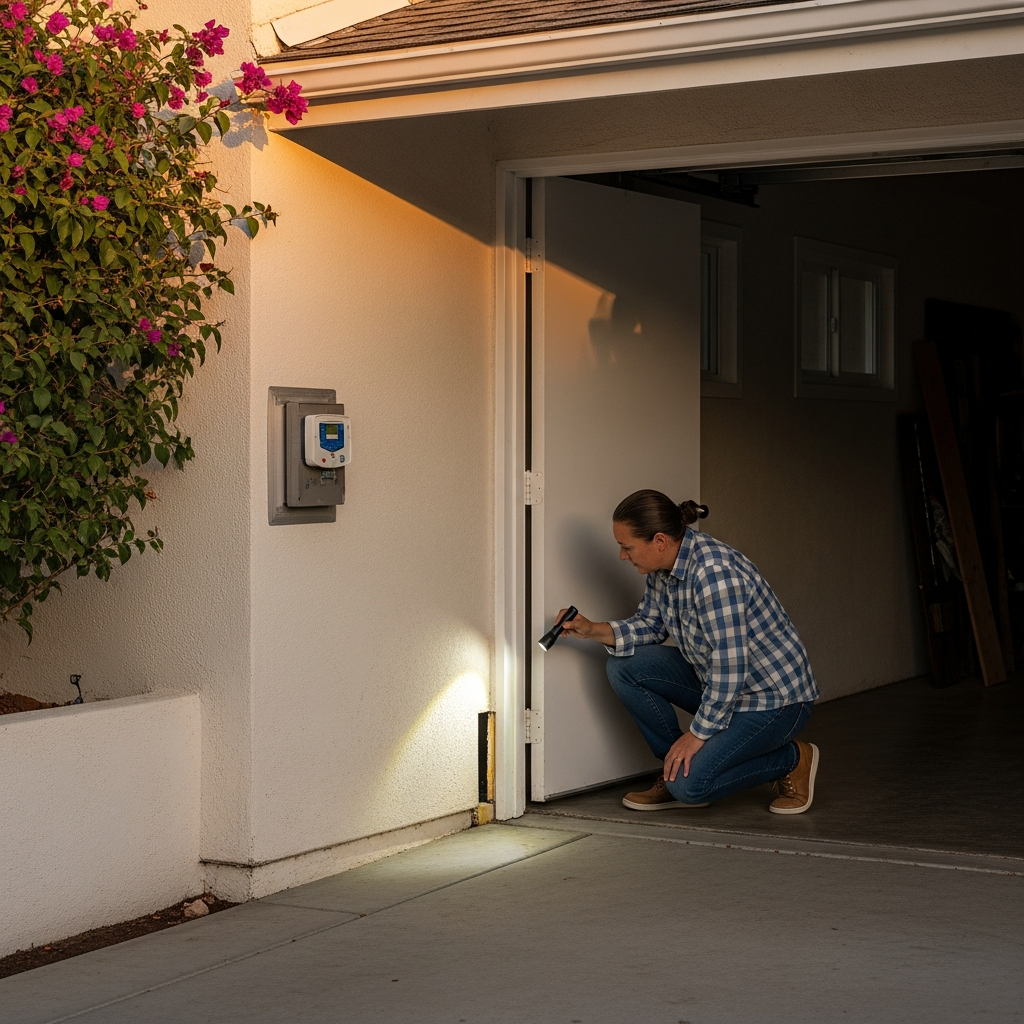
In Los Angeles, the garage is a common starting point for intrusion. Side doors shift out of square, thresholds wear down, and door sweeps crack under heat. Make a habit of inspecting daylight under doors and feeling for drafts along edges. Replace worn sweeps and adjust door alignment when you notice rub marks at corners. In side yards, utility penetrations—sprinkler controllers, conduit for lighting, and hose bibs—deserve a look. Sealant ages fast under our sun, and a quick refresh can outpace a problem.
Vegetation as highway and habitat
LA’s lushness is part of why we love living here, but dense ivy, drooping bougainvillea, and fruiting trees can become ramps and pantries for rodents. Maintenance is not about stripping your yard; it’s about trimming with intention. Keep branches off the roofline, harvest or compost fallen fruit promptly, and thin ivy near fence tops and eaves. These small acts complement sealing work and dramatically reduce pressure on attics and crawl spaces.
Attic access and storage habits
Most of us only open the attic a few times a year. Turn those moments into maintenance opportunities. When you lift the hatch, note any odor changes, look for disturbed insulation near eaves, and scan for daylight at unexpected places. If you store bins, keep clear paths so you can see the perimeter. In older LA homes, keep an eye on recessed lights and around bath fan housings; gentle movement over seasons can open hairline gaps. Tightening a trim or touching up sealant early saves headaches later.
Crawl spaces and raised foundations
For homes on raised foundations, the crawl space is a quiet linchpin of comfort and cleanliness. Check that access doors close snugly, that vents are intact, and that irrigation lines or new cabling haven’t created fresh penetrations. During wetter winters, confirm the ground stays reasonably dry; standing moisture can attract pests and strain materials. Tidiness here ripples upward—you’ll smell less, feel fewer drafts, and enjoy a calmer main floor.
Kitchen and pantry vigilance
Kitchens are the heart of LA homes, flowing into living spaces where we gather. Maintenance means verifying that toe-kicks remain sealed, that gaps around plumbing under sinks are tight, and that pantry corners don’t invite nesting material. A quick wipe-and-check routine while you put away groceries is often enough. If you notice droppings or a musty whiff, treat it as valuable feedback and investigate rather than masking it with scents.
Material choices that stand up to LA
UV, heat, coastal air—the city tests every product you install. When you replace a vent screen or refresh a seal, choose materials suited to your microclimate: galvanized or stainless mesh near the coast, UV-stable sealants under valley sun, and fasteners that won’t back out with seasonal movement. The right choices stretch the life of your work and reduce the frequency of touch-ups.
Coordinating with remodels and service calls
Remodels and even small service visits can unintentionally undo great exclusion work. Get in the habit of asking trades to maintain seals and screens when they open a path. After a roof repair, confirm that vent covers and flashing details are restored. Following an HVAC visit, peek where lines enter the attic. This light coordination keeps your defenses intact without adding friction to the project.
Listening to the house
Maintenance isn’t only about what you see; it’s about what you hear and smell. Pay attention to night noises near ceilings, to sudden drafts where none existed, or to odors that come and go with heat. These sensory notes are early warnings. A quick attic check after a new sound can save you a weekend of worry later. Over time, you’ll develop a feel for your home’s normal rhythms and spot the outliers fast.
Neighborhood teamwork
In LA, the line between your home and the neighborhood is porous—alleys, shared fences, and community fruit trees bind us together. Share tips with neighbors about trimming schedules, green bin habits, and the best time to harvest. When a few homes adopt the same rhythm, everyone benefits. The maintenance mindset becomes a neighborhood culture that keeps pressure low across the board.
Mid-year check-ins and simple logs
One of the most effective maintenance tools is a simple log. Jot down dates when you checked vents, replaced a sweep, or trimmed a branch. Add notes after wind events or rain. This light record helps you spot patterns and proves invaluable if you ever bring in a pro—your observations become a map. Around the midpoint of each year, skim your notes and plan a small afternoon to tend to anything you’ve flagged. If you want a reality check or a second set of eyes, it’s a great moment to consult local specialists and consider rodent proofing in Los Angeles as a proactive tune-up.
Responding to the unexpected
Even the best-maintained homes encounter surprises. A raccoon pulls a screen, a contractor forgets to reseal a conduit, or an earthquake opens a subtle joint. The maintenance habit shines here: because you’re already checking, you catch the change fast. Respond with the same calm sequence—inspect, seal, sanitize—and the home returns to equilibrium quickly.
What success looks like
Homeowners often describe the successful maintenance rhythm as a kind of quiet confidence. Nights are uneventful, pantries stay clean, and the attic feels like part of the house rather than a wild card. Friends visit and remark on the easy comfort of the space. Those outcomes aren’t accidents; they’re the direct result of attention applied at the right moments in a city where the environment is always nudging at the edges.
FAQ
How often should I check my vents and door sweeps?
Seasonally is a strong baseline—before fall winds, after the first winter rain, and ahead of summer heat. Quick visual checks in between, especially after strong wind events, help catch changes early.
What’s the first place to look if I hear noises at night?
Start with the attic access and the roofline near gable or ridge vents. Then check the garage, especially along door bottoms and side entries. These zones explain a large percentage of first-time noises in LA homes.
Do I need special materials near the coast?
Yes. Salt air accelerates corrosion, so choose galvanized or stainless mesh, corrosion-resistant fasteners, and sealants rated for coastal exposure. These choices extend the life of your maintenance work.
Will trimming trees really make a difference?
Absolutely. Branches that touch or overhang the roofline act as ramps. Keeping a clean air gap between foliage and the house is one of the simplest, highest-impact maintenance steps in Los Angeles.
How do I know if insulation has been disturbed?
Look for channels or mounds near eaves, uneven surfaces where batts once lay flat, and dust patterns that halo around penetrations. A small mirror and a flashlight help you see into corners without moving much material.
What should I document in my maintenance log?
Note dates and quick summaries: which vents you checked, any sealant refreshes, door sweep replacements, tree trims, and observations after weather events. Photos on your phone create a helpful visual history.
If you’re ready to turn good intentions into a reliable home routine, start small and stay steady. Walk the perimeter, peek into the attic with purpose, and keep a light log so patterns reveal themselves. When you want experienced guidance and a tune-up that respects LA’s microclimates and architecture, connect with local pros and schedule professional rodent proofing so your home stays the quiet, clean refuge you count on every day.