
Living in Los Angeles means embracing sunshine, canyon breezes, and a wonderfully varied neighborhood fabric—from historic Craftsman bungalows and Spanish Revival homes to sleek new ADUs tucked behind the main house. It also means navigating an urban ecosystem where wildlife adapts as quickly as we do. That’s why rodent proofing isn’t a luxury for LA homeowners; it’s a necessary, preventive step that protects health, property, and peace of mind. When I talk with clients from Silver Lake to Westchester, I often start by explaining how comprehensive rodent proofing closes the loop between cleanliness, building integrity, and everyday comfort. We aren’t just sealing holes—we’re reshaping how a home interacts with the environment around it.
In our climate, mild winters and long dry spells create conditions where rodents are active year-round. Add dense development, alley access, fruit-bearing trees, restaurant corridors, and the occasional construction boom, and you’ve got an ever-shifting mosaic of opportunity for rats and mice. If an older bungalow settles a half inch, or if a stucco patch pulls away from a vent, that gap might be all a rodent needs. The reason to act proactively in Los Angeles is simple: every season offers a different chance for rodents to move closer to your kitchen, pantry, or attic insulation. Prevention is the safeguard against that drumbeat of minor risks turning into one major problem.
Understanding How LA Homes Attract Rodents
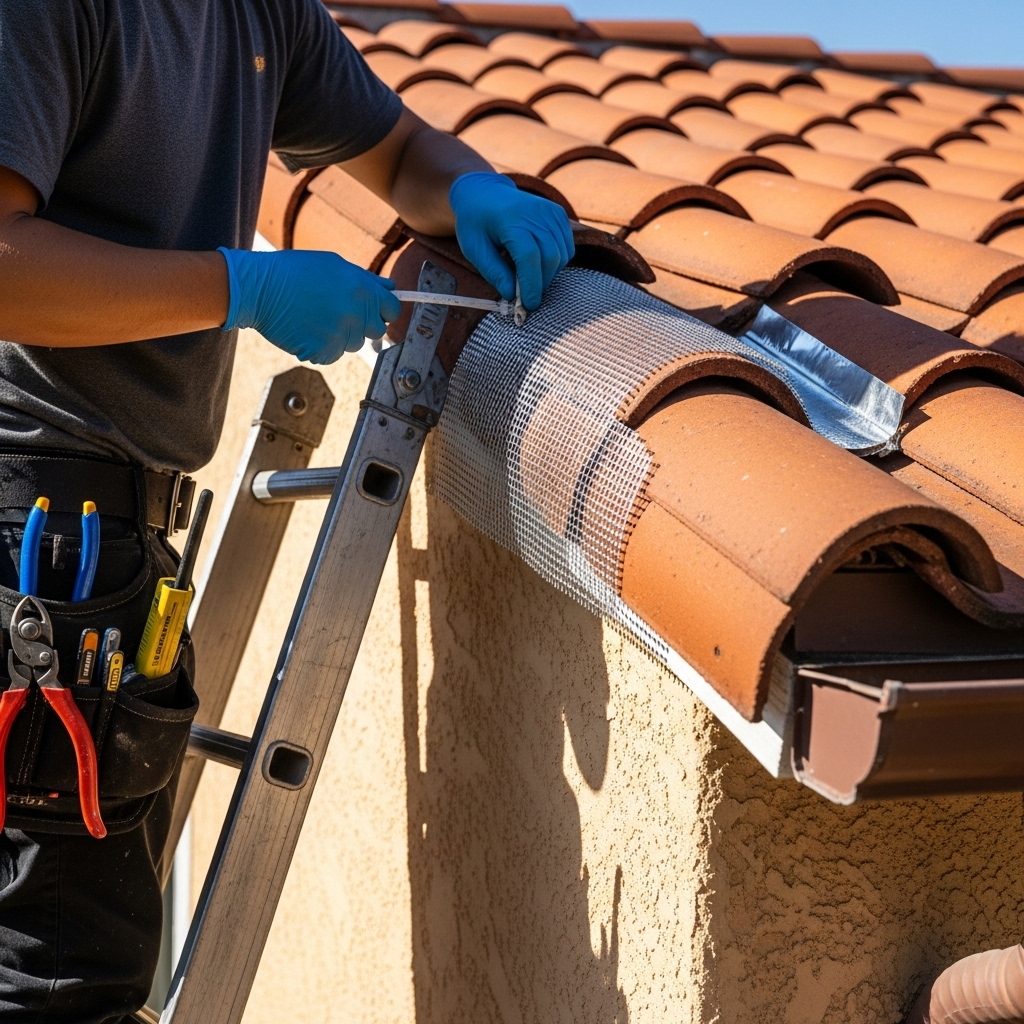
Los Angeles doesn’t have a single “typical” house, and that variety is part of the challenge. A hillside home with a raised foundation can have crawlspace vents and grade-level openings that differ drastically from a slab-on-grade ranch in the Valley. Rooflines vary, too—Spanish tile can create elegant profiles but also hide small, consistent gaps along the eaves. Even the best-maintained properties evolve with time: an HVAC upgrade, a satellite dish installation, a new recessed light in the ceiling—each penetration can be a doorway if not sealed with the right materials. Rodents don’t need an open door; they need a weakness. In Los Angeles, those weaknesses are often tiny and high up, or tucked away where most of us don’t look.
Beyond structural access, food and water sources are abundant in our city. Think of the backyard fig tree, the orange that drops unnoticed, the pet’s water dish on the patio, or the drip irrigation line that leaks slightly at night. In neighborhoods with mature landscaping, dense shrubbery can provide both cover and a comfortable runway for rodents as they scout for entry points. Trash day and shared bins in multifamily courtyards can also create a repeating buffet if lids don’t close tight. For these reasons, proofing is not just about the building envelope; it’s equally about the rhythms of the property and how daily habits either encourage or discourage pests.
Health, Safety, and Comfort Come First
People often equate rodent problems with a messy kitchen, but that’s an oversimplification. Rodents are drawn by shelter and opportunity, and once inside, they can contaminate surfaces and food with droppings or urine. Sensitive populations—young children, older adults, those with respiratory conditions—can feel the impact of rodent dander and droppings even more acutely. Noise is another factor. Scratching above the ceiling in the quiet of the night is more than an annoyance; it’s a sign that insulation may be disturbed and wiring could be at risk. In open-ceiling lofts and older homes with knob-and-tube remnants, the risk of gnawing on electrical sheathing is a concern no homeowner should ignore.
Odors, too, linger when rodents occupy attics or crawlspaces. Warm days can intensify smells that seep through recessed light housings or HVAC returns, making indoor air quality feel noticeably compromised. Proper rodent proofing helps avoid these concerns by focusing on exclusion and sanitation: keep them out, clean what they touched, and restore any damaged insulation or ductwork. Well-executed proofing restores not just hygiene but also the sense of calm that your home should provide.
The Real Cost of Letting Rodents Settle In
While we won’t talk about pricing, we can talk about consequences. Rodents can compress and foul insulation, causing energy inefficiencies that raise utility use and erode comfort. They chew through flexible duct lines and gnaw on vapor barriers in crawlspaces, creating drafts and moisture issues. If left unchecked, these small acts of damage compound into repair projects that consume time and attention. Los Angeles homeowners often lead busy lives; effective proofing eliminates a set of recurring headaches so you can focus on the good stuff—weekend hikes, beach mornings, and evenings in the yard without worrying about what’s scurrying above the ceiling.
It’s also important to recognize that a single rodent sighting can indicate hidden activity. Rats and mice are cautious, and by the time you spot one in daylight, there may already be a pathway and a nest somewhere in the structure. In multi-unit buildings and duplexes, the problem sometimes originates next door or in a shared attic void. This interconnected reality makes professional-grade exclusion techniques especially vital in Los Angeles, where property lines are tight and structures share walls, foundations, and utility chases.
How Professional Rodent Proofing Works
Comprehensive proofing starts with a full inspection—attic, roofline, exterior foundation, crawlspace, garage, and utility penetrations. We look for droppings, rub marks, chewed wood, and telltale gnawing around plastic vent covers. We measure gaps at garage doors, inspect door sweeps, and take a close look at the eaves. On Spanish tile roofs, we carefully assess where curved tiles meet fascia, and on flat roofs we map out every penetration for cable, HVAC, and plumbing. Our approach is systematic because rodents move systematically. If they can’t use their favorite route, they will test the next one. Good proofing anticipates those tests by locking down every reasonable access point.
Materials matter. We rely on galvanized hardware cloth, stainless steel mesh, concrete patch, and metal flashing in places where chewing pressure is most intense. We avoid foam alone for exterior sealing because rodents can gnaw through it; when foam is used, it’s typically a backer behind metal or mesh, helping fill voids without becoming the primary barrier. Inside, we focus on hygiene and restoration—removing contaminated insulation, vacuuming with HEPA filtration where appropriate, and ensuring that ducts and vents are intact and sealed. Exclusion is the core, but cleanup and restoration finish the job.
Local Conditions That Shape Strategy
Different parts of Los Angeles bring different dynamics. In hillside neighborhoods like Mount Washington or Laurel Canyon, wildlife corridors run behind homes and along narrow streets, creating frequent interactions at rooflines and under decks. In coastal areas, salt air and brisk winds can loosen screening on gable vents and rust cheaper metals faster than expected. In the Valley, heat cycles may warp plastic vent covers and dry out sealants, opening micro-gaps over time. A local, field-tested strategy accounts for these subtleties and chooses materials that endure in our specific climate.
We also pay attention to landscaping. Ivy-clad fences, dense bougainvillea, and stacked firewood give rodents cover and staging points. Fruit trees are abundant in LA; citrus, pomegranate, fig, and avocado can create ground-level attractants if not managed. Collaboration with homeowners here is crucial: trimming branches that touch the roof, securing compost, elevating firewood, and keeping pet food indoors at night all make the exterior less interesting to a rodent looking for a new address.
When to Act and What to Watch For
Any unexplained scurrying, gnawing noises, or faint odors from the attic or walls is a call to action. Finding grease marks along baseboards, tiny black droppings in seldom-used cabinets, or shredded paper in the garage is a sign that rodents are testing your defenses. If you see daylight under exterior doors, or feel a breeze near utility penetrations, those are invitations you’ll want to rescind quickly. The earlier you act, the simpler the remedy. Waiting allows rodents to establish scent trails and nest sites that take more effort to fully eradicate.
Routine home projects create turnover in seals and barriers. If you’ve had a recent roof repair, installed solar, added a mini-split, or opened walls for remodeling, schedule a quick proofing check afterward. It’s easy for a gap to hide behind a vent hood or a mounting bracket. Mid-project, a contractor might create a neat circular hole and leave it for another trade to close—only to have that closure fall through the cracks. Building proactively into your project timeline avoids those post-renovation surprises.
Choosing the Right Help
True exclusion takes a meticulous eye, a ladder, and the right mix of materials. It also takes a local mindset. In the middle of a service plan, we often pause and explain why a particular dormer vent needs stainless mesh rather than plastic, or why a garage door sweep must include a metal core. Good proofing is a craft, and in a city with as much architectural variety as ours, it’s worth partnering with specialists who live and work here. If you’re weighing next steps, start by learning what thorough rodent proofing actually entails and how it addresses your home’s unique conditions.
Once a home is sealed, a follow-up rhythm keeps it that way. We recommend seasonal check-ins, quick visual scans after high winds, and a walkthrough any time a contractor completes an exterior penetration. Over time, you’ll notice something wonderful: the absence of noise, mess, and worry. The house feels calmer and cleaner. You sleep better. That peace of mind is not a nice-to-have; it’s the whole point.
Field Notes from Across the City
One Los Feliz homeowner called about scratching heard just after sunset. The attic looked tidy at first glance, but a closer look revealed a narrow gap where a satellite cable entered the fascia, hidden behind a decorative bracket. We sealed it with metal and mesh, sanitized the area, and installed a new gable vent screen. The noises stopped that night. In Culver City, we found activity around an older garage fridge—plenty of crumbs and a split door gasket that wasn’t closing. Cleaning, sealing, and a new door sweep ended that chapter quickly.
Along the Westside, ocean breezes had loosened a few vent screens on a mid-century home. The openings were small—quarter-size—but perfectly placed along a shaded soffit. We reinforced with stainless mesh and swapped a cracked exhaust cap for a louvered metal unit. In a Valley ranch, the issue centered on roof tile edges, where curved profiles created repeating entry points. Tile guards and carefully contoured mesh did the trick. Different homes, same result: when you address the structure, the problem fades away.
Why It Matters Right Now
Los Angeles is dynamic. People move in and out, gardens grow and change, seasons shift from dry to wet in dramatic bursts, and renovations are constant. In that motion, rodents are opportunists. They test our homes at the seams. Proofing is about reclaiming control, turning a vulnerable structure into a well-defended one without compromising beauty or ventilation. It’s a holistic approach, one that respects both the architecture of your home and the character of your neighborhood.
FAQ: Los Angeles Rodent Proofing
Q: What species are most common in Los Angeles homes?
A: Roof rats and house mice are the most frequent intruders in LA residences, with Norway rats appearing around some foundations and alleys. Each species behaves differently—roof rats prefer elevated routes and attics, while mice can squeeze through surprisingly small openings at ground level—so proofing strategies must account for those preferences.
Q: How long does comprehensive rodent proofing take?
A: Timing depends on the size of the home and the complexity of access points. A straightforward single-family property might be completed in a day, while larger, architecturally complex homes or multi-structure lots can take longer. The key is doing it thoroughly the first time, then following with sensible maintenance checks.
Q: Do I need to leave my home during proofing?
A: Typically, no. Most sealing, screening, and sanitation tasks are done with minimal disruption. If attic insulation removal or heavy vacuuming is part of the plan, we coordinate to keep spaces contained and safe while work proceeds.
Q: Is rodent proofing safe for pets and kids?
A: Yes. Proofing focuses on exclusion—blocking entry points, protecting vents, and restoring sanitation—rather than measures that could affect pets or children. When traps are used, they are placed strategically and safely, and we explain the setup so the household knows what to expect.
Q: Will proofing change how my home looks?
A: Properly executed proofing is discrete. We color-match sealants where visible, set mesh behind vent covers, and use low-profile flashing. The result should preserve your home’s aesthetics while dramatically improving its defenses.
Q: How can I help maintain results?
A: Keep lids on bins, pick up fruit promptly, store pet food indoors, trim branches that touch the roof, and schedule quick checks after storms, heat waves, or projects that penetrate the exterior. These simple habits reinforce the work and keep your home protected.
When you’re ready to make your Los Angeles home quieter, cleaner, and better protected, connect with local experts who treat exclusion as a craft. Start by exploring how professional rodent proofing turns a vulnerable structure into a calm, healthy, resilient place to live. Your home deserves that confidence, and so do you.