
Commercial properties in Los Angeles operate on momentum: morning deliveries, lunch rushes, afternoon production, and late-night resets. When rodent activity intrudes, it does more than disrupt routine—it challenges reputation, employee morale, and compliance. That is why working with a commercial rodent sanitation company that understands Los Angeles is not optional; it is the best way to stabilize operations quickly, document corrective actions, and protect your brand. From restaurants in Koreatown to distribution centers in Vernon and e-commerce hubs in the Valley, the needs vary, but the stakes are always high. The right partner brings certified protocols, scalable crews, and a communication style that keeps busy managers in the loop without overwhelming them. Early in the engagement, you should see a well-defined plan, tight containment, and direct language about how sanitation will unfold and how business can continue safely, including how rodent sanitation integrates with exclusion and staff practices.
Commercial sanitation is distinct from residential in pace and precision. There are more stakeholders and often stricter timelines driven by health inspections, production schedules, or lease requirements. The environment can be complex: food prep areas adjoining storage, office suites above loading docks, or shared walls in retail plazas. Companies that specialize in commercial work choreograph crews by zone, turning spaces over in phases so operations can partially continue. They also bring an understanding of Los Angeles County health expectations, knowing how to align documentation with what inspectors want to see.
First Steps: Rapid Assessment Without Chaos
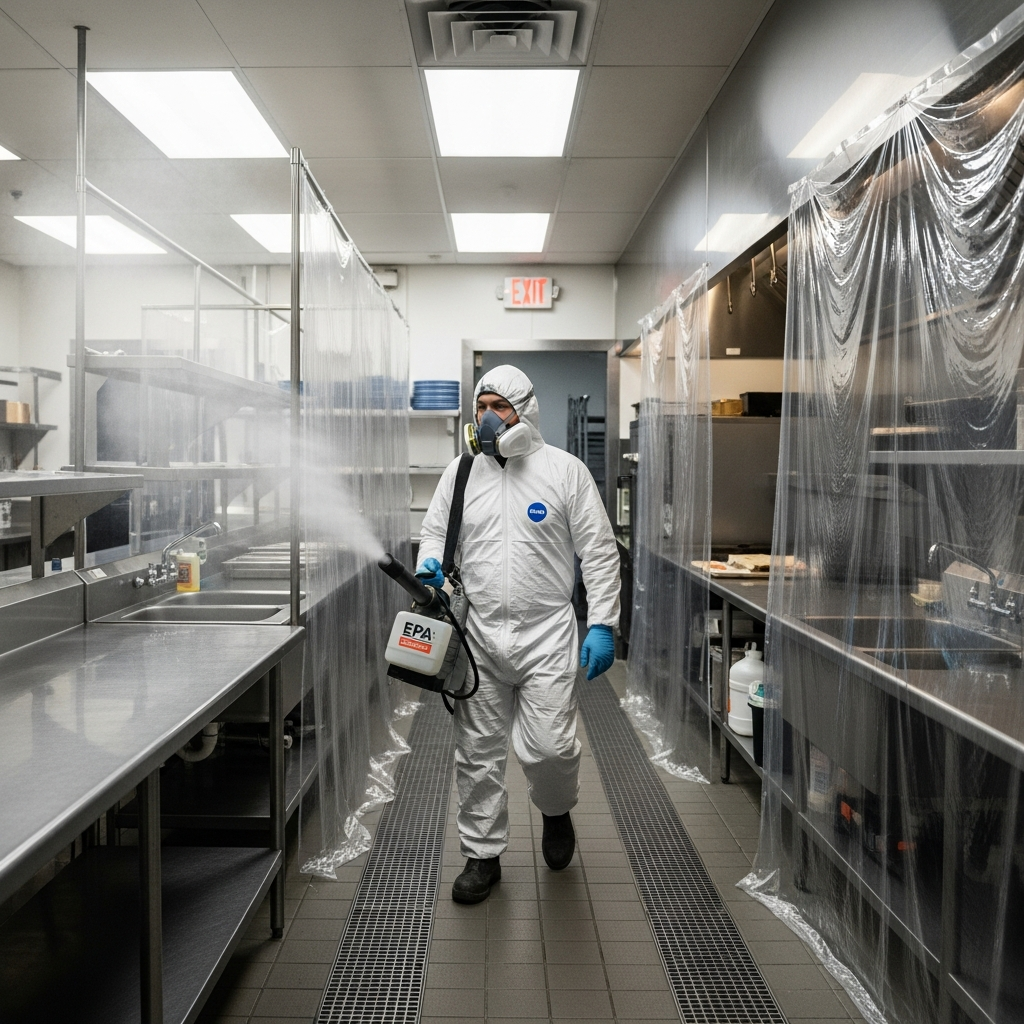
When a commercial call comes in, timing is everything. A seasoned team conducts a rapid but thorough assessment, mapping the building’s layout, traffic flows, and critical control points. The goal is to protect revenue and safety simultaneously. In a restaurant, that may mean isolating back-of-house zones first, where droppings and nesting materials are most likely, while front-of-house remains calm and unaffected. In a warehouse, it could look like containing an aisle and rerouting forklifts while sanitation progresses. The team’s job is not only to clean, but to design the path that keeps your business stable.
Part of that rapid assessment is understanding product sensitivity. Food, pharmaceuticals, cosmetics, and high-end apparel each bring unique contamination concerns. Certified companies adapt disinfectant selection, dwell times, and application technique to your inventory profile and any supplier requirements. They also coordinate with your QA or EHS lead so that the sanitation record dovetails with vendor audits and certification programs.
Disinfectants, HEPA Control, And Equipment Choices
The technical spine of commercial sanitation is control—of particulates, of moisture, and of access. HEPA vacuums capture fine residues; sealed waste bags and clearly marked pathways prevent cross-contamination; and appropriately selected disinfectants are applied with measured contact times. In production settings, misting or fogging may be used to access structural voids around racking or above suspended ceilings, while direct wiping targets food-contact-adjacent surfaces with precision. Experienced crews work around sensitive electronics, conveyors, and refrigeration lines without collateral disruption.
Ventilation strategy is equally important. Shutting down nearby air handlers, protecting returns with temporary barriers, and running supplemental filtration units during and after work help ensure that residues are actually removed, not redistributed. A commercial partner will discuss these steps upfront so you understand how the air will be managed and when areas can safely reopen.
Documentation For Compliance And Confidence
Every commercial client needs a paper trail. Inspectors, insurers, landlords, and corporate leadership all want proof that action was taken properly. A strong company supplies pre- and post-photos, lot numbers for disinfectants, SDS sheets, a step-by-step description of procedures, and a summary of exclusion and prevention. When the day is busy and inboxes are full, concise documentation that answers questions before they are asked is invaluable. In Los Angeles, where businesses may face unannounced inspections, solid records turn a stressful moment into a straightforward one.
Documentation also supports staff confidence. Employees feel safer when they see that a certified provider has addressed the issue with care and that management took action quickly. Clear signage, briefings, and a summary memo can shift the mood from alarm to assurance, helping retention and morale through a challenging episode.
Sector-Specific Realities Across Los Angeles
Restaurants and cafes require a blend of speed and surgical attention. Grease traps, floor drains, and hidden voids behind equipment are notorious harborage points. Sanitation must be optimized around peak times and often paired with quick equipment pulls and targeted degreasing. For grocers and specialty food markets, back rooms and loading docks demand extra vigilance, especially where pallets stage near door thresholds. In office towers from Bunker Hill to Century City, rodent evidence often appears in mechanical floors or subterranean parking structures; here, sanitation is about protecting shared air and preventing migration upward through chases and shafts.
Meanwhile, in industrial corridors, sanitation interacts with rigorous safety protocols—lockout/tagout, forklift pathways, and segregation of flammable materials. Certified teams arrive ready to integrate with those requirements and treat sanitation as one part of a larger EHS strategy. That integration prevents friction and keeps productivity moving.
Communication, Scheduling, And Discretion
Commercial managers do not have time to babysit vendors. The best sanitation partners propose clear schedules, flag dependencies, and staff projects sufficiently so deadlines are met without compromise. Discretion is another hallmark—unmarked vehicles when needed, off-hour scheduling, and tight containments that conceal in-progress work from customers or visiting executives. In retail settings, this sensitivity protects reputation; in production environments, it protects focus.
During multi-day projects, daily summaries keep everyone aligned. A quick end-of-shift email—what was sanitized, what debris was removed, what access points were sealed, and what the next day entails—reduces surprises. Overcommunication is not the goal; precise, predictable updates are.
Integrating Exclusion And Staff Practices
Sanitation is most powerful when paired with exclusion and staff training. Closing gaps along dock doors, adding brush seals, reinforcing vent screens, and sealing wall penetrations deny rodents the chance to return. At the same time, small habit shifts—trash staging routines, end-of-night wipe-downs around equipment legs, decluttering of electrical closets—make a measurable difference. A good commercial sanitation company recommends only what is impactful and achievable, recognizing that teams are already stretched. They focus on the few moves that bend the curve.
For multi-tenant complexes, property managers play a coordinating role. Shared dumpsters, landscape maintenance, and delivery traffic patterns influence pressure across the site. The sanitation vendor should be willing to brief all tenants or provide a standard protocol sheet so efforts sync and no unit becomes the weak link.
Mid-Engagement Checkpoints
In longer projects, checkpoints validate progress. Surface ATP readings, odor assessments after dry-down, or simple visual reinspections confirm that sanitation is sticking. These moments are also ideal for re-educating staff, especially when shifts change. In the middle of that process, it is helpful to reaffirm the purpose: certified rodent sanitation is not a cosmetic pass; it is a health-protection and brand-protection measure that reduces risk and restores confidence.
When the work wraps, a debrief closes the loop: what was discovered, what was remediated, what preventative steps were completed, and what next checks should be scheduled. This debrief becomes part of your operations manual, something new managers can inherit and use to maintain standards.
Seasonality, Weather, And Building Age
Los Angeles seasons are subtle but influential. Hot months can push rodents to seek cooler interiors, while winter rains drive them to shelter, sometimes inside stockrooms or break areas. Older buildings present porous envelopes with many legacy penetrations. Commercial sanitation companies familiar with local patterns anticipate these shifts, staging resources to respond quickly when pressure spikes. They also know building typologies—from 1920s brick warehouses to tilt-up concrete shells—and design sanitation plans that respect those structures’ strengths and vulnerabilities.
Ultimately, success looks like quiet normalcy: the shift proceeds, the store opens on time, the production line hums. The memory of the incident fades because it was handled professionally, documented well, and paired with smart prevention.
Frequently Asked Questions
Will sanitation shut down my entire business?
Not necessarily. Many projects are phased so parts of the operation continue. Critical zones are isolated with containment, and off-hours work is scheduled to minimize impact. Your provider will propose a plan that balances safety with continuity.
How do you protect inventory and equipment during sanitation?
Teams stage protective coverings, isolate sensitive items, and coordinate with facility leads to move or shield equipment. HEPA vacuums and careful disinfectant application prevent overspray and residue, while sealed waste handling keeps contaminants contained.
What documentation will I receive?
Expect a summary report with procedures, disinfectants used, photos before and after, and notes on exclusion and prevention. This packet supports inspections, audits, and internal reviews.
Can you work overnight or during low-traffic hours?
Yes. Commercial sanitation companies commonly schedule overnight or early-morning shifts to reduce disruption. They align with your security protocols and access requirements to ensure a smooth process.
How do you coordinate with health inspectors or landlords?
Your provider should communicate proactively, sharing documentation and outlining corrective actions taken. This coordination helps inspections proceed efficiently and reassures stakeholders that the issue was resolved to a high standard.
Moving Forward With Confidence
If your business needs decisive, discreet help, bring in a certified commercial team that can stabilize operations and deliver airtight documentation. For responsive service that integrates prevention and the city’s best practices in rodent sanitation, schedule an assessment today and get your momentum back.