
Why rodent sanitation is a must for Los Angeles homes
Ask any longtime Angeleno about living comfortably in this city, and they’ll tell you that the home you keep is as much about resilience as it is about style. Between the canyon breezes, the Santa Ana winds, and the rhythm of our dry summers followed by the rare but potent downpours, Los Angeles homes endure a lot. Layer in the everyday realities of fruiting trees, dense landscaping, and beautiful but aging housing stock, and you have the perfect setting for rodent pressure. That’s why rodent sanitation isn’t just a specialty service—it’s a practical safeguard for health, comfort, and the long-term value of your property.
When homeowners hear the word “sanitation,” they often think about a basic clean-up after a rodent issue is resolved. But in Los Angeles, where roof rats thrive in palm fronds, ivy, and utility corridors, and where crawlspaces and attics are part of the home’s microclimate, sanitation is a far more comprehensive discipline. It’s the intentional process of removing contamination, neutralizing odors, and resetting the environment so it’s inhospitable to future rodent activity. Done well, it forms the bridge between solving today’s problem and preventing tomorrow’s.
Health and air quality: the invisible benefits
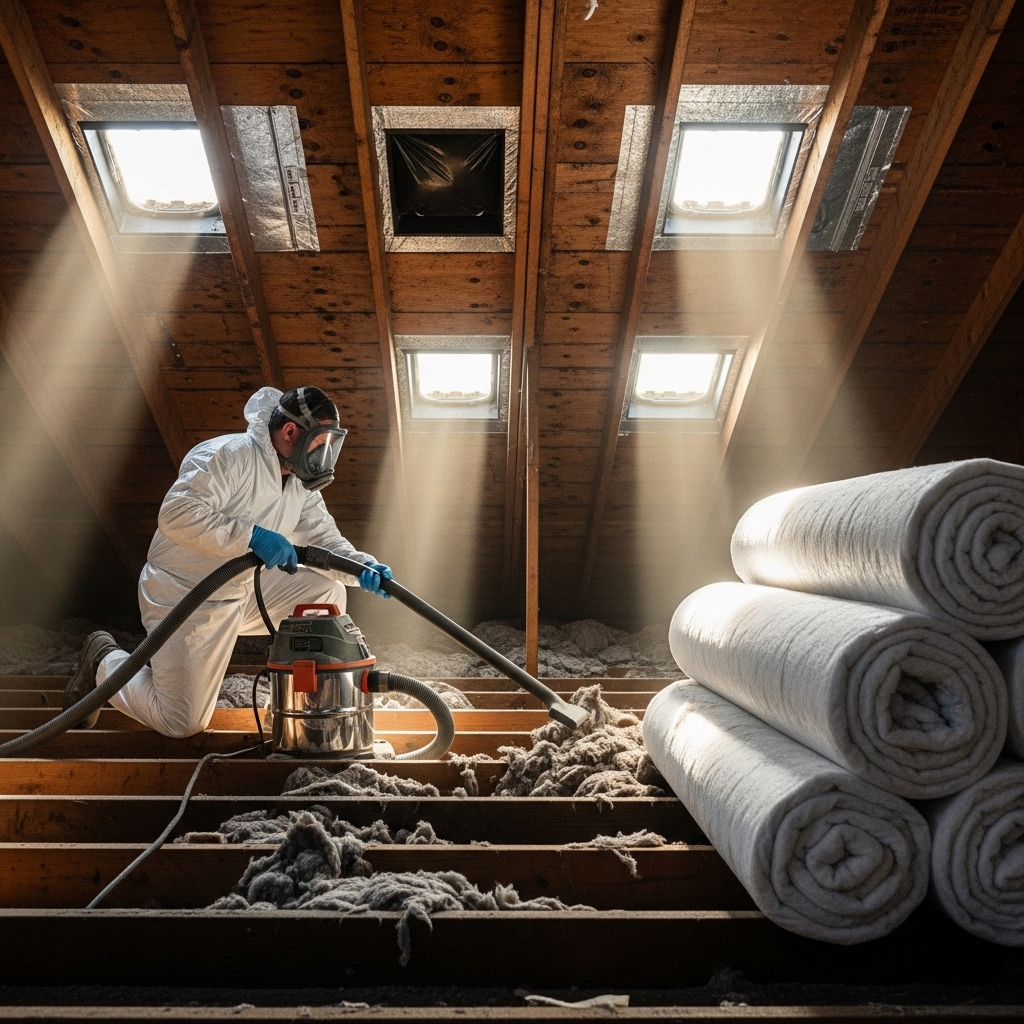
One of the most overlooked benefits of rodent sanitation is the improvement to indoor air quality. In a region where many of us rely on open windows or whole-house fans most of the year, air moves differently through a home. Contamination in an attic or crawlspace can ride thermal currents into living areas, especially in older houses with charming but imperfect seals. A focused sanitation removes droppings, nesting materials, and urine-contaminated insulation, then follows with selective disinfection and odor neutralization. The result isn’t just a space that looks clean; it’s an environment where airborne irritants are substantially reduced, which matters for families managing asthma or allergies.
Health departments and medical literature often mention rodent-borne pathogens like salmonella and leptospirosis, and while severe cases are rare when problems are addressed promptly, the peace of mind that comes from a professionally sanitized space cannot be overstated. Parents of young children, caregivers for older relatives, and pet owners all feel the difference when the unseen risks are addressed with care and rigor.
The Los Angeles factor: climate, construction, and landscaping
Los Angeles neighborhoods are a patchwork of microclimates and building styles: Spanish Revival homes with clay tile roofs in Hancock Park, post-war ranch houses in the Valley, and hillside stilt homes in the Hollywood Hills. Each construction style has its own “rodent personality.” Clay tiles invite roof entry if gaps exist at eaves; raised foundations create crawlspace voids; and hillside lots with abundant vegetation create rodent highways from slope to soffit. Sanitation recognizes those construction quirks while complementing exclusion work, sealing entry points, and aligning with how your property breathes through the seasons.
Landscaping also tells a story. Citrus and avocado trees shed fruit that can attract rodents. Dense ground covers like ivy or jasmine give shelter and transit routes. In these cases, sanitation is paired with practical advice about trimming clearance, managing fallen fruit, and reconsidering storage practices in garages and side yards. By resetting the home’s interior spaces and making exterior conditions less appealing, you multiply the benefits of every hour invested.
Odor removal and the psychology of comfort
Anyone who’s ever returned from a weekend away to a faint, sour musk in the hallway knows that odors have an outsized impact on how we feel about our homes. Rodent contamination odors are stubborn because they’re anchored in absorbent materials—insulation, wood framing, and dust within inaccessible cavities. A thoughtful sanitation plan doesn’t just mask smells; it removes the odor source and treats impacted areas. Homeowners frequently report that their homes “feel lighter” afterward, a subjective but meaningful sign that the living environment has been restored.
This psychological benefit matters. A home is a refuge, and when you’ve dealt with a rodent situation, it’s natural to feel a lingering wariness. Sanitation helps close that chapter. It replaces the memory of the problem with a sense of control and cleanliness, making it easier to focus on the joys of living here—late-night breezes, backyard dinners, and coffee on the porch without wondering what’s scratching overhead.
Protecting insulation performance and energy efficiency
In Los Angeles, where HVAC systems are sized for long cooling seasons and mild winters, insulation quality is a quiet workhorse. Rodents nesting in attic insulation compress the material, scatter contaminants, and create thermal bridges that defeat energy efficiency. During sanitation, contaminated insulation is removed, the deck is cleaned and treated, and a fresh, properly rated layer is installed. The immediate benefit is better temperature stability in living spaces, reduced strain on your HVAC system, and a quieter home—rodent-damaged insulation often loses its acoustic dampening as well.
It’s common for homeowners to notice that certain rooms no longer spike in temperature on hot afternoons after sanitation and insulation reset. That uniformity in comfort is a sign that the attic is returning to its intended role as a buffer rather than a hot, contaminated cavity.
Breaking the cycle: sanitation as prevention
Exclusion—sealing entry points—is crucial, but sanitation is what erases the chemical breadcrumbs rodents leave behind. Pheromones and scent trails can call new rodents to old pathways, and droppings can communicate that a space is “safe.” When those cues are removed and neutralized, the structure becomes less attractive. In practical terms, that means fewer scouting visits and less pressure against your newly sealed vents, screens, and utility penetrations. It’s the difference between stabilizing a property for the season and stabilizing it for the long haul.
Midway through a project is often when homeowners appreciate how sanitation integrates with other work. After exclusion points are sealed and traps have done their job, the real reset begins. That’s why many Los Angeles homeowners seek out targeted rodent sanitation as a deliberate midpoint between stopping activity and restoring the home to a clean, sound condition.
Attic and crawlspace realities unique to L.A.
Attics here aren’t just hot—they’re dynamic. Marine layers cool coastal neighborhoods while Valley attics can surge in temperature, and both conditions pressurize air in ways that move dust and odor. Crawlspaces, especially in older neighborhoods with raised foundations, collect windblown debris, pet food residues from back patios, and even fruit rinds that roll downhill after backyard gatherings. During sanitation, technicians follow airflow patterns as much as footprints, focusing on the corners and junctions where contamination hides but air still circulates.
Ventilation is another focus. Many older homes have vent screens that kept out leaves but not rodents; modern screens and properly sized vents not only deter pests but support healthy attic temperatures. Sanitation gives you the perfect moment to make that upgrade, because the space is accessible and clean.
Pet safety and household routines
Pet owners are often the first to notice rodent issues—dogs fixate on attic hatches, and cats alert you to crawlspace intruders. Sanitation protects pets by removing contamination they might encounter in storage areas, garages, or laundry rooms. It also prompts healthy shifts in routine: better food storage, tidier side yards, and rethinking where birdseed and pet kibble are kept. A good provider will coach you on these habits without judgment, tailoring recommendations to the way Angelenos really live—busy weeks, flexible schedules, and plenty of outdoor time.
Families with kids also appreciate when sanitation includes careful cleanup around playrooms and bedrooms located beneath attics. The goal isn’t to cause alarm; it’s to restore safety and normalcy so the home is once again a place to relax without that persistent thought of what’s above the ceiling.
Working during wildfire and storm seasons
Los Angeles has learned to navigate extremes—from smoke-laden weeks during wildfire season to short bursts of intense rain. Both conditions can influence rodent behavior, driving them into structures or shifting their nesting habits. Sanitation scheduled after such events is particularly effective, because it addresses the spike in contamination that often occurs when rodents seek shelter. It’s also an opportunity to verify that embers or ash haven’t entered attic spaces and that moisture hasn’t complicated existing issues.
Good sanitation teams are nimble with scheduling and protective of indoor air during smoky periods, using high-efficiency filtration and containment methods so the rest of the home isn’t disturbed. It’s a distinctly local form of professionalism born from working in Southern California’s unique environmental conditions.
Property value and pride of ownership
Real estate in Los Angeles moves fast, and buyers are increasingly savvy about attic and crawlspace conditions. A documented sanitation—complete with before-and-after photos and a clear description of the work—reassures prospective buyers and supports stronger offers. Even if you’re years away from selling, there’s pride in knowing that the “hidden” parts of your home are as well maintained as your kitchen or garden. That completeness of care shows.
From Pasadena bungalows to Baldwin Hills mid-century gems, homes that tell a coherent story of upkeep tend to command more respect in the market. Sanitation contributes to that story by turning a potential negative into a demonstration of diligence.
Choosing a provider and what to expect
Look for a team that treats sanitation as a process, not a product. The conversation should begin with your experience—noises, smells, sightings—and move into a thorough inspection. Expect clear explanations of what will be removed, what will be cleaned, and how disinfection will be applied. Insulation discussions should include R-values appropriate for our climate, ventilation adjustments, and the pros and cons of different materials. Above all, communication should be kind, patient, and responsive; homeowners deserve to understand each step.
On the day of service, you should see careful protection of floors and pathways, tidy staging of equipment, and meticulous cleanup. The team should leave the property cleaner than they found it, with the attic hatch resealed, the crawlspace closed, and any odors already fading.
Living well after sanitation
Sanitation isn’t the end of the story; it’s the beginning of a new baseline. Afterward, most homeowners find it easy to maintain the gains with a few small habits: storing dry goods in sealed containers, keeping garbage areas orderly, trimming vegetation away from the structure, and inspecting the attic or crawlspace hatch during seasonal chores. If something changes—unusual noises, a new scent—you’ll notice faster because you know what “normal” feels like for your home.
Many families set a reminder for a quick attic glance at the same time they change HVAC filters. That light-touch vigilance is all that’s needed when sanitation and exclusion have done their work.
Frequently asked questions
Q: How long does rodent sanitation take in a typical Los Angeles home?
A: Most single-family homes can be sanitized in a day, though larger or heavily contaminated spaces may take longer. The timeline includes removal, cleaning, disinfection, and any insulation reset. Providers plan to minimize disruption and keep your home livable during the work.
Q: Will sanitation remove all odors immediately?
A: Odors usually improve dramatically right away. Some residual scent may linger for a few days as treated surfaces off-gas and fresh air circulates, but the goal is a steady decline to neutral.
Q: Do I need to vacate the home?
A: Rarely. With proper containment and ventilation, most homeowners can remain onsite. Sensitive individuals may choose to step out during certain phases, and your provider will guide you.
Q: What if I have fruit trees or a dense garden?
A: You can keep your landscape and still reduce pressure. Sanitation inside the home pairs with manageable exterior habits: prompt fruit pickup, trimming vegetation, and securing pet food and birdseed. You can maintain beauty without inviting trouble.
Q: How does sanitation relate to exclusion?
A: Exclusion stops entry; sanitation removes contamination and scent cues. Together they break the cycle that would otherwise invite new rodents to old pathways.
Your next step
Whether you’ve just solved an active issue or you’re ready to prevent one, take a confident step toward a cleaner, healthier home. Schedule a local inspection and ask for a plan that respects how your Los Angeles property really functions across the seasons. When you’re ready to reset hidden spaces and reclaim total comfort, reach out for professional rodent sanitation and feel the difference every time you walk through your front door.