
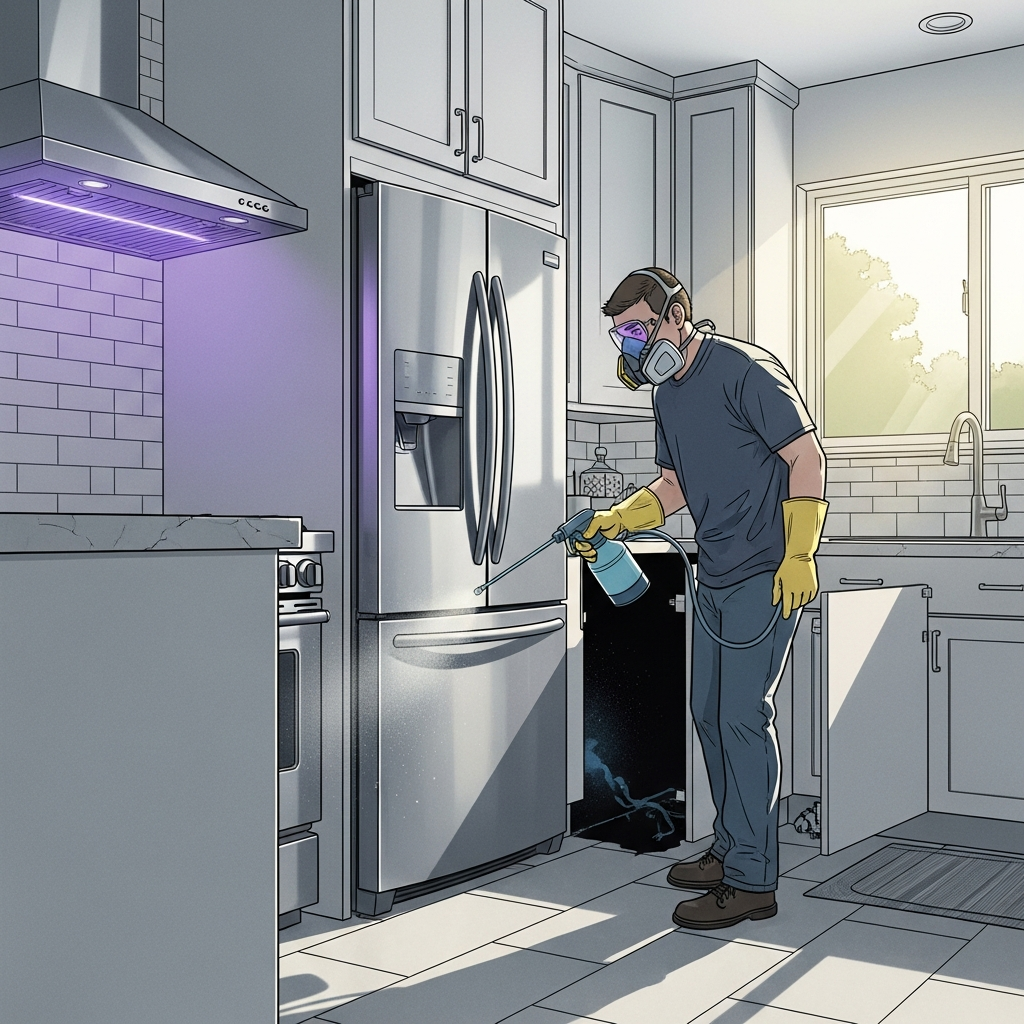
Once an infestation in a Los Angeles home is controlled, the crucial next step is thorough rodent sanitation. Post-infestation cleanup is more than cosmetics; it’s about erasing scent trails, removing allergens, and restoring healthy airflow so new rodents aren’t tempted to settle in. As someone who has worked across LA—from breezy Venice bungalows to tightly packed Koreatown apartments—I’ve learned that the city’s climate, building quirks, and neighborhood habits all influence the way you should approach sanitation. The following tips will help you move from “problem solved” to “problem won’t return.”
Confirm the Infestation is Over Before You Clean
It’s tempting to grab a vacuum the moment you stop hearing scratching at night. But you should first verify that the rodent issue has been resolved. Tape flour cards near suspected entry points for a few days, listen at dawn and dusk, and check fresh bait stations or monitoring blocks for new activity. Cleaning too early can smear evidence, cause unnecessary exposure, or hide signs that help pinpoint remaining entry points.
Once you’re confident activity has ceased, document where you found the heaviest signs—attic corners near roof vents, the perimeter of a water heater closet, or beneath kitchen cabinets. This record keeps you focused during cleanup and helps ensure nothing critical is skipped.
Use Protective Gear and Control Dust
Personal protective equipment isn’t overkill. Wear gloves, a properly rated respirator, and eye protection. Control dust by lightly misting contaminated zones. Sweeping is risky because it stirs particulates; use HEPA vacuums and slow, deliberate movements. Double-bag debris and label it so it won’t be confused with ordinary trash, especially in shared alleys or multifamily bins that are common throughout Los Angeles.
If you’re working in a cramped crawl space, plan for ventilation and temperature. Inland neighborhoods can get hot even in spring. Short, methodical sessions keep you safer and more effective than one long, exhausting push.
Prioritize Source Removal
After infestations, homeowners sometimes focus on surface wipes while missing the heart of the contamination: nesting pockets in insulation, wall voids near plumbing penetrations, and gaps behind appliances. Remove and bag nests first. In attics, isolate and remove heavily soiled insulation. In wall cavities accessed during repairs, vacuum and disinfect before closing. Surface cleaning alone leaves behind the chemical signals that invite rodents back.
Kitchen and pantry areas deserve special attention. Pull the range, check under the refrigerator, and inspect the toe-kick along cabinet bases. These warm, food-adjacent zones tend to harbor droppings and oily rub marks. Meticulous removal here will have an outsized impact on indoor air quality and odor.
Disinfect With Purpose
Effective disinfection is about targeted application and adequate dwell time. Apply disinfectant to travel routes and high-contact zones: along attic joists, around utility penetrations, and at the sill plate in crawl spaces. Allow products to sit as directed before wiping or vacuuming again. Follow up with ventilation. On a dry LA day, opening windows and creating a cross-breeze helps carry residual odors away without introducing excess humidity.
Remember that deodorization is a complementary step. Specialized odor neutralizers break the bond of urine and oil residues to the building substrate. Done after debris removal and disinfection, it prevents scent trails from drawing new rodents months later.
Seal Before You Rebuild
Sanitation only holds if you stop re-entry. Once the area is clean, seal exterior gaps using metal flashing, concrete, or hardware cloth rather than foam alone. In Los Angeles, I often find gaps where stucco meets roofline fascia, or where older plumbing penetrations at foundations leave thumb-size voids. Under-slab condos, hillside homes with decks, and craftsman bungalows all present unique pathways. Meticulous exclusion work after sanitation is your best insurance policy.
Attics, Crawl Spaces, and the Middle of the Process
Attics and crawl spaces require patience. Remove soiled insulation, vacuum with HEPA filtration, and disinfect the framing. Only then should you reinsulate. The “middle” phase—after removal but before rebuild—is the right moment to evaluate odor control and verify that all penetrations are sealed. This is also a good time to bring in help if needed; specialized teams can verify that your rodent sanitation services plan will stand up to Los Angeles conditions, from coastal humidity to inland heat.
Mind Your Trash, Storage, and Landscaping
Even after an infestation is gone, certain habits can undercut your work. Keep trash bins closed, rinse recyclables, and avoid stacking cardboard in garages. Store pet food in sealed containers and bring it indoors at night. Trim foliage and ivy away from foundations, and harvest or remove dropped fruit promptly. In tight urban blocks where bins line alleys, coordinate with neighbors to keep lids shut and pickup areas clean. These practices reduce the outside pressure that otherwise pushes rodents back toward your freshly sanitized interior.
Inside, reduce clutter in under-sink cabinets and utility closets. Rodents love quiet corners with soft materials. Clear, clean spaces promote airflow, speed drying after sanitizing, and make routine inspections easier.
Time Your Work to LA’s Weather
Choose a dry, temperate day for crawl space work and open-window ventilation. Coastal fog can keep materials damp; inland heat can rush drying but make work uncomfortable. Morning starts help if you’re in the Valley, while afternoons after marine layer burn-off are better near the beach. Timing helps disinfectants perform and odors dissipate, giving you a more complete reset.
Document and Monitor
Keep a record of what you removed, what you disinfected, and where you sealed. Photos of sealed penetrations and notes on product dwell times help you or future pros evaluate success. Monitor periodically—listen at night, glance behind appliances every month or two, and check for fresh rub marks. Early detection keeps your investment in sanitation intact.
FAQs
How soon after an infestation can I start cleaning?
Begin once you’re confident there is no ongoing activity. Verify with monitoring or a professional check. Cleaning too early can scatter evidence and expose you to unnecessary risk. Once you’re sure the issue is resolved, proceed in a calm, methodical sequence.
Do I have to remove all attic insulation?
Not always. If contamination is localized and air exchange with living areas is minimal, targeted removal can work. If droppings and urine are widespread or odors linger, full removal and sanitation often make more sense.
What’s the biggest mistake homeowners make post-infestation?
Rushing. People wipe surfaces but leave nests in inaccessible voids, or they reinsulate before disinfectant dries. The result is trapped odors and recurring problems. Patience and sequence are everything.
Is deodorization really necessary?
Yes, if you want durable results. Even after cleaning, residual scent can draw in new rodents. Deodorization neutralizes those signals so your exclusion work is more effective.
Can I handle sanitation myself?
For small, clearly defined areas, yes—if you use proper gear and HEPA filtration. Larger or more complex contamination, especially in attics and crawl spaces, is better handled by trained teams with the right tools and containment practices.
How do I keep rodents from returning?
Combine sanitation with exclusion and habit changes. Seal entry points, remove attractants, keep bins closed, and inspect monthly. This layered approach works best in Los Angeles’s dense urban environment.
Take the next step with confidence
If you’ve cleared the infestation but want lasting results, schedule an expert walkthrough to verify removal, disinfection, deodorization, and sealing. Our team understands LA’s building styles and neighborhood pressures, and we’ll help you finalize a durable plan. Reach out today to arrange an inspection and trusted rodent sanitation for your home.