
Life in L.A. apartments and the hidden importance of sanitation
If you’ve lived in Los Angeles apartments long enough, you’ve learned that comfort depends as much on your neighbors and building systems as it does on your own routines. Shared walls, stacked units, trash chutes, and garage levels create a kind of vertical neighborhood where everything—from cooking aromas to airflow—interacts. In that environment, rodent sanitation is not just a maintenance item after a pest issue; it’s the backbone of building health, resident confidence, and property value in a city where density and diversity define how we live.
Rodents exploit the seams of multifamily life. Roof rats traverse utility lines and land on parapets under cover of night. Mice move along plumbing chases and behind kitchen cabinets. When activity is discovered, the first step is always to stop it through exclusion and control. But the essential second step—sanitation—often determines whether the building resets cleanly or continues to experience intermittent issues.
Shared systems, shared outcomes
Apartment buildings, from 1920s courtyard complexes to sleek high-rises, share mechanical and structural systems that can magnify small problems. A contaminated utility chase can vent odors to multiple floors. A neglected trash room can become a distribution point. Without sanitation, scent trails and residues encourage re-exploration by rodents even after entry points are sealed. Cleaning the spaces you don’t see is what breaks those feedback loops and gives everyone a fresh start.
Good building management treats sanitation as a building-wide process, not a unit-by-unit Band-Aid. This means addressing trash areas, laundry rooms, parking structures, and the roofline, while also supporting residents inside their kitchens and storage nooks. When residents see this comprehensive approach, they participate more willingly—securing dry goods, closing balcony containers, and reporting issues early because they trust the follow-through.
Health, dignity, and the resident experience
Few things undermine the sense of home like hearing something skitter behind a wall or opening a cabinet to find droppings. In a rental environment, residents want to know that their landlord or homeowners association takes these issues seriously and respectfully. Sanitation demonstrates that commitment by removing contamination swiftly and discreetly, using careful containment to protect personal items, and communicating clearly about what to expect.
For residents with asthma or allergies, sanitation is more than reassurance; it can mean fewer symptoms and better sleep. By eliminating dust-borne contaminants and neutralizing odors, the building restores a baseline of comfort that benefits everyone, not just the unit that reported activity.
The Los Angeles context: from beachside to the Valley
Los Angeles, with its microclimates and building styles, offers rodents a tour of opportunities. On the Westside, salty air and coastal humidity can corrode screens and seals faster than expected. In the Valley, hot attics and expansive landscaping create abundant rodent corridors. In older neighborhoods like Koreatown or Westlake, charming courtyards and laundry rooms can become hotspots without regular sanitation. Each of these contexts calls for a tailored approach that looks beyond traps and into how air, scent, and access move through the property.
Water management also matters. After heavy winter rains, basements and parking structures may experience moisture that draws rodents toward dryer interior zones. Sanitation, paired with moisture control and exclusion, keeps those transitional spaces from becoming migration routes.
What apartment-focused sanitation includes
In multifamily buildings, sanitation often begins with the “commons”: trash rooms and chutes, recycling areas, mailrooms, and storage lockers. From there, it extends to utility spaces, rooftops, and the voids above drop ceilings—all the places where contamination and scent accumulate. Technicians use HEPA vacuums, targeted disinfection, and odor neutralization, then coordinate with pest control teams to ensure that exclusion work and sanitation reinforce each other rather than overlap or conflict.
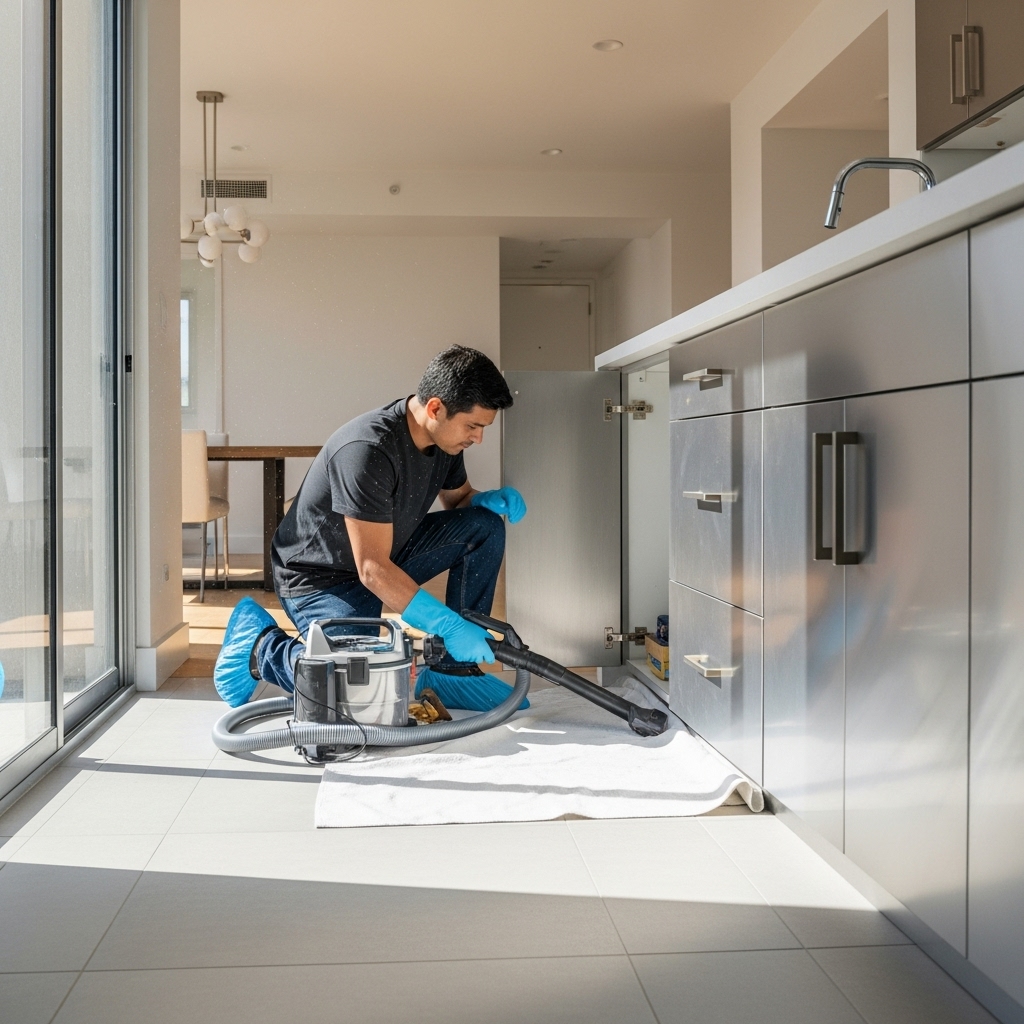
Inside units, the emphasis is on respect and minimal disruption. Cabinets are cleaned and reset, appliance voids are addressed, and affected materials are handled responsibly. Communication is key: residents should know the window of service, how their belongings will be protected, and who to contact with questions. When executed well, unit-level sanitation becomes almost invisible, leaving only a sense of cleanliness and relief.
Legal and reputational stakes for managers and HOAs
While no one wants to talk about liability, managers understand that unresolved contamination can become a point of dispute. Thorough sanitation, documented with photographs and clear service notes, creates a record of responsible action. It signals to residents that management responds decisively and proactively, which in turn reduces escalations. It also helps preserve the building’s reputation—an intangible asset that affects vacancy rates, rental values, and community morale.
For HOAs, sanitation shows homeowners that dues are invested in the health of the property’s infrastructure. It also levels expectations: when owners see consistent, professional work in common areas and shared spaces, they’re more likely to keep their own spaces tidy and sealed, reducing hot spots that can undermine shared efforts.
Odor control where people gather
Trash rooms aren’t the only places that broadcast problems. Fitness rooms, clubhouses, and mail areas can disseminate odors that travel through HVAC systems. Sanitation targets these nodes, removing not only visible residues but the invisible scent markers that can cue rodents to return. Residents often notice the difference in a matter of hours: the air loses its heaviness, and a background scent that many had learned to ignore simply disappears.
Because Los Angeles buildings often include open-air breezeways and courtyards, technicians pay attention to how wind moves through the property. Treatments are timed to minimize disruption and to take advantage of natural airflow for faster odor clearance.
Resident education that respects busy lives
One of the strengths of a good sanitation program is how it supports residents without burdening them. Clear, friendly notices explain the purpose of sanitation, how long it will take, and what (if anything) a resident should do to prepare. Recommendations focus on easy wins: sealing dry goods, elevating balcony storage, and reporting gaps around pipes. By centering the message on health and comfort rather than blame, participation rises and results improve.
This collaborative tone fits L.A. life, where many residents juggle commutes, creative schedules, and multigenerational households. Respect breeds cooperation—and cooperation shortens the path to a fully reset building.
Why sanitation makes exclusion work last
In apartments, exclusion work can be technically excellent and still be undermined by lingering scent trails. That’s because rodents are exploratory and communicate through pheromones and droppings. If a utility chase still smells like a viable pathway, a new rodent can press against newly sealed screens and find a fresh seam. Sanitation deletes the map. When the interior signals vanish, the pressure at those points drops, and exclusion measures remain intact longer, saving the building from repeated service calls and disruption.
This is why building managers schedule sanitation in tandem with structural work, treating the process as a sequence with a beginning, middle, and end. The middle is where targeted rodent sanitation happens, fusing immediate relief with durable prevention.
Seasonal rhythms and L.A. realities
From late-summer heat to winter rain events, Los Angeles has rhythms that influence rodent behavior. After heat waves, attics and rooflines become attractive for cooler night nesting, while winter rains push rodents toward dry interior spaces. Sanitation timed to these shifts catches contamination when it’s freshest and most manageable, preventing buildup and making unit-level issues easier to resolve.
Construction cycles also matter. Renovations, ADU additions, and façade work can stir up activity. Savvy managers plan follow-up sanitation after major projects to ensure that any incidental contamination doesn’t become a long-term problem.
Frequently asked questions
Q: Do residents need to leave during sanitation?
A: Typically, no. With proper containment and scheduling, most work can be done while residents are at home or out for the day. Sensitive individuals may choose to step out briefly during disinfection, and teams will guide them.
Q: How do you handle personal items in units?
A: Technicians use clean coverings, careful staging, and respectful communication. The goal is to leave spaces cleaner than they were found, with minimal disruption and full transparency.
Q: What areas in a building benefit most from sanitation?
A: Trash and recycling rooms, chutes, utility chases, rooftop voids, drop ceilings, and any spaces where odors collect or contamination accumulates. These nodes influence multiple units and deserve priority.
Q: How does sanitation reduce re-infestation?
A: By removing droppings, nesting material, and scent markers, sanitation erases the cues rodents use to navigate and communicate. Combined with exclusion, this significantly lowers pressure on the building.
Q: Can sanitation improve building morale?
A: Absolutely. Clean commons and transparent action reassure residents that management cares, which encourages cooperation and strengthens community standards.
Move your building forward
If your Los Angeles apartment community is ready for a lasting reset, align your team around health, clarity, and follow-through. Pair exclusion with thorough, respectful service and document the improvements so everyone sees the progress. When it’s time to restore clean air, quiet nights, and a sense of ease in shared spaces, schedule professional rodent sanitation and give residents the peace of mind they deserve.