
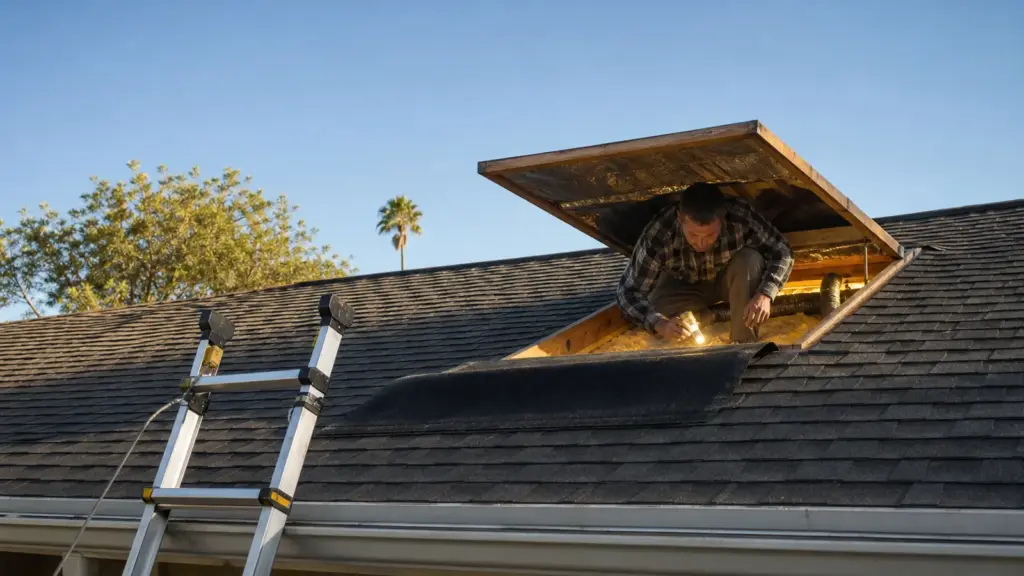
7 Signs You Need New Attic Insulation in Your Los Angeles Home
How do you know when your attic insulation has stopped doing its job? The short answer: your house starts telling you. Los Angeles homeowners often chalk up high energy bills or stuffy upstairs rooms to the summer heat, when the real culprit is insulation that has aged, settled, or been compromised. This guide walks through seven concrete warning signs to watch for, so you can stop guessing and start solving the problem.
1. Your Cooling Bills Keep Climbing Even Though Your Usage Hasn’t Changed
If your electricity bill has crept upward over the past few seasons but your habits haven’t changed, your attic is worth a closer look. Insulation acts as a thermal barrier between the scorching air baking your roof and the conditioned air inside your home. When that barrier thins or degrades, your air conditioner works harder and longer to compensate. Los Angeles summers push attic temperatures well above 130°F on many afternoons, and even a modest loss of insulating capacity forces your HVAC system to run more cycles. The result shows up on your utility statement before it shows up anywhere else. If your bills have been climbing gradually with no other obvious explanation, deteriorating attic insulation is a likely contributor. An inspection can confirm whether the R-value has dropped below what your home needs. For a deeper look at what drives those costs, see what affects the price of attic insulation in LA.
2. Certain Rooms Are Always Hotter or Colder Than the Rest of the House
Walk through your home on a warm afternoon and pay attention to temperature differences between rooms. A bedroom directly below the attic that feels significantly hotter than the living room below it is a classic sign of uneven or inadequate insulation coverage. This happens when insulation has shifted, been disturbed during a previous repair, or was never installed evenly in the first place. In older Los Angeles neighborhoods, it’s common to find attics where insulation was added piecemeal over the decades, leaving thin spots over certain rooms. Uneven coverage means uneven comfort, and no amount of thermostat adjusting will fully fix it. A professional inspection can map where the gaps are and recommend whether a top-up or a full replacement makes more sense for your specific layout.
3. Your Attic Has a Rodent or Pest History
If you want it handled correctly the first time, consider professional attic insulation in Malibu.
Los Angeles homes, particularly in hillside neighborhoods and areas bordering open space, are frequent targets for roof rats, mice, and other pests seeking shelter. Once rodents get into an attic, they nest in the insulation, compress it, and contaminate it with droppings and urine. Contaminated insulation loses its thermal performance and can create air quality concerns for the living space below. If your home has had a rodent intrusion, even one that was addressed years ago, the insulation they damaged almost certainly needs to be removed and replaced. Simply sealing entry points without dealing with the compromised material leaves the problem half-solved. LA Attic Pro handles both rodent proofing and insulation replacement, so you don’t have to coordinate multiple contractors to get the job done right.
4. Your Home Was Built Before the 1980s and the Insulation Has Never Been Replaced
This sign is specific to the Los Angeles housing market, and it matters more here than in many other parts of the country. A large share of LA’s residential stock was built during the postwar boom of the 1950s and 1960s, when insulation standards were far lower than they are today. Many of these homes still have their original fiberglass batts or, in some cases, vermiculite, which requires careful handling. California’s Title 24 energy code has raised the bar significantly for attic insulation R-values over the years, and homes built or last insulated before those standards took effect are almost certainly under-insulated by current benchmarks. If you’ve owned your home for decades and don’t have a record of insulation work, or if you bought an older home without a clear renovation history, the insulation in your attic may be well past its useful life. An assessment from a qualified attic insulation contractor in Los Angeles can tell you exactly where you stand.
5. You Can See Daylight, Moisture Stains, or Compressed Batts in the Attic
A visual inspection of your attic can reveal problems quickly, even if you’re not an insulation expert. Look for insulation batts that appear flattened, matted, or wet. Fiberglass and cellulose both lose their insulating ability when they get wet, and moisture in the attic often points to a roofing issue or inadequate ventilation that needs to be addressed alongside any insulation work. Compressed batts, whether from foot traffic during a previous repair job or from age and gravity, have a lower effective R-value than their original rating suggests. If you can see gaps where insulation has pulled away from the eaves or shifted away from joists, those are areas where heat transfer is happening largely unchecked. Visible daylight through the roof deck is a red flag that goes beyond insulation, but it often accompanies insulation problems in older homes.
Many Malibu homeowners rely on expert attic insulation in Malibu for exactly this.
6. Your HVAC System Runs Almost Constantly During Summer
An air conditioner that cycles on and off normally is doing its job. One that seems to run for hours without reaching the set temperature, or that restarts almost immediately after shutting off, is working against a thermal load it can’t overcome. Poor attic insulation is one of the most common reasons this happens in Los Angeles homes. The attic acts as a heat reservoir during the day, and if that heat radiates freely into your living space, your HVAC system is essentially fighting a constant uphill battle. Over time, this extra strain shortens the lifespan of your equipment and drives up repair costs. Before investing in a new AC unit, it’s worth confirming that the attic insulation is up to the task. In many cases, upgrading the insulation reduces the load enough that existing equipment performs adequately. For a related look at what happens when the attic itself overheats, managing a hot attic in a Los Angeles summer covers the ventilation and insulation factors at play.
7. You Notice Drafts, Dust, or Stale Air Near Ceiling Fixtures and Vents
Drafts near recessed lighting, ceiling fans, or HVAC vents are often a sign that conditioned air is escaping into the attic, or that unconditioned attic air is finding its way into your living space. This air leakage is both an energy efficiency problem and a comfort problem. It’s closely tied to insulation because gaps in insulation coverage often correspond to gaps in the air barrier as well. You might notice dusty rings forming around ceiling fixtures, or a faint musty smell near vents that suggests air is pulling through spaces it shouldn’t. In Los Angeles, where fine particulate matter and seasonal wildfire smoke are real concerns, air infiltration from the attic is worth taking seriously. Proper insulation installation addresses both the thermal and air-sealing aspects of the attic envelope. If you’re curious about what happens after the work is done, what homeowners can expect after attic insulation installation explains the process and the results.
Ready for the next step? Learn how attic insulation services in Malibu can help and reach out to the team.
Frequently Asked Questions
How long does attic insulation typically last in a Los Angeles home?
Most insulation materials perform well for 20 to 30 years under normal conditions, but Los Angeles attics face above-average thermal stress from intense summer heat and can also be affected by pest activity or moisture from occasional rain events. Insulation that has been disturbed, contaminated, or heavily compressed may need attention sooner, regardless of its age.
Can I just add more insulation on top of what’s already there?
In some cases, topping up existing insulation is a cost-effective option, particularly if the current material is clean, dry, and in good condition. However, if the existing insulation has been contaminated by rodents, damaged by moisture, or is an older material that requires removal, a full replacement is the more appropriate approach. A professional inspection will tell you which situation applies to your attic.
Does replacing attic insulation require a permit in Los Angeles?
Permit requirements for insulation work vary depending on the scope of the project and local jurisdiction within the greater Los Angeles area. Requirements can differ between the City of Los Angeles, unincorporated LA County, and surrounding municipalities. Your contractor can advise on what applies to your specific address, and it’s always worth confirming with your local building department before work begins.
Any one of these signs is worth investigating. Several appearing together is a strong signal that your attic insulation has reached the end of its effective life. LA Attic Pro serves homeowners across Los Angeles and the surrounding region, offering inspections, removal, and full insulation replacement. Reach out to schedule an assessment and get a clear picture of what your attic actually needs.