
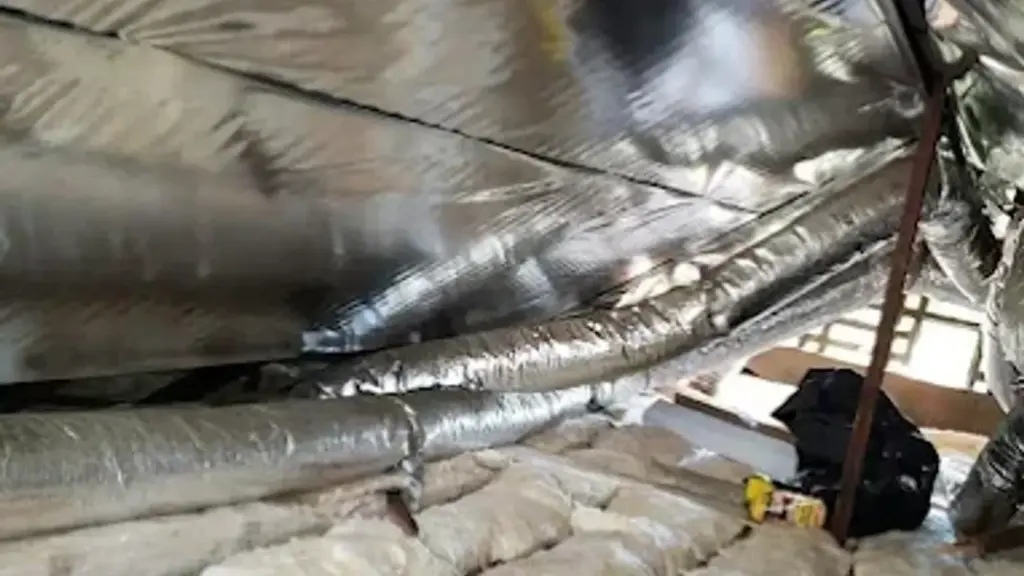
What to Expect After Attic Insulation Installation in Los Angeles
You close the attic hatch, and the house already feels different. Maybe it’s quieter, or the hallway that used to bake in the afternoon isn’t quite as stuffy. If you’re a Los Angeles homeowner who just finished an insulation job, that shift is real, but the first few days can also raise questions. This checklist covers everything from normal post-installation odors to HVAC performance changes, so you know exactly what’s happening and when to call someone.
The First 24-48 Hours: What’s Normal
- Expect a mild, dusty, or slightly earthy smell from new cellulose or fiberglass material settling into place. This typically fades within a day or two with normal ventilation.
- Open windows in rooms adjacent to the attic access point for an hour or two to help air circulate after the crew finishes.
- Notice a thin layer of fine dust near the attic hatch area. Wipe it down with a damp cloth rather than a dry one to avoid redistributing particles.
- Keep children and pets out of the attic access area until any loose-fill material has fully settled and the hatch is secured.
- Check that the attic hatch or pull-down stair cover has been reinstalled and sealed. An unsealed hatch bypasses the insulation entirely and lets conditioned air escape.
- Avoid running the HVAC fan on continuous mode for the first few hours if blown-in material was used, to let any airborne fibers settle before they get pulled toward return vents.
HVAC Performance: What Changes to Watch For
- Check your thermostat within the first full day. Rooms that previously struggled to hold temperature should stabilize more quickly once the attic thermal barrier is restored.
- Listen for your HVAC system cycling less frequently. Fewer on-off cycles is a sign the conditioned air is staying put longer, which is the goal of the job.
- Replace your air filter within a week of installation, especially if blown-in material was used. Fine particles can migrate toward return-air grilles and load a filter faster than usual.
- Inspect supply and return vent covers near the attic for any visible material. Wipe clean if needed, and flag anything unusual to your contractor.
- If your home has an air duct system running through the attic, confirm with the installer that no duct connections were disturbed during the job. A dislodged duct fitting can waste more energy than the insulation saves. (LA Attic Pro also handles air duct repair if any connections need attention.)
- Note the date of installation so you can compare utility bills over the next one to two billing cycles. Performance gains in Los Angeles are most visible during summer cooling season and on warmer winter days when the sun heats the roof deck.
If you want it handled correctly the first time, consider professional attic insulation in Malibu.
Indoor Air Quality After Installation
- Run a HEPA-rated vacuum on floors near the attic access within 24-48 hours to pick up any settled particles before foot traffic grinds them in.
- Change or inspect HVAC filters as noted above. A clogged filter after installation can reduce airflow and offset the comfort gains you just paid for.
- If anyone in the household is particularly sensitive to airborne particles, keep the HVAC system running on a normal cycle with a clean filter rather than opening windows during the first day. This lets the system filter recirculated air continuously.
- Understand that new insulation does not introduce harmful off-gassing under normal residential installation conditions. The mild smell that some homeowners notice is physical material settling, not a chemical reaction.
- If the job included removal of old, contaminated material (rodent droppings, mold-affected insulation), confirm with your contractor that the attic was sanitized before new material went in. Skipping that step can allow odors to persist through the new layer. LA Attic Pro’s process includes rodent sanitation as a separate, documented step before any new insulation is placed.
- Homeowners often notice the air inside feels less dusty within a week or two. This happens partly because a properly sealed attic stops drawing in unconditioned outside air that carries pollen, dust, and particulates common in the greater Los Angeles basin.
Protecting the New Insulation: Homeowner Checklist
- Avoid walking across blown-in insulation in the attic. Foot traffic compresses the material and reduces the R-value in those spots. Use a designated walkboard if attic access is needed for HVAC or other maintenance.
- Mark the location of attic joists on the hatch frame or a nearby surface so anyone who needs attic access in the future knows where to step safely.
- Confirm that recessed light fixtures rated for insulation contact (IC-rated) were identified during the job. Non-IC fixtures need an air gap and cannot be covered. Ask your installer to document which fixtures were addressed.
- Check that attic ventilation (ridge vents, soffit vents) remains unobstructed after installation. Blown-in material should not block soffit vent baffles. Blocked ventilation traps moisture and can shorten the life of the insulation.
- Keep a record of the R-value installed, the material used, and the contractor’s documentation. This information is useful for future energy audits, home sales, and any rebate applications you may pursue through Southern California utility programs.
- Schedule a follow-up inspection if you notice any new moisture stains on ceilings in the weeks after installation. Attic moisture issues are sometimes pre-existing but become more visible once airflow patterns change. Addressing them quickly protects the insulation investment.
Los Angeles-Specific Considerations After Installation
Many Malibu homeowners rely on expert attic insulation in Malibu for exactly this.
- Los Angeles homes span a wide range of building ages, from pre-war bungalows in Highland Park to mid-century ranches in the Valley and newer construction in the Santa Clarita corridor. Older homes often have shallow attic cavities or non-standard framing, so confirm with your installer that coverage was consistent across irregular joist bays.
- The LA basin’s Mediterranean climate means the attic works hard in both directions: blocking radiant heat gain from a sun-baked roof deck in summer and slowing heat loss on cool, clear winter nights. Check comfort in both seasons, not just after the first warm week.
- Wildfire smoke is a recurring air quality event across greater Los Angeles. A properly air-sealed attic reduces the infiltration of smoke particles into living spaces during smoke events, which is a meaningful secondary benefit of a well-installed job.
- Many Los Angeles homes, particularly in hillside neighborhoods, have attic spaces that also house ductwork. If your ducts were not replaced or inspected during this project, consider having them evaluated separately. Leaky ducts in an otherwise well-insulated attic can significantly reduce the efficiency gains. See why LA attics overheat for more on how duct condition interacts with attic temperature.
- California’s Title 24 energy code sets minimum R-value requirements for residential attic insulation. Requirements vary by climate zone, and Los Angeles County spans multiple zones. If your installation was a permitted project, your contractor should have documentation confirming compliance. For non-permitted upgrades, ask your contractor which climate zone your address falls in and whether the installed R-value meets or exceeds that threshold.
- Coastal communities from Malibu to Long Beach experience higher ambient humidity than inland areas. If your attic had any signs of condensation or moisture before the job, confirm that vapor management was addressed. Moisture trapped under new insulation can degrade the material and encourage mold growth over time.
When to Call Your Contractor After the Job
- Contact your installer if the smell inside the home has not improved within 72 hours. Persistent odor may indicate that old contaminated material was not fully removed before new insulation was placed.
- Call if you notice new ceiling stains or visible moisture in the attic within the first few weeks. This is usually a pre-existing condition, but it needs to be addressed before it damages the new material.
- Reach out if your HVAC system seems to be working harder after installation, not less. This is uncommon but can happen if a duct connection was disturbed or if the attic hatch was left unsealed.
- Ask for written confirmation of the R-value achieved if you did not receive a completion document. Reputable contractors document the depth and coverage of blown-in material or the batts installed.
- Flag any areas of the attic floor where coverage looks visibly thin or uneven. Installers can return to add material to low spots, and catching this early is easier than addressing it after items are stored in the attic.
Frequently Asked Questions
Ready for the next step? Learn how attic insulation services in Malibu can help and reach out to the team.
How long does it take to notice a difference in home comfort after attic insulation installation?
Most Los Angeles homeowners notice a change within the first full day, particularly in rooms directly below the attic. The clearest improvements show up during the first sustained hot or cool stretch after installation, when the thermal barrier gets a real workout. Utility bill changes typically appear in the first one to two billing cycles.
Is it safe to use the HVAC system immediately after blown-in insulation is installed?
Yes, but replacing your air filter within the first week is a good precaution. Fine particles from blown-in material can migrate toward return-air grilles during the first hours after installation. A fresh filter catches those particles and keeps airflow at full capacity.
Do I need to do anything to maintain attic insulation over time?
Attic insulation is largely maintenance-free once installed correctly. The main risks are physical compression from foot traffic, moisture intrusion from a roof leak or condensation issue, and pest activity. An occasional visual inspection, particularly after a roof repair or if you suspect rodent activity, helps catch problems before they compromise the material. If you’re unsure whether your current insulation is still performing well, signs your insulation needs replacement offers a practical checklist.
A well-executed attic insulation job in Los Angeles pays dividends through cooler summers, more consistent winter comfort, and reduced strain on your HVAC system. The steps above help you protect that investment from day one. For homeowners still weighing material options or contractor criteria before scheduling, professional attic insulation services in Los Angeles covers the full selection process in detail. Ready to get started or have questions about a recent installation? Contact LA Attic Pro and we’ll walk through it with you.