
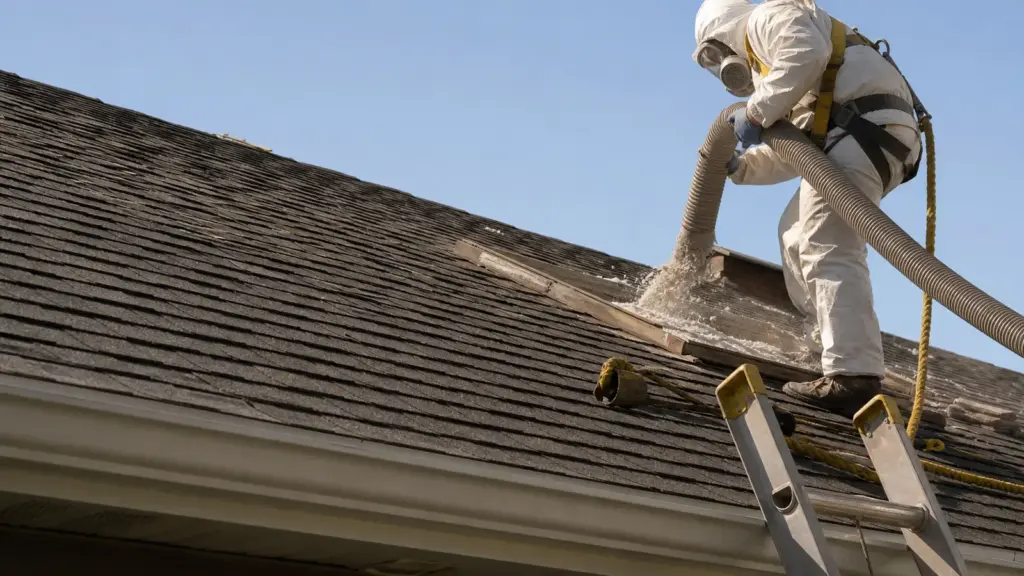
Fiberglass vs Cellulose Attic Insulation: A Step-by-Step Decision Guide for Los Angeles Homes
When attic insulation quietly degrades or was never installed to the right depth, the consequences show up slowly: cooling bills that creep upward each summer, rooms that never quite reach a comfortable temperature, and an HVAC system that runs longer than it should. In Los Angeles, where summer heat can push attic temperatures well past 140°F and mild winters still demand some thermal buffer, the choice between fiberglass and cellulose is more consequential than homeowners often realize. Getting it wrong doesn’t announce itself with a loud failure, it just costs you, month after month, in energy and comfort.
This guide walks you through every step of the decision process, from understanding how each material behaves in the Southern California climate to knowing when to stop researching and call a licensed insulation contractor. If you’re also weighing what signs point to insulation that’s past its prime, the article on when your attic insulation needs replacing is a useful companion read.
Before You Start: What You’ll Need to Know
- Your home’s construction era (pre-1980 homes in LA may have older insulation that needs removal first)
- Current attic access and approximate square footage
- Whether any existing insulation is present and its approximate depth
- Your local climate zone, most of Los Angeles falls in CEC Climate Zone 9 or 10
- Whether you’ve had any rodent activity, moisture intrusion, or duct issues in the attic
- A basic sense of your priorities: upfront material cost, long-term performance, or environmental footprint
You don’t need to be an insulation expert before calling a contractor, but gathering these basics means you’ll ask better questions and evaluate proposals more confidently. For a deeper look at the full installation process and what a qualified contractor should deliver, see the pillar guide on attic insulation installation in Los Angeles.
Step 1: Understand What Each Material Actually Is
Fiberglass batt and blown fiberglass are made from fine strands of glass, typically produced from recycled glass content. Batts come in pre-cut panels sized for standard joist spacing; blown fiberglass is installed with a blowing machine and settles into irregular spaces more easily. Cellulose is made primarily from recycled paper (often post-consumer newsprint) that has been treated with borate compounds for fire and pest resistance. Both materials are blown loose-fill when used in attics, though fiberglass can also be installed as batts between rafters or joists.
Neither material is universally superior. Each has a specific performance profile that maps differently onto Los Angeles conditions, which is why the choice deserves more than a quick price comparison.
Step 2: Compare R-Value Per Inch in Real Conditions
R-value measures thermal resistance, the higher the number, the more the material resists heat transfer. California’s Title 24 energy code sets minimum R-value requirements for attic insulation, and most Los Angeles climate zones call for R-38 or higher in existing homes (new construction standards are stricter). Requirements vary by zone and project type, so confirming the current standard with your contractor or local building department is always the right move.
Blown fiberglass delivers roughly R-2.2 to R-2.7 per inch, depending on density. Cellulose comes in at approximately R-3.2 to R-3.8 per inch. That difference matters practically: to reach R-38, you’d need around 14, 17 inches of blown fiberglass versus roughly 10, 12 inches of cellulose. If your attic has limited headroom or shallow joist bays, cellulose’s higher R-value per inch can make it easier to hit code without running out of space.
One nuance worth understanding: fiberglass R-values are tested under controlled lab conditions. In a hot Los Angeles attic, where temperatures swing dramatically between day and night, some research suggests fiberglass can lose a portion of its rated R-value at high temperatures, a phenomenon sometimes called thermal drift. Cellulose is generally considered more stable across that temperature range. This doesn’t make fiberglass a poor choice, but it’s a factor worth discussing with your insulation contractor when reviewing proposals.
Step 3: Evaluate Fire Resistance for the Southern California Context
Fire resistance is not a minor consideration in Los Angeles. The region’s wildfire exposure, combined with strict local codes in high fire hazard severity zones (HFHSZs), means attic materials need to meet certain standards. Both fiberglass and treated cellulose carry fire resistance ratings, but they achieve them differently.
Fiberglass is inherently non-combustible. The glass fibers themselves won’t burn, which gives fiberglass a natural advantage in fire resistance without relying on chemical treatments. Cellulose, being paper-based, is treated with borate compounds that provide a Class 1 fire rating, meaning it resists ignition and limits flame spread. When properly installed to the correct depth, treated cellulose performs well in fire resistance testing. However, if the borate treatment degrades over many years or the material gets wet and then dries unevenly, its protective properties can be compromised.
For homes in or near designated wildfire zones in the LA area, discussing fire resistance requirements with your contractor before selecting a material is essential. Requirements vary by zone, check with your local building department or a licensed contractor rather than relying on general rules.
Step 4: Consider Moisture Handling in the LA Climate
Los Angeles has a Mediterranean climate: long, dry summers and mild, occasionally wet winters. This creates a specific moisture dynamic in attics that differs from humid climates in the Southeast or cold climates in the Midwest.
If you want it handled correctly the first time, consider professional attic insulation in Malibu.
Fiberglass does not absorb moisture. If water enters the attic through a roof leak or condensation, fiberglass won’t hold it, but it also won’t dry out easily if water becomes trapped underneath or around it. Wet fiberglass loses R-value temporarily and can become a substrate for mold if the moisture source isn’t addressed.
Cellulose can absorb and release moisture more readily, which some installers consider an advantage in managing minor humidity fluctuations. However, if cellulose gets significantly wet, from a roof leak or improper vapor management, it can compact, lose R-value, and take a long time to dry. In a well-maintained LA attic with no active leaks, either material performs reliably. The key is addressing any moisture or ventilation issues before installation, not after.
If your attic has had rodent activity, moisture intrusion, or both, the existing insulation almost certainly needs to be removed before new material goes in. That’s a job for a professional, not a weekend project. The article on signs your attic insulation has failed covers the indicators that removal is necessary.
Step 5: Factor In the Age and Construction of Your LA Home
Los Angeles has an extraordinarily diverse housing stock. Craftsman bungalows from the early 1900s, mid-century ranch homes from the postwar boom, stucco tract houses from the 1960s and 70s, and more recent construction all have different attic configurations, joist spacing, and existing insulation conditions.
In older homes, particularly those built before 1980, attic insulation may be minimal or may include materials that were standard at the time but are no longer used. Vermiculite insulation, for example, was common in some eras and can contain asbestos; if you suspect your home may have it, testing before any disturbance is critical. A licensed contractor should assess what’s already in the attic before recommending a new material.
Homes with shallow attic access or non-standard joist spacing may favor blown cellulose because it conforms to irregular shapes without gaps. Homes with standard 16-inch or 24-inch joist spacing and good access can accommodate either material effectively. Cathedral ceilings and finished attic spaces introduce different constraints entirely and require a separate conversation with your contractor.
Step 6: Weigh the Environmental and Recycled Content Angle
Both materials have a recycled content story, but they differ in degree. Cellulose is typically 80, 85% post-consumer recycled content, making it one of the highest recycled-content building materials available. The production process is also relatively low-energy compared to manufacturing fiberglass.
Fiberglass products vary in recycled glass content by manufacturer, but many products contain 20, 30% or more recycled content. The manufacturing process is more energy-intensive than cellulose production.
For homeowners in Los Angeles who prioritize environmental footprint alongside performance, cellulose has a meaningful edge on recycled content. That said, both materials are broadly considered acceptable choices from a sustainability standpoint, and the bigger environmental gain comes from any well-installed insulation reducing the energy load on your home’s HVAC system over time.
Step 7: Understand Installation Quality, and Why It Matters More Than Material
Here’s the part that often gets glossed over in material comparisons: the difference between a well-installed and a poorly installed job frequently outweighs the difference between fiberglass and cellulose. Gaps, compression, insufficient depth, and uneven coverage all undermine R-value regardless of which material was used.
For blown insulation, proper depth gauges should be installed in the attic before blowing begins so the installer can verify coverage. Batts, if used, must be installed without compression, a batt stuffed into a space smaller than its rated thickness loses R-value proportionally. All can lights, attic hatches, and penetrations should be air-sealed before insulation is added, because air leakage bypasses insulation entirely and is one of the leading causes of attic heat gain in older LA homes.
A thorough contractor will inspect existing conditions, address air sealing, confirm the required R-value for your climate zone, and document the installed depth before and after the job. For a full breakdown of what a professional installation should include, the guide on choosing an attic insulation contractor in Los Angeles covers the vetting process in detail.
Step 8: Get Comparable Proposals
When you request proposals from contractors, ask each one to specify the material, the installed R-value, the estimated depth in inches, and whether air sealing is included. A proposal that lists only a total price without these details makes it impossible to compare apples to apples.
Ask whether the existing insulation needs to be removed first and, if so, why. Removal adds cost and labor, but it’s sometimes necessary, particularly after rodent contamination or moisture damage. A contractor who recommends removal without being able to explain the specific reason is worth questioning. One who recommends blowing over existing insulation without inspecting its condition first is equally worth questioning.
Many Malibu homeowners rely on expert attic insulation in Malibu for exactly this.
Pricing varies based on attic size, material chosen, access difficulty, and whether removal or air sealing is needed. For a sense of what drives cost differences between projects, the article on what affects attic insulation costs in LA breaks down the key variables without attaching specific numbers.
Step 9: Make Your Decision Based on Your Specific Attic
After working through the steps above, most Los Angeles homeowners find the decision narrows based on two or three factors specific to their home. Cellulose tends to be the stronger choice when attic headroom is limited (its higher R-value per inch reaches code depth more easily), when environmental footprint is a priority, or when the attic has irregular framing that benefits from a material that flows into gaps. Fiberglass tends to be the stronger choice when fire resistance without chemical treatment is a priority, when the attic has standard framing and good access, or when a contractor has strong experience with a specific fiberglass product and can document consistent results.
In practice, a well-installed job with either material, properly air-sealed and brought to the correct R-value, will meaningfully improve your home’s thermal performance. The material debate matters less than the installation quality and the depth achieved.
When to Call a Professional in Los Angeles
Some parts of this decision genuinely require a licensed contractor rather than a DIY approach. Call a professional before proceeding if any of the following apply:
- Your attic shows signs of rodent activity, droppings, or nesting material, contaminated insulation requires safe removal and sanitation before new material is installed
- You’ve noticed moisture staining, soft decking, or any indication of past or current roof leaks
- Your home was built before 1978 and you don’t know what insulation materials are currently present
- Your attic has little or no existing insulation and you’re starting from scratch, proper air sealing before installation makes a significant difference and is difficult to do correctly without experience
- Your energy bills have increased noticeably without an obvious cause, which can indicate insulation failure, duct leakage, or both
- You’re in a high fire hazard severity zone and want to confirm which materials meet local code requirements
LA Attic Pro handles the full scope of attic work, from inspection and insulation removal through new installation and air sealing, so you get an accurate picture of what your specific attic needs before any work begins. If you’re ready to move from research to an actual assessment, schedule an attic insulation evaluation and get a clear recommendation based on your home’s actual conditions.
Frequently Asked Questions
Is cellulose or fiberglass better for Los Angeles’s hot summers?
Both can perform well when installed to the correct depth, but cellulose’s higher R-value per inch and temperature stability give it a slight edge in very hot attic conditions. The more important factor is reaching the R-value required for your climate zone and ensuring the attic is properly air-sealed before installation.
Does the material choice affect how long the insulation lasts?
Both fiberglass and cellulose can last for decades in a dry, well-maintained attic. Cellulose can compact slightly over time, which may reduce its R-value incrementally. Fiberglass holds its shape but can shift if disturbed. In either case, significant settling, moisture exposure, or rodent damage shortens the effective lifespan regardless of material.
Can I add new insulation on top of what’s already in my attic?
In many cases, yes, if the existing insulation is dry, undamaged, and free of contamination, blowing additional material on top is a common and effective approach. If the existing insulation is contaminated, wet, or heavily compressed, removal first is the better path. A contractor inspection will tell you which situation applies.
What R-value does Los Angeles require for attic insulation?
Most Los Angeles climate zones fall under California’s Title 24 energy code, which sets minimum R-values for attic insulation in both new construction and alterations. The specific requirement depends on your climate zone and project type. Requirements change periodically, so confirming the current standard with your contractor or the local building department is the reliable way to get an accurate answer for your specific address.
Will either material help with noise from outside?
Both fiberglass and cellulose provide some degree of sound dampening, but neither is a dedicated acoustic product. Cellulose’s denser composition gives it a modest edge for sound absorption. If noise reduction is a primary goal, discuss it with your contractor, as attic insulation alone is unlikely to address significant exterior noise without other measures.
The Bottom Line for Los Angeles Homeowners
The fiberglass vs. cellulose question doesn’t have a single right answer for every home in Los Angeles. It has a right answer for your home, based on your attic’s current condition, your climate zone’s R-value requirements, your priorities around fire resistance and environmental footprint, and the quality of the contractor doing the work. Working through the steps above puts you in a position to evaluate proposals critically and make a decision you’ll feel confident about for years.
Once the new insulation is in place, knowing what changes to expect in your home’s comfort and energy use is equally useful. The guide on what happens after attic insulation is installed covers the adjustment period and what to watch for in the weeks following a new installation.