
The most effective rodent proofing in Los Angeles begins with a meticulous, top-to-bottom inspection. Without a clear map of how rodents move, rest, and feed, any fixes risk missing the mark. Around the city—in craftsman bungalows in Mid City, hillside cottages in Glassell Park, and ranch homes in the Valley—the details vary, but the mission is the same: find every pathway, confirm every clue, and build a plan that closes the loop. Done right, inspection is not a rushed walkthrough; it is a disciplined survey that informs the quality of everything that follows. To understand what a thorough inspection covers, it helps to first appreciate what modern rodent proofing aims to accomplish: durable exclusion, restored hygiene, and a quiet home that stays that way.
Rodents are masters of the small advantage. A quarter-sized gap at a gable, a warped garage sweep, an unsealed cable line—each represents a low-effort win. Inspections, therefore, begin with the exterior envelope. We start at the ground, looking at foundation vents, weep screeds in stucco, hose bib penetrations, and utility ingress points. From there, we move upward to window wells, door thresholds, and transitions where different materials meet. On roofs, we assess tile edges, flashing, dormer vents, and any place a pipe or conduit passes through. The goal is to build a complete inventory of potential breaches, then test that list against interior evidence.
Inside the Home: Evidence Tells the Story
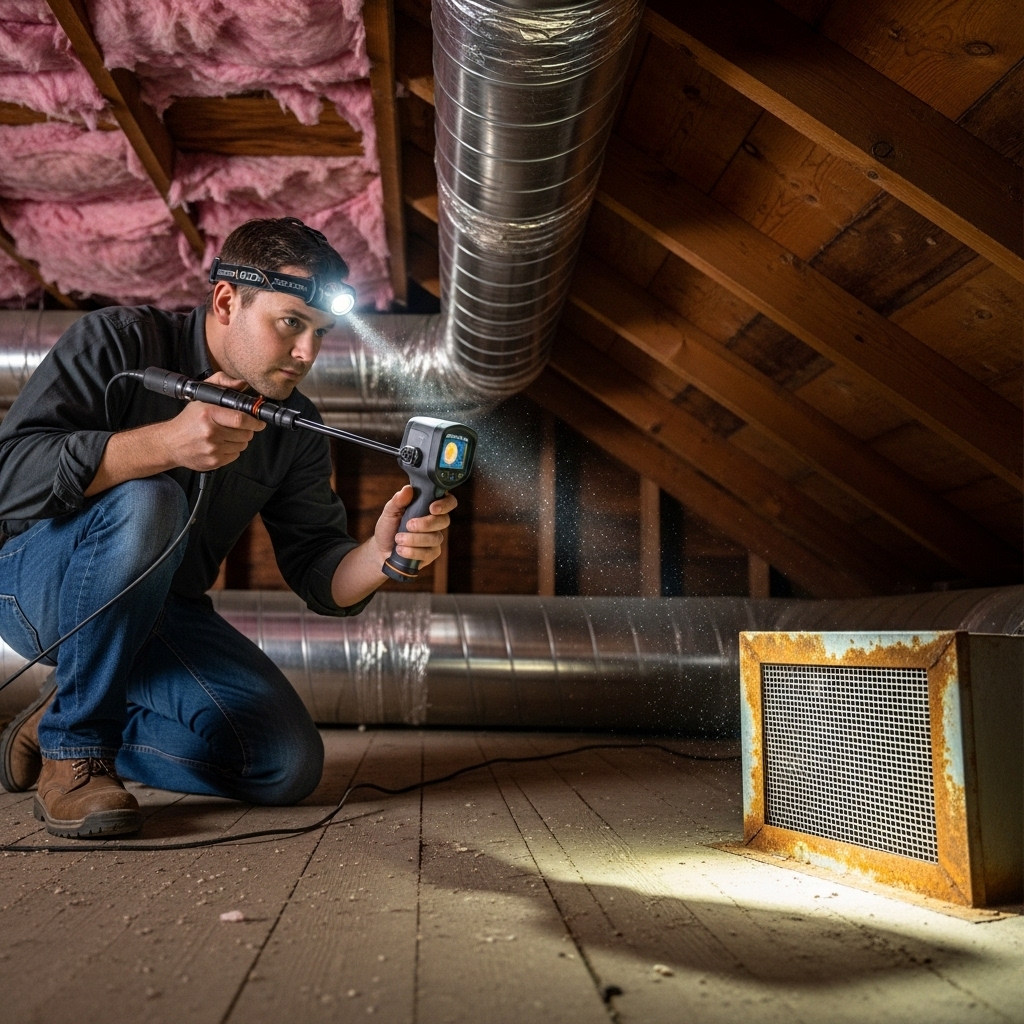
Indoors, the attic and garage are the big indicators. In the attic, we look for runways through insulation, droppings along truss members, and staining around vents or can lights that signal air movement and possible gaps. In garages, we check along walls for rub marks, gnawing on stored materials, and the condition of door sweeps and side door thresholds. Kitchen kick plates, pantry corners, and laundry rooms get attention, too, especially where plumbing and electrical lines penetrate cabinetry and walls. Even if you never see a rodent, these faint clues reveal where they travel and whether they have nested.
In crawlspaces, we inspect vapor barriers, duct lines, and sill plates. The underside of a home often holds the most decisive clues because rodents feel safe there. Chew marks on flexible ducting, small openings where pipes pass through framing, and compromised screens on foundation vents can all add up to an easy commute from outdoors to in. A good inspection documents each issue and organizes them by urgency so you can see exactly what must be addressed first.
Tools and Techniques That Elevate Results
Beyond flashlights and ladders, we rely on mirrors, borescopes, and sometimes thermal devices to confirm what the eye suspects. A borescope can slip into a tight cavity behind a vent or beneath a roof tile without demolition, revealing a gap that would otherwise go unseen. Thermal cues can point to airflow where there should be none, guiding us toward hidden breaches. We also use measuring gauges to verify clearances at door bottoms and determine whether a sweep is doing its job. The point is not to bring gadgets for show, but to apply the right tool at the right moment to confirm the path a rodent would take.
Photography matters, too. Clear, labeled pictures build a shared understanding of your home’s vulnerabilities. When you can see the quarter-sized opening at the plumbing stack or the frayed screen behind a louvered vent, the solution becomes obvious. Photos also set a baseline for future maintenance—you’ll know what was fixed and where to keep an eye as seasons and conditions change.
Documenting a Practical, LA-Specific Plan
After inspection comes a plan that reflects Los Angeles realities. In coastal zones, we recommend stainless where salt air accelerates corrosion. In the Valley, where heat is intense, we avoid plastics that warp and instead rely on metal components that hold shape. In hillside homes, we add special focus to under-deck areas, retaining walls, and stepped foundations, all of which can hide persistent access points. We also account for the property’s landscaping—vines, fruit trees, and stacked materials can create cover that needs strategic thinning or repositioning.
The plan will prioritize sealing and screening, sanitation where needed, and any recommended restoration like insulation replacement. If your home includes an ADU, shared attic voids, or a garage converted to living space, the plan addresses those transitions explicitly. In multi-unit buildings, we identify common areas that require coordinated action to prevent reintroduction from a neighboring unit.
Homeowner Preparation: Getting the Most from Inspection
Before the inspection day, clear easy access to the attic hatch and ensure the garage is reasonably navigable along the walls. If you have pets, let us know so we can keep gates and doors managed. A quick tour with you at the outset helps immensely—point out any noises you’ve heard, times of day when activity seems likely, and any history of previous attempts at sealing. Your observations guide our focus and speed the process. The result is a more precise assessment with fewer return trips.
Expect the inspector to move carefully through your home, taking notes and images. The best inspections are unrushed: they respect your property and resist the temptation to jump straight to assumptions. Instead, they build a chain of evidence that explains not only what rodents have done, but what they are likely to do next if given the chance. That predictive understanding is where true prevention takes shape.
From Findings to Action
Once you have a clear report, sequencing the work becomes straightforward. High-priority exterior gaps and roofline penetrations usually come first, followed by door sweeps and garage sealing. Attic sanitation and insulation restoration happen once exclusion is complete so the space stays clean. If trapping is indicated, it is deployed strategically and temporarily, then removed. The finish line is a sealed, quiet home with a plan for light-touch monitoring going forward.
For many LA homeowners, timing this work around other projects minimizes disruption. If you’re replacing a roof, proofing can be coordinated so that screens and flashing go in alongside the new materials. If you’re adding solar or HVAC, schedule a follow-up inspection after installation. That way, any fresh penetrations are immediately sealed to the same high standard. A short timeline now prevents headaches later.
Common Patterns in Los Angeles Homes
In Spanish tile roofs, we often find repeating gaps along the eave line where tiles arch away from fascia. These require fitted guards and mesh that preserve ventilation while stopping passage. In stucco homes, weep screeds at the base need intact screening to prevent under-siding access. On mid-century homes with gable vents, original screens can be flimsy or corroded, calling for upgrades. We also see unsealed penetrations where cable or data lines were added quickly; these make reliable entry points until closed with the right materials. Each pattern is solvable once identified.
Garages are a special case. The bottom seal is a moving part; it wears and shifts with weather. Even a small wave in the seal can leave a triangular gap at a corner. If the garage houses a second fridge or pet food, the incentive for rodents to linger increases. Part of inspection is advising on simple reorganizations that reduce attractants while we address the structural defenses.
Why Inspection Quality Determines Outcome
A rushed or cursory inspection misses the micro-openings and doesn’t fully trace movement. That tends to lead to quick fixes, which produce quick returns. By contrast, a patient inspection that documents each vulnerability makes the exclusion phase almost routine. The work becomes a checklist rather than a guessing game. In Los Angeles, where building types change from block to block, that disciplined approach is the difference between a short reprieve and durable results.
If you’re considering next steps, begin by seeing what a comprehensive rodent proofing inspection includes in detail. Ask about roofline access, crawlspace assessment, photo documentation, and how findings translate into material choices. The answers will tell you whether the service is tuned to LA’s realities or just following a generic template.
FAQ: Rodent Proofing Inspections
Q: How long does a thorough inspection take?
A: Most single-family homes require a few hours, depending on size and access complexity. Multifamily buildings or homes with extensive rooflines can take longer. Quality matters more than speed; the time invested upfront pays off in smoother, more effective exclusion.
Q: Do inspectors need roof access?
A: Yes, when it’s safe and feasible. Many critical entry points are at the roofline—around tiles, vents, and penetrations. If roof access is limited, inspectors will use ladders to reach eaves and visual tools to assess higher elements.
Q: Will the inspection disrupt my day?
A: Minimal disruption is the goal. Inspectors coordinate with you to access key areas, keep spaces tidy, and provide clear updates. Pets and children can usually remain at home with brief adjustments for access.
Q: What happens if active rodents are found?
A: The plan typically starts with sealing exterior entry points, then addressing sanitation and targeted trapping if indicated. The priority is to end entry and break habitation cycles before cleanup and restoration so results last.
Q: How soon after inspection does work begin?
A: Often within days, depending on scope and scheduling. For homes with urgent vulnerabilities, high-priority sealing can be accelerated to close obvious gaps immediately.
Q: How do I prepare for inspection day?
A: Clear a path to the attic hatch, tidy along garage walls, and note any times you’ve heard or seen activity. Share details with the inspector—your observations help target the search and save time.
When you’re ready for a calm, methodical assessment of your Los Angeles home, invite local specialists who see what others miss and who document every step. Start the process by learning how professional rodent proofing inspections translate into lasting comfort, cleaner air, and a home that stays quiet through every season.