
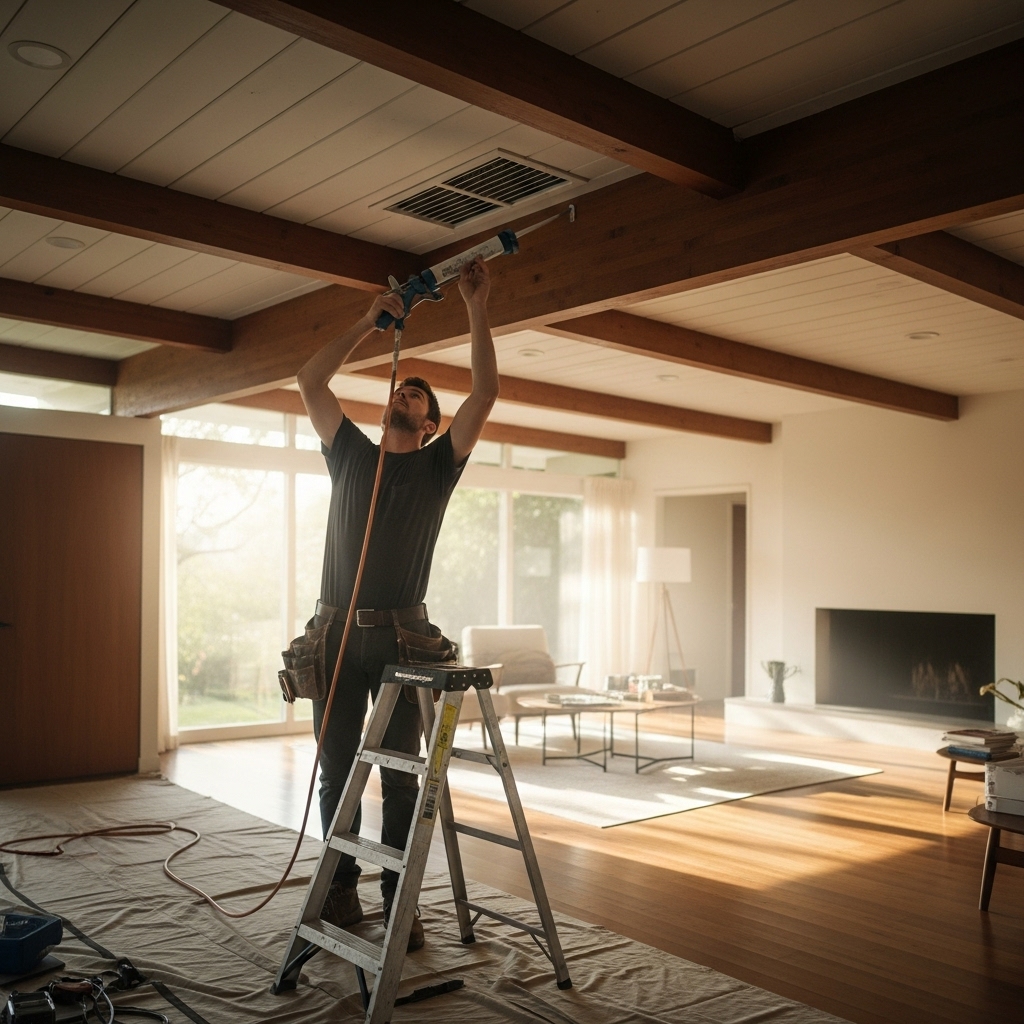
Homeowners in Los Angeles often start the HVAC air duct replacement conversation with a single word: cost. That’s understandable, but dwelling on a citywide average misses the point. In a place where a 1920s Spanish is next to a 1970s ranch and down the block from a brand-new ADU, the real measure is value—how well a new duct system fits your architecture, supports your lifestyle, and delivers quiet, even comfort year-round. As someone who has crawled through attics from Mar Vista to Sherman Oaks, I’ve learned that the homes that feel best are the ones where the duct design mirrors the way families actually live. If you’re mapping out your project, begin with the basics of air duct replacement design, then translate those basics into the realities of your home.
Most Los Angeles homes depend on attic or crawlspace ductwork, though some newer builds tuck runs into conditioned chases. The design starts with understanding the equipment’s airflow needs and the rooms’ demand across the day. West-facing bedrooms may want a touch more air late afternoon; quiet home offices ask for smooth airflow that doesn’t hum during video calls; nurseries need gentle, stable temperatures. When a contractor listens to these details, the design naturally expands beyond a straight swap of ducts and becomes a tailored solution that supports the life happening in your rooms.
How home type influences the scope
Single-story ranch homes often have long supply runs that call for careful support and, in some cases, short rigid sections for sound control. Split-level and hillside properties introduce elevation changes and tight crawls where flex must be expertly stretched and supported to avoid sagging. Spanish and Craftsman homes may have small attic hatches and layered additions that complicate routes. None of these are deal-breakers; they simply mean your project should be built around access and performance rather than a template taken from another neighborhood.
Return air is the silent partner in this conversation. Many homes inherit undersized or poorly placed returns that raise noise and reduce comfort. Addressing the return during replacement—sometimes by enlarging a grille, cleaning up the path, or adding a second return—can transform how the home feels. If a plan glosses over return strategy, it’s a hint to ask deeper questions before moving forward.
Materials and methods that matter for value
Materials are often where homeowners try to economize, but what lasts is thoughtful, well-executed work. Flex duct is a powerful tool when installed with stretched cores, gentle bends, and proper supports. Rigid sections shine on straight runs that benefit from low turbulence and a bit of sound dampening. Every connection deserves mechanical fastening and a thorough seal with mastic so air stays inside the system and dust stays out. Quality hangers and straps maintain slope and prevent sagging, which preserves airflow and keeps sound low over time.
Insulation around the duct also plays a quiet starring role, especially in LA’s intense roof heat. Even in coastal neighborhoods, a hot afternoon can nudge attic temperatures sharply upward. A well-insulated duct system tempers those swings, protecting comfort and reducing the workload on your air handler. Combine that with tight sealing and you get a system that simply feels calmer and more predictable through the day and across seasons.
Permits, inspections, and code compliance
It might not be glamorous, but permits and inspections are part of protecting value. They anchor your project in safety and energy standards and provide a record that future buyers appreciate. In Los Angeles, inspectors are used to seeing a mix of old and new construction; they focus on solid support, sealed joints, and insulation integrity. A contractor who navigates this process smoothly saves you time and ensures the installation holds up to outside scrutiny as well as your own expectations.
From an owner’s perspective, this also means your project receives a layer of quality control. If an inspector suggests an adjustment—say, additional support in a span or a cleaner seal at a transition—a good team makes the change promptly, leaving you with a better system than you might otherwise have received.
Design for daily living, not just test results
Numbers from a test are helpful, but daily living is the true test. That’s why a thoughtful layout considers where you sit, how you sleep, what time the family room fills with late sun, and which rooms remain chilly on winter mornings. It’s one thing to claim balanced airflow; it’s another to walk room by room after installation, feel the difference, and tune the system so quiet and even comfort is tangible. A contractor who commits to this level of commissioning gives you value beyond any headline figure.
Think of this as placing registers where they perform and disappear. In a dining room, the right boot and register style can soften sound while washing a window wall to offset solar gain. In a bedroom, a slight shift in location can lift air over the bed rather than onto it, creating the kind of comfort you don’t notice because it simply feels right. Those refinements are where you live every day.
What a homeowner-focused process looks like
It starts with questions: Where do you feel warm or cool spots? What rooms do you use most? How do sounds from the current system affect your routine? Next comes a careful survey—photos, measurements, assessment of attic or crawl conditions, and a look at the return path. The plan you receive should spell out not just what is being replaced, but why: which runs will be resized, where rigid sections make sense, how balancing will be achieved, and how the return strategy supports quiet and even airflow.
On installation day, an organized crew moves carefully through your home, protecting floors, staging materials, and removing old ductwork without making a mess. New sections are cut to length, runs are labeled, and connections are sealed methodically. The team aligns registers, supports every run to prevent future sag, and checks transitions for smooth flow. Then they test, tune, and listen. That final step—commissioning—is what brings the design to life in your rooms.
When the “cost” conversation becomes a “value” conversation
Instead of comparing your home to an imagined average, weigh the value of a complete scope and a proven process. Ask about permits and inspections, post-installation tuning, and the plan for addressing returns. Request photos and documentation so you have a clear record. These factors shape how your system performs in July heat, during the first Santa Ana of fall, or on a brisk January morning.
Also consider the longevity of the install. Tight sealing, correct support, and careful routing prevent noise and performance drift as materials age. Choices made today—like using rigid sections where they cut noise, or adding a return where it unlocks airflow—continue to pay off in the feel of your home for years to come. That’s the true value hidden inside the word “cost.”
Special considerations for LA homes
Hillside homes often require crawlspace work where stability and safety are paramount. Valley homes need layouts that respect late-day heat. Coastal homes benefit from attention to metal components and long-term corrosion resistance. Across all of them, we see varied attic access and a blend of old framing with new additions. Your plan should be tailored to these realities. An installer who has seen your type of home a hundred times brings quiet confidence and solutions that feel effortless once installed.
Families also evolve. If you’ve added a home office or converted a garage, your duct system should adapt to those changes. Replacement is your chance to align airflow with new uses, keeping every room in step with your routine. Sharing your lifestyle with the designer—work-from-home hours, sleep schedules, entertaining habits—pays off in a layout that anticipates the demands of your days.
Frequently asked questions
Will a new duct system make a noticeable difference in comfort?
Absolutely. You’ll often feel quieter operation and more even temperatures right away. Thoughtful design and proper balancing smooth out room-to-room differences, particularly in spaces with afternoon sun or early morning cool.
How long does installation usually take for a typical LA home?
The timeline depends on access, complexity, and whether returns are being modified. Many single-family projects are completed within a short, focused window, with teams coordinating to keep your home tidy and your routine intact.
Is permitting necessary for duct replacement in Los Angeles?
Permits are commonly part of the process and serve your interests. They ensure the work meets safety and energy standards and provide a record for future buyers or appraisers. Reputable contractors manage permitting and inspections on your behalf.
Do I need to upgrade returns during replacement?
Often, yes. Returns are frequently undersized or poorly placed in existing homes. Improving the return lowers noise and helps the system deliver even comfort. Your contractor should evaluate and explain return options as part of the plan.
What maintenance keeps my new ducts performing well?
Keep returns clear, change filters as recommended, and take a quick look into the attic now and then to ensure storage hasn’t pinched a run. Listen for new sounds and call early for fine-tuning; small adjustments protect performance over the long haul.
Can ductwork changes help a home office or nursery?
Yes. Adjusting supply placement and balancing for specific room uses can create quieter, steadier comfort exactly where you need it. Discuss these priorities during design so they’re built into the plan from the start.
If you want a plan that respects your architecture, your routine, and the realities of our climate, partner with a local team that treats design and commissioning as seriously as installation. When you’re ready to translate the idea of “cost” into the daily value of quiet, even comfort, choose expert air duct replacement tailored to Los Angeles homes.