
When neighbors around Los Angeles ask what to expect from rodent proofing, they often mean more than a number. They want a clear picture of scope, timing, and what the work actually looks and feels like in a real home. In our city, that means thinking about microclimates, building ages, and how utility lines thread through houses that have evolved over decades. Early in the conversation, I emphasize that the best value comes from a plan rooted in exclusion first: sealing the structure thoroughly, cleaning up attractants, and confirming that activity remains outside. Effective rodent proofing is a process, not a product, and understanding that process is the key to planning confidently and avoiding surprises.
Los Angeles properties vary widely. A 1920s bungalow with original vents and clay roof tiles calls for a different approach than a mid-century ranch with a spacious attic or a modern tri-level with extensive glass and steel. Each home’s layout, materials, and retrofits determine how straightforward or intricate the work will be. The city’s seasonal rhythms also matter. Marine layers, Santa Ana winds, and winter rains all influence which entry points become most active and when. What you should expect is a tailored strategy that respects your home’s architecture and leverages materials that hold up to our climate without introducing visual clutter or maintenance headaches.
What the Initial Assessment Covers
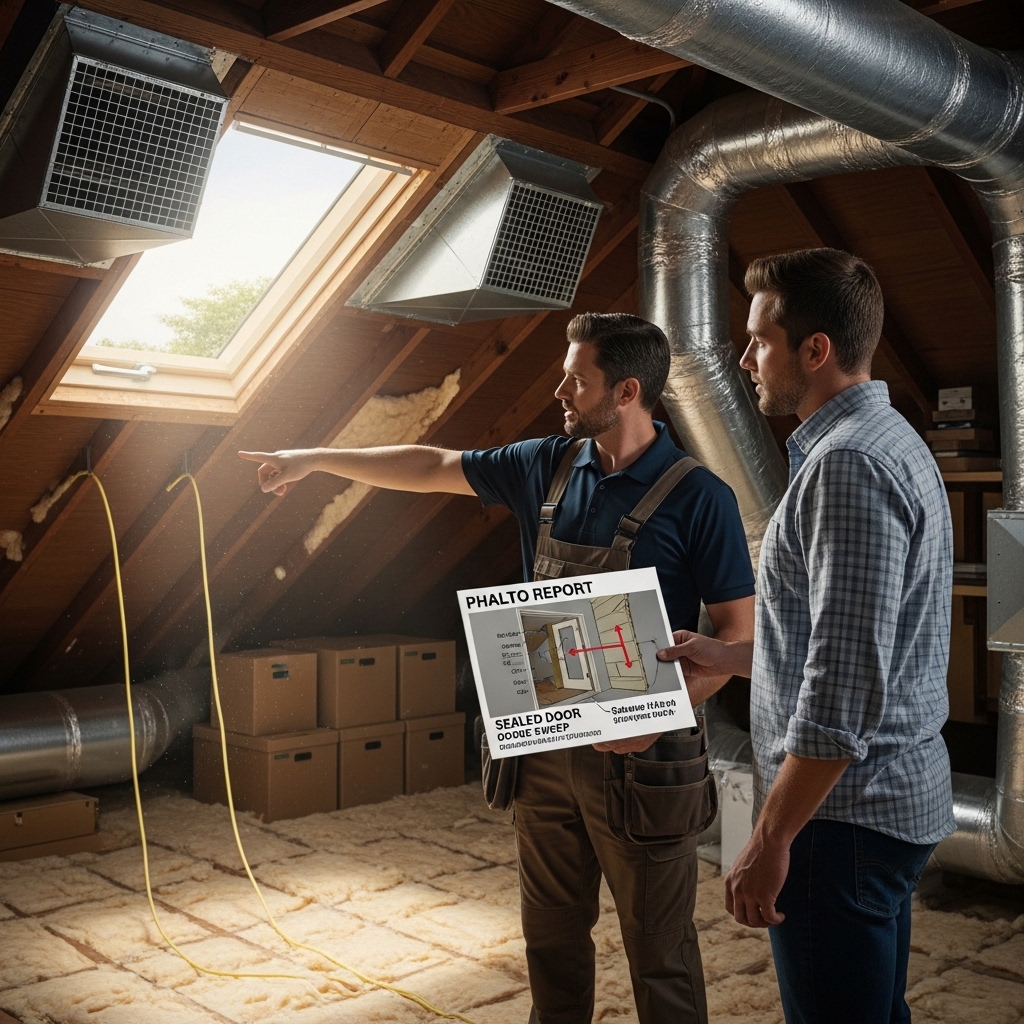
A thorough assessment begins with a perimeter walk that documents current entry points and vulnerabilities. Technicians look carefully at vents, roof transitions, utility penetrations, door thresholds, and the subtle lines around foundations that shift over time. Inside, the attic or crawl space tells the rest of the story: trails in insulation, grease marks on rafters, and the presence or absence of nesting materials. The goal is to connect dots, mapping how rodents are moving and where exclusion will be most impactful. This is also the moment for clear communication: you should hear a step-by-step plan that prioritizes sealing before any trapping, with photographs or notes that make the plan easy to visualize.
Expect the assessment to include questions about your routines and the property’s history. Have you noticed scratching at night near a particular wall? Did a recent remodel introduce new utility lines or a roof penetration? Do fruit trees drop unmanaged produce along the fence line? These details help teams anticipate pressure points and design durable solutions. A strong plan addresses both immediate fixes and long-term resilience, ensuring that small shifts in weather or landscaping don’t reopen the door to recurring intrusions.
Elements That Shape the Work Plan
Scope is dictated by entry points and the routes that connect them. Common repairs include sealing foundation gaps, reinforcing or screening attic vents, installing door sweeps, and closing utility penetrations with durable materials that resist gnawing. On hillside homes, we often consider retaining walls, beneath-deck voids, and the interface between steps and soil—areas that create concealed travel lanes. For coastal properties, material selection is a priority; corrosion-resistant mesh and fasteners better withstand salt air, providing longevity without constant maintenance.
Inside the structure, the sequencing of tasks matters. Sealing comes first to prevent new arrivals, followed by trapping to address any animals that remain inside. Cleanup and targeted sanitation help remove pheromone trails and food debris that would otherwise invite return visits. The plan should also include a monitoring step—either a scheduled check or a simple set of homeowner observations—to verify that the structure stays quiet after work is completed. This rhythm—exclude, confirm, maintain—keeps expectations realistic and results consistent.
Timelines and Access Considerations
In most Los Angeles homes, work unfolds over a series of visits. The first visit thoroughly documents conditions and begins sealing priority points. Follow-up visits complete sealing, set or check traps as appropriate, and confirm that activity is moving to the exterior. Access logistics can influence how smoothly things go. Clear attic hatches, unobstructed garage walls, and reachable crawl space entries help technicians complete work efficiently. When homeowners are prepared, technicians can spend their time sealing and verifying rather than moving obstacles or rescheduling visits.
Seasonal timing can also shape the schedule. Heat drives activity into shaded attic spaces; rain pushes rodents to seek dry shelter. Planning around these pressures—especially if you’ve noticed a pattern near particular weather events—can shorten the path to a quiet home. Good communication ensures that appointments align with times when technicians can access sensitive areas and when you can observe the changes those appointments produce.
Materials and Craftsmanship to Expect
Strong, clean installation is central to lasting outcomes. Expect galvanized or stainless steel mesh of appropriate gauge for vents and gaps, metal flashing where wood-to-stucco transitions have opened, and high-quality, flexible sealants at hairline joints that move with temperature swings. Door sweeps and threshold adjustments should create a confident seal without binding. The best work looks like it belongs; screens sit flush, fasteners are neat and secure, and any painted elements match surrounding trim. A tidy result not only deters rodents but also preserves curb appeal and makes future maintenance straightforward.
Inside, you can expect careful placement of traps when needed, always in protected housings and away from the reach of pets and children. Technicians should explain where devices are located and why those locations matter. The follow-up routine will be clear: what’s checked when, what signs indicate success, and what changes will be made if activity patterns shift after the initial sealing.
How Home Size and Complexity Influence Planning
Larger or more complex homes naturally involve more points to inspect and secure. Multiple rooflines, extensive eaves, long runs of decorative vents, and interlocking additions create layered entry paths. Homes with finished attics or extensive built-in storage may require extra time to access edges and chase spaces. None of this is a problem; it simply underscores the value of a plan that blends methodical inspection with thoughtful sequencing so that each visit builds toward a fully sealed envelope.
Neighborhood context plays a role, too. A property abutting an alley or open channel might experience steady exterior pressure even after the structure is sealed. In such cases, the plan often includes a longer initial monitoring phase and coaching around sanitation practices that are realistic for your property. The objective is stability: a structure that resists intrusion, paired with surroundings that don’t constantly send new visitors to test the same spots.
What “Good Communication” Really Means
Transparency during each phase gives you confidence. After the initial walkthrough, you should receive a clear explanation of what was found, what will be sealed first, and how follow-up will verify results. During the work, technicians share photos or point out changes in real time, explaining why a particular vent received a screen or how a utility line was sealed without compromising serviceability. At the end, you know exactly what was done and what to watch for over the next few weeks. This open, collaborative approach reduces stress and makes the process predictable.
Documentation is part of that clarity. A simple report with images and notes becomes a roadmap for future maintenance or for any other contractors who might work on your home later. With a record in hand, a new roofer or HVAC installer can preserve the integrity of the sealed envelope rather than accidentally reopening a path during their own project.
Expectations After the Work
Once exclusion is complete and any interior activity has been addressed, a quiet period begins. At this stage, you monitor for silence: no scratching at night, no fresh droppings, no new rub marks near typical entry points. It’s a satisfying phase because the home feels truly yours again. If activity resurfaces due to unexpected changes—heavy storms, nearby construction, or a newly compromised vent—the established relationship with your team allows for quick adjustments. The work is a partnership that continues at a light touch rather than a cycle of emergencies.
If there’s one point to remember, it’s that successful outcomes are built on exclusion and verification, not on temporary deterrents. Scent repellents and noise devices may play small supporting roles, but only structural sealing produces the long-term calm that Los Angeles homeowners want. That’s why, when planning and setting expectations, prioritize teams that lead with exclusion and offer a clear path to validation that your interior is truly at peace.
Mid-Project Questions Homeowners Often Ask
People commonly ask whether work can proceed while they’re juggling daily life. The answer is usually yes. Professionals schedule visits at times that minimize disruption and work neatly, protecting living spaces and leaving each area tidy. They also explain when you might briefly relocate pets or avoid a particular room while sealant cures. These practical details are part of setting expectations and help the process feel smooth rather than chaotic.
Another frequent question is whether additional entry points will appear after initial sealing. Buildings move, and weather reveals weaknesses, so follow-up is built into the plan. The goal is to make the envelope strong enough that new attempts fail or become obvious quickly, allowing for targeted touch-ups that are easy and fast. Through this rhythm of thoughtful exclusion and smart monitoring, you can depend on rodent proofing to remain effective over time without constant intervention.
FAQ
Q: What happens during the first visit? A: The team conducts a detailed inspection, documents vulnerabilities with notes or photos, and explains a phased plan. Priority sealing may begin right away, with any needed traps set afterward to address interior activity safely and efficiently.
Q: Will I need to leave my home during the process? A: Typically, no. Work is scheduled and performed to minimize disruption. Brief limitations on access to certain areas may be requested while materials cure, but your daily routine should remain largely intact.
Q: Is proofing safe for children and pets? A: Yes. Exclusion is a structural approach that relies on sealing and screening. If trapping is needed, devices are placed in protected stations and located out of reach, with clear instructions on how to avoid them during the brief active period.
Q: How do I measure success? A: Silence inside the home, no fresh droppings, no new rub marks, and clean observation points all indicate success. Your provider should schedule a follow-up to verify these outcomes and address any lingering questions.
Q: What if my neighborhood applies constant pressure? A: The plan will account for that reality with durable materials, a longer verification period, and practical exterior sanitation coaching. The result is a stable home that remains calm even when surroundings are active.
Q: Can future renovations affect the work? A: Yes. Keep your documentation and share it with other contractors. Simple coordination prevents new penetrations from reopening pathways and preserves the integrity of your sealed envelope.
When you’re ready to invest in a calmer, healthier home, partner with a team that leads with exclusion, documents its work, and follows through with verification. Start by scheduling expert rodent proofing, and enjoy the confidence that comes with a home tailored to Los Angeles conditions and protected for the long term.