
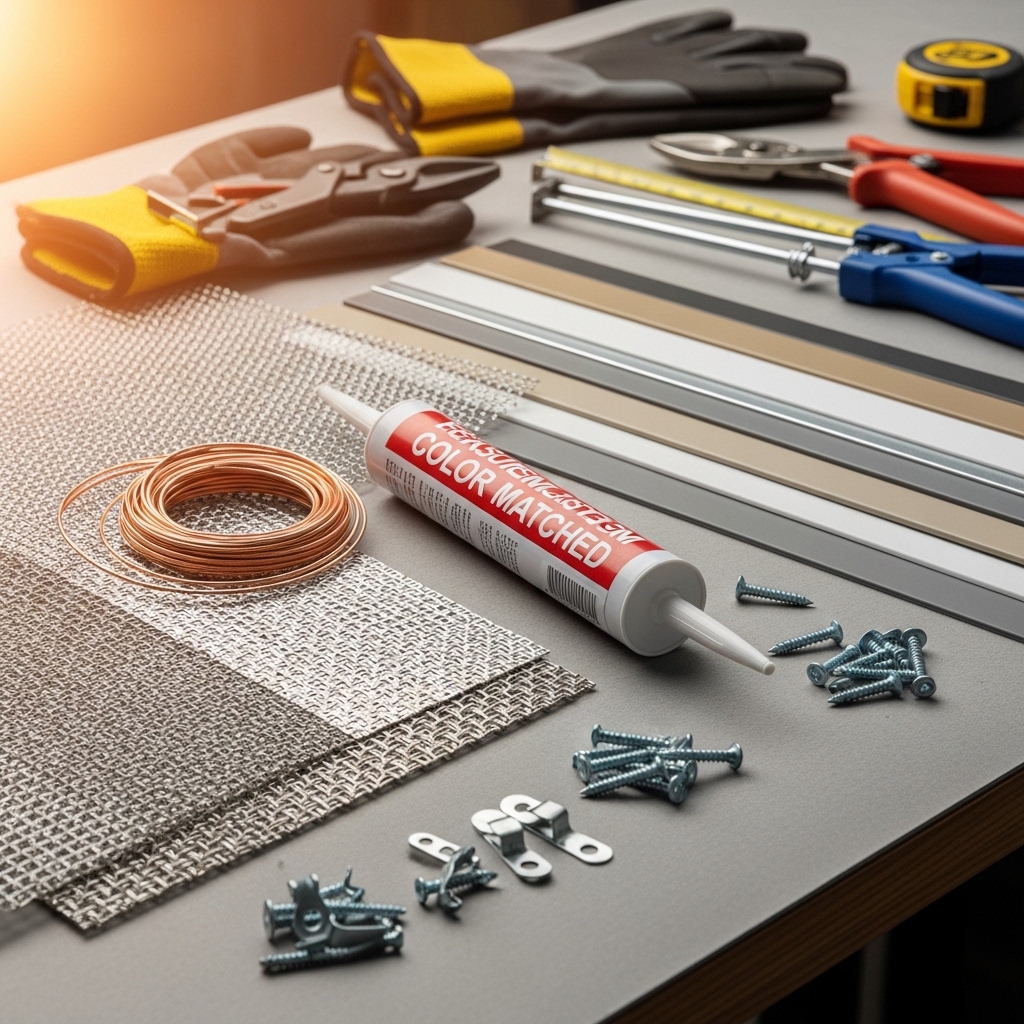
Choosing materials for rodent proofing in Los Angeles is as much about our climate and architecture as it is about the animals we’re keeping out. The city’s salty coastal air, hot inland summers, and patchwork of historic and modern construction demand components that are tough, compatible with existing finishes, and easy to maintain. Over the years, a handful of materials have proven themselves for exclusion work that lasts through Santa Ana winds, winter rains, and the minor seismic shifts that flex our buildings. When homeowners ask where to start, I point them to durable, well-fitted solutions supported by a thoughtful plan for installation. That combination turns products into protection—and it’s the foundation for reliable rodent proofing in our region.
Before diving into specific materials, it helps to frame the goal: create a tight envelope without hindering ventilation, drainage, or service access. That means choosing meshes that let air move but stop teeth, sealants that flex rather than crack, and metals that resist corrosion without standing out against stucco, wood, or brick. In older Los Angeles homes, there’s also an aesthetic consideration. Good materials can be installed in ways that disappear into the architecture, preserving the home’s character while quietly doing their job year after year.
Galvanized and Stainless Steel Mesh
Mesh is the workhorse of exclusion. For most applications, a galvanized hardware cloth with a small aperture and appropriate gauge provides a sturdy barrier against gnawing while allowing airflow for attics and crawl spaces. In coastal neighborhoods where salt air accelerates corrosion, stainless steel mesh offers enhanced longevity. The key is stability: mesh should be framed or fastened so it doesn’t flex when touched, because movement invites persistent gnawing. Installed correctly, mesh sits flush behind vent grilles or under trim transitions, almost invisible from the curb.
On gable and foundation vents, mesh operates as a secondary guard that backs up the decorative face. This way, the exterior remains attractive while the actual defense happens at the plane rodents would otherwise penetrate. Ridge vents and soffit intakes benefit from purpose-built guards that incorporate mesh in forms that fit their profiles. The combination of tailored products and sturdy installation creates a system that breathes and protects simultaneously.
Copper and Stainless Steel Fillers
For small, irregular openings around utilities and trim, copper mesh and stainless steel wool alternatives provide form-fitting fills that resist chewing. Unlike ordinary steel wool, which can rust and degrade, corrosion-resistant fillers maintain their mass and friction, staying in place behind a bead of sealant or within a protected cavity. They’re ideal for the annular spaces where pipes and cables pass through walls or where two materials meet in a way that can’t be neatly flashed.
These fillers shine in Los Angeles’s layered retrofits—places where cable lines were added in the 1990s, plumbing rerouted in the 2000s, and HVAC lines expanded more recently. Each change often left behind crescent-shaped voids that are too odd for rigid flashing alone. Combined with a high-quality sealant, these fillers create a resilient composite that moves with the wall, maintaining a bite-proof plug without trapping moisture.
Flexible, High-Performance Sealants
Sealant is the finishing touch that transforms a tight fit into a long-term closure. The best options adhere to stucco, wood, brick, and metal, and they remain flexible through temperature swings. In Los Angeles, materials that handle UV exposure gracefully are essential. Sealant should be used to close hairline cracks and to lock mesh edges and fillers in place, not as a standalone solution for large gaps. When too much sealant is asked to span a wide opening, it can shrink or pull away; when used properly, it becomes a durable gasket that complements mechanical barriers.
Color-matched sealants help the work disappear into the home’s finish, and careful tooling creates clean lines that are easy to inspect later. The right product choice yields a result that is both robust and visually quiet, which homeowners appreciate when they crave protection without the look of constant repair.
Flashing and Sheet Metal
Where different materials meet—stucco to wood, roof to wall, foundation to siding—flashing bridges the joint and directs water properly while blocking entry. Galvanized or painted aluminum flashing is common, with stainless options for harsh coastal exposures. In exclusion work, flashing is used not only for moisture control but also to deny rodents the ability to widen thin gaps. Properly installed, it is fastened securely and sealed at edges, then painted to blend with trim or siding. It works hand in glove with mesh, each reinforcing the other to create a smooth, sealed transition.
Sheet metal also shines at rooflines where decorative elements invite small gaps. A discreet strip beneath the lip of a tile or along a fascia edge can close a recurring pathway without changing the home’s profile. This kind of intervention rewards careful craftsmanship and local experience, especially on older Los Angeles homes with layered repairs and nuanced details.
Door Sweeps and Threshold Components
The daylight you can see under a door is the same daylight a rodent treats as an open invitation. Quality door sweeps—with robust inserts and rigid carriers—turn that brightness into a firm seal. Threshold adjustments, replacement of worn weatherstripping, and trueing a slightly off-square frame complete the system. The benefit shows up instantly: drafts calm, outdoor dust diminishes, and nighttime visitors lose one of their favorite routes.
Garage doors deserve special attention. A proper bottom seal and side brush, combined with track alignment, converts a weak spot into a fortress. Because many Los Angeles homes use the garage as a primary entrance, a smooth, tight operation adds daily comfort as well as protection. Materials should be chosen for UV stability and the ability to hold shape despite heat and constant use.
Vent and Chimney Guards
Purpose-built vent and chimney guards integrate mesh into frames that match common vent profiles and cap designs. They protect without impeding the airflow required for roof and appliance safety. In rodent proofing, guards reinforce vulnerable points: gable vents that host decorative patterns, ridge vents with open ends, and chimneys where minor gaps exist beneath caps. Durable fasteners and clean fits are essential so that guards don’t rattle loose or create noise in high winds.
On homes with multiple rooflines and complex valleys, guards provide a structured way to standardize protection across the system. When each vent and opening is treated consistently, inspection becomes easier and effectiveness increases. It’s a practical step in a city where roofs experience sun, wind, and the occasional deluge, all of which test how well materials hold their place.
Fasteners and Anchoring Systems
Great materials fail with poor fasteners. Screws and anchors must suit both the substrate and the environment. In stucco over wood, for example, selecting the right length and head profile prevents spalling and ensures a snug hold. In masonry, appropriate anchors ensure that guards and flashing stay put. For coastal areas, corrosion-resistant fasteners keep connections strong even as salt air tries to intrude. The right hardware turns mesh and flashing into an integrated, vibration-proof installation that doesn’t loosen as temperatures swing.
Attention to anchors also makes maintenance smoother. When guards are installed with serviceability in mind, roofers and HVAC technicians can remove and replace components cleanly for routine work without damaging the exclusion system. That foresight protects the investment and extends the life of the entire envelope.
Insulation and Cleanup Materials
After exclusion, targeted cleanup and insulation refresh restore the attic or crawl space to a healthy baseline. A HEPA-rated vacuum system and appropriate protective measures ensure droppings and debris are removed safely. Where insulation has been heavily compressed or soiled, replacement helps the home hold temperature and reduces energy waste. While not a barrier material in the classic sense, clean, intact insulation supports the overall goal by eliminating scent trails and giving you a clear surface against which new activity would be obvious.
Cleanup is also the moment to spot incidental damage—chewed wiring or gnawed plastic—that can be repaired before it causes bigger problems. Materials selected for these repairs should prioritize fire safety, code compliance, and long-term reliability. In Los Angeles, where attic spaces can get exceptionally hot, that means insulation and wiring protection designed for high temperatures.
Putting Materials Together in a Los Angeles-Smart Way
Materials don’t work in isolation; they work as a system. Mesh behind vent grilles pairs with flashing at dissimilar-material joints. Copper or stainless filler supports sealant at odd penetrations. Door sweeps complement threshold adjustments. Each choice should anticipate sun, moisture, salt air where applicable, and the building’s subtle movements. The system must also be kind to the home’s look—nothing that reads as a patchwork or calls attention to itself. That’s where local craftsmanship makes the difference, turning a shopping list into a durable envelope.
Halfway through many projects, homeowners ask which single material matters most. The answer is none of them alone. It’s the right material in the right place, installed neatly, that transforms outcomes. In practice, success looks like a quiet attic, a clean garage, and a house that rides out a windy night without a rattle or a scratch. That’s what high-quality materials, thoughtfully combined, deliver in Los Angeles homes.
FAQ
Q: Why not use ordinary steel wool for gaps? A: It rusts, degrades, and can stain surrounding materials. Copper mesh or stainless alternatives resist corrosion and, when paired with a proper sealant, create a longer-lasting, bite-resistant fill that stays put.
Q: Will added screens reduce airflow? A: Not when installed properly. The mesh aperture is chosen to maintain ventilation while denying rodent entry, and purpose-built vent or ridge guards are designed to preserve required airflow.
Q: How do I choose between galvanized and stainless mesh? A: Consider exposure. In coastal areas where salt accelerates corrosion, stainless can offer longer service life. Inland, high-quality galvanized mesh performs well when installed securely and protected at edges with sealant and trim.
Q: Are door sweeps really necessary? A: Yes. The gap beneath doors is one of the most common entry points. Quality sweeps, combined with well-set thresholds and weatherstripping, close an everyday opening that rodents exploit relentlessly.
Q: Do materials need special maintenance? A: Periodic checks after wind or heavy rain are wise. Look for movement at screens, gaps that re-open at joints, or wear at door bottoms. Small touch-ups keep the system strong without major effort.
Q: How do materials affect the appearance of my home? A: When installed with care, they disappear into the architecture. Painted flashing, flush-mounted screens, and color-matched sealants protect discreetly so the home looks clean and original rather than patched.
If you’re ready to outfit your property with a materials package that stands up to Los Angeles weather and the realities of daily life, partner with a team that pairs craft with durability. Begin with expert rodent proofing and enjoy the calm that comes from a home sealed with the right materials in the right places.