
In Los Angeles, the practical question behind every rodent cleanup is what scope of work it will take to do the job right. With our city’s eclectic buildings, layered histories, and climate quirks, the answer depends on more than square footage. Whether you live in a Craftsman near Highland Park, a mid-rise near Downtown, or a ranch home in the Valley, the specific conditions on site dictate the time, materials, and coordination required for a complete, safe sanitation. While people often begin with budgets in mind, the better conversation starts with the factors that shape the effort—from access challenges and contamination levels to restoration goals—so you can plan confidently without surprises.
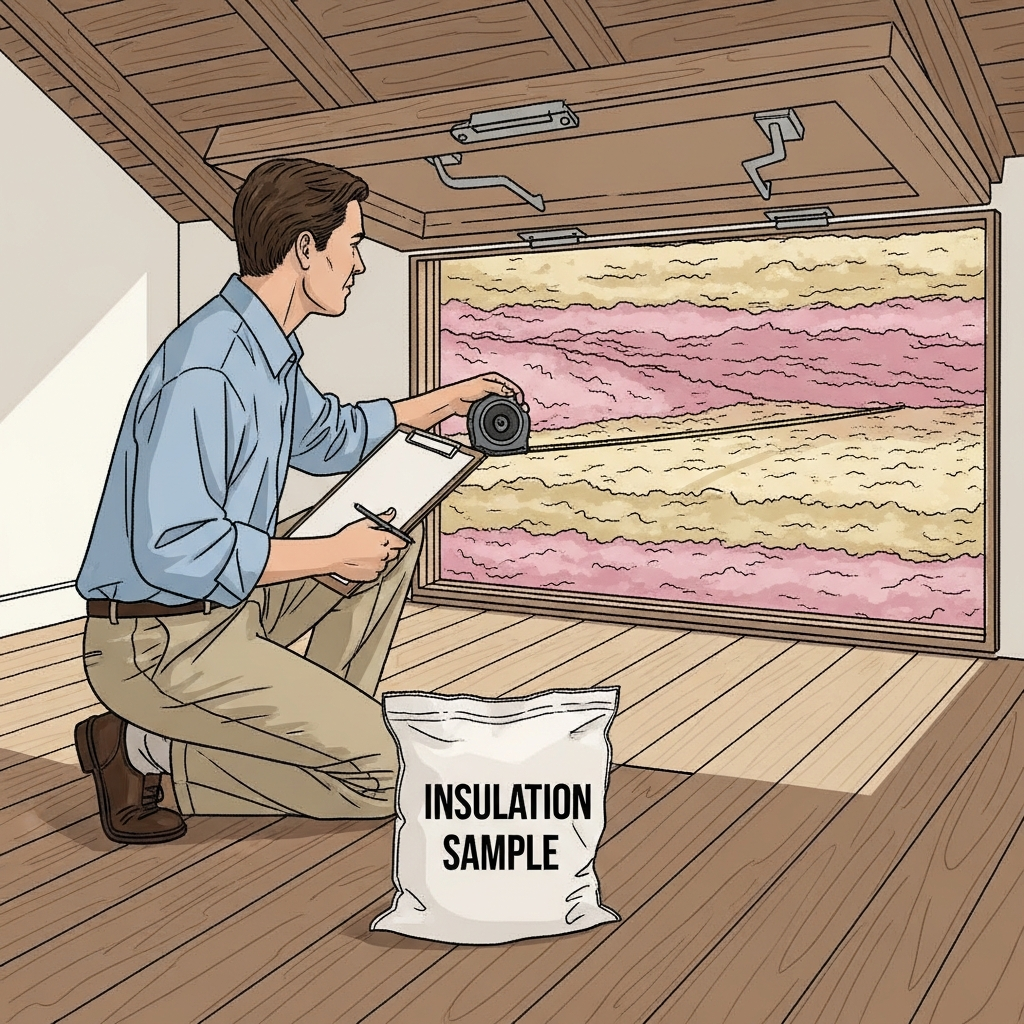
Before any detailed plan comes together, a careful inspection establishes the map. That walkthrough examines where rodents were active, how waste spread, and which construction features could concentrate odors or send particulates into living spaces. It’s common to evaluate attics, crawl spaces, chaseways, garages, and mechanical rooms; each can hold clues that influence how a project unfolds. Early on, it’s helpful to understand the role that comprehensive rodent sanitation plays in protecting air quality and ensuring that exclusion and monitoring work at full strength afterward.
Property type and layout
The makeup of your building is a primary driver of effort. A single-story home with a roomy, well-lit attic is fundamentally different from a hillside property with a low, tight crawl space. Multi-unit buildings—think fourplexes in Mid-City, courtyard apartments in West Hollywood, or dense stacks near Koreatown—add shared systems, party walls, and access logistics. In commercial environments, receiving bays, suspended ceilings, and rooftop equipment complicate pathways and may require night work to avoid disrupting operations. Each of these factors informs how crews stage equipment, how debris is contained and removed, and how long the work will take.
Extent and nature of contamination
Not all droppings and residues behave alike. Fresh activity concentrated in one corner of an attic presents a targeted cleanup, while season-over-season contamination woven through loose-fill insulation calls for broad removal and surface treatments. Urine staining, nesting materials, and trails along framing members can indicate traffic patterns that must be addressed throughout, not just where signs are heaviest. In garages and storage areas, clutter can shield contamination and require methodical handling to avoid cross-contamination. The more thoroughly we understand where and how waste settled, the more precisely we can plan an efficient and complete sanitation.
Access, safety, and logistics
In LA, logistics are part of the craft. Narrow side yards, tight canyon roads, limited parking, street-sweeping windows, and multi-flight walkups all shape the day’s choreography. Crews must protect finished interiors during transit, manage dust with HEPA filtration, and sometimes create negative-pressure zones to contain fine particulates. Safety considerations—stable platforms in attics, adequate lighting, protective equipment, and electrical awareness—are non-negotiable. Each of these elements adds planning and execution steps that ensure thorough results without collateral impact on the property.
Materials removal and restoration
When contamination affects insulation, planned removal and follow-up are key. Extracting soiled materials without dispersing debris takes specialized vacuums, bagging, and sealing. Once surfaces are cleaned and disinfected, odor control and, in many cases, re-insulation follow. Choosing insulation that suits the home’s ventilation strategy—proper soffit baffles, balanced coverage around can lights with approved barriers, and respect for fire breaks—goes beyond cleanliness. It restores comfort and efficiency, preventing hot rooms in summer and cold drafts in winter. Restoration also includes sealing accessible penetrations after treatment, a detail that supports future pest management and helps indoor air quality.
Operational constraints and scheduling
Life doesn’t stop for sanitation. Families may need quiet hours for remote work or nap times; businesses coordinate around customers, production cycles, and deliveries. After-hours or phased work can keep things moving smoothly. Weather also plays a role: extreme heat on a Valley rooftop or damp mornings near the coast can influence pacing and ventilation strategies. Factoring in those realities at the start helps deliver a clean result with minimal friction.
Health sensitivities and special environments
Some homes and workplaces include higher-sensitivity occupants—infants, older adults, individuals with asthma or specific allergies. In those cases, planning may incorporate extended ventilation, additional filtration changes, or sequencing that lets rooms rest between phases of work. In specialized commercial settings—healthcare-adjacent offices, food-adjacent spaces, or recording studios—documentation and protocols might be part of the day’s routine, aligning with internal policies while keeping outcomes consistent and predictable.
Documentation and communication
A well-run project is documented from the first photos of contamination to the final images of restored spaces. That transparency matters for owners, property managers, and in some instances insurance carriers. It also sets expectations around areas that require owner decision-making, such as handling of stored items, textile cleaning, or elective upgrades during re-insulation. Clear communication prevents misunderstandings, keeps everyone aligned on the sequence, and ensures aftercare steps are simple to follow.
Why a complete sanitation is worth the coordination
It’s tempting to treat sanitation like a quick clean-up after exclusion, but the work is more technical than it appears. Done well, it removes the residues that can provoke odors, allergies, and renewed pest interest. It also puts your home or business back in a state where airflow is predictable and clean, where the HVAC system isn’t recirculating particulates from hidden reservoirs, and where you can trust that what you can’t see has been handled as carefully as what you can. That peace of mind is the true return on a well-planned sanitation effort.
No two properties in Los Angeles are the same, and that’s what makes this work both challenging and rewarding. A vintage duplex in Pico-Union might require meticulous handwork around lath-and-plaster ceilings; a new build in Playa Vista could demand strict coordination with smart-home systems; a studio space in Burbank may need after-hours shifts to keep productions on schedule. Each scenario changes the day’s playbook but not the principles: contain, remove, disinfect, neutralize, restore.
Mid-project, owners sometimes wonder whether it’s okay to pause after removal and skip re-insulation until later. Technically, you can stage the work in phases, but finishing the encapsulation and restoration in a continuous sequence usually yields the cleanest outcome. Surfaces treated and sealed promptly are less likely to reabsorb ambient odors, and new insulation installed soon after stabilizes temperatures and reduces energy waste. This is where professional rodent sanitation stands apart—one coordinated plan that sees the property through to a true reset.
Aftercare habits that protect your investment
Every successful sanitation should end with a handful of simple, sustainable habits. Keep bins closed and positioned away from direct entries, address vegetation that bridges to roofs or eaves, and schedule periodic roof-and-vent checks, especially after high winds. Inside, maintain good housekeeping under sinks and in utility closets, and replace HVAC filters on a sensible schedule. If you live in a multi-unit building, advocate for common-area tidiness and consistent maintenance in trash rooms. These ordinary choices add up to fewer surprises and fewer calls for urgent intervention.
Choosing a team that understands Los Angeles
It’s not just the techniques; it’s fluency with the city. From parking realities in dense neighborhoods to the intricacies of hillside access, a local team plans for LA-specific variables. We know when marine layers will slow drying, how summer heat changes attic workflows, and which older roof assemblies need gentler handling. We collaborate with property managers, HOA boards, and small-business owners to stage work that respects tenants, customers, and neighbors. The result is a project that feels organized and predictable, from the first inspection to the last walkthrough.
Frequently Asked Questions
What determines how long sanitation will take?
Duration depends on access, the extent of contamination, building layout, and any restoration tasks such as re-insulation. Straightforward attics with clear access may be completed in a day, while complex or multi-area projects take longer to achieve the same quality standard.
Can I remain at home or keep my business open during sanitation?
Often yes, with planning. We sequence work, use protective measures to contain dust and odors, and coordinate quiet windows. For sensitive environments, short-term room closures may be advisable to ensure comfort and safety.
Do I need to replace all of my insulation?
Only the materials affected by contamination must be removed. In some cases, that means partial extraction; in others, widespread removal followed by a fresh, balanced install. An inspection pinpoints what’s necessary and what isn’t.
Will sanitation eliminate odors completely?
Proper source removal, disinfection, and targeted odor neutralization typically resolve odors. In structures with porous, heavily stained wood, an encapsulating step may be added for long-term odor control.
How should I prepare for the crew’s arrival?
Clear access to attics, crawl hatches, and mechanical rooms helps. Move vehicles to free up driveway space if possible, secure pets, and identify any schedule constraints. We’ll handle surface protection and staging from there.
If you’re weighing next steps and want a clear, locally grounded plan for a sanitary reset, connect with a team that will assess your property honestly and coordinate the work around your life or business. Reach out today to discuss a tailored approach and schedule your professional service—start by arranging trusted rodent sanitation with a local expert.