
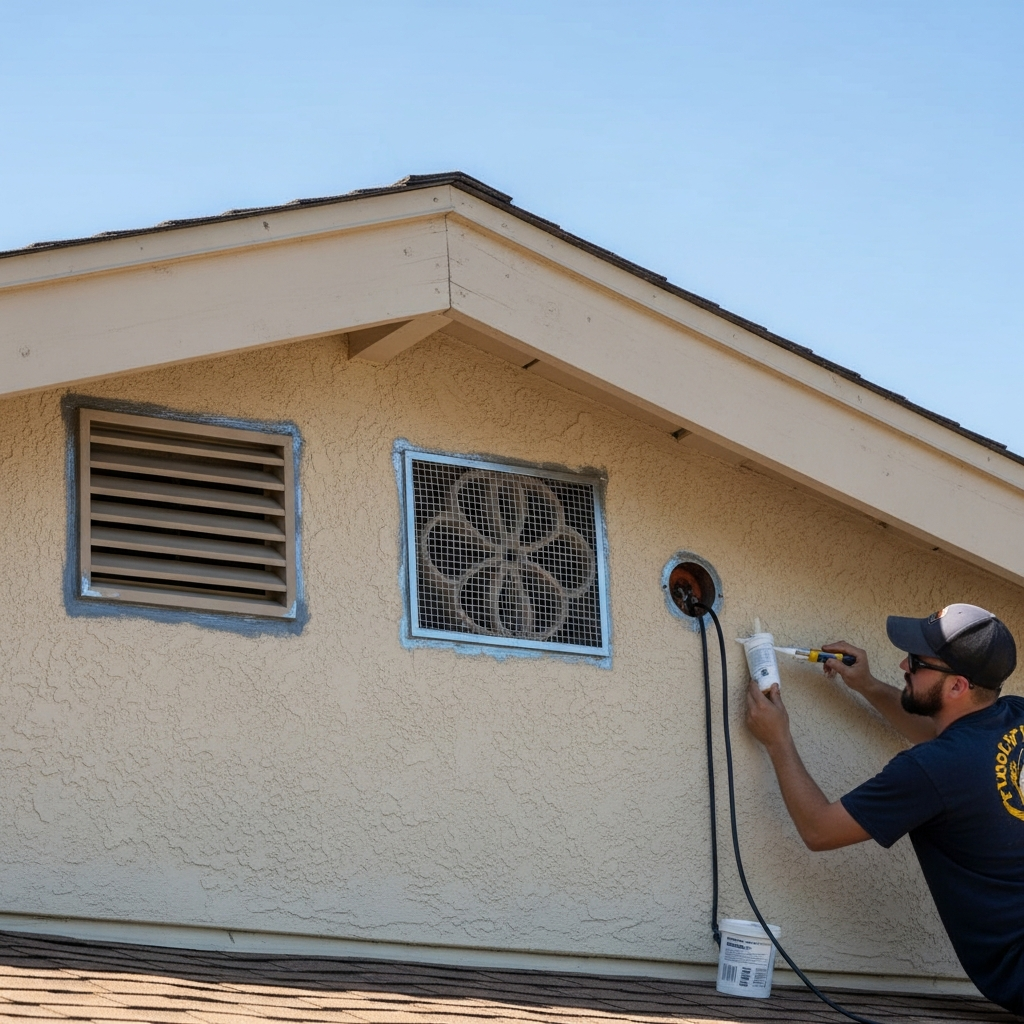
In Los Angeles, homes stretch from beach bungalows in Venice to hillside cottages in Echo Park, and from shaded San Gabriel blocks to the sunbaked flats of the Valley. No matter the neighborhood, one truth holds: this city’s climate and density invite rodents to test a home’s defenses year-round. That’s why, whenever neighbors ask what home upgrade has the biggest return in comfort, cleanliness, and peace of mind, I steer the conversation straight to rodent proofing. It’s not just a nice-to-have; here in LA, it’s essential.
Our Mediterranean weather is the first reason. Warm, dry months allow rodents to breed continuously, and even in winter cold snaps, they can find shelter in attics, wall cavities, and crawl spaces that hold steady temperatures. Add to that the smorgasbord our urban landscape provides—citrus trees dropping fruit, compost bins, dense ivy on fences, and backyard chicken coops—and you have a perfect recipe for persistent exploration. Homes that look tight from the front can hide surprising vulnerabilities: a quarter-inch gap under a garage side door, a torn gable vent screen, a utility penetration where the sealant has cracked under years of sun. Rodent proofing, at its core, is the disciplined practice of identifying and closing those gaps before behavior becomes entrenched.
Public health and family well-being
The essential case begins with health. Rodents carry allergens and pathogens in their droppings, urine, and nesting materials. In a city where open-window living is part of the culture, contaminants can drift into living spaces unless they’re removed and the pathways are sealed. Parents of young children and people with respiratory sensitivities often notice a clear improvement once an infestation is addressed. A home that smells neutral again, a pantry that stays clean, a return to quiet nights—these are not luxuries; they’re foundational to daily life.
Protecting the building envelope
Los Angeles building science has matured over the past decade, with more homeowners investing in tight envelopes, efficient insulation, and balanced ventilation. Rodent proofing supports those gains by protecting insulation from compression, contamination, and tunneling. It also reduces friction on HVAC systems that are already working hard during heat waves. When ducts are chewed or pulled loose in an attic, conditioned air spills where you don’t need it. Sealing entry points keeps the mechanical systems you’ve invested in performing as intended.
Neighborhood realities: density and diversity
LA is a tapestry of housing: ADUs tucked behind bungalows, small-lot developments, classic fourplexes, and single-family homes on deep lots. This mix creates countless junctions—fences, shared driveways, utility alleys—where rodents travel. Essential exclusion means looking beyond your property line and understanding your block’s patterns. If a neighbor’s overgrown ivy drapes over your garage roof, for instance, it becomes a ramp. Part of why rodent proofing is essential here is that it respects the social nature of our housing. When one home dials in its defenses, it nudges the block in a healthier direction.
Seasonal surges and microclimates
We talk a lot about microclimates in LA because they change everything from wardrobe choices to landscaping. They also influence how rodents behave. In coastal zones, salt air and steady humidity stress exterior materials, making screens and sealants fail sooner. In valley neighborhoods, long hot spells encourage rodents to seek cooler attic spaces. In the foothills, Santa Ana winds can push debris into vents and widen small separations at eaves. Essential rodent proofing adapts to each reality, specifying corrosion-resistant materials along the water, UV-stable sealants where sun is relentless, and reinforced mesh where wind accelerates through canyons.
Preserving renovations and ADUs
ADU culture has transformed LA backyards. Conversions breathe life into old garages and create rental income or space for family members. But those structures often begin life with vulnerabilities: slab gaps at the perimeter, vent screens punched out years ago, and oversized penetrations where utilities were hastily added. Rodent proofing is essential because it secures these investments for the long term. It ensures that the new kitchenette stays pristine, that the attic above a vaulted ceiling remains clean, and that you don’t inherit an ongoing nuisance with your new living space.
Safety: wiring, ducts, and fire concerns
Any electrician who has opened a j-box in an older LA attic can tell you about gnawed wires and disturbed connections. While modern codes improve safety, existing homes often have legacy wiring vulnerable to chewing. Rodent proofing lowers that risk by reducing access to these cavities. It also protects flexible ducts that are easily torn when a nest is built nearby. The chain reaction is real: stop intrusion, preserve systems, and reduce headaches that show up later as comfort problems or service calls.
Quality of life: sleep and serenity
There’s an emotional dimension here that can’t be overlooked. The soft ticking of a home settling can be soothing; the quick scratch of tiny feet overhead is not. Angelenos work hard, commute far, and savor their downtime. Essential rodent proofing makes the most of your sanctuary by returning quiet to your nights and predictability to your days. It’s remarkable how many homeowners mention better sleep as their favorite outcome.
Environmental responsibility
Los Angeles takes sustainability seriously, from water-wise landscaping to electrification. Exclusion-first strategies align perfectly with that ethic because they emphasize physical barriers and sanitation rather than reliance on baits. By sealing and cleaning, you fix the cause rather than chasing symptoms. It’s a humane approach, and it reduces exposure risks for pets and urban wildlife that we value—from hawks hunting along the river to owls that patrol our neighborhoods at night.
The LA-specific playbook
Essential rodent proofing in our city follows a consistent arc: inspect thoroughly, seal meticulously, clean responsibly, and monitor seasonally. The details vary by neighborhood, but the sequence holds. In Spanish Revival homes, pay attention to mission-tile eaves and stucco cracks around utility penetrations. In mid-century houses, look at open eaves, recessed lighting cans, and gable vents. In contemporary builds, inspect the intersections where metal, stucco, and wood meet—those clean lines can hide hairline gaps. And in every home, treat the garage as a gateway. Weatherstripping, door alignment, side-door sweeps, and conduit penetrations can make or break your results.
When to act and what to expect
Homeowners often ask, “When is the right time to do this?” The answer in LA is sooner than you think—ideally before the first sign of activity or just after you hear it once. Early action is essential because rodent behavior is habit-forming. Seal the path today and tomorrow’s problem never forms. Expect an initial push to close entry points and sanitize, followed by light seasonal check-ins. Once the home holds steady, most people report that the topic simply fades into the background.
Community benefits
Blocks that take exclusion seriously see a broader improvement in cleanliness. Green bins stay tidier, fruit is harvested or composted with care, and the alleys many of us use as secondary front yards remain calmer. It’s another reason rodent proofing is essential here: our neighborhoods function as ecosystems, and small improvements multiply as they spread.
Budgeting attention, not anxiety
While every homeowner must prioritize projects, rodent proofing deserves an early spot on the list because of how many problems it prevents. Fewer surprise noises at night, less time cleaning pantries, fewer odors, and protection of mechanical systems—these add up to a home that supports the way you want to live. In a city where we all juggle so much, essential upgrades are those that quietly handle themselves once in place.
Mid-course corrections and ongoing care
Even well-sealed homes benefit from a rhythm of care. After a few windy days or the first seasonal rain, take a moment to look at vents, door sweeps, and the edge where the roof meets the wall. If you’ve recently landscaped, check where new irrigation or lighting penetrations enter the building. Essential rodent proofing isn’t a one-time conversation; it’s a culture of attention that becomes second nature. Around the midpoint of your home improvement journey, it’s wise to check in with pros who focus on this work. If you need a refresher on best practices or want help tailoring solutions to your house type, explore local expertise and consider rodent proofing in Los Angeles as your next practical step.
FAQ
What are the earliest signs I should watch for?
Listen for nighttime noises in ceilings or walls, look for droppings in the garage or pantry, and note any unexplained insulation dust near attic access points. Outside, check for gnaw marks on door bottoms and small rub marks on foundation edges.
Will sealing my home trap rodents inside?
Exclusion is paired with techniques that encourage rodents to leave before final sealing. Professionals stage the work so animals exit through remaining paths that are then closed. The goal is always a clear interior followed by a tight exterior.
Do I have to change my landscaping?
Not necessarily, but some adjustments help a lot. Trimming branches away from rooflines, cleaning fallen fruit, and thinning dense ivy reduce highway routes into the house. These changes complement the sealing so you get long-lasting results.
How does this affect my attic insulation?
Protecting the attic from intrusion preserves R-value and cleanliness. If insulation is heavily soiled or tunneled, replacement paired with exclusion resets performance. Many LA homeowners notice steadier room temperatures after a comprehensive project.
Is baiting necessary?
In an exclusion-first approach, physical barriers and sanitation take center stage. Traps may be used strategically during transition, but the lasting solution is always sealing and cleaning. This reduces risks to pets and urban wildlife.
How often should I inspect after the work is done?
A quick seasonal glance is typically enough—before the first fall winds, after significant rain, and at the start of summer. Most well-sealed homes require only minor touch-ups, if any, to remain quiet and clean.
If you’re ready to make your Los Angeles home calmer, cleaner, and more resilient, take the next step today. Walk your property with fresh eyes, and then partner with local specialists who understand our blocks, our breezes, and our building quirks. To connect with proven guidance and solutions tailored to our city, reach out and schedule professional rodent proofing so your home becomes the steady, healthy refuge you deserve.