
In Los Angeles, the conversation around keeping a home truly clean often begins and ends with one critical topic: effective rodent sanitation. From hillside bungalows in Silver Lake to stucco duplexes in Mid-City, our region’s mild winters and dense urban landscape create year-round opportunities for rodents to forage, nest, and contaminate. As a local who has spent years crawling attics, inspecting crawl spaces, and advising homeowners across neighborhoods from Venice to the San Fernando Valley, I’ve seen what works, what fails, and how a thoughtful plan can restore both hygiene and peace of mind. The best practices below reflect what actually holds up in Los Angeles homes—where climate, building styles, and municipal habits all influence the way sanitation should be done.
Understanding How Los Angeles Homes Invite Rodents
Los Angeles offers a unique mix of architecture and microclimates. Spanish-style roofs with mission tiles, mid-century crawl spaces, and backyard fruit trees set a perfect stage for rodent activity. Coastal humidity in neighborhoods like Santa Monica keeps certain materials damp, while drier heat in the Valley can drive rodents to seek water indoors. Long-standing sewer systems, alley trash pickup, and thriving restaurant scenes further attract rats and mice. The takeaway is that sanitation best practices aren’t generic here—they’re targeted to the way our homes breathe, store heat, and interact with the surrounding ecosystem.
In practice, this means paying attention to where and when rodents move. Winter rains can flush them toward garages and carports; summer heat pushes them into shaded crawl spaces or insulated attics. Knowing these patterns informs the timing of deep cleanings and the order of tasks, so that you’re not simply cleaning but resetting an environment to discourage re-entry.
Start With a Thoughtful Assessment
Before lifting a vacuum or opening a disinfectant, take stock of where contamination exists. In LA homes, that usually means checking insulation voids, HVAC chases, behind water heaters, beneath kitchen toe kicks, and along baseplates that run inside garages or utility rooms. Look for droppings, greasy rub marks, torn insulation, chewed wires, and nesting clumps made of shredded paper or attic batting. The goal is to map out zones that require different levels of response: surface wipe-downs, deep vacuuming, selective insulation removal, or complete area abatement.
An assessment should also consider how air flows. Many Los Angeles homes have whole-house fans, gable vents, or poorly sealed can lights that allow attic air to exchange with living spaces. If you leave contaminated insulation in an attic with leaky penetrations, odors and allergens will continue to circulate. A well-documented survey helps you choose the level of sanitation that truly ends the cycle.
Safe Removal of Contaminants
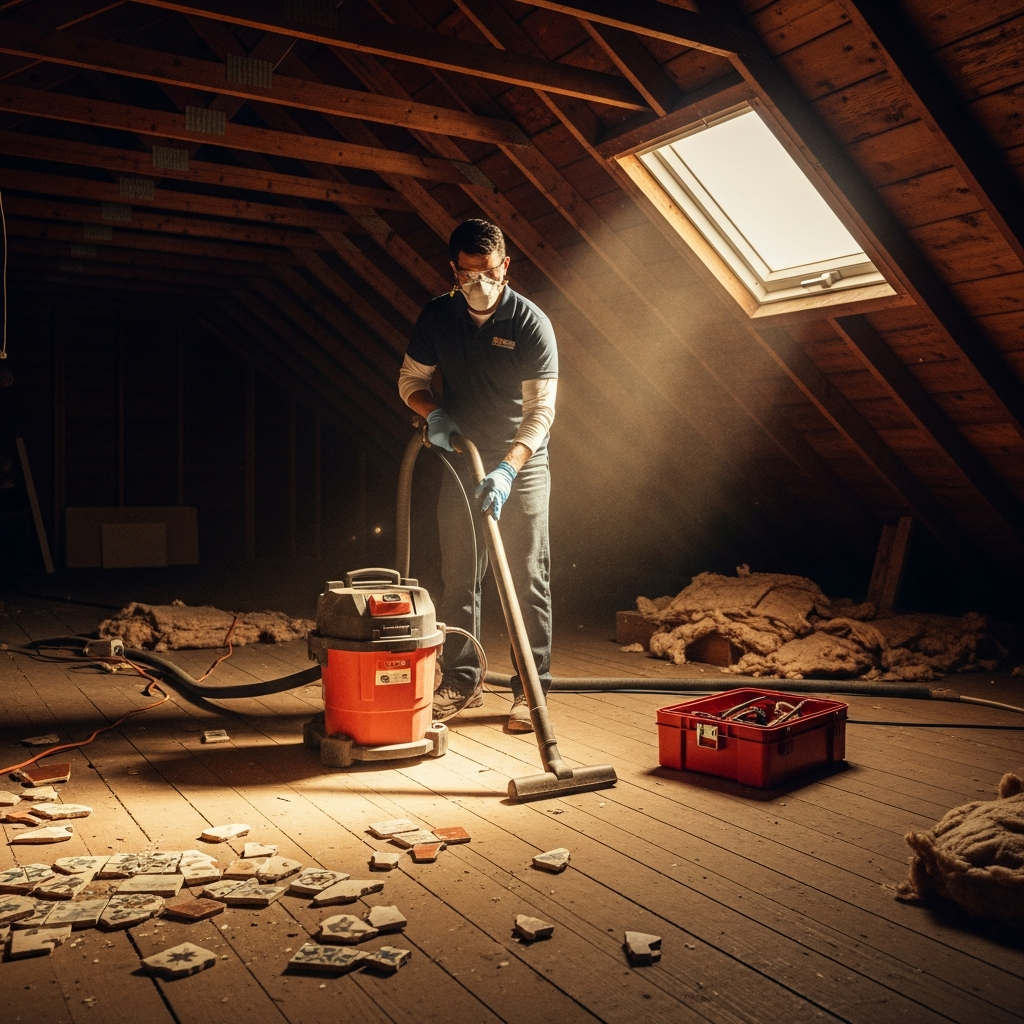
Rodent droppings and nesting materials are not ordinary dust. The safest removal starts with agitation control—using HEPA-filtered vacuums and gentle handling methods so that particulates don’t become airborne. In crawl spaces with loose soil, professionals often lightly mist the area first to weigh down fine particles. Insulation contaminated with heavy droppings or urine should be carefully sectioned and bagged rather than yanked out in bulk. Every move should be deliberate, with protective gear and containment that prevents cross-contamination into hallways or yard areas.
Inside kitchens and bathrooms, it’s smart to pull out the stove, refrigerator, and sink cabinet drawers if you see evidence nearby. These are the warm, hidden spaces rodents love, and they tend to accumulate droppings and food residue that fuel future activity. Meticulous removal here prevents ongoing odors and eliminates micro-food sources that are hard to reach during routine cleaning.
Disinfection and Deodorization That Lasts
Once contaminated materials are removed, the next step is targeted disinfection. This is not a matter of over-spraying everything. Focus on contact points, travel paths, and nesting pockets. In attics, treat along joists, top plates, and around any plumbing or electrical penetrations. In crawl spaces, prioritize sill plates, pier blocks, and the undersides of subfloors. Time-on-surface matters; disinfectants need adequate dwell time to perform. Follow label guidance and allow areas to dry before re-insulating or closing up cavities.
Odors are a separate issue from pathogens. Rodent urine and oils create persistent scents that can lure other rodents even after the original nesters are gone. Deodorization requires products made to bond to odor molecules, followed by ventilation. In our drier months, a controlled afternoon of open windows and fans can speed the process. In coastal zones, choose a day with lower humidity to avoid trapping dampness in building materials.
Attics and Crawl Spaces: LA’s Critical Zones
Most homeowners are surprised by how much activity happens just above the ceiling or beneath their floors. Attics with older batts or blown-in insulation often hide long travel paths. Crawl spaces in older Los Angeles neighborhoods sometimes lack vapor barriers or have broken vents that make ideal conduits. Best practice means prioritizing these zones: methodical removal of contaminated insulation, surface sanitation with the right dwell times, and installation of new insulation only once areas are clean, dry, and sealed against re-entry.
If you live near canyons or mature trees—think Hollywood Hills or Pasadena foothills—overhanging branches can create aerial highways straight to your roofline. Combine thorough interior sanitation with exterior trimming and screening at roof vents, gable ends, and soffit openings. This synergy keeps your sanitation work effective for the long term.
Seal and Exclude Before You Rebuild
Sanitation without exclusion is a short-lived victory. After cleaning, inspect for entry points: gaps at garage door sweeps, utility penetrations, weep holes, foundation cracks, and roofline intersections where stucco meets fascia. Use rodent-resistant materials—galvanized hardware cloth, metal flashing, concrete patch—instead of foam alone, which rodents can chew. In Los Angeles, seismic gaps and older plaster transitions often create hairline paths that look trivial but act like expressways for small mice. Seal first, then rebuild or reinsulate. Otherwise, you risk sanitizing the same spaces again in a few months.
Kitchen and pantry habits matter here, too. If your home has an open-air trash sorting area or a side yard where pet food bowls live, eliminate those attractants while you seal the structure. Exclusion and habit shifts, paired with sanitation, form a triangle of long-term defense.
Mind the Middle: Bridging Cleaning With Prevention
There’s a transitional phase between the messy demolition of contaminated material and the serene final cleanup. It’s during this “middle” that homeowners sometimes rush. Instead, pause and verify: Are all penetrations sealed? Has the disinfectant fully dried? Are odor sources neutralized? Is fresh insulation staged and ready only after verification? Bringing in a specialist to sanity-check the sequence can save rework. This is also a smart juncture to consider scheduling professional help for focused tasks like vapor barrier replacement or attic reinsulation, especially if you want the added assurance that your professional rodent sanitation effort will hold up under Los Angeles conditions.
Waste Handling the Right Way
Bagging and removing contaminated waste should respect both sanitation goals and neighborhood sensibilities. Double-bag heavy debris, label as needed, and avoid leaving bags curbside overnight where animals can tear them open. In narrow LA alleys or shared driveways, coordinate a same-day haul-off. For attic vacuum projects, ensure collection drums are secured and sealed before transport. The fewer steps between removal and disposal, the lower your risk of recontamination or unpleasant odors returning to living areas.
For homeowners doing limited DIY, resist the urge to compact debris by stomping bags; that can rupture liners and aerosolize particles. Keep gloves, respirators, and coveralls separate from household laundry, and wash up immediately after disposal tasks.
Rebuilding Clean: Insulation and Ventilation
Reinstalling insulation is a milestone, but only when the substrate is demonstrably clean and dry. In our diverse climates around Los Angeles, consider how insulation type affects moisture and airflow. In marine layers near the beach, materials that manage humidity without sagging are helpful; in hotter inland zones, R-values that stabilize attic temperatures can reduce vapor gradients that sometimes attract pests. Coupling this with tuned ventilation—clear soffits, screened gables, and balanced exhaust—helps keep spaces less inviting to rodents going forward.
As you close up, document what was done. Take photos of sealed penetrations, note the disinfectants used, and mark any areas for future checks. This paper trail makes it easier to maintain standards and to intervene quickly if future signs appear.
Habits That Keep Homes Sanitary
Best practices extend beyond the one-time cleanup. Store pet food in sealed containers, rinse recycling before it sits, and avoid piling cardboard in garages. If you harvest backyard citrus or figs, collect fallen fruit promptly. Keep ivy and dense shrubs trimmed away from foundations, and repair torn screen doors before summer nights invite everything indoors. A monthly five-minute scan of common hotspots—under sinks, behind the range, near the water heater—can catch issues early, long before they become a sanitation project.
Seasonal Timing in Los Angeles
Our mild winters can be deceptive. Cooler evenings in December and January drive rodents to the warm voids above can lights and around furnace closets. Late spring brings nesting cycles that can spike activity. If you time deeper inspections before winter and again in late spring, you’ll often intercept problems early. Match your sanitation intensity to these rhythms, and you’ll find the work stays lighter and more effective.
Communication With Neighbors
Rodents don’t respect property lines. Shared fences, alley bins, and clustered garages make your sanitation project part of a broader neighborhood picture. A friendly conversation can align trash habits and yard maintenance, preventing reinfestation pressure on your newly sanitized home. In tightly packed areas like Koreatown or parts of Westlake, coordination can be the difference between recurring problems and lasting results.
FAQs
How do I know if I need full attic sanitation or just spot cleaning?
Consider the density and spread of contamination. If droppings line joists and urine odor lingers even after basic cleaning, full sanitation is often warranted. Spot cleaning makes sense when evidence is limited to a small area and there is no airflow pathway into living spaces. A professional assessment can clarify the scope.
Is it safe to handle rodent droppings without professional help?
Limited, carefully controlled cleanup can be done, but safety gear and proper methods are essential. Use HEPA vacuums, avoid sweeping, and apply disinfectant with adequate dwell time. If you see extensive contamination, nests, or compromised insulation, it’s best to call in experts who can manage containment and disposal properly.
How quickly should I reinsulate after cleaning?
Only after areas are clean, dry, sealed, and odor-free. Rushing reinsulation traps smells and can hide incomplete work. Waiting a day to verify results pays off in comfort and long-term sanitation.
Will exclusion alone keep rodents out without deep cleaning?
Exclusion is critical, but it doesn’t remove contamination that attracts future activity. Deep cleaning and deodorization, paired with sealing entry points, gives you the durable outcome you want. Think of it as removing the “billboard” and closing the door at the same time.
What products are best for deodorizing after rodents?
Use odor neutralizers specifically formulated for bio-odor control and allow for ventilation during drying. Deodorization works best after thorough removal of soiled materials; otherwise, scents can re-emerge as temperatures shift.
Can I time sanitation around LA’s weather?
Yes. Choose drier days for crawl space work and days with good airflow for attic ventilation. After coastal fog lifts, mid-afternoon windows are often ideal. In hot inland areas, morning starts reduce heat stress and speed drying.
Ready to protect your Los Angeles home?
If you want a clean, healthy interior and the confidence that your efforts will last through our local seasons, schedule a focused inspection and partner with a team that understands the city’s building quirks. We can assess your attic, crawl space, and living areas, and carry out targeted cleaning, deodorization, and exclusion that fits your home’s design. Reach out today to plan service and ensure your home benefits from proven rodent sanitation strategies tailored to Los Angeles living.