
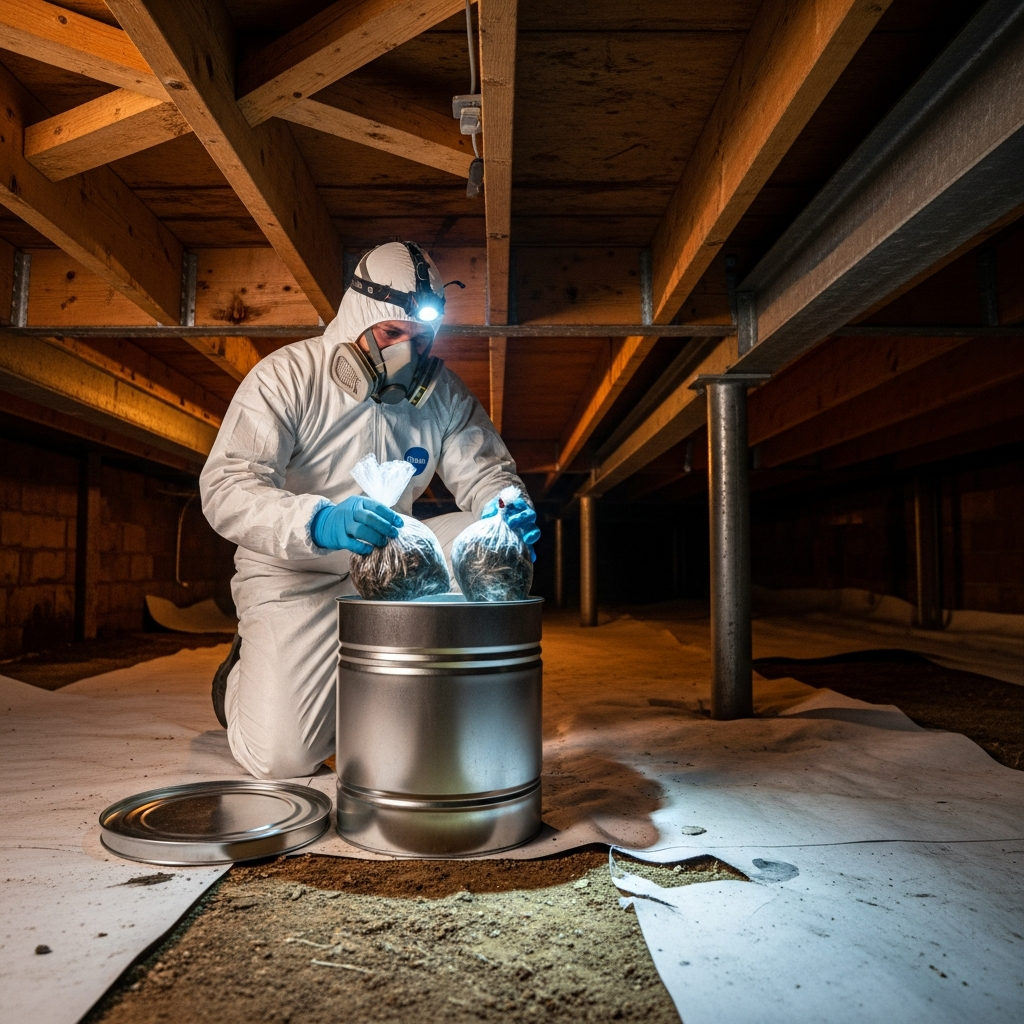
Across Los Angeles, from hillside cottages in Echo Park to ranch homes in the Valley, thorough rodent sanitation is often the missing piece between “we solved the infestation” and “we can breathe easy again.” Rodent waste removal is its own discipline, involving safe extraction, targeted disinfection, deodorization, and strategic exclusion before rebuilding spaces like attics and crawl areas. In a city where warm evenings and mature landscaping create natural bridges for rodents, professional-grade methods and an LA-specific perspective make all the difference.
What Professional Rodent Waste Removal Looks Like
The process begins with a measured assessment. Technicians map activity by identifying droppings, rub marks, gnaw points, and nesting pockets. In LA, that often includes checking roofline transitions on stucco homes, utility penetrations near tankless water heaters, and the maze of conduits around HVAC systems. A clear plan separates light contamination needing spot treatment from heavy zones requiring removal of insulation or partial demolition.
Containment and dust control follow. HEPA vacuums capture fine particulates while light misting reduces airborne matter in crawl spaces. Soiled materials are bagged at the source and sealed to prevent tracking debris through hallways or yards. This disciplined approach keeps indoor air quality stable even as crews work through contaminated areas.
Disinfection and Deodorization: The Heart of Sanitation
After debris removal, professionals apply disinfectants to travel routes—joists, sill plates, top plates, and around penetrations where rodents move most. Dwell time matters, and pros are careful to let products work before re-vacuuming or wiping. The next step is deodorization, which neutralizes urine and oil residues that otherwise act as “scent signposts” for future rodents. In our varied LA microclimates, ventilation plans adjust by neighborhood—Valley homes may benefit from morning work schedules, while coastal homes may need mid-afternoon windows to reduce marine humidity effects.
Crucially, pros don’t rush to rebuild. They verify dryness, confirm odor abatement, and check that no new activity has occurred before insulation or finishes go back in. This patience creates sanitation that actually lasts beyond the season.
Exclusion That Complements Cleanup
Waste removal without exclusion puts you on a treadmill. The Los Angeles housing stock is full of architectural transitions—stucco-to-wood joints, vintage vents, slab penetrations—that invite re-entry. Professional teams seal with chew-resistant materials, from hardware cloth to sheet metal, focusing on garage door sweeps, utility lines, roof vents, and crawl space access doors. When cleanup and exclusion are performed as a single, integrated project, the home’s microbial and odor landscape is reset and protected.
In neighborhoods with dense restaurant clusters or older sewer networks, exclusion becomes even more critical. Sealing is paired with exterior habit changes like managing bins and trimming foliage away from foundations so that outdoor pressures don’t overwhelm a freshly sanitized interior.
Attic and Crawl Space Specialization
Attics and crawl spaces are where waste removal most often becomes “professional only” territory in LA. Heavily soiled insulation, delicate wiring runs, and tight access points combine to make DIY risky. Trained crews use staged containment, HEPA filtration, and methodical removal to keep contaminants from migrating. In an attic, that can mean sectioning and bagging blown-in insulation while vacuuming joists and treating penetrations. In crawl spaces, it may involve removing old vapor barriers, scraping surfaces, and sanitizing framing before reinstalling a new barrier and insulation.
When this work is done well, homeowners report immediate improvements in odor and a noticeable freshness in indoor air, especially when HVAC systems no longer circulate attic-borne particulates through leaky can lights or return chases.
Why Los Angeles Homes Need a Localized Approach
Our climate invites year-round rodent pressure. Mild winters don’t fully pause activity, and seasonal fruit trees, compost habits, and alley trash pickup can nudge rodents toward structures. Older homes with charming character often include gaps at foundations or roofs that make ideal entrances. Professional sanitation services that understand LA’s quirks focus on the order of operations—remove, disinfect, deodorize, exclude, then rebuild—timed to weather and neighborhood conditions.
Another local factor is airflow. Homes with vintage gable vents or added whole-house fans may exchange attic and indoor air more than owners realize. Without complete sanitation, odor and allergen pathways persist, even after populations are reduced. That’s why services emphasize both the visible cleanup and the invisible airflow dynamics unique to each home.
Middle-Mile Quality Control
The midpoint of a project—after demolition and before restoration—is where quality is either locked in or lost. Pros pause to confirm that debris is fully removed, that disinfectants achieved their dwell times, and that odors have been neutralized. They verify seals at penetrations, vents, and door thresholds, often conducting a second walk-through expressly to catch small oversights. This is where homeowners should expect transparency: photos, notes, and a clear explanation of what was found and fixed, so the value of the rodent sanitation services is documented.
Rebuilding Clean
When spaces are verified clean, restoration proceeds. In attics, that could mean installing new insulation with attention to baffles and ventilation. In crawl spaces, crews may add a vapor barrier, secure access doors, and ensure drainage isn’t directing moisture under the home. Restoration performed over a sanitized substrate preserves the investment and prevents odors from re-emerging during hot spells or Santa Ana winds.
Homeowners should also consider small upgrades that support cleanliness, like sealing recessed lighting cans rated for insulation contact or adding gaskets at attic hatches. These finishing touches reduce air mixing and keep spaces cleaner for longer.
What to Expect From a Professional Team
A credible provider will start with a detailed inspection, outline a clear scope, and communicate how each step serves both health and prevention. They’ll adapt to your neighborhood context—Venice versus North Hollywood is not the same scenario—and keep safety and containment central. You should see evidence of HEPA filtration, careful bagging, and methodical sequencing. And you should feel confident that the crew is thinking beyond today’s cleanup to next season’s pressures.
FAQs
How long does professional rodent waste removal usually take?
Timelines vary with scope, but most homes see the active removal and sanitation completed over one to three days, with restoration following once areas are dry and verified clean. Weather and access affect scheduling, especially for crawl spaces.
Can I remain in my home during the process?
Typically, yes. With proper containment and ventilation, most projects proceed without displacing residents. Communication about noise, access points, and temporary ventilation is important so you’re comfortable throughout.
What signs suggest I need professional help rather than DIY?
Widespread droppings, strong urine odor, contaminated insulation, nests in wall voids, or any evidence near electrical systems are strong indicators. Tight spaces or health sensitivities are also good reasons to call in a team.
Will odors really go away after proper sanitation?
Yes, when removal, disinfection, and deodorization are done in sequence and allowed to dry fully. Lingering smells are usually a sign of hidden contamination or trapped moisture that needs revisiting.
How do professional services prevent rodents from returning?
By pairing sanitation with thorough exclusion, closing gaps with chew-resistant materials, and advising on exterior and interior habits that reduce attractants. This layered strategy is essential in Los Angeles’s dense urban fabric.
What should I do to prepare for a service visit?
Clear access to attics, crawl spaces, and utility areas. Secure pets, move vehicles if garage access is needed, and share any history or photos you’ve collected. Preparation streamlines the visit and helps crews focus on the highest-impact work.
Make your home feel fresh again
If you’re ready to move beyond trapping and into true recovery, schedule a professional evaluation that covers removal, disinfection, deodorization, and exclusion. Our team brings local insight to every project, aligning methods with your neighborhood and home style. Reach out today to plan trusted rodent sanitation that restores cleanliness and comfort for the long term.