
Breathing Easier in Los Angeles Starts at Home
If you have ever paused on a late afternoon in Los Angeles and watched the sunlight catch dust motes in the air, you have witnessed a small piece of the larger story about indoor air quality. We love the ocean breezes that sweep through Santa Monica and the crisp mornings up in Laurel Canyon, but we also live with freeway corridors, wildfire seasons, and the daily churn of an urban basin. In this landscape, the health benefits of clean air ducts are not abstract—they are immediate, tangible, and personal, shaping how you sleep, how you think, and how your family feels from day to day.
As a local who has walked jobs in Craftsman homes in Highland Park, condos in Koreatown, and hilltop properties in Sherman Oaks, I have seen how quickly dust, dander, and smoke particulates accumulate inside ductwork, even in homes that are meticulously cleaned. The most impactful step many Angelenos can take to reclaim fresher indoor air is a well-timed, professional air duct cleaning, supported by a few practical habits that keep the system healthy between service visits.
Why Ducts Matter More Than You Think
Your ductwork is the circulatory system of your HVAC, carrying comfort from room to room, but it is also a hidden repository for every airborne whisper of life in Los Angeles: pollen from the jacarandas, cooking aromas from last night’s asada, pet fur from your rescue shepherd, and yes, the ultra-fine particles that drift across the region during wildfire season. Over months and years, these particles cling to the interior surfaces of ducts and the fins of coils, creating layers that can re-aerosolize every time the fan kicks on.
People often assume that if their filters look clean, the system must be clean. In reality, filters catch a portion of particles, but not all. Duct interiors can trap what passes through, especially in older systems or in homes where vents have been closed off, furniture blocks returns, or remodels have introduced new pathways for dust intrusion. The result can be a slow, subtle reduction in indoor air quality that you only notice when you wake up a little stuffy, cough a touch more during Santa Ana winds, or feel fatigue you cannot quite explain.
Allergy Relief and the Los Angeles Pollen Calendar
Allergies in L.A. are a year-round sport. Spring paints the city with grasses and blossoms across the Valley and Westside; summer carries drift from inland oaks and sage; fall brings fresh growth interlaced with wildfire smoke; winter’s marine layer traps what’s already in the air. For those sensitive to pollen, dander, or dust mites, a deep cleaning of ducts can lower the background load of irritants inside the home. When the HVAC comes on at 6 a.m. to take the chill out of a Silver Lake bungalow, you want it to push clean, conditioned air—not a plume of settled pollen and dust from last April.
Notice how allergy symptoms sometimes ease on the coast, then surge inland? Indoor air behaves the same way. Clean ducts reduce how much your system recirculates allergens, especially during transitions in weather when the thermostat is cycling more frequently. After a thorough cleaning, many homeowners report fewer morning sniffles, calmer eyes, and steadier breathing overnight.
Smoke, Wildfire Season, and Ultra-Fine Particles
Even if the nearest burn scar is miles away, wildfire smoke does not respect zip codes. The tiny particles that make up smoke can slip past standard filters and settle inside ducts, where they hold onto that unmistakable, ashy scent. Months later, a warm day outside can mean a smoky hint inside. Cleaning the duct interiors, registers, and blower housing can help remove this trapped residue, reducing both odor and exposure to particulate matter. For homes in canyons or along foothill corridors that experienced heavy smoke days in recent years, this step can feel like hitting the reset button on indoor air.
When smoke is a factor, removable components benefit from careful, methodical cleaning so that residues are not simply dislodged and redistributed. That is one reason homeowners notice a stark before-and-after difference when professionals use controlled negative pressure and proper containment techniques. The goal is removal, not relocation.
Mold, Moisture, and the Marine Layer
Los Angeles is not the Deep South, but we are not bone-dry either. The marine layer creeps inland; bathrooms vent into attics in older houses; and coastal neighborhoods—from Venice to Manhattan Beach—see moisture swings that leave duct interiors vulnerable when insulation is thin or gaps allow humid air to meet cool metal. While a cleaning does not remediate a moisture source on its own, it does strip away the film of dust that mold prefers as a food source and gives you a clean baseline to pair with fixes such as sealing, improved insulation, or better ventilation.
The telltale signs are familiar: a musty edge to the air when the AC first turns on, visible debris at supply grilles, and worsening symptoms among those prone to mold sensitivity. Tackling ducts as part of a moisture-aware plan can make breathing feel lighter, especially in spaces where windows stay closed during overcast mornings.
Pet Dander, Urban Dust, and Everyday Living
Pets shape our lives here—corgis in Culver City, tabbies sunning in Eagle Rock windows. Their dander is a natural part of home life, and it loves to nestle into duct dust. Add urban particulates from nearby construction or a busy street, and your HVAC can become a relay driver, passing tiny irritants from room to room. After a thorough cleaning, many pet owners describe a softer, fresher quality to their air and even note that furniture stays cleaner longer because the system is no longer pushing out micro-debris with every cycle.
This is not just about fewer tumbleweeds of fur. It is about reducing the background haze of ultra-fine content that can exacerbate asthma or create that slightly stale feel you notice when returning home after a day at the beach.
Children, Seniors, and Those with Respiratory Conditions
If there are toddlers crawling on rugs, aging parents spending more time indoors, or anyone managing asthma or COPD in the household, the quality of what moves through your vents can influence comfort on a daily basis. Clean ducts help reduce the triggers that inflame airways. Parents often report that nighttime coughs ease after a cleaning, and seniors appreciate a calmer breathing rhythm during those warm, dry weeks when opening windows brings in more dust than relief.
It is not a cure for medical conditions, of course, but it is a supportive measure—like good hydration or adequate sleep—that underpins well-being and supports other efforts such as proper filtration and regular HVAC maintenance.
Energy, Efficiency, and a Quieter System
Though the headline topic is health, it would be a miss not to mention how clean ducts contribute to efficiency. When dust cakes the inner surfaces of ducts and coats blower blades, your system works harder to move the same amount of air. That extra effort can translate to more fan noise and less consistent temperatures across rooms. A clean pathway reduces friction and lets the system operate closer to its design performance, which means steadier comfort with fewer hot and cold spots.
In dense neighborhoods—think Miracle Mile apartments or compact homes near DTLA—a quieter, smoother-running system is not just a technical perk; it is part of the ambiance of your living space. The side benefit of fewer airborne particles often adds up to a home that simply feels calmer.
Odor Reduction and the Psychology of Freshness
Odors ride on particles, and the nose quickly associates stale air with discomfort. Cooking oils, pet smells, and occasional cigarette smoke can linger in duct dust for months. Many Angelenos describe a subtle, instant uplift after cleaning, like throwing open the windows on a clear morning above the Griffith Observatory. That sensory shift is not imaginary. When odor-carrying particles are removed from your system, the baseline scent of the house resets toward neutral, and the mind interprets that as clean and safe. The result is better relaxation and better sleep.
We often underestimate how the brain processes scent. Just as the aroma of eucalyptus in Topanga can evoke calm, the absence of stale smells indoors can signal that the environment is healthy, which carries a quiet but potent mental-health benefit.
What to Expect During a Professional Visit
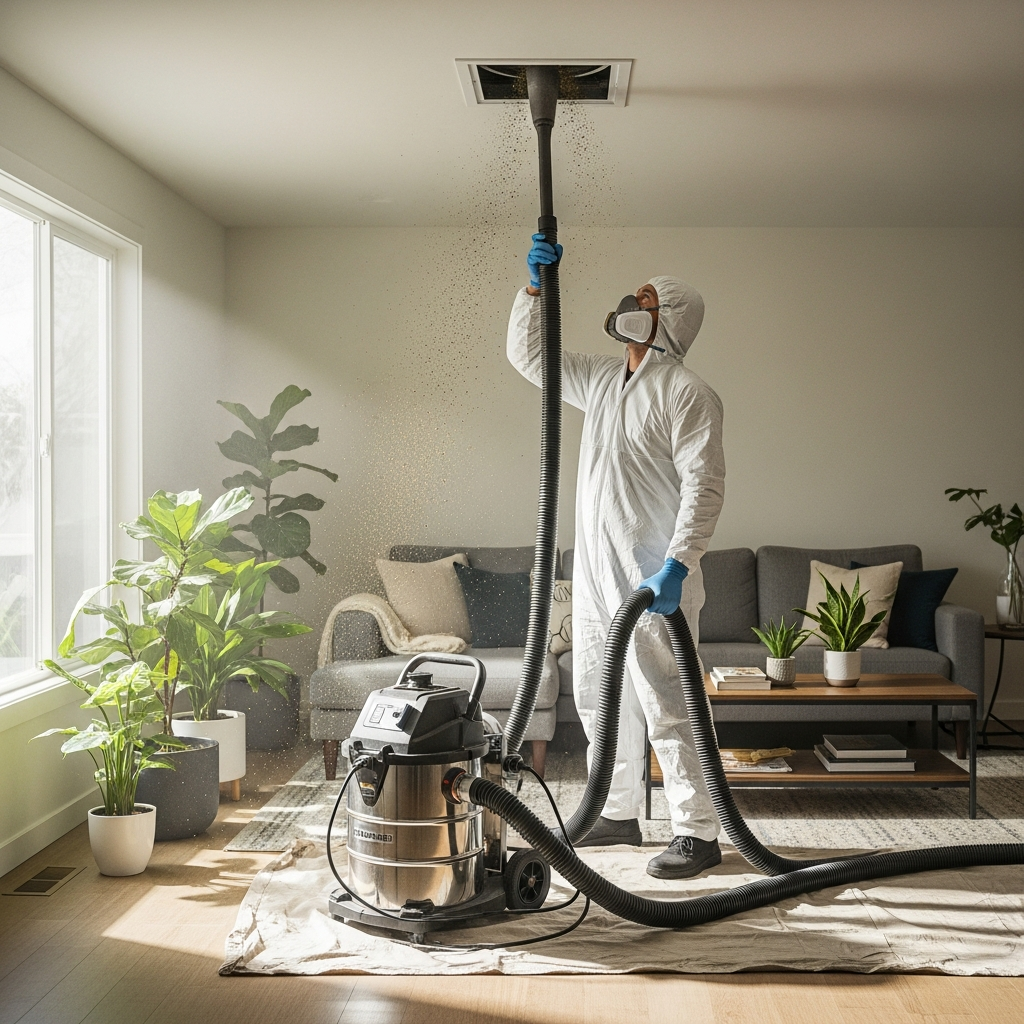
For the uninitiated, a professional cleaning involves setting the system under controlled negative pressure, agitating duct surfaces with specialized tools, and capturing loosened debris in high-efficiency containment so it does not reenter the home. Registers, returns, and blower compartments are addressed, and technicians verify airflow and cleanliness before reassembly. The process is more than a quick vacuum; it is a systematic reset of the air highway that traverses your home.
Many homeowners are pleasantly surprised at how minimally disruptive the process is when planned around daily life. Pets can be secured, sensitive items covered, and rooms scheduled in a sequence that respects naps, Zoom calls, or after-school routines. A midweek appointment, for example, lets a family enjoy the weekend with the house feeling notably brighter and fresher.
When Los Angeles Homes Benefit Most
In our climate, the two windows that make the biggest difference are late spring and early fall. After winter’s closed-window stretch and before high-summer AC demand, a deep cleaning can set you up for healthier breathing just as seasonal allergens and heat waves ramp up. Likewise, post-wildfire season cleaning is a smart move if smoke days were frequent in your neighborhood. Households with pets, recent remodels, or dust-producing hobbies see outsized benefits from a more regular cadence.
In the thick of life—sports practices in the Valley, morning commutes down the 10, weekend beach trips—it is easy to forget the invisible part of home care. Bookmark a recurring reminder around the times you switch ceiling fan directions or change smoke-detector batteries, and consider a midyear touch-up in households with special sensitivities. Pairing the schedule with a trusted provider of air duct cleaning helps keep the healthy-home habit on track.
Complementary Habits That Extend the Benefits
Once your ducts are clean, small habits carry the baton. Choose a filter with an appropriate rating for your system, replace it on a rhythm that matches your living patterns, and keep supply registers free of rugs or furniture. If you live near a busy boulevard, consider running the fan on low for short intervals to circulate air through filtration even when heating or cooling is not needed. During Santa Anas or heavy pollen days, closing windows and letting your HVAC handle circulation can actually yield a fresher indoor environment than relying on outdoor breezes alone.
Cleaning schedules for bathrooms and kitchens matter too, not just for surfaces but for exhaust ventilation and make-up air. The cleaner those hubs are, the less particulate drift moves into the returns. Think of your home as an ecosystem where every small improvement amplifies the others.
How Clean Ducts Support Sleep and Focus
There is a reason so many Angelenos use white-noise apps and blackout curtains. We value good rest. Cleaner air translates to calmer, more even breathing overnight, which supports deeper sleep. The next-day payoff shows up as better focus and a steadier mood, whether you are heading to a writers’ room in Burbank or a design studio in El Segundo. Fewer irritants mean fewer micro-arousals and morning headaches, and even snorers sometimes notice the atmosphere feels less heavy.
During the day, the absence of stale air and dust glinting in sunbeams changes the psychological feel of a room. With a clear head, you simply get more done. It is a subtle form of self-care that returns dividends across a week, a quarter, and a year.
Special Considerations for Different Neighborhoods
Each pocket of Los Angeles has its own micro-story. Beach neighborhoods contend with salt-laden moisture and fine sand that creeps indoors. The Valley sees higher heat loads and long AC cycles that pull more air through ducts for more hours each day. Older hillside homes might have mixed duct materials and quirky runs that benefit from thoughtful, careful agitation to avoid damage. Downtown lofts, with their open plans and high ceilings, need attention to returns that can capture airborne dust from busy streets below.
A local eye helps here. When a technician has walked attics from the Palisades to Pasadena and crawled returns in mid-century ranches of Lake Balboa, they understand how to tailor the approach to the home’s bones and the neighborhood’s environment. That experience shows up in the end result you can smell and feel.
Signs It Is Time to Clean
Beyond seasonal cues, look for visible dust at registers soon after cleaning the house, unexplained musty or smoky odors at startup, and an uptick in sneezing or throat-clearing at home but not at work. If you have completed a remodel, even a tidy one, expect fine dust to have traveled. New pets, new rugs, and new daily routines can change the dynamics of what your system captures and holds. When in doubt, a quick inspection of returns and a conversation about household patterns can clarify whether the time is right.
Consider too the pace of your life. If your home hosts dinners, game nights, and sleepovers, your HVAC moves a lot of air for a lot of people. That activity is part of the joy of living here, and it is also a nudge to give your ducts the same attention you give your kitchen before a big gathering.
What a Healthier Home Feels Like
After a proper cleaning, the change is often immediate: morning air feels lighter, afternoon rooms hold their cool more evenly, and the faint background haze you did not realize you were tolerating simply disappears. You might notice fewer dust streaks on hardwood floors after a week, fewer nose rubs from the dog, or that your afternoon slump feels less pronounced. For some households, especially those with kids or grandparents, the shift is enough to inspire new routines around fresh bedding, window care, and filter swaps—routines that multiply the benefits of the initial service.
Health is an accumulation of small wins. In a city where we spend hours in transit and love our outdoor spaces, the sanctuary of truly fresh indoor air can be transformative.
Frequently Asked Questions
How often should Los Angeles homeowners schedule duct cleaning? For many households, every two to three years is a reasonable baseline, with adjustments for pets, recent remodels, or proximity to busy roads or wildfire-prone areas. If you notice odors or persistent dust, move sooner.
Will duct cleaning help with wildfire smoke odors? Yes. While filtration upgrades help during smoke days, cleaning removes trapped residues inside the ductwork that continue to release odor. Pairing cleaning with proper sealing and filter management offers the best outcome.
Can cleaning improve asthma symptoms? Many residents report fewer triggers after cleaning because dust, dander, and other irritants are reduced. It is not a medical treatment, but it can be a meaningful part of an overall indoor air quality strategy.
Does cleaning damage ducts? When performed by trained professionals with the right tools and containment, cleaning is designed to protect duct integrity while removing debris. Older or fragile materials are handled carefully with techniques suited to their condition.
What should I do before the appointment? Clear access to supply registers and returns, secure pets, and note any rooms with specific concerns such as odors or recent water issues. If you have allergies, consider being out for a portion of the visit and returning to a fresher home.
Take the Next Step Toward Fresher Air
If you are ready to feel the difference that cleaner ductwork can make, schedule a conversation with a trusted local specialist. Whether you are in a breezy bungalow by the beach or a sunlit condo downtown, a thoughtful service can reset the air you live in every day. Start by planning a professional assessment and map out the small habits that will keep the results going. Your lungs, your sleep, and your peace of mind will thank you. When you are set to make a change, book your air duct cleaning and breathe easier in every room.