
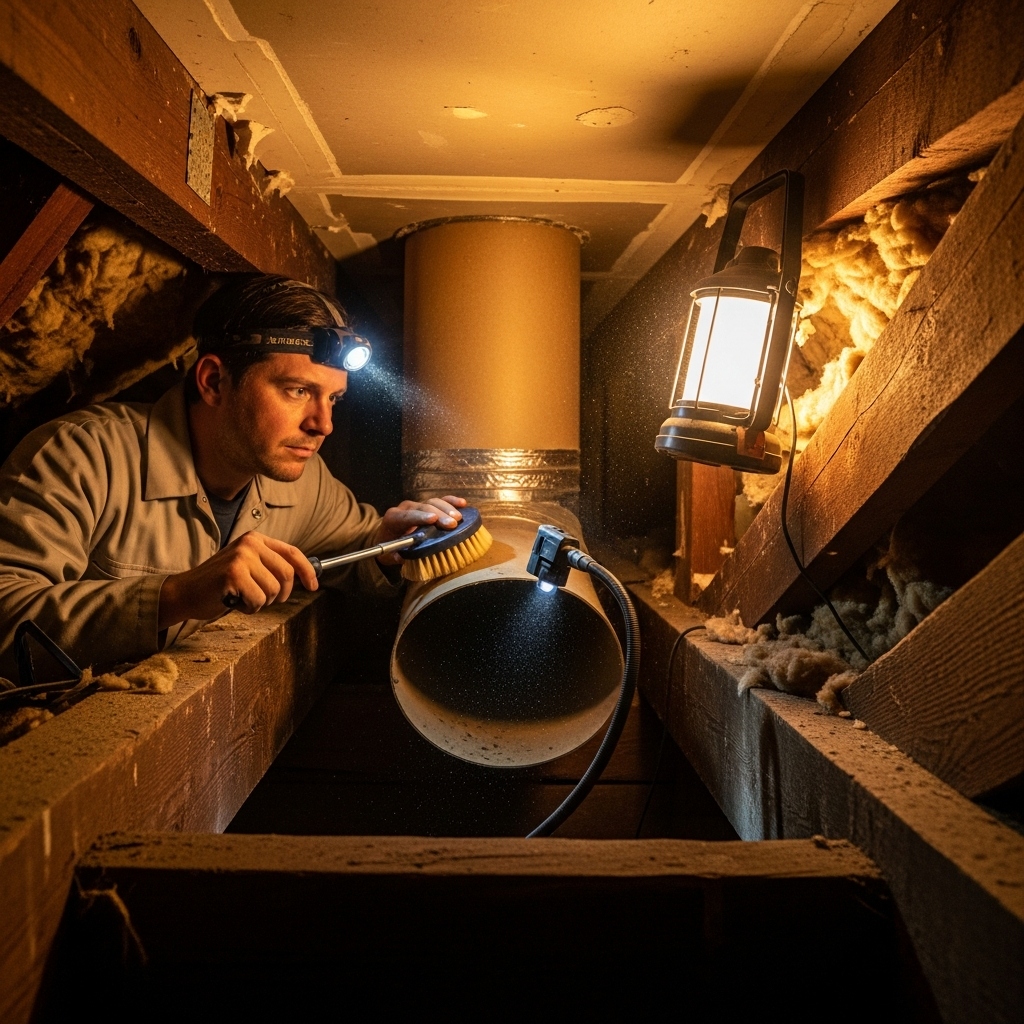
The Hidden Story Inside Vintage Vents
Los Angeles wears its architectural history with pride. From Spanish Revival bungalows in Hancock Park to mid-century modern gems in the Valley and 1920s Craftsman homes in Highland Park, our older houses are full of character—and quirks. Behind the plaster, beneath the floors, and above the ceilings, the air ducts in these homes tell a story about decades of use, remodels, climate shifts, and the constant dance of dust and air. Understanding that story is the key to healthier breathing and more comfortable living in the city we love.
As someone who has crawled into tight attic chases in Echo Park, navigated under raised foundations in South Pasadena, and traced return paths in Sunset Strip hillside homes, I can say with confidence that proper, professional air duct cleaning is one of the most impactful maintenance steps for older Los Angeles properties. It honors the home’s history while preparing it for the next decade of use.
How Older Duct Systems Evolve Over Time
Most vintage homes did not start with modern forced-air systems. Heating might have been gravity-fed, with floor or wall furnaces. Cooling, if present at all, came from open windows and ocean breezes. Over the years, as lifestyles shifted and technologies improved, ducts were added—sometimes with impeccable craftsmanship, sometimes with hurried improvisation. The result can be a patchwork of materials, sizes, and routes that gather dust and debris more aggressively than straight, well-sealed runs in newer builds.
These quirks show up as low spots where debris settles, seams that pull apart under attic heat, and hidden returns that draw in dust from basements or crawlspaces. Combine that with plaster dust from historic repairs, insulation fibers from decades-old batts, and the fine grit that drifts in from nearby thoroughfares, and your ducts can become a time capsule of Los Angeles air history.
Indoor Air Quality and Health in Legacy Homes
When ducts in older homes become reservoirs for dust, dander, and particulate matter, they influence daily well-being. Morning congestion, afternoon fatigue, and that subtle itch in the throat after the system cycles on are not just the price of urban living—they are signals. Cleaning the ducts interrupts this pattern by removing layers of debris that re-aerosolize with every heating or cooling cycle, giving your lungs a break and your home a lighter, fresher feel.
Families who bring new babies into vintage homes, care for aging parents, or manage asthma often report the biggest improvements. A deep clean resets the baseline, and when paired with smart filtration and sealing, the benefits extend for years.
Historic Materials, Modern Methods
Working on older ducts is not a one-size-fits-all exercise. Galvanized steel trunks, fiberboard branches, and sections of flexible ducting may coexist in one home, each demanding a tailored touch. The right approach uses controlled negative pressure and specialty agitation tools to dislodge debris without stressing aging seams or delicate materials. Registers and grilles—often ornate in Spanish and Craftsman homes—are cleaned carefully to protect finishes while removing the film that feeds lingering odors and dust.
Beyond cleaning, an assessment can reveal opportunities for improvements that respect the home’s bones. Thoughtful sealing, insulation upgrades around duct runs in hot attics, and strategic adjustments to returns keep vintage charm intact while reducing the system’s workload and the dust it pulls through.
Moisture Intrigue: Marine Layer, Basements, and Crawlspaces
Los Angeles has pockets of microclimate that push and pull at older systems. Coastal neighborhoods flirt with the marine layer, while hillside areas channel cool night air. In vintage homes with basements or raised foundations, returns may draw from spaces that see seasonal moisture spikes. Dust mixed with moisture becomes a better host for mold spores, and older ducts with thin insulation can experience temperature swings that encourage condensation in the wrong conditions.
Cleaning strips away the organic film that spores latch onto and gives you a clean slate to pair with better sealing and ventilation strategies. If you have ever noticed a musty lift during the first minute or two after the system starts, the solution often begins inside the ducts.
Remodels, Retrofits, and Dust Legacies
Many of our favorite L.A. homes have lived through more than one remodel. Open a kitchen here, add a bath there, carve a creative studio out of a garage in the back. Each project releases fine construction dust—gypsum, sawdust, silica—that wanders far beyond the work zone, often settling in the ductwork. Even careful contractors cannot stop invisible particles from traveling through temporary air currents created by fans and movement.
After any significant project, a comprehensive cleaning helps your HVAC breathe as freely as your updated space. It removes the ghost of construction so that your first dinner party in the new kitchen is perfumed by roasted garlic and rosemary, not drywall dust warmed by the evening cycle.
Allergies, Pets, and the Patina of Daily Life
Older homes tend to have textured surfaces, built-ins, and deep window wells that trap dust. Add a labradoodle or two and the result is a steady influx of dander that loves to mingle with settled debris inside ducts. The reason a house may look spotless yet still feel a hair stuffy is that the supply air picks up a subtle load of particles on its way through those older channels. Removing that reservoir can bring the inside atmosphere in line with the home’s beautiful appearance.
For households that entertain frequently or welcome overnight guests, the payoff is obvious. When loved ones remark that your place smells like itself again—the cedar in the closet, the citrus from the yard—you know you have restored the home’s intended character.
Efficiency Gains Without Sacrificing Heritage
While comfort and health are the headliners, energy and acoustic benefits ride along. Dust layers create friction and burden fans and coils, particularly in long, meandering runs found in some historic layouts. Clean paths mean easier airflow and a calmer system tone. Older homes can be echo-prone; the softer, steadier whoosh of clean ducts supports the serene ambiance homeowners seek after investing so much love in restoration.
It is not about changing the soul of a house. It is about letting the house do its work—deliver warm mornings and cool evenings—quietly and efficiently.
Neighborhood Nuance Across Los Angeles
Every enclave teaches a lesson. In West Adams and Jefferson Park, plaster restoration dust tends to hide in returns. In the Valley’s mid-century neighborhoods, long attic runs over hot summers dry out mastic and open small leaks. In the foothills of Glendale and Mount Washington, hillside access complicates duct routes and encourages debris to settle in low pockets. A local expert reads these patterns like a map, tailoring the plan to the home’s era and geography.
Even downtown loft conversions, while not exactly “older homes” in the single-family sense, bring their own legacy dust from industrial pasts. In these spaces, a meticulous approach to returns and high-mounted supplies changes day-to-day life dramatically.
When to Schedule and What to Expect
The sweet spots for Los Angeles are late spring and early fall. Before AC season roars and after winter’s closed-window months, a deep clean resets the baseline. If you have just purchased a vintage home, consider cleaning as part of the move-in sequence. It helps you start fresh and gives your HVAC a head start on meeting your comfort expectations in a new layout.
On the day of service, professionals set the system under controlled negative pressure, agitate duct interiors with purpose-built tools, and capture debris so it does not drift back into living spaces. Register by register, return by return, the system is brought back to form. It is a methodical process that respects the home’s finishes and rhythm of life.
Pairing Cleaning with Strategic Upgrades
A clean duct system reveals where thoughtful improvements can multiply benefits. Sealing accessible joints, increasing insulation over hot attics, and balancing airflows in sprawling layouts often produce noticeable comfort gains. Filter upgrades should match the blower’s capacity so that you do not starve the system for air. A modest investment of attention in these areas keeps older homes feeling young without compromising their architectural grace.
In homes with mixed generations under one roof—a grandparent suite in back, teens upstairs—balancing airflow after a cleaning can help eliminate temperature squabbles. Comfortable rooms make for happier households.
Wildfire Smoke and Legacy Odors
Smoke particulates have a knack for embedding in duct dust and fabric alike. In older homes with thicker plaster and original millwork, odors can seem stubborn. Cleaning ducts, grilles, and blower compartments removes the primary reservoir that re-releases scent when the fan starts. Once that core is addressed, cross-ventilation on clear days and mindful filtration strategies help keep the reset intact through the next smoke event.
Even if your neighborhood did not see flames, the basin’s air carries ultra-fine particles far and wide. A well-timed duct cleaning after a smoky season can turn the internal weather of your home from gloomy to bright in a single afternoon.
The Emotional Dividend of Fresh Air
We preserve older homes because they make us feel something. The glow of afternoon light across original oak floors, the cool tile of a 1930s bathroom, the story in every archway—these details are elevated when the air itself supports them. After cleaning, many owners say their home smells like itself again, the way it did the first time they walked in. The absence of stale dust and faint mustiness is surprisingly moving, and it deepens your connection to a space you have chosen to steward.
That is the promise of good maintenance in L.A.: elevating the beauty you can see by perfecting the comfort you can feel.
Frequently Asked Questions
How often should older Los Angeles homes have ducts cleaned? For vintage properties, every two to three years is a useful guideline, with sooner intervals after remodels, roof work, or wildfire seasons. Homes with pets or allergy sensitivities may benefit from more frequent attention.
Will cleaning harm old duct materials? When done by trained professionals using the right techniques, cleaning is designed to be gentle on older materials while still effective. Sections that are fragile are handled with adapted tools and lower-force methods.
Can cleaning remove musty odors? Yes, by removing the dust and films that harbor odor molecules. Pair with sealing and moisture management for longer-lasting results, especially in coastal or hillside microclimates.
Do I need to upgrade filters after cleaning? Not necessarily, but it is a good moment to confirm the filter type suits your blower and lifestyle. A properly matched filter, changed on schedule, extends the benefits of the cleaning.
Is duct cleaning worthwhile if I plan a full HVAC replacement? Absolutely. Even with a new system, existing ducts feed your air. Cleaning before or as part of the replacement ensures the fresh equipment is not compromised by legacy debris.
Ready to Refresh Your Vintage Home’s Air
If your Spanish Revival, Craftsman, or mid-century treasure deserves air that matches its beauty, a thoughtful service can make that happen. Schedule an evaluation, align cleaning with any upcoming projects, and step into a home that smells like itself again. When you are ready to turn the page on decades of settled dust, book your trusted air duct cleaning and give your classic Los Angeles home the breath of fresh air it has earned.