
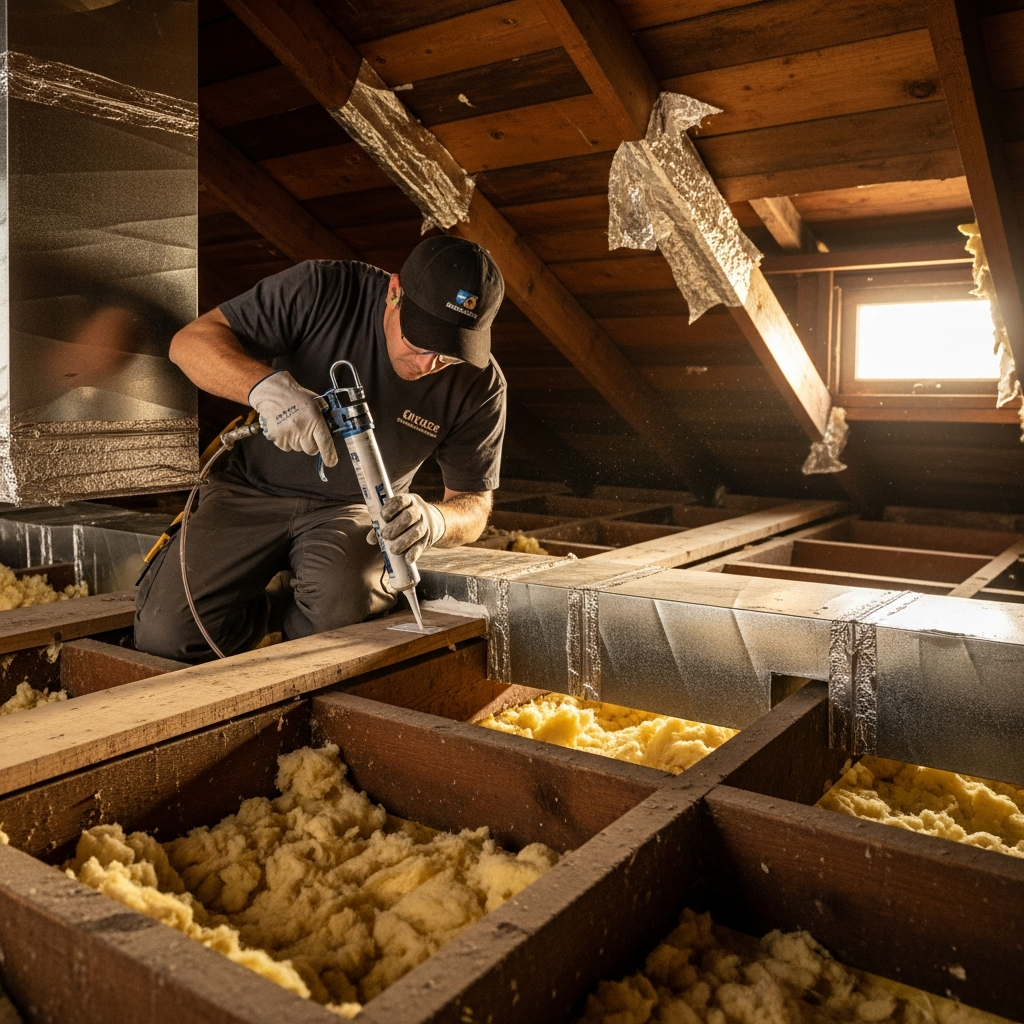
Step into an older Los Angeles home and you can feel the story in the walls. You notice the charm of original hardwood floors, the glow of late-afternoon light through steel casement windows, and the unmistakable breath of a space that has sheltered generations. Yet behind the plaster and lath, tucked into attics that bake under summer sun and crawl spaces that gather coastal moisture, the air distribution system often tells a less romantic story. That is where a focused approach to air duct repair becomes one of the smartest investments a homeowner can make, not just for comfort, but for efficiency, health, and the long life of the home itself.
Having worked in bungalows across Mid-City, Spanish Revival gems in Hancock Park, and post-war ranches in the Valley, I’ve learned that older Los Angeles residences share a set of predictable ductwork challenges. Ducts that were once sized for smaller equipment now struggle with newer high-efficiency systems. Connections loosen after decades of thermal expansion and contraction, while makeshift fixes from past renovations can leave gaps big enough to see daylight. In the hottest months, attics turn into ovens; in cooler coastal neighborhoods, morning marine layers push humidity into unconditioned spaces. Each of these factors strains the duct network, and each can be reversed with careful, code-aware repair.
The benefits that flow from a well-repaired duct system show up first in day-to-day comfort. Rooms that used to run hot now cool evenly. Bedrooms that felt stuffy at night begin to breathe. Living areas that once carried a faint musty overtone start to smell clean and neutral. And because the air handler no longer has to overwork to overcome leaks and restrictions, the entire system operates more quietly and reliably, a subtle but welcome change that homeowners notice during the first quiet evening after the work is complete.
Why older Los Angeles homes develop duct issues
Vintage construction in Los Angeles often includes long duct runs through attics with minimal headroom, double plaster ceilings, and narrow chases that weren’t designed for modern airflow requirements. Many 1920s and 1930s homes added heating and cooling later, which meant retrofitting ducts into tight spaces. Over time, insulation settles, hangers sag, and connections at boots and plenums loosen. Earthquakes and recurring Santa Ana wind events may not directly damage ducts, but the subtle building movement and pressure swings they create do take a toll. Add the heat cycles of Valley summers and the cooler, damp mornings on the Westside, and it’s no surprise that sealants dry out and tapes fail.
In classic California basements and crawl spaces, rodents and raccoons sometimes disturb flexible ducts or chew on insulation. In attics, workers who come to lay cables, build storage, or run new lighting occasionally step on a duct and crush part of a run. Old sheet metal, still serviceable in many cases, can separate at the seams if the mastic fails or the screws corrode. These are small flaws at first, but they create pressure imbalances that compound across the home, wasting energy and eroding comfort.
The comfort dividend from precise sealing and sizing
Think of conditioned air as a resource you already paid to heat or cool. When that air leaves the system through gaps in the attic, or when returns pull dusty, hot attic air into the equipment, you start a vicious cycle. The thermostat calls for more conditioning to make up for the loss, the fan runs harder, and the ducts experience more pressure that worsens the leaks. A thorough repair interrupts that loop by sealing seams, reseating boots, and, where necessary, replacing collapses or kinks in flexible duct runs. The result is balanced supply and return that actually delivers treated air to the living spaces.
In older houses with architectural quirks—converted sunrooms, second-story additions over garages, enclosed porches—duct repairs often include gentle rebalancing of airflow. That might involve adjusting dampers or resizing a branch to ensure distant rooms finally receive consistent delivery. The comfort change is immediate. People often tell me the upstairs no longer feels like a different climate zone, and the downstairs stops cycling between too warm and too cool.
Energy efficiency that shows up in daily life
While older Los Angeles homes can be surprisingly sturdy, their mechanical systems rarely escape the inefficiencies of time. Each leak is essentially a small hole in your wallet, letting conditioned air slip into spaces that don’t need it. Carefully executed repair slashes those losses. When ducts are sealed and insulated to current standards, particularly in those sizzling attics that can reach temperatures well above the outdoor air, the system runs fewer and shorter cycles. Homeowners notice a calmer thermostat, fewer swings in temperature, and equipment that seems to “take a breath” instead of gasping for air.
Importantly, improved efficiency isn’t just a numbers game. It feels different. The blower ramps up smoothly, the air at the registers is appropriately cool or warm, and the entire home responds to thermostat adjustments more predictably. In hilly neighborhoods where solar exposure varies from one side of the house to the other, those predictable responses mean the kitchen isn’t an oven at 5 p.m. while the den remains chilly.
Indoor air quality and the realities of urban living
Los Angeles residents are used to seasonal challenges—dry Santa Ana winds, periodic wildfire smoke intrusions, and the dust that simply comes with big-city life. Leaky return ducts can draw pollutants from attics, garages, or crawl spaces directly into the air you breathe. They can also drag in excess humidity that feeds minor mold growth on cold surfaces in the ducts or air handler. When repairs focus on sealing return pathways and ensuring proper filtration, the difference is tangible. Dusting less often is a welcome side effect, but what you really feel is the crisp, neutral quality of indoor air that isn’t contaminated by building cavities.
Older homes often feature beautiful but drafty details—mail slots, unsealed can lights, older windows with original weatherstripping. While duct repair isn’t a cure for envelope leakage, it prevents the HVAC system from amplifying those drafts by creating pressure differences. In other words, when ducts are tight, the system is less likely to pull unconditioned, outdoor-adjacent air through the cracks of an older building. That helps keep pollutants out and comfort in.
System longevity and quieter operation
When a blower doesn’t have to work against collapsed runs or leaks that bleed pressure, it runs cooler and lasts longer. Coils stay cleaner. Motors don’t strain. Bearings remain quiet. In older homes where equipment sits in tight closets or on brackets in small garages, that reduction in noise is more than a luxury; it becomes part of the home’s serenity. People often underestimate noise fatigue until the day the system becomes nearly unnoticeable after the repair.
Longer system life isn’t just about avoiding breakdowns. It’s also about avoiding the cascading maintenance that leaky ducts trigger. Dirt bypasses filters and fouls evaporator coils. Condensate pans accumulate debris more quickly. Registers and grilles collect soot-like dust that never seems to wipe away cleanly. With well-repaired ducts, those housekeeping hassles diminish. Annual tune-ups reveal cleaner interiors and technicians spend less time addressing secondary issues.
Respecting historical character while making smart upgrades
Owners of Los Angeles’s older homes are rightly protective of their architectural heritage. The good news is that thoughtful duct repair preserves that character. Most work happens in attics, basements, and hidden chases. Technicians reseal existing metal, replace deteriorated flexible lines where necessary, and integrate modern, code-compliant insulation without altering visible finishes. Where registers are antiques or embedded in plaster, careful handling keeps them intact while securing the connection behind the wall or ceiling.
Some repairs even enhance historical features. By stabilizing airflow and temperature, wood casings and trim experience fewer moisture and temperature swings, which is kinder to the old-growth materials that give these homes their soul. Plaster cracks less readily when rooms aren’t experiencing hot-cold extremes that drive expansion and contraction.
What a thorough repair actually looks like
A complete repair starts with a methodical inspection. Technicians trace supply runs from the plenum to each register, checking hangers, turns, and transitions. Connections at boots are reseated and sealed with mastic specifically rated for ducts. Where older foil tapes were used, they’re replaced or supplemented with durable products designed for the job. Smashed or kinked flexible ducts are straightened or replaced to restore proper airflow, and the radius of bends is improved to reduce friction. In metal sections, loose seams are re-fastened and sealed. Insulation is evaluated for integrity and R-value, then supplemented in attics that roast under Valley sun or along south-facing roofs that soak up heat.
Modern airflow measurements help verify the work. By comparing temperature rise or drop, and by observing static pressure before and after, professionals confirm that the system is breathing as intended. Balancing adjustments fine-tune delivery so every room benefits. Homeowners experience the result in real life: the living room evens out, the back bedroom finally feels liveable, and the kitchen stops being a hotspot during meal prep.
Neighborhood nuances across the city
Every pocket of Los Angeles brings its own demands. In the San Fernando Valley, the combination of long, low roofs and blazing summer sun means attic duct insulation and airtight sealing pay dividends. In coastal neighborhoods from Santa Monica to the South Bay, daily humidity cycles and salt air ask for resilient materials and vigilant sealing of returns. In the hills, access can be tricky, with ducts winding through tight chases and beneath additions; patient work there prevents chronic under-delivery to top-floor rooms. Downtown loft conversions may rely on exposed ducts that require both performance and visual finesse, while Pasadena and Silver Lake homes might present a mix of original metal and later flexible additions that need harmonizing.
The thread that ties these neighborhoods together is the principle of mitigating extreme attic conditions and stabilizing pressure across the system. When you achieve that, older homes become as steady and comfortable as newer builds, without sacrificing their signature character.
Health, safety, and peace of mind
While the primary goals are comfort and efficiency, there’s a quiet safety aspect to duct repair. Ducts that inadvertently pull air from garages risk introducing fumes. Leaky returns in attics can draw in insulation fibers and fine dust. Sealing those pathways reduces exposure to irritants. During wildfire events, a tight system combined with proper filtration makes a night-and-day difference in indoor air. Homeowners often report that the house feels like a refuge, with less odor and particulate intrusion even when outdoor air quality dips.
For households with allergies or asthma, or multigenerational families living under one roof, the value of cleaner delivery paths and balanced return air is hard to overstate. It’s not just less dusting; it’s easier breathing and more restful sleep.
Environmental stewardship at the household level
In a city where sustainability is a shared goal, older homes can absolutely pull their weight. By stopping energy losses at the duct level, you cut back on unnecessary runtime, which lowers the home’s overall energy footprint. That’s a practical way for historic residences to align with modern expectations without requiring wholesale changes to the building envelope or architectural design. Many homeowners pair duct repair with modest air sealing at penetrations and basic attic insulation maintenance, achieving meaningful gains without visible alterations.
When you stand in a backyard at dusk, hearing sprinklers across the neighborhood and feeling that slight drop in temperature, it’s nice to know your home is now coasting rather than chasing stable comfort. That sense of a home that’s “in tune” with its systems is a subtle but satisfying outcome of responsible upgrades.
When repairs reveal opportunities
It’s not uncommon for a careful repair to bring to light other improvements. Maybe a return grille is undersized, choking airflow and creating noise. Perhaps a branch was added during a kitchen remodel that starved a distant bedroom. In older homes where multiple small changes layered over decades, stepping back to look at the whole system can suggest tweaks that deliver outsized results. The goal isn’t to overbuild; it’s to make the existing system operate as intended, without strain.
Midway through many projects, homeowners ask whether they should replace everything. Often the answer is no. Well-fabricated metal ducts from decades ago can serve beautifully with resealing and insulation, and even flexible ducts perform well when supported correctly and left un-kinked. Repairs are about discernment—choosing what to keep, what to adjust, and what to replace only when necessary.
For those who want to time improvements, a strategic plan can spread work over seasons, addressing the most impactful repairs before peak summer or winter, then circling back for refinements. In that rhythm, you feel steady gains without the disruption of an all-at-once overhaul.
Choosing help that understands Los Angeles houses
Experience inside the city’s older housing stock matters. Technicians familiar with narrow attic passages, plaster ceilings, and fragile finish details arrive with the right mindset and tools. Communication counts too: explaining options in plain language, showing photos of problem areas and completed work, and setting realistic expectations about access and outcomes. A strong repair is fundamentally collaborative, aligning professional know-how with the homeowner’s intimate knowledge of how the house behaves through seasons.
Somewhere in the middle of a well-executed project, you can feel the home change. Air begins to flow with a quiet confidence. The thermostat seems to relax. If you’re curious about the process or wonder whether your home would benefit from focused work, exploring professional air duct repair is a practical next step, especially before the first real heat wave or a Santa Ana event tests your system.
Real-world outcomes you can notice
After a week of living with corrected ductwork, homeowners tell me the morning routine is smoother. Showers don’t leave bathrooms clammy. The kitchen cools more quickly after cooking. Bedrooms hold a steady comfort that makes for better sleep. If you work from home, you may find the home office stops drifting between too warm and too cool across the day. Background noise fades into the kind of quiet that makes phone calls and focus easier.
Those qualitative changes often come with quantitative ones. Filters look cleaner at replacement time. Equipment doesn’t short cycle. Service visits become routine rather than reactive. You may even notice that the faint attic smell that once crept into upstairs rooms is gone, replaced by the neutral scent of clean indoor air.
Frequently asked questions
How do I know my older home needs duct repair?
Look for uneven temperatures room to room, excessive dust, whistling or rattling at registers, and high runtime during moderate weather. If you see visible gaps at duct connections in the attic or crawl space, or if a branch looks crushed or sharply kinked, those are clear red flags. A professional assessment can confirm with measurements rather than guesswork.
Will duct repair change the look of my historic interiors?
Almost all work occurs out of sight. Registers and grilles can remain, and any adjustments behind the wall or ceiling are performed carefully to protect plaster, trim, and paint. When visible components need replacement, options exist that respect period style while delivering better performance.
Can repairs help during wildfire smoke events?
Yes. Tightening return paths and supply leaks reduces the pathways for smoky outdoor air to infiltrate the system. Paired with appropriate filtration and smart runtime practices during smoke events, repairs can improve indoor air noticeably.
Are repairs disruptive or noisy?
Expect some attic or crawl-space activity and a few hours of intermittent tool noise. Professionals protect living areas, keep pathways clean, and often finish key sealing work in a day or two, depending on home size and access. The long-term outcome is a much quieter HVAC operation overall.
Do I need to replace all my ducts?
Not necessarily. Many older metal ducts remain sound and only need resealing and insulation. Flexible sections that are damaged or poorly routed should be corrected, but whole-home replacement is reserved for systems that are truly beyond repair or fundamentally mismatched to the home.
Will my energy use change right away?
Most homeowners notice immediate improvements in comfort and runtime. Energy savings tend to follow as the system runs fewer hours and meets the thermostat setpoint more efficiently. Over the first season after repairs, patterns become clear.
What about return air sizing in older homes?
Undersized returns are common in vintage houses and can make equipment noisy and inefficient. A thoughtful repair includes evaluating return pathways and, when appropriate, enlarging or adding returns to let the system breathe properly.
How often should I recheck the ducts after repair?
A quick visual check at filter changes helps, with a more thorough look during annual HVAC service. In our climate, seasonal extremes can reveal new stresses, but a sound repair should hold steady for years.
When the work is complete and the attic is closed up, the best evidence you made the right call is how the home feels. The air rests lightly, rooms meet you at the right temperature, and the system disappears into the background of daily life. If you’re ready for that transformation in your own classic Los Angeles home, schedule a visit and let’s talk about targeted improvements that respect your house while upgrading its comfort.
Your home deserves steady comfort through Valley heat waves and coastal morning chills. Reach out today to discuss your goals, plan a careful inspection, and map the repairs that will make a difference. For guidance from a local team that understands the city’s diverse housing stock, connect with trusted professionals and ask about air duct repair that preserves character while elevating performance.