
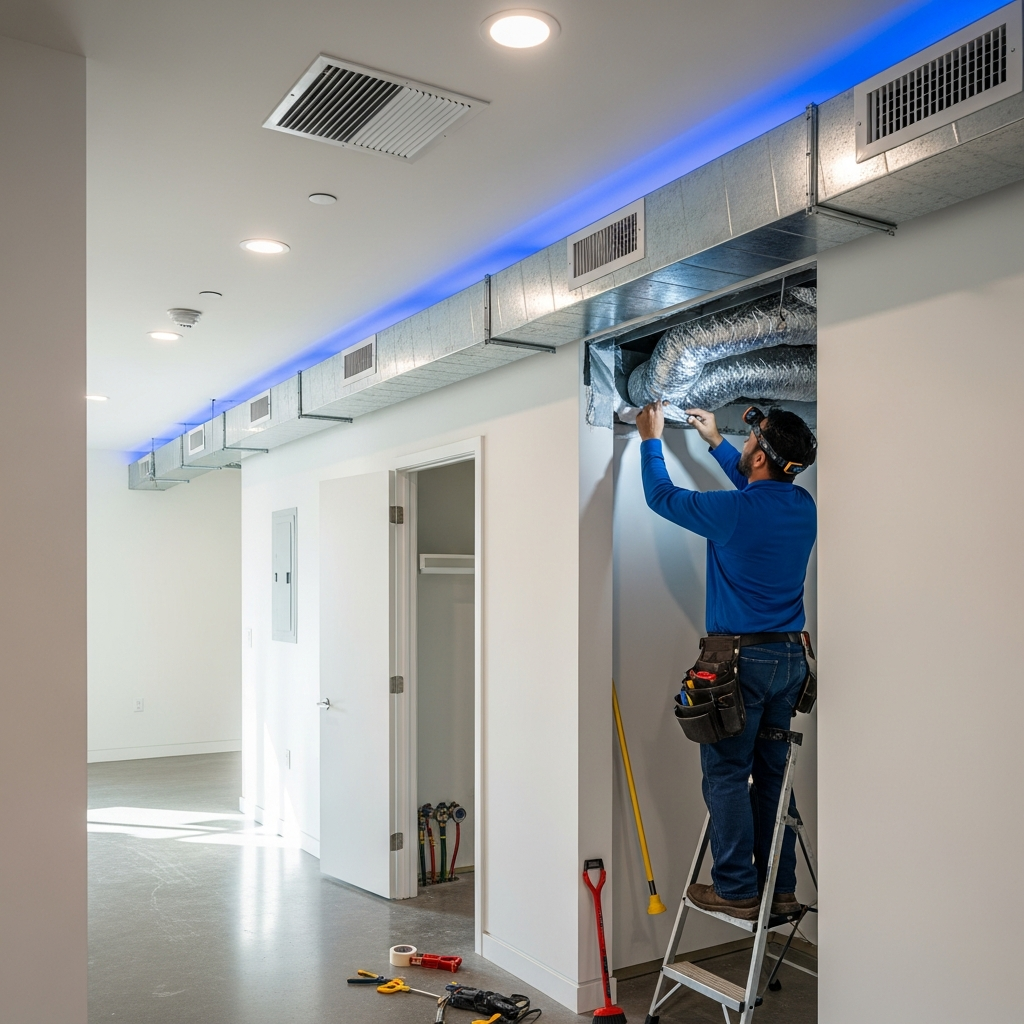
Walk into a Los Angeles apartment building on a warm afternoon and you’ll feel a living system at work. Rooftop units hum over stucco courtyards, corridors carry the faint scent of recent cooking, and shaded balconies catch the breeze that rolls in from the ocean or from canyons. Beneath that rhythm, the ductwork serving individual apartments and shared spaces shapes daily comfort more than most residents realize. When those ducts develop problems—as they often do in multifamily buildings with layered renovations and aging infrastructure—the effects ripple through air quality, noise, and energy use. Understanding the common issues and how to resolve them can turn a temperamental complex into a consistently comfortable place to call home. Early in that process, a focused approach to professional air duct repair sets the stage for meaningful, lasting improvements.
Los Angeles apartments come in many flavors: mid-century walk-ups in the Valley, courtyard buildings in West Hollywood, high-rises downtown, and garden-style complexes stretching across the South Bay. Their HVAC setups vary too. Some rely on individual split systems tucked into closets or balconies, others use rooftop package units with ducts dropping into each unit, and older buildings might still be running common systems with shared returns. Despite the variety, the same patterns of duct trouble pop up again and again.
Leaky supply and return paths that steal comfort
Time is rough on duct connections hidden in soffits and above corridors. Sealants dry out, foil tapes lift, and boots pull back from ceiling registers. When supply air leaks into wall cavities or interstitial spaces, residents get less conditioned air at the grille even as equipment runs harder. On the return side, gaps can pull dusty air from above ceilings or, in older buildings, from adjacent utility chases that have never been truly clean. That air bypasses filters and brings fine particles into living spaces, contributing to the perpetual dust layer many apartment dwellers accept as inevitable—until proper repairs prove otherwise.
One challenge in apartments is that duct sections often cross property lines between units or run through common areas before dropping into living spaces. That requires coordination with building management and, in some cases, access to neighboring spaces to complete a thorough seal. When collaboration happens, the results are not only better comfort for one resident but improved performance across a stack of apartments connected by the same vertical chases.
Kinks, crushes, and sharp turns in flexible ducts
Flexible duct is common in apartment renovations because it snakes easily through tight cavities. But flex is only efficient when supported, straightened, and gently curved. In many buildings, you find long, looping runs with tight bends that choke airflow, or sections flattened by storage in mechanical closets. Over time, vibrations from rooftop equipment can cause poorly supported runs to sag like a hammock, adding friction and starving distant rooms.
Correcting these issues is straightforward but requires careful access. Technicians adjust supports to maintain smooth paths, replace fatigued segments, and increase bend radii at turns. In soffits above kitchens and baths—spots notorious for cramped, hot conditions—small adjustments can unlock major performance gains at the grille.
Noise and vibration that wear on residents
Sound carries in multifamily buildings. A unit that roars to life or a grille that whistles in one apartment becomes a shared nuisance. Much of that noise traces back to duct restrictions and pressure imbalances. Undersized returns make air handlers pull hard, creating a whine that transmits through walls. Loose boots rattle when the fan starts. Thin metal ducts attached without vibration isolation can turn into small drums. The fix often lies in the same measures that improve airflow: resealing, resizing returns, smoothing bends, and adding insulation or isolation where metal meets framing.
After proper repair, residents usually describe a more “settled” soundscape. Equipment starts softly, air glides rather than rushes, and conversations or streaming sessions don’t have to battle with the HVAC in the background.
Odor transfer between units
Nothing frustrates neighbors like smells that seem to migrate across apartments. While some of that is normal in older buildings with shared corridors, ducts can make it worse. Leaky returns or shared plenum spaces allow air to drift between units when systems cycle. Fixing these pathways with targeted sealing and, where needed, separating returns restores the privacy every resident expects. In kitchens where exhaust paths interact with supply runs, balancing airflow reduces the tendency for cooking odors to linger or drift.
These improvements come with a side benefit during periods of poor outdoor air quality. When returns are tight and supplies deliver as designed, apartments resist infiltration from outdoors, especially at corridor doors and window perimeters common in older stock.
Hidden damage from past renovations
Los Angeles apartments see frequent updates. New lighting, added sprinklers, and plumbing retrofits often mean opening soffits and ceilings for access. Ducts get bumped, partially disconnected, or rerouted in ways that work for the new feature but compromise airflow. You’ll see flexible duct doubled back on itself to avoid an obstacle or metal ducts with seams pried open and never properly resealed. Years later, the symptom shows up as a room that never quite cools or a system that runs forever on mild days.
A thorough apartment-focused repair includes detective work. Technicians follow runs from equipment to registers, photograph problem areas, and create a simple plan to correct each impediment. In many buildings, two or three small fixes add up to a big change for a single apartment, and, when coordinated across units, even more for the building as a whole.
Compliance and practical realities in multifamily settings
Working inside apartments brings constraints: quiet hours, access schedules, and a responsibility to protect finishes in small spaces. Good teams coordinate with property managers, communicate with residents, and contain dust and debris carefully. They also understand the building’s particular mechanical setup—package units on the roof serving stacks of similar apartments require a different approach than individually ducted splits tucked into each balcony closet.
Because ducts often travel through fire-rated assemblies, repairs must respect those boundaries. Sealing and insulation choices should be compatible with rated assemblies and maintain clearances to heat-producing equipment where applicable. While residents may not see the details, these practices affect safety and code compliance in real ways.
Air quality and filtration in urban life
Apartment living in Los Angeles puts you close to traffic corridors, eateries, and the occasional construction site. Tightening return ducts and ensuring registers seat snugly against ceilings help control the mix of air the system delivers. When returns are sealed, the filter does its job instead of letting bypass dust load up coils and grilles. With a proper repair, you’ll notice less dust on shelves, clearer light streaming across the room, and a fresher morning feel even in busy neighborhoods.
Another benefit is resilience during wildfire smoke events. Apartments without tight ductwork can see smoky odor drift into living spaces, especially when systems run continuously. Sealed returns and well-fitted supplies, paired with sensible runtime, make interiors feel like a refuge until the outdoor air clears.
Temperature balance from door to balcony
Small apartments should feel even from one end to the other, but many don’t. A bedroom may lag behind the living area, or a home office near the front door may never cool fully on summer afternoons. These patterns usually trace back to airflow, not the capacity of the equipment. By smoothing duct paths, freeing collapsed sections, and adjusting balance, repairs deliver the air each room needs without guesswork or constant thermostat nudges.
In buildings with stacked plans, apartments in corners or at the top floor take more solar load and need special attention. Correctly repaired ducts help those “hot units” align with the rest of the building’s comfort curves, making life fairer floor to floor.
Maintenance realities for renters and managers
In apartments, maintenance responsibilities split between residents and building staff. Filters are a shared concern, and they work better when ducts don’t bypass them. After a repair, residents often find filter changes are cleaner and that grilles don’t accumulate dark lines of dust on the ceiling. Building managers appreciate that rooftop equipment shows fewer signs of strain and that service calls about “noisy vents” or “smells from next door” drop.
Communication helps here. Before and after photos, simple explanations of what was repaired, and clear guidance on filter schedules turn a one-time project into a sustained improvement. Residents gain confidence and management gains fewer complaints.
Mid-project insights that change outcomes
Some of the best results happen in the middle of a repair, when technicians spot a missing return baffle or a branch that was never properly connected. Apartment duct systems are compact, but small missteps cascade. Correcting them restores a kind of dignity to the system’s operation. If you’ve ever stood under a grille as it roared without delivering comfort, you’ll appreciate the quiet competence that follows good work.
For residents who have lived with marginal performance for years, that shift is a relief. If you’ve wondered whether the entire HVAC needs replacement, you might be surprised by how much targeted duct work accomplishes first. Exploring trusted air duct repair tailored to multifamily buildings is often the smartest, least disruptive next step.
The rhythm of seasons in a dense city
From marine layers that keep mornings cool to Valley heat that lingers into late evenings, Los Angeles seasons challenge apartments in different ways. When duct systems are tight and balanced, the home keeps pace gracefully. You set the thermostat and the rooms follow, without swings that push you to overcorrect. That steadiness reduces stress on residents and equipment alike, creating a calmer daily environment.
Even small wins matter in dense living. When a corridor smells fresher because returns aren’t drawing from above ceilings, when phone calls aren’t competing with fan noise, when cooking aromas stay mostly in the kitchen—these are quality-of-life changes that accumulate into a better address.
Frequently asked questions
Why do apartment ducts fail more often than those in single-family homes?
They live in tighter spaces and see more interventions during renovations. Ducts run through shared chases, soffits, and corridors where many trades work. That exposure increases the chance of damage, disconnections, and sealant failures over time.
Can repairs fix cooking odors traveling between units?
Yes. Sealing shared returns and tightening boot-to-ceiling connections reduce cross-unit air movement. Pairing that with proper kitchen exhaust and airflow balance keeps smells localized and short-lived.
Will repairs be disruptive to neighbors?
Good teams coordinate with management, observe quiet hours, and contain dust. Most work happens inside ceilings or closets over a day or two, with communication that helps neighbors plan around brief access needs.
What if my apartment has no attic and everything is behind drywall?
Many apartments are exactly like that. Technicians access ducts through small openings in soffits or from above in common corridors. Strategic cuts and careful patching minimize disruption while allowing thorough repairs.
Can duct work lower my energy use if utilities are included in rent?
Even when you don’t pay directly, you benefit from steadier comfort, less noise, and cleaner air. For owners and managers, tighter ducts mean less runtime and fewer service calls, which is good for the building’s operating profile.
Is this relevant if I have a mini-split with short ducts?
Yes, albeit on a smaller scale. Short ducts can still leak or suffer from poor transitions. Fixing those keeps the system efficient and the rooms evenly conditioned.
How do I talk to my landlord or HOA about repairs?
Explain the symptoms—noise, uneven rooms, dust—and ask for an inspection with photos. Share that targeted duct work often resolves these quickly and lasts for years when done correctly.
In a city where neighbors live a few feet apart, comfort is a communal asset. When ducts are tight, balanced, and quiet, everyone benefits—from the resident who works from a bedroom office to the family making dinner as the sun drops behind palms. If you’re ready to solve persistent comfort quirks in your apartment, reach out to your management and a qualified team to start with a clear assessment. For guidance grounded in multifamily experience and Los Angeles know-how, ask about air duct repair that respects residents, schedules, and the fabric of the building.