
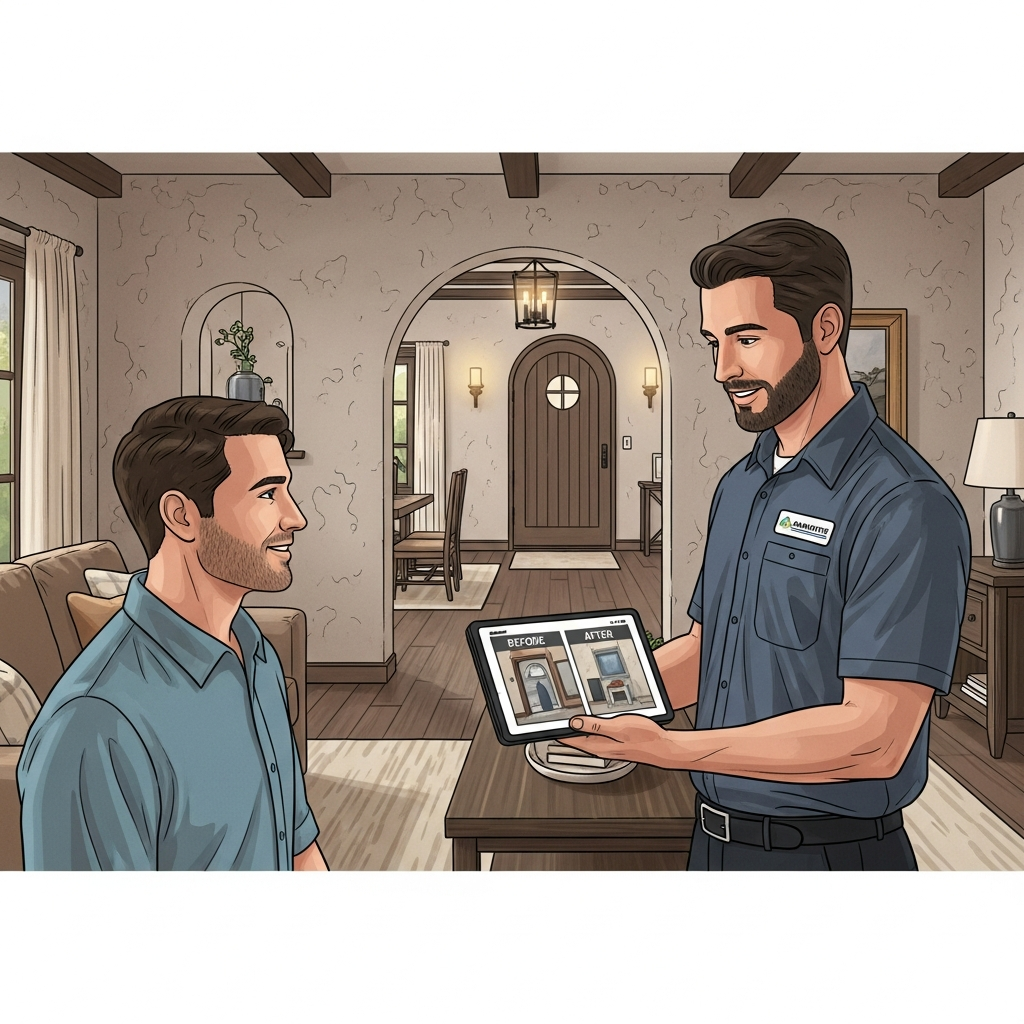
Trust is earned in the quiet after a job is done—when the thermostat settles, the background hum turns gentle, and every room feels in sync again. In Los Angeles, where neighborhoods shift from beachside breezes to valley heat in a handful of miles, reliable air duct repair services are less about flashy promises and more about consistent results. As someone who has spent years navigating LA attics and crawlspaces, I’ve learned that being trusted starts with respect for the home, clear communication, and solutions that hold up through August heat and Santa Ana winds alike. If you’re looking for a partner you can count on, it helps to know what trustworthy service looks like from the first call to the final walkthrough—and where to find dependable air duct repair guided by local expertise.
Every home in this city tells a different story. A 1930s Spanish-style with thick plaster walls and a tight attic asks for gentle routing and meticulous sealing. A mid-century ranch with sprawling runs demands attention to support and insulation as the sun bakes the roofline. A modern hillside build often leaves narrow mechanical paths that require planning and patience. Even downtown lofts, with exposed ducts that showcase the work, require both performance and polish. Trusted service adapts to each of these realities with a steady hand and an ear for the homeowner’s experience.
What trustworthy service feels like
It begins with listening. A technician who starts by asking how your home behaves—when the living room drifts warm, whether a bedroom grows drafty at night, where a faint rattle shows up—will deliver better results than one who jumps straight to the attic. After listening comes clarity. You should see photos of findings, hear a plain-language explanation of what’s happening, and understand the sequence of steps proposed. During the work, you should feel comfortable in your own space: floors protected, access points managed neatly, and schedules respected. And when it’s over, you should feel the difference as much as you understand it.
From diagnosis to durable solutions
In Los Angeles, the best solutions survive the attic in July and the dry winds of early fall. That’s why trusted services prioritize diagnostics first: static pressure readings to gauge system strain, thermal imaging to find temperature loss, and smoke to reveal leaky seams. Armed with data, a good crew will choose appropriate sealing methods—thick mastic reinforced where necessary, proper bands at flex connections, and careful tightening of metal seams. They’ll smooth routes to remove kinks, add hangers where spans sag, and insulate exposed sections to maintain supply temperatures. These are the quiet details that turn a repair into lasting performance.
Respect for architecture and neighborhoods
Los Angeles architecture spans a century and a half, and each era deserves respect. In older homes, we preserve character by avoiding invasive routes and protecting original finishes. In homes near the coast, we watch for early signs of corrosion and plan materials accordingly. In hillside properties, we account for framing shifts and ensure hangers hold form over time. In the Valley, we design with attic heat in mind, making sure insulation jackets keep their loft. This sensitivity to place isn’t an afterthought; it’s the backbone of work that feels native to your home and lasts.
Trusted service also means acknowledging the rhythms of the city. Summers stretch long here, and spring is the perfect window for proactive work. Fall brings relief but can also highlight the ways your system struggled in recent months. Wildfire smoke and seasonal dust call for extra attention to return sealing and filter fitment. Recognizing these patterns allows your ductwork to carry you comfortably through the calendar instead of reacting a step behind.
Communication you can lean on
Being trusted is as much about how we talk as how we work. You should always know what’s happening next, how long it will take, and what we expect to find when we open an access panel. Photos and brief videos of key points make it easy to visualize the plan. If something unexpected shows up—an inaccessible chase, a wire crossing a planned route, a brittle section of older duct—we explain options and implications clearly before moving forward. When the work is complete, we walk you through the results, show you seals and supports, and share simple maintenance tips that protect your investment.
What a thorough visit includes
First, we assess the whole system: return side integrity, supply routes, register boots, and insulation jackets. We note any signs of bypass around filters or gaps at grills. We measure static pressure and take temperature readings across the system. Then, we tackle the highest-impact items—sealing the return plenum, reinforcing collars, correcting kinks, and insulating exposed runs. Where architecture demands creative routing, we plan gentle curves and proper supports to maintain shape. Finally, we confirm performance changes in the living space, because numbers matter, but so does how the home feels.
Case notes from around LA
In a Fairfax bungalow, a faint rattling note at one supply turned out to be a boot slightly loose in its framing. Re-securing, sealing the edges, and adding a bit of insulation around the cavity removed the noise and strengthened delivery to the room. A Sherman Oaks ranch suffered from two long, undersupported flex runs that drooped between trusses. With well-placed hangers and improved radii at turns, the airflow evened out, and rooms matched one another again. In a Culver City duplex, a return leak near the air handler imparted a dusty smell on hot afternoons; sealing and tightening there solved it overnight.
Quality control and follow-through
Trust grows when results are verified. After work is done, we recheck static pressure, confirm temperature at key registers, and listen for a change in the system’s tone. We photograph finished seals and supports so you can see every improvement. We also share simple habits that keep things stable—ensuring filters fit tightly, checking for any new noises after seasonal changes, and knowing when a quick attic glance can save a future visit. A trusted provider doesn’t disappear after the truck pulls away; they provide clarity you can return to months later.
Preparing your home for service
A few small steps make the day go smoothly. Clear access to the attic hatch or mechanical closet, and let us know if any rooms have limited availability. If pets are curious, a quiet space away from the work keeps them comfortable and safe. We bring coverings to protect floors and furnishings, and we clean up thoroughly when finished. Knowing what to expect sets the tone for a calm, efficient visit with minimal disruption to your routine.
Why local matters
Los Angeles is its own ecosystem. Materials that perform well in milder climates can dry out or slump under our summer conditions. Neighborhoods closer to the coast bring different concerns than the Valley or the hills. Local experience means anticipating these differences and building solutions that stand up to them. It also means being close enough to respond quickly when small issues appear, before they grow into bigger ones.
In the middle of any project, homeowners often ask whether to tackle everything at once or phase the work. The right answer depends on what will change the way your home feels today. A conversation grounded in data and experience—from a team focused on precise, lasting air duct repair—helps you choose the path that fits your timeline and goals.
FAQ: Answers you can trust
How do I know I’m choosing a reliable service? Look for clear diagnostics, photos of findings, straightforward explanations, and a plan that prioritizes high-impact fixes. A trustworthy provider welcomes questions and shows their work.
Will repairs make my home quieter? Often, yes. Smoothing routes and sealing loose connections replaces rattles and hissing with a gentler airflow. Many homeowners notice the difference immediately.
What should a standard visit include? A review of the return and supply sides, measurements of static pressure, inspection of insulation, and a focus on sealing, support, and route optimization where needed. Tidy work habits and clear communication are part of the standard.
Do older homes require special care? They do. Plaster, original framing, and tight access ask for delicate handling and creative routing that preserves the home’s character while improving performance.
How disruptive is the process? With planning and care, most work happens out of sight in attics or crawlspaces. We protect floors, manage noise, and keep living spaces comfortable.
Will this help during wildfire season? Yes. Tight returns and proper filter fitment help maintain calmer indoor air when outdoor conditions are challenging.
What can I do after the repair to keep things steady? Change filters on schedule, confirm they fit snugly, listen for changes in system sound, and schedule a quick annual check, especially after significant weather shifts.
When you’re ready
If your Los Angeles home has been nudging you with uneven rooms, extra dust, or a hum that’s grown a little sharper over time, it’s worth taking a closer look at the paths your air follows. A thorough assessment and careful repairs bring back the quiet, even comfort that makes a home feel like a haven. When you’re ready for results you can trust, reach out to local professionals who treat your space with respect and deliver proven air duct repair that lasts.