
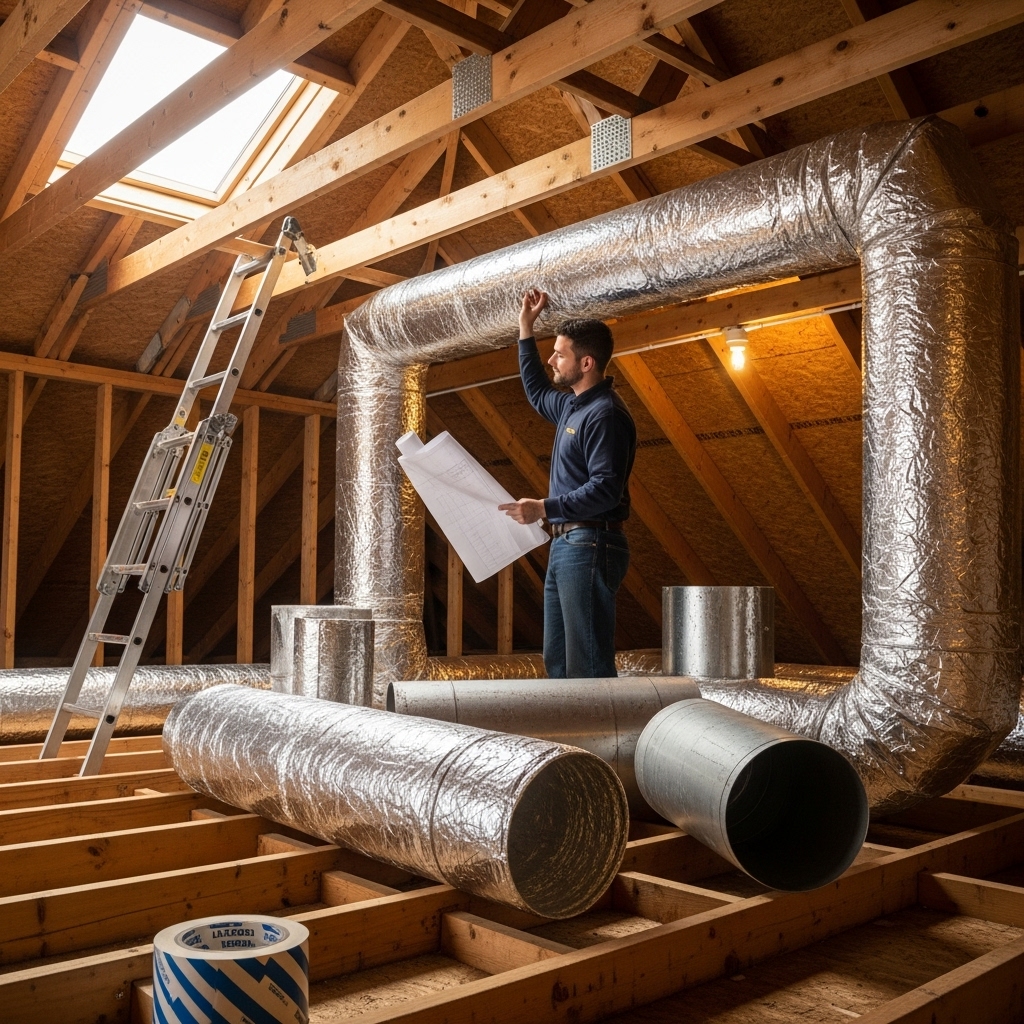
Los Angeles homes carry a unique blend of architectural styles, microclimates, and day‑to‑day living patterns that all influence how your heating and cooling system performs. When you start researching what goes into an air duct upgrade, it can feel like you’re walking into a maze of terminology, line items, and variables. As a local who has spent years in attics from the San Fernando Valley to the South Bay, I can tell you that a thoughtful plan for air duct replacement is as much about understanding your home and neighborhood as it is about the materials themselves. This guide unpacks the budget drivers and the reasoning behind them, so you can navigate proposals with confidence and get a system that actually feels better in every room.
Why Los Angeles homes are different
Microclimates matter. A home in coastal Santa Monica will ask different things of its ducts than a hillside property in Silver Lake or a mid‑century ranch in Woodland Hills. Salt air, coastal humidity, and cooler evenings call for careful insulation and sealing to prevent condensation. Inland heat waves and long cooling seasons demand duct designs that minimize static pressure and leakage, protecting efficiency during long summer afternoons. Wildfire smoke days add another dimension: homeowners increasingly seek tighter, better‑sealed duct systems that keep particulates out and maintain indoor air quality even when outdoor conditions are challenging.
The anatomy of a complete duct project
A modern duct project is more than swapping old lines for new. The most comfortable homes come from a whole‑system approach that begins with evaluation and ends with verification. A seasoned installer will map your existing trunks and branches, inspect the return pathway, measure supply registers, and assess the air handler’s external static pressure. They will look at attic or crawlspace access, note any low‑clearance areas, and identify obstacles such as truss webs, plumbing, or electrical lines. A good plan anticipates transitions, fittings, and supports, because those details determine airflow and longevity just as much as the duct runs themselves.
Home age, layout, and access
In Los Angeles, older Spanish bungalows often have tight attics with limited clearance, while post‑war homes may have easier access but complex add‑ons from decades of remodeling. Townhomes and condominiums bring HOA rules and defined working hours. Hillside properties can require careful staging and longer pathways to carry out debris safely. All of this shapes how a crew can work, how long a project takes, and the type of materials and techniques that fit your structure. Better access can open the door to more robust rigid sections, while tight spaces might favor properly supported insulated flex with generous radius elbows.
Materials and methods that influence performance
The conversation about materials isn’t simply about what the ducts are made of; it’s about how those materials are installed and sealed. High‑quality mastic on every joint, properly sized collars, and UL‑listed tapes applied correctly make the biggest difference in leakage reduction. Insulation values chosen for our climate help prevent unwanted heat gain in attics that regularly soar on summer afternoons. Where rigid sections are used for main trunks, thoughtful transitions keep turbulence to a minimum. For flex runs, generous turn radiuses and taut, supported spans prevent kinks and sags that can choke airflow over time.
Design: the hidden backbone of comfort
Behind every comfortable room is a design that respects physics. Sizing runs for the equipment’s capacity, balancing branch lengths, and aligning register selection with the room’s load are the quiet heroes of a satisfying result. In practical terms, that means calculating friction rates, accounting for equivalent length when fittings are involved, and ensuring the return pathway is robust enough to keep static pressure in check. When those elements are prioritized, your system breathes easier, sound levels drop, and temperature spreads shrink.
Permits, code, and verification
Los Angeles has clear requirements for mechanical work, and reputable teams embrace them because permits and third‑party verification protect you. Title 24 compliance and HERS testing confirm that leakage is under control and that the work meets the state’s performance standards. For homes with previous issues such as suspected asbestos on old duct tape or compromised insulation, the right sequence—involving qualified testing and, when needed, remediation—keeps everyone safe and ensures the new system isn’t compromised from day one.
Indoor air quality and the role of sealing
In a city where outdoor particulates and seasonal smoke can drift in, the seal on your duct system becomes part of your home’s health plan. Well‑sealed returns prevent dusty attics from becoming accidental air sources. Supply runs that are tight and insulated maintain temperature and reduce the risk of condensation. Many homeowners pair duct replacement with upgraded filtration at the air handler; when this is done with attention to pressure drop and filter location, it yields cleaner air without overworking the blower.
What a thorough proposal should include
When you review proposals, look for storytelling as much as scope. A clear document will describe the existing conditions, the design intent, and the specific steps to get you from here to there. Expect to see demolition and disposal, new trunk and branch layout, return improvements, sealing strategy, insulation specifications, register or boot replacements if needed, and verification testing. If the quote mentions “balancing,” ask how that will be performed and documented. If the team refers to “equivalent length,” that’s a good sign they’re thinking beyond straight‑line footage and planning for fittings and turns.
Why per‑foot thinking can be misleading
In a market as varied as Los Angeles, a simple per‑foot figure rarely captures the nuance of a real home. Two projects with the same total length can feel completely different if one has six tight elbows, three transitions, and a starved return, while the other is a direct run with generous radiuses and a wide return. The best outcomes come from scope‑driven planning rather than a single metric. That approach puts comfort, longevity, and compliance at the center of decision‑making.
Balancing comfort and energy use
Homeowners often tell me their goal isn’t just lower bills; it’s even temperatures and quieter operation. Well‑planned duct systems deliver that by reducing static pressure, minimizing leakage, and matching airflow to the needs of each space. This is where design meets daily life: a quieter bedroom at night, a living room that doesn’t lag behind, and a home office that stays steady on long video calls. The side benefit is that the equipment doesn’t have to work as hard to move air, which can extend its service life.
Scheduling, logistics, and protecting your home
Good crews are as much about housekeeping as craftsmanship. In our city, parking, narrow side yards, and tight stairwells are everyday realities. Protective coverings, clean staging areas, and daily tidy‑ups keep your space livable during the project. Clear communication about arrival times, power needs, and pet considerations helps everything run smoothly. Weather matters too; on hotter weeks, early starts can make attic work safer and more efficient without disrupting your day.
The mid‑project check‑in
One of the most valuable moments is a walkthrough when the new layout is assembled but before everything is insulated and closed up. This is where you can see the main trunks, verify support spacing, and understand how branches serve rooms. It’s also a great time to ask about static pressure targets and balancing strategies. If you’ve been comparing options, bring questions from any other proposals; a transparent team will explain their reasoning and how it supports your goals for comfort and indoor air quality. If you are still exploring the market, take a moment to study offerings that focus specifically on air duct replacement and how they articulate design and verification.
After the work: testing and living with your new ducts
Verification is where the project crosses the finish line. Duct leakage testing, pressure measurements, and a simple comfort check in the farthest rooms give you confidence that everything works as planned. Over the first few weeks, pay attention to the way rooms stabilize and note any subtle drafts or noise at registers; good teams welcome feedback and can make small adjustments to diffuser direction or damper positions to fine‑tune performance.
FAQ
How long does a typical duct project take in Los Angeles?
Timelines vary with access, layout complexity, and verification requirements. Straightforward attics with clear access can move faster, while tight crawlspaces, layered remodels, or HOA rules may add time. A thoughtful plan with proper staging and daily clean‑up helps keep the process smooth without rushing critical steps like sealing and testing.
Do I need a permit for duct replacement?
In most cases, yes. Permits align your project with local and state requirements, and third‑party verification confirms performance. Reputable teams handle the paperwork, schedule inspections, and provide you with documentation at the end.
Will new ducts make my home quieter?
Often, yes. Reducing static pressure, using proper transitions, and sizing registers appropriately can lower air noise. Rigid sections in key trunks and well‑supported flex can further tame sound, especially in bedrooms and offices.
What materials are best for our climate?
Materials are selected for the home’s layout and goals. Insulated, well‑sealed runs are essential in hot attics. Rigid components can be ideal for main trunks, while supported, correctly sized flex serves branches well when space is tight. The key is execution: airtight joints, adequate insulation, and thoughtful routing.
Can I keep my existing registers?
Sometimes, but not always. Older registers may be undersized or poorly placed for the current room layout. Upgrading to properly sized and oriented diffusers can improve comfort and noise profile, especially when the new design changes airflow.
How does wildfire smoke affect duct decisions?
It reinforces the importance of tight sealing, robust returns, and filtration strategy. When the return is airtight and supplies are insulated and sealed, the system is less likely to pull contaminants from unconditioned spaces, making it easier to maintain healthy air during challenging days.
What’s the difference between sealing with tape and mastic?
Both have roles, but field‑applied mastic at joints and seams, paired with listed tapes where appropriate, tends to deliver more durable airtightness. The result is less leakage, better comfort, and a system that stays in tune longer.
Ready to bring balance and comfort to your home?
When you’re ready to talk about options tailored to Los Angeles homes, choose a team that designs first, installs with care, and proves performance at the end. If you want a clear path from assessment to verification, start a conversation with specialists who focus on air duct replacement and understand the nuances of our neighborhoods, climate, and building styles. The right plan turns your system into a quiet, reliable partner that keeps every room feeling just right.