
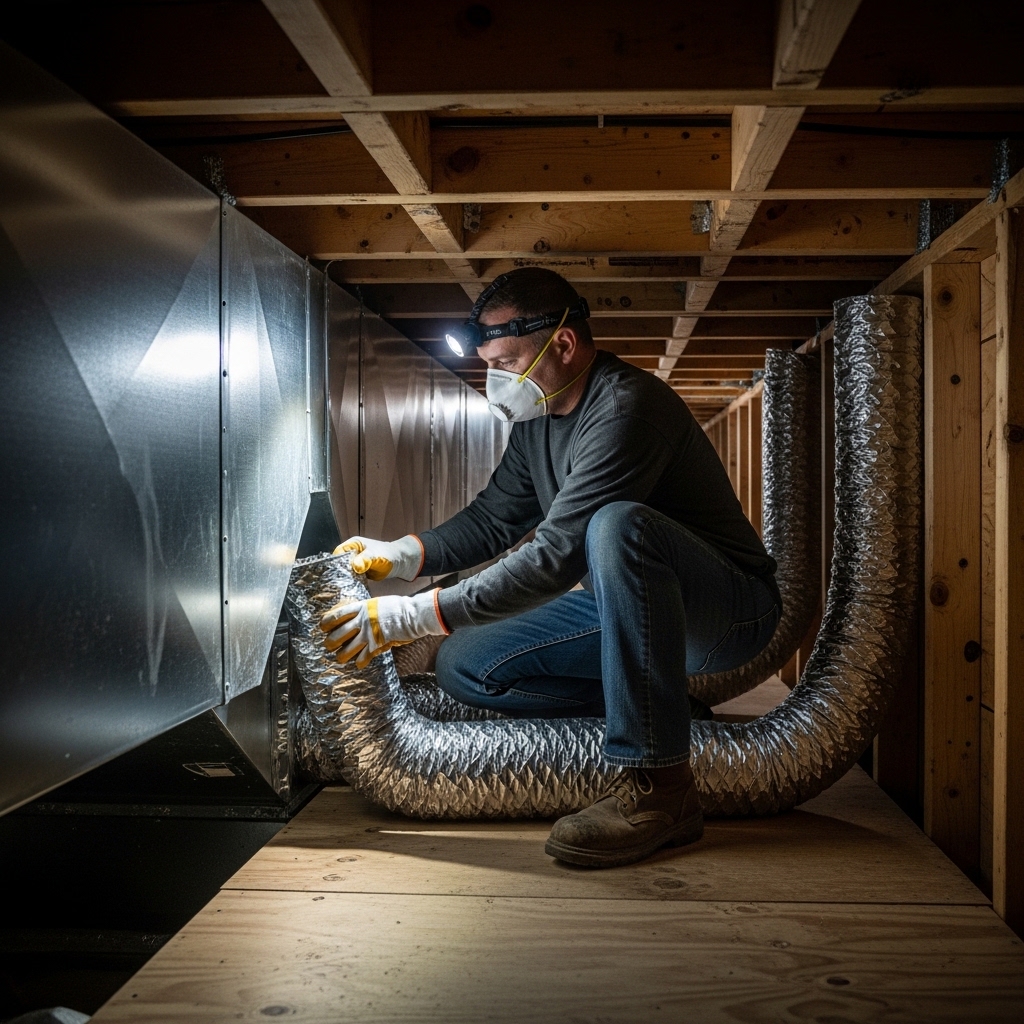
When you search for air duct replacement near me in Los Angeles, you’re really asking a local question: who understands our homes, our microclimates, and the way we actually use our spaces? I’ve seen everything from modest cottages in Eagle Rock with low-slope attics to hillside homes in Silver Lake with crawlspaces that require a careful crawl and a headlamp. A true neighborhood professional doesn’t just swap ducts; they read the house the way a good mechanic reads an engine. That perspective means your project is tuned to the quirks of your structure and the realities of LA living, from warm, still afternoons in the Valley to cool marine-layer mornings on the Westside. As you consider your options, it helps to understand what defines a quality air duct replacement and how to choose the right team to carry it out.
Local expertise shows up in small ways. It’s the way a tech knows when a single central return will pinch airflow in a Spanish Revival with thick plaster walls, or how to thread new lines through a low attic without compressing insulation. It’s an instinct for keeping runs short and direct in homes with irregular additions, and the discipline to use mastic and proper hangers instead of shortcuts that won’t stand up to a few hot summers. These little decisions add up to rooms that feel even and systems that run quietly without struggling against static pressure.
What “near me” should mean in Los Angeles
Proximity is useful, but familiarity is priceless. A contractor who regularly works in your part of the city understands the specific access challenges of your block, the typical framing of your era of home, and the expectations of your local inspection office. That knowledge helps with scheduling, with equipment staging, and with those tiny details that slow a job if they’re not anticipated—like tight driveway access or the need for protective coverings when navigating a narrow side yard.
Los Angeles homes are a blend of old and new. Some retain original sheet metal trunks from the mid-century era, patched over with flex from a remodel decades later. Others have duty-flex everywhere, with long unsupported spans that whistle over time. A conscientious installer will propose a layout that respects what still works and replaces the parts that compromise comfort. That might include resizing returns, shifting supply boots for better throw, or building a more aerodynamic plenum to calm airflow near the air handler.
How a good assessment unfolds
Every strong project starts with listening. Where do you feel hot and cold spots? Which rooms are too loud? Are there times of day when it seems like the system roars without results? From there, the crew should examine the attic or crawl, map existing runs, and measure grille sizes and static pressure. Those numbers turn into a design—often a mix of material choices, run lengths, and fittings—that brings performance into balance.
Expect transparency. You should see photos, hear a plain-language explanation of the plan, and receive a scope that details what will change and what will remain. If the proposal includes commissioning—post-install testing to verify airflow and pressure—you’re looking at a team that plans to leave behind more than a new set of ducts. They intend to leave behind a tuned system.
Why design matters more than a brand name
In the world of ducts, design is destiny. A perfect material installed without attention to bends, supports, and transitions will underperform. Conversely, a thoughtful design executed with care can transform a system even with familiar materials. In Los Angeles, code requires airtightness and insulation, but performance also hinges on how returns are sized, whether branches are balanced, and how closely the final layout adheres to the calculated friction rate. When those pieces align, the home feels calmer; doors stop slamming, and temperatures settle.
Noise is a design issue, too. If you’ve grown accustomed to a whoosh from a hallway grille, you’ll be pleasantly surprised when a redesigned return softens that sound. Adjusting grille sizes, using better boots, and placing dampers where they can be tuned makes a noticeable difference in day-to-day living.
Life in LA: microclimates, seasons, and smoke
Our city experiences seasons differently across neighborhoods. Valley homes endure long, hot afternoons that test duct insulation and sealing. Beach-adjacent homes face salt-laden air and cool, damp mornings that highlight the importance of airtight runs. Hillside properties deal with access constraints and shifting temperatures between floors, which makes balance and throw especially important. On top of that, the periodic arrival of wildfire smoke means any poorly sealed duct is an invitation for contaminated air to enter the living space. A clean, tight installation is more than neat—it’s a health guard.
When crews build with these realities in mind, they create systems that hold up under stressful conditions. That means sharper comfort during heat waves, calmer operation when everyone’s trying to sleep with windows closed, and flexibility when a shoulder season catches you off guard with a sudden coastal cool-down.
Choosing the right partner
Look for teams that speak the language of design. They’ll talk about return sizing, friction rate, and commissioning—not just the brand of duct or the speed of installation. They’ll set realistic expectations for access challenges and describe how they’ll protect your floors, landscaping, and attic insulation. They’ll schedule with sensitivity to your household rhythms and keep you informed at each step.
It’s also smart to ask how a company handles surprises. If they discover hidden junctions or a tight chase that demands a creative reroute, do they have the in-house skill to adapt without compromising performance? The best crews relish these puzzles because solving them is how homes move from “good enough” to “consistently comfortable.” Somewhere in the middle of your research, you’ll notice that clarity of plan correlates strongly with project success—especially for something as consequential as air duct replacement.
What the workday feels like
A well-run job is organized. Crews arrive with protective coverings, plan materials staging, and confirm the day’s goals with you before opening a single attic hatch. Inside, they’ll create safe walkways and keep tools corralled so family life can continue around the work. Outside, they’ll cut fittings neatly and dispose of old material responsibly. You should see steady progress and get periodic updates, especially as sections are completed and tested.
At the end of installation, commissioning brings order to the system. The team measures static pressure, adjusts dampers, and confirms airflow at representative grilles. They’ll also review basic maintenance—how to keep returns clear, what to listen for, and when to ask for help. After that, most homeowners notice the difference immediately: rooms feel even, equipment sounds less strained, and dust seems to settle more slowly.
Questions to ask before you sign
Ask how the design was created. Did they measure, calculate, and plan for balance? Clarify what’s included: boots, registers, returns, sealing, insulation, and commissioning. Understand how the crew will access tight spaces and what protections they’ll use to keep your home clean during the process. Finally, discuss schedule and communication. A contractor who can articulate their approach in plain English will likely deliver a smooth experience.
FAQ: Air Duct Replacement Near Me
How local should my contractor be?
Local enough to know your neighborhood’s common construction details and your inspection office’s process. Proximity helps with scheduling, but familiarity with housing styles and access realities matters even more.
Do I need to replace all my ducts at once?
Not always. If testing shows certain runs or returns are the main culprits, a targeted approach can make sense. The key is to maintain balance and avoid bottlenecks that stress the system.
Will new ducts make rooms quieter?
Yes, when designed correctly. Smoother transitions, right-sized grilles, and balanced returns reduce turbulence and noise. Many homeowners notice a softer, calmer sound profile.
How long does the process take?
Most single-family homes are completed over several days, with complexity and access driving the schedule. A clear plan ensures predictable milestones and minimal disruption.
What about wildfire smoke?
Tight, sealed ducts help protect indoor air from attic or crawlspace infiltration. Paired with appropriate filtration, this can make a noticeable difference during smoky periods.
Do I need permits?
In most LA jurisdictions, yes. Permits help verify that insulation, sealing, and leakage standards are met. Reputable contractors handle the permitting and inspection steps for you.
Is flex duct okay, or should I demand sheet metal?
Both can perform well when properly designed and installed. The choice depends on layout, access, and goals. What matters most is sizing, sealing, support, and commissioning.
If you’re ready to bring consistent comfort to your home and work with a crew that treats design as seriously as installation, reach out to schedule an assessment. Let’s talk through your goals, walk the space together, and map a plan that fits your house and your life. When you’re set to move forward, we’ll make the process straightforward and respectful from start to finish—delivering the steady, quiet results that great air duct replacement provides across Los Angeles.