
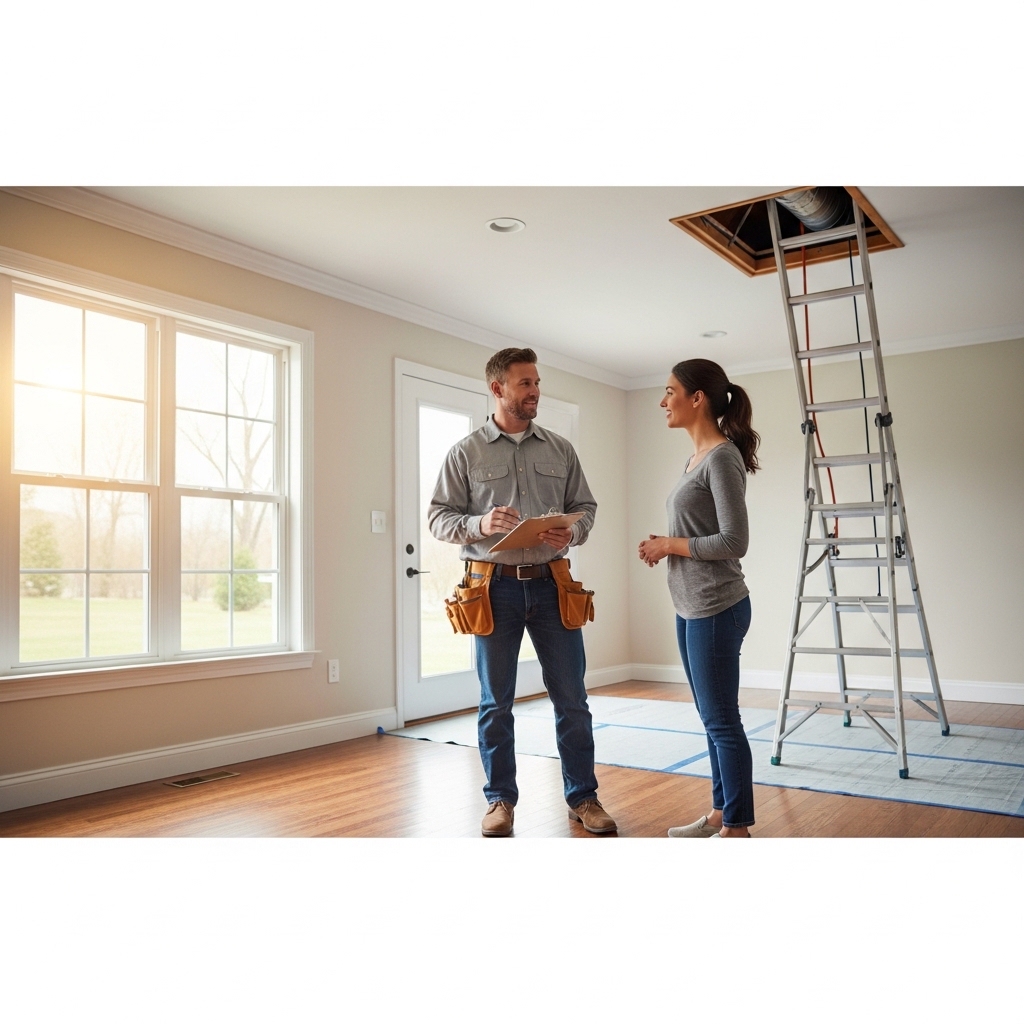
When you decide it’s time to get an air duct replacement estimate in Los Angeles, you want more than a number—you want a roadmap. In a city where homes range from classic Craftsman bungalows to sleek hillside architecture, each project carries its own terrain. The most valuable estimate explains what will change, how the crew will protect your home, and why the proposed design will deliver calmer, more even comfort. I’ve spent years crawling attics from Highland Park to the South Bay, and the best outcomes always start with a thoughtful assessment and a transparent plan. If you’re preparing to request quotes, here’s how to get the kind of estimate that sets your project up for success—and what to expect along the way, from first walk-through to final commissioning of your air duct replacement.
An estimate is a story about your home’s airflow. It begins with listening: which rooms lag in the afternoon, where noise is most noticeable, how doors behave when the system runs. These details steer the site visit. In the attic, the assessor looks for crushed lines, long unsupported spans, and junctions that create turbulence. In the crawlspace, they check for contact with soil, insulation gaps, and routes that force air to work harder than it should. Photographs and measurements anchor the conversation in reality rather than guesswork.
What a thorough estimate includes
First, a clear scope. This means line-by-line clarity about what’s being replaced and what’s being improved. Are returns being expanded or relocated? Will the plenum be reshaped to reduce turbulence? Are there balancing dampers planned to tune rooms after installation? A good estimate calls these out, because they drive the result you’ll feel every day.
Second, material choices with reasons. Flex, sheet metal, or a hybrid—each has its place. The right choice depends on access, run lengths, and the need for rigidity or quiet. The estimate should connect those choices to your home’s layout rather than simply naming a product. Insulation and sealing practices should be spelled out, too, since airtightness is the foundation of efficiency and clean indoor air.
Third, commissioning. This is the post-install process where the crew measures static pressure, confirms airflow at representative grilles, and adjusts dampers. Commissioning verifies that the system you paid for performs as designed. An estimate that includes commissioning signals a commitment to results rather than just parts and labor.
The LA factor: codes, access, and microclimates
Los Angeles is a patchwork of jurisdictions, and each expects ducts to meet specific standards for insulation and leakage. A seasoned contractor knows how to navigate permits and inspections, which protects you and your home. Access also shapes the plan: flat attics in Valley ranches allow straightforward routing, while low-slope attics in beach communities may require creative supports and careful threading to avoid compressing insulation. Hillside homes often add crawlspace challenges that affect staging and safety.
Microclimates influence design, too. Valley homes need robust insulation and airtight sealing to defend against long afternoons of heat. Coastal homes benefit from routing and returns that minimize noise and draftiness during cool mornings. In neighborhoods prone to seasonal smoke, a tight system paired with appropriate filtration helps keep indoor air cleaner when outdoor conditions deteriorate.
How contractors evaluate your current system
The best assessments go beyond eyeballing duct size. They measure static pressure, note grille sizes, record run lengths, and draw a basic map of the network. They identify bottlenecks, like undersized returns or cramped transitions at the plenum. They also flag structural or safety concerns—exposed wiring, fragile platforms, or inadequate supports—that must be addressed for a reliable installation. This combination of observation and measurement makes the estimate a plan rather than a guess.
Expect a conversation about rooms and routines. If a bedroom cooks at sunset, the design might shift supply placement or add balancing capacity. If a home office buzzes from a nearby return, grille changes and duct geometry can soften sound. These tweaks often matter more to daily comfort than any headline feature on an equipment brochure.
Comparing estimates the smart way
Lay proposals side by side and look for the narrative. Which one explains the why behind each change? Who acknowledges access realities and outlines how they’ll protect your home—floor coverings, attic platforms, and waste removal? Who includes commissioning and sets expectations for a walk-through with measured results? The strongest bid usually reads like a plan you could hand to any capable crew and get the same thoughtful outcome.
If one estimate is just a number with a vague description, press for detail. Ask about returns, plenum design, and how balance will be achieved. Ask for photos of the current state and a simple diagram of the proposed future. If the answers are thin, keep looking. Airflow is a discipline, and your comfort deserves a team that can communicate its principles clearly.
What installation days look like
On day one, crews protect floors and create safe pathways to access points. In the attic, they use platforms to avoid trampling insulation. In the crawl, they bring lighting and plan routes that keep ducts off soil and away from hazards. Old material is removed methodically to avoid debris spreading through the house, and new lines are hung with proper supports to maintain shape and prevent sagging. At each connection, mastic and UL-listed tapes create airtight joints.
As work progresses, you’ll see discrete sections completed and tested. The lead will keep you updated on any surprises and how they’re being addressed. Near the midpoint, you should feel comfortable with the pace and the plan, and you should have received photos that document progress. This transparency is the hallmark of a crew that intends to leave you with a system, not just an installation.
Commissioning: the quality check you can feel
Once ducts are in place, the team measures static pressure and checks airflow at representative grilles. They adjust balancing dampers, tweak boots or grilles if needed, and confirm that temperatures and air delivery line up with expectations. This is the moment when small design choices prove their worth: a quieter return, a steady bedroom, a calm living room despite afternoon sun. You’ll walk the home with the lead, review results, and learn simple upkeep tips to preserve performance.
Why the right estimate saves headaches later
A detailed estimate prevents surprises by anticipating challenges and naming solutions. It also sets a standard for workmanship that you can hold the team to, from sealing practices to cleanup. Most importantly, it centers performance—comfort, noise, and clean air—so the conversation isn’t dominated by line items that have little to do with how the home will feel.
FAQ: Getting an Air Duct Replacement Estimate
What should I bring up during the initial visit?
Describe comfort issues by time of day and season, point out noise or odor concerns, and share any past remodels or additions. The more context you provide, the better the design will reflect your reality.
How many estimates should I get?
Two or three thorough, design-forward proposals are usually enough to reveal differences in approach and clarity. More than that can create noise without new insight.
Do I need permits for duct replacement?
Most LA jurisdictions require permits and inspections for duct work. A reputable contractor will handle this and explain how it affects scheduling.
What materials should I ask about?
Discuss flex and sheet metal options, insulation levels, sealing methods, and the plan for returns and balancing. The best choice depends on your layout and goals.
Can I live at home during installation?
Usually, yes. Expect some noise and temporary access limitations. A well-run crew will keep pathways clear and protect your home throughout.
Will duct replacement help with indoor air quality?
Yes. Airtight ducts paired with appropriate filtration reduce infiltration from attics and crawlspaces and help keep indoor air cleaner, especially during smoky periods.
How long does installation take?
Schedule varies by access and scope, but most single-family homes are completed over several days. Your estimate should outline the expected timeline and milestones.
If you’re ready for a clear, confidence-inspiring plan, let’s walk your home together. We’ll map the current system, talk through goals, and craft an estimate that focuses on outcomes you’ll feel every day. When it’s time to move forward, we’ll handle the logistics and deliver a smooth, transparent experience—ending with a tuned, verified system and a home that finally feels even. Reach out today to start your air duct replacement journey with a team that brings equal parts craft and communication to every Los Angeles project.